



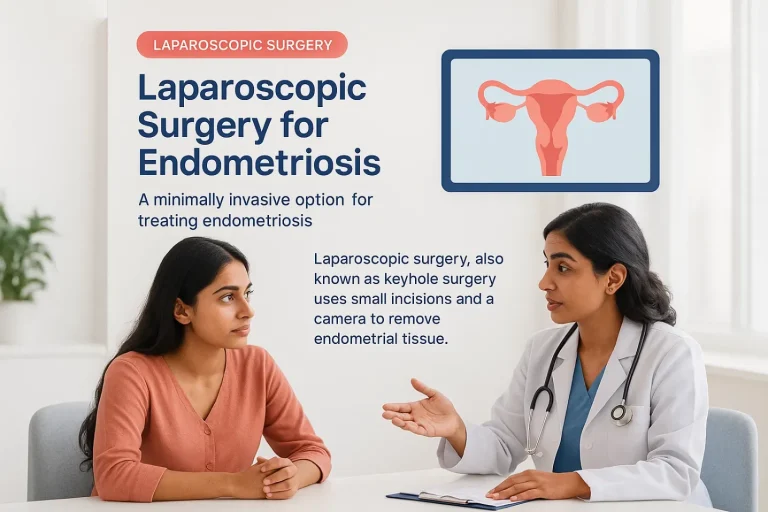
Laparoscopic surgery endometriosis, what to expect is one of the most common questions for women preparing for treatment. Endometriosis occurs when tissue similar to the uterine lining grows outside the uterus, often causing pelvic pain, heavy periods, or difficulty with fertility. Laparoscopy is a minimally invasive surgical procedure that allows doctors to diagnose and treat endometriosis with precision and fewer complications.
This blog will guide you through the complete journey of laparoscopic surgery—from why it is recommended and how to prepare, to the surgical process, recovery timeline, and long-term outcomes. We will also discuss potential side effects, costs in India, and the personalized care you can expect at Mayflower Women’s Hospital.
By the end of this article, you will have a clear understanding of what to expect before, during, and after laparoscopic surgery for endometriosis, helping you feel informed and confident in making treatment decisions.
Why Laparoscopy Is Performed for Endometriosis
Laparoscopy is considered the most reliable method to both diagnose and treat endometriosis. Unlike medication that only helps manage symptoms temporarily, this minimally invasive surgery allows doctors to view the pelvic organs directly and remove or destroy endometriotic tissue. It not only confirms the diagnosis but also relieves pain and improves fertility in many women.
Doctors usually recommend laparoscopy when symptoms such as severe pelvic pain, painful periods, or difficulty conceiving do not improve with medicines or lifestyle changes. It is also suggested when imaging tests like ultrasound or MRI do not give clear answers, but endometriosis is still suspected.
Laparoscopy vs Laparotomy in Endometriosis
A common concern is understanding the difference between laparoscopy vs laparotomy endometriosis. Laparoscopy involves small incisions in the abdomen through which a thin telescope-like camera and instruments are inserted. This approach reduces hospital stay, speeds up recovery, and leaves minimal scarring. On the other hand, laparotomy is an open surgery requiring a larger abdominal incision, leading to longer healing time and more discomfort. For most women with endometriosis, laparoscopy is the preferred option because it is safer, less painful, and equally effective in managing the disease.
Preparing for Laparoscopic Surgery
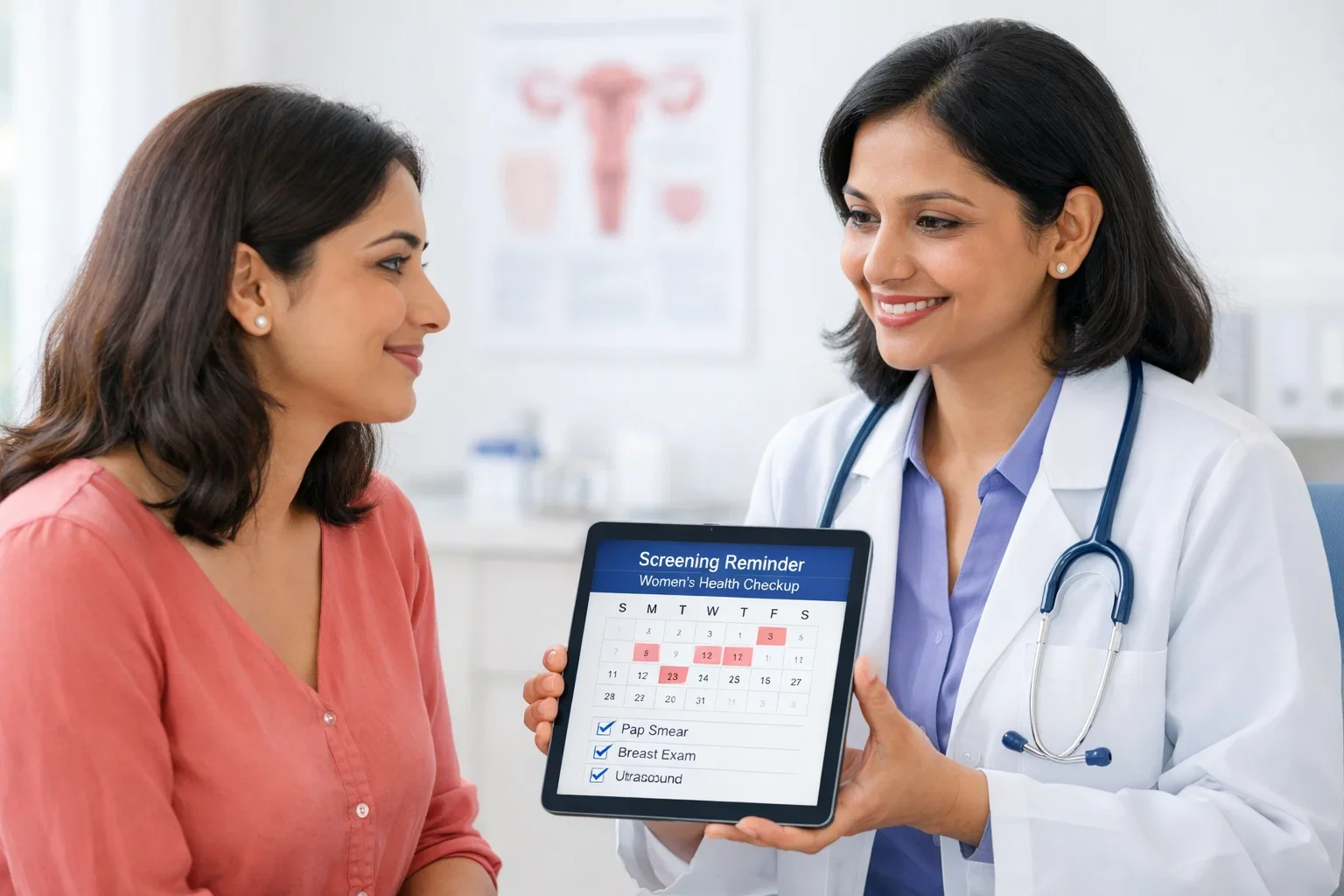
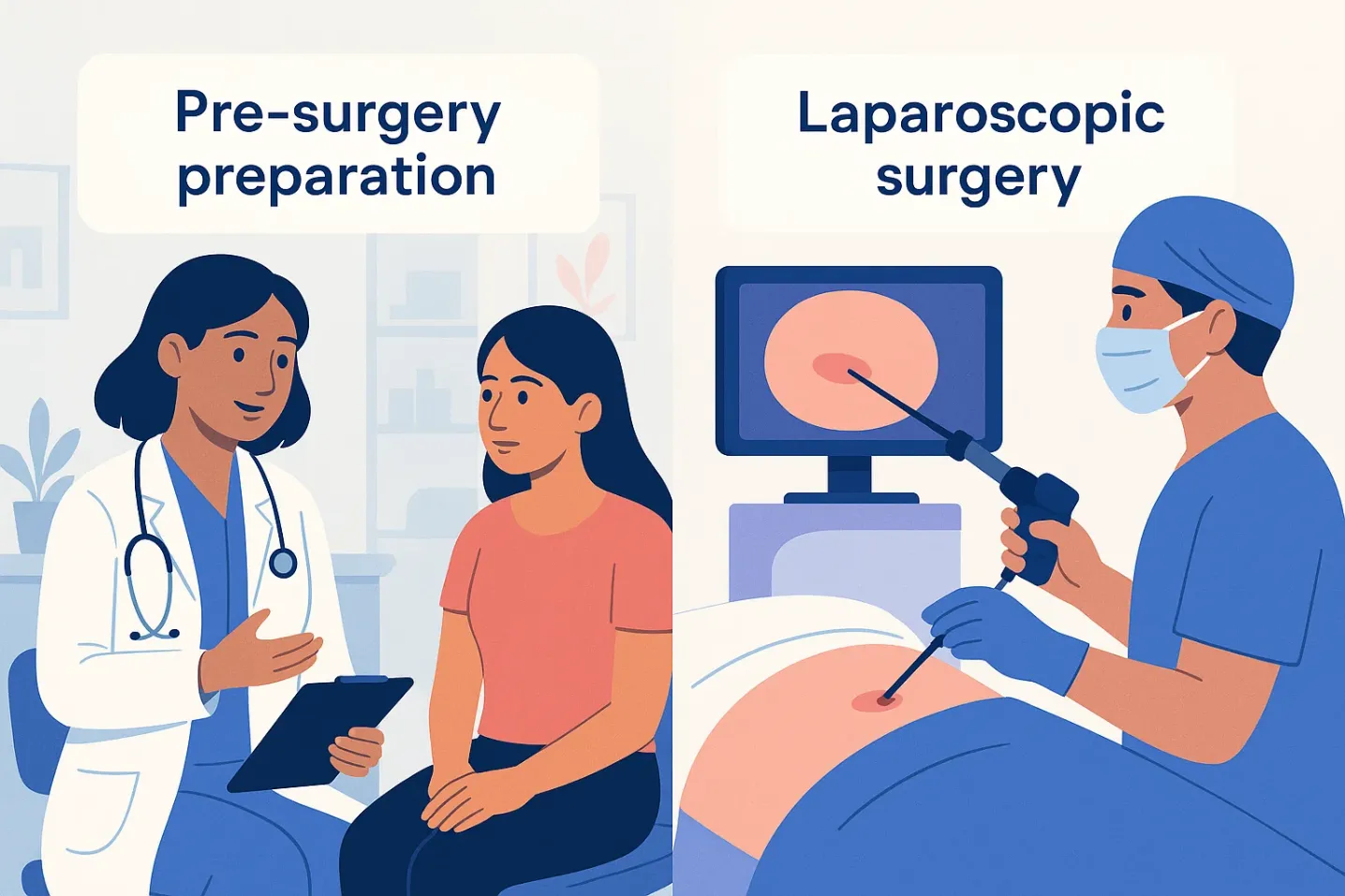
Preparation is an important part of ensuring a safe and smooth experience with laparoscopic surgery. Before the procedure, your gynecologist will guide you through a series of medical checks and give you specific instructions to follow. These may include blood tests, imaging, and a review of your medical history to make sure you are fit for anesthesia.
Doctors usually advise patients to avoid eating or drinking for several hours before surgery. Depending on your case, you may also be asked to stop certain medications temporarily. It is important to follow all instructions carefully to reduce risks and support better recovery.
Endometriosis Surgery Preparation Tips
Here are some simple endometriosis surgery preparation tips that can help:
- Arrange for a family member or friend to accompany you to the hospital.
- Prepare loose, comfortable clothing to wear after surgery.
- Keep essential items like sanitary pads, prescribed medicines, and water bottles ready for your recovery period.
- Practice light breathing or relaxation exercises to manage pre-surgery anxiety.
At Mayflower Women’s Hospital, our care team ensures patients feel fully supported before surgery. From diet instructions to pre-admission guidance, every step is explained so that you feel calm and well-prepared.
What Happens During Surgery
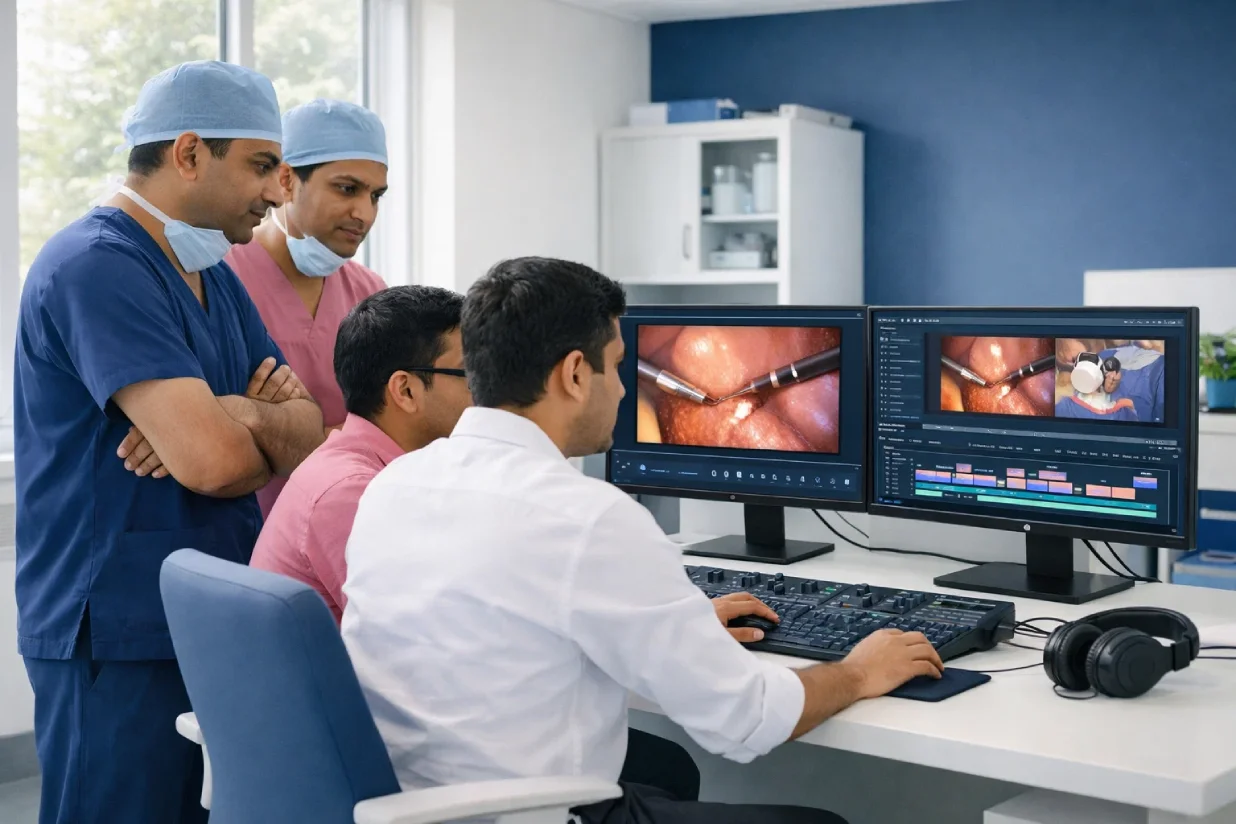
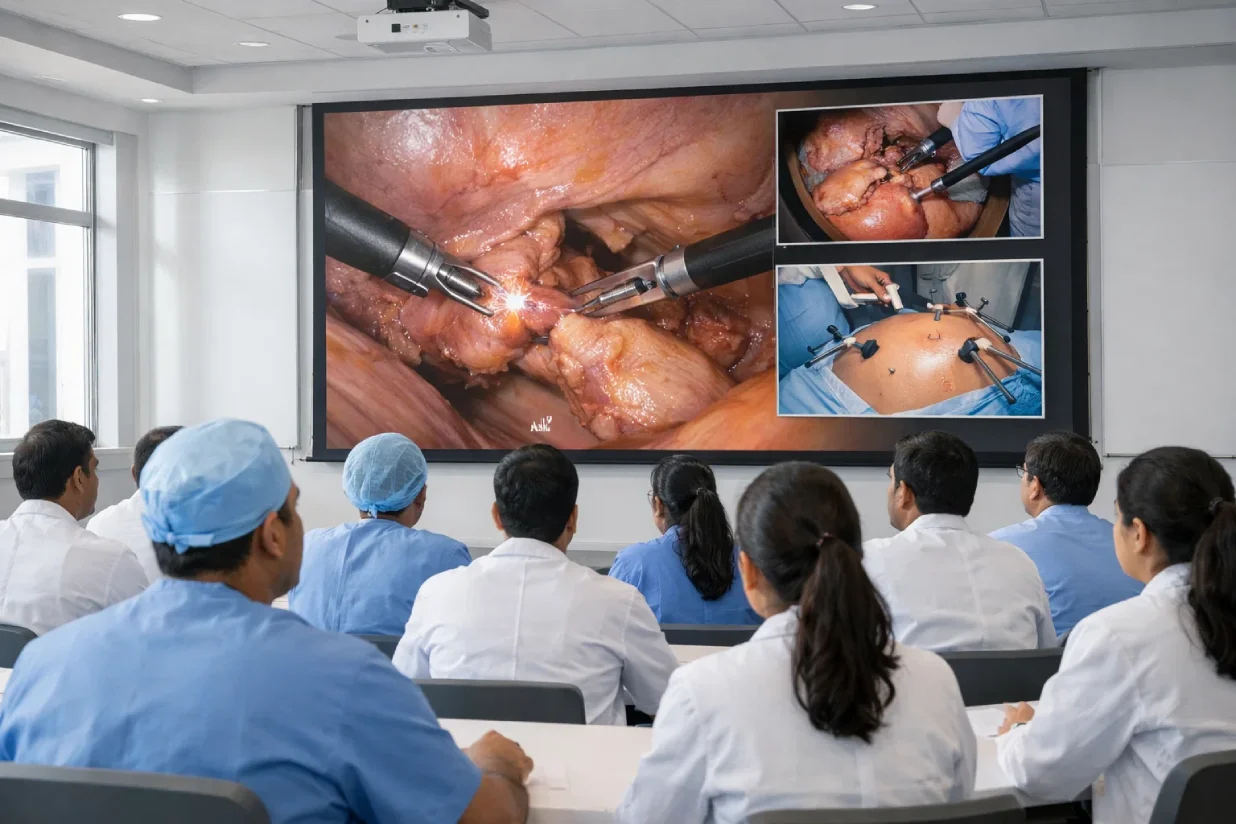
Laparoscopic surgery for endometriosis is performed under general anesthesia, which means you will be asleep and will not feel pain during the procedure. The surgeon makes a few small incisions in the abdomen, usually near the belly button, and inserts a thin instrument called a laparoscope. This instrument has a camera that projects images of your pelvic organs onto a screen, allowing the surgeon to clearly identify and treat areas affected by endometriosis.
Special instruments are then used to remove or destroy endometriotic tissue, cysts, or adhesions. In some cases, laser or heat may be applied to treat the lesions. The small incisions are closed with stitches or surgical tape, leaving minimal scarring. Most women can go home the same day or after an overnight hospital stay, depending on the complexity of the surgery.
Gynecological Laparoscopy for Endometriosis Surgery
A gynecological laparoscopy endometriosis surgery is carried out by specialists trained in minimally invasive techniques. This ensures precise treatment while reducing risks such as excessive bleeding or infection. Laparoscopy is highly effective for women who want to preserve fertility, as it carefully removes endometriosis tissue without damaging healthy reproductive organs.
At Mayflower Women’s Hospital, laparoscopic surgeries are performed with advanced equipment and a skilled team, ensuring both safety and comfort for our patients.
Recovery Timeline After Laparoscopy
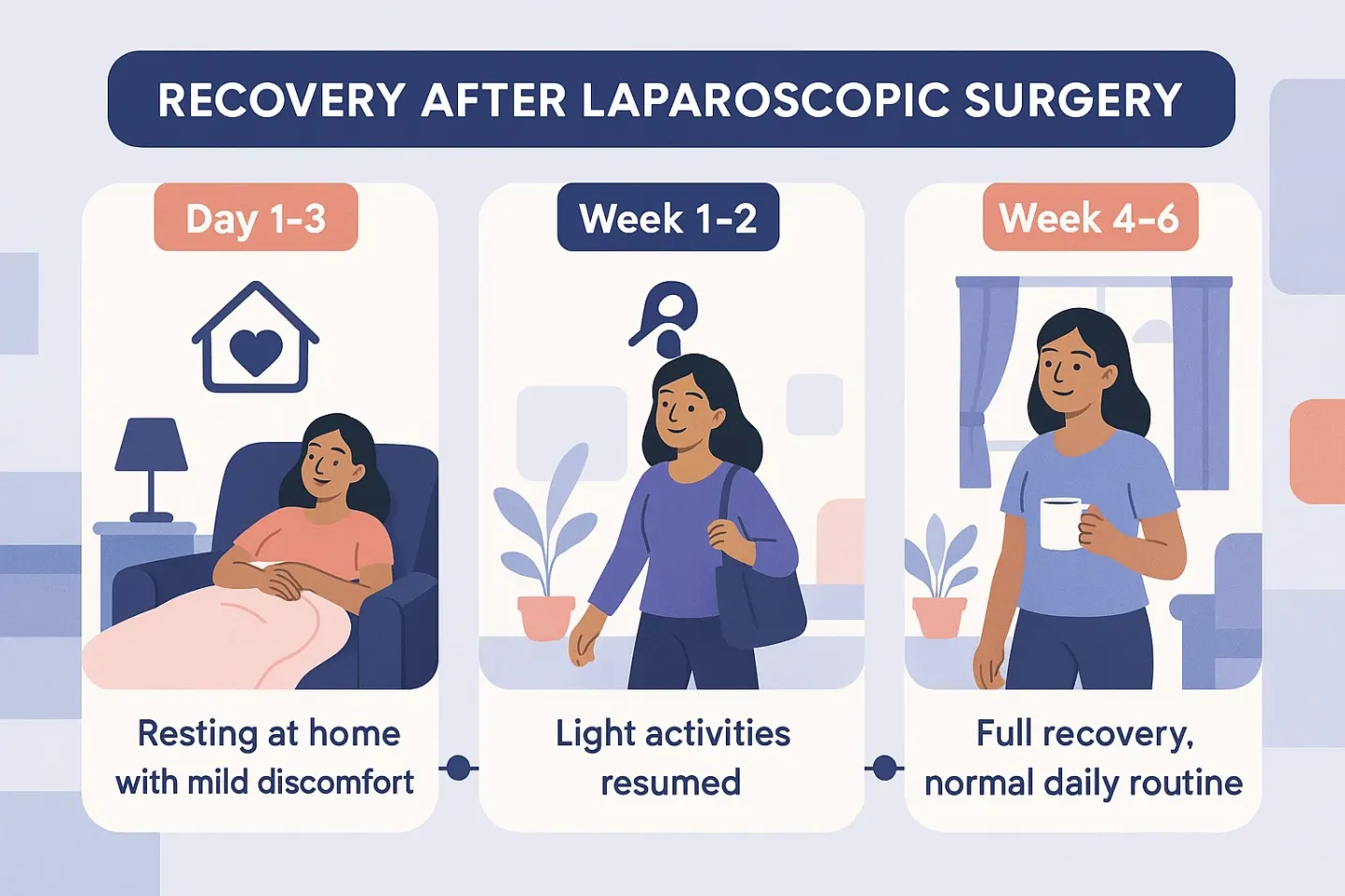
Recovery after laparoscopic surgery is generally quicker and less painful compared to open surgery. Most women are able to return home the same day or after a short hospital stay, depending on the extent of the procedure. While healing varies from person to person, there is a common timeline that many patients experience.
Endometriosis Laparoscopic Recovery Time
The usual endometriosis laparoscopic recovery time ranges from two to six weeks. In the first few days, mild abdominal pain, bloating, or shoulder discomfort from the gas used during surgery are normal. Pain gradually reduces with medications and rest. Most women resume light household or office work within one to two weeks.
First Period After Laparoscopy Endometriosis
The first period after laparoscopy endometriosis surgery may be heavier or more painful than usual. This is a temporary response as the body heals. Over the following cycles, many women notice reduced cramps and lighter bleeding. Doctors usually recommend waiting at least two weeks before resuming sexual activity or strenuous exercise.
Laparoscopy Endometriosis Recovery: What to Expect
During the laparoscopy endometriosis recovery phase, it is important to follow medical advice. Eating a balanced diet, staying hydrated, and walking gently can promote faster healing. Any unusual symptoms such as fever, severe pain, or heavy bleeding should be reported immediately to your doctor.
At Mayflower Women’s Hospital, our team provides personalized post-surgery care, including pain management plans and follow-up appointments, ensuring every patient heals safely and comfortably.
Risks, Side Effects & Limitations
Like any surgical procedure, laparoscopy for endometriosis has certain risks and possible side effects. Although it is generally safe and widely preferred, being aware of what may occur helps patients prepare realistically and seek timely medical support when needed.
Endometriosis Laparoscopy Side Effects
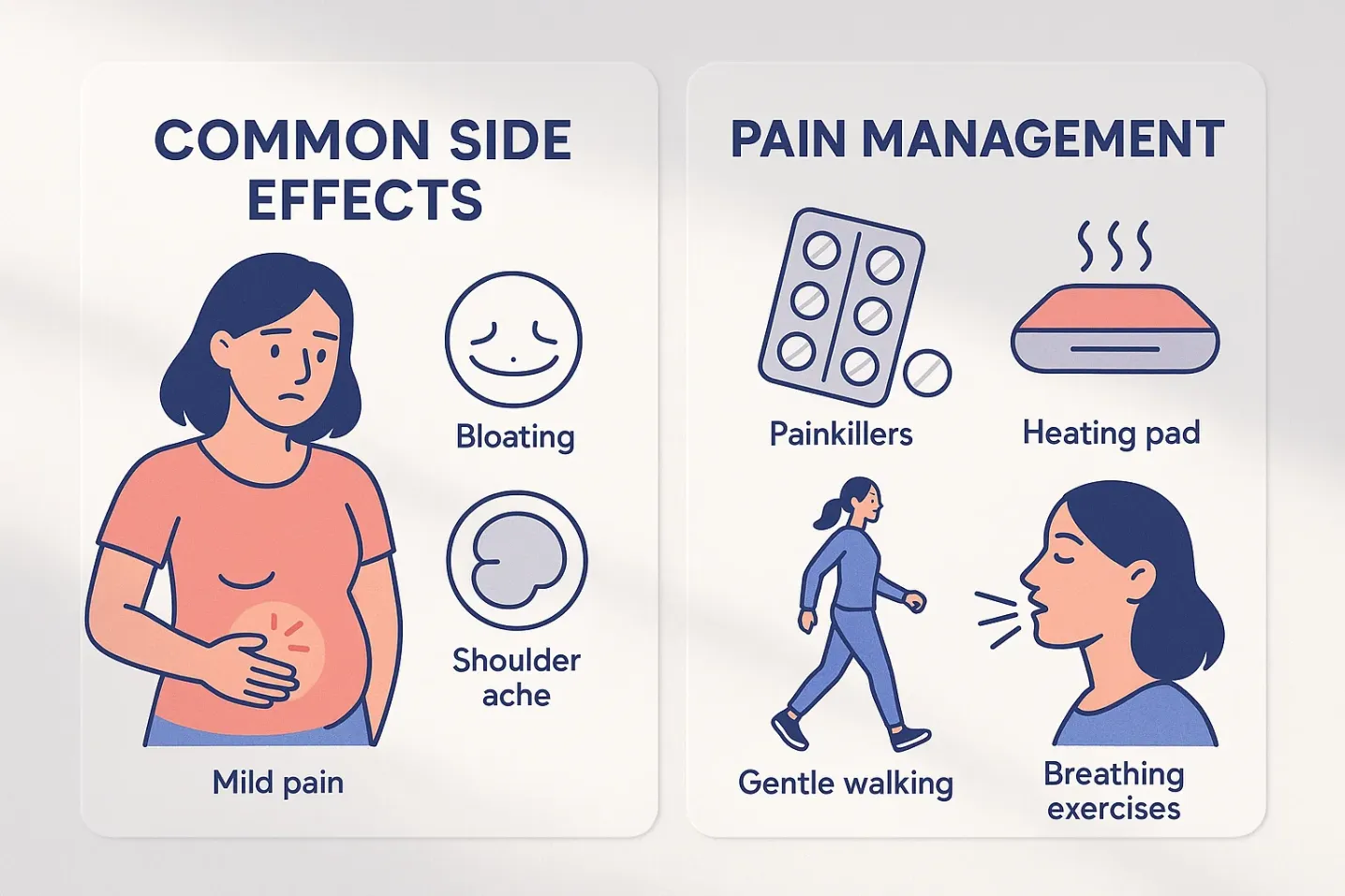
Common endometriosis laparoscopy side effects include mild abdominal pain, bloating, nausea, and fatigue for a few days after surgery. Some women may notice temporary shoulder pain caused by the gas used to inflate the abdomen during the procedure. These symptoms usually improve with rest and simple medications.
Occasionally, minor complications such as infection at the incision site or urinary discomfort can occur. Rare but more serious risks include internal bleeding, injury to surrounding organs, or anesthesia-related issues. These are uncommon when surgery is performed by experienced gynecological specialists.
Endometriosis Laparoscopy Pain Management
Effective endometriosis laparoscopy pain management is an important part of recovery. Doctors may prescribe mild painkillers or anti-inflammatory medicines for the first few days. Gentle walking, using a heating pad, and practicing relaxation techniques like deep breathing or meditation can also help reduce discomfort.
Limitations of Laparoscopy
While laparoscopy can remove or destroy visible endometriotic tissue, it may not always eliminate microscopic lesions. This means symptoms could return in some women, especially if the disease is severe. However, laparoscopy remains the most effective option for diagnosis, long-term pain relief, and improving fertility outcomes.
At Mayflower Women’s Hospital, laparoscopic procedures are performed using advanced technology with strict safety protocols, ensuring patients experience the best possible outcomes with minimal risks.
Success Rates & Long-Term Outcomes
Laparoscopic surgery for endometriosis offers significant relief for many women, but outcomes vary depending on the severity of the disease and individual health factors. Understanding what results to expect helps patients make informed choices about their treatment journey.
Pain Relief and Symptom Control
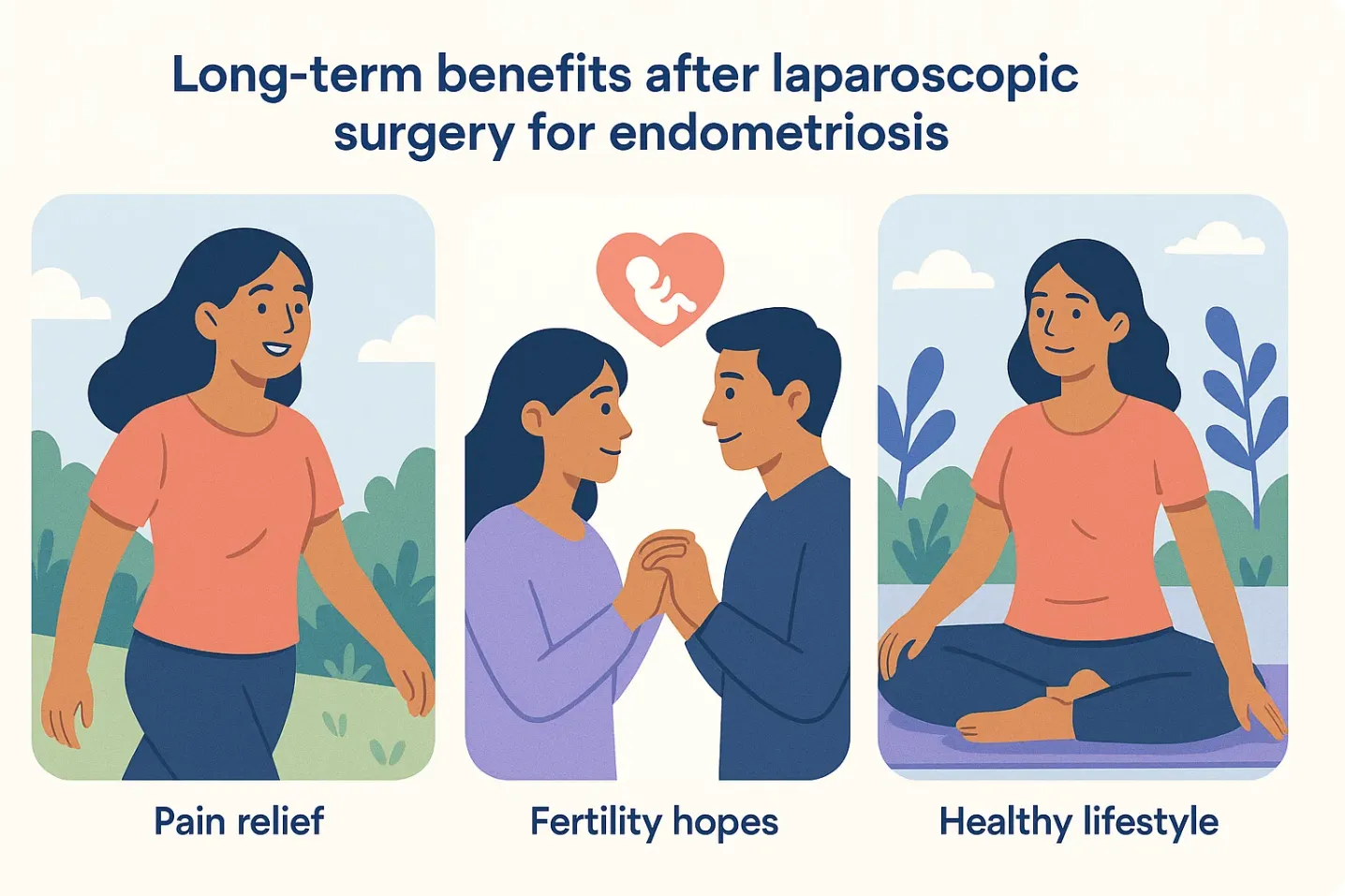
Studies show that most women experience substantial improvement in pelvic pain, painful periods, and discomfort during daily activities after laparoscopy. For mild to moderate disease, success rates are especially high, with many patients reporting reduced symptoms for years after surgery.
Fertility Outcomes
For women struggling with infertility, laparoscopy can improve the chances of conceiving naturally or through assisted reproductive technologies. By removing endometriotic tissue and releasing adhesions, the surgery can restore the normal function of ovaries and fallopian tubes. Success rates are highest in younger women and those with less advanced disease.
Recurrence and Long-Term Management
One limitation of laparoscopy is the potential for recurrence. Research suggests that up to 20–40% of women may experience a return of symptoms within five years, especially in severe cases. However, adopting a healthy lifestyle, following medical advice, and attending regular follow-ups can help maintain long-term benefits.
At Mayflower Women’s Hospital, our gynecological team not only focuses on immediate surgical success but also provides ongoing support to help women manage endometriosis as a chronic condition—improving overall quality of life.
Costs and Accessibility in India
The cost of laparoscopic surgery for endometriosis can vary depending on several factors, such as the hospital, the expertise of the surgeon, the severity of the disease, and whether additional procedures are required during surgery. On average, the endometriosis laparoscopy cost in India ranges between ₹70,000 and ₹1,50,000. This estimate usually covers hospitalization, anesthesia, surgical fees, and immediate post-operative care, but the final cost depends on care needed as per the condition of the patient and other factors.
Private hospitals with advanced equipment and specialized gynecology departments may charge more, but they often provide higher safety standards and better recovery support. Costs may also differ based on the city where the surgery is performed.
While laparoscopy may seem expensive, it is often more cost-effective than repeated medical treatments that only offer temporary relief. For women facing severe pain or fertility challenges, the investment in surgery can significantly improve quality of life and long-term health outcomes.
At Mayflower Women’s Hospital, we strive to provide affordable and transparent care. Our Mayflower endometriosis laparoscopy services combine advanced technology, compassionate specialists, and patient-friendly pricing. From the first consultation to post-surgery follow-ups, patients receive comprehensive support tailored to their needs.
Comparison with Other Treatment Options
Women with endometriosis often explore different treatment options before deciding on surgery. The choice depends on the severity of symptoms, age, fertility goals, and how much daily life is being affected.
Medications vs Laparoscopy
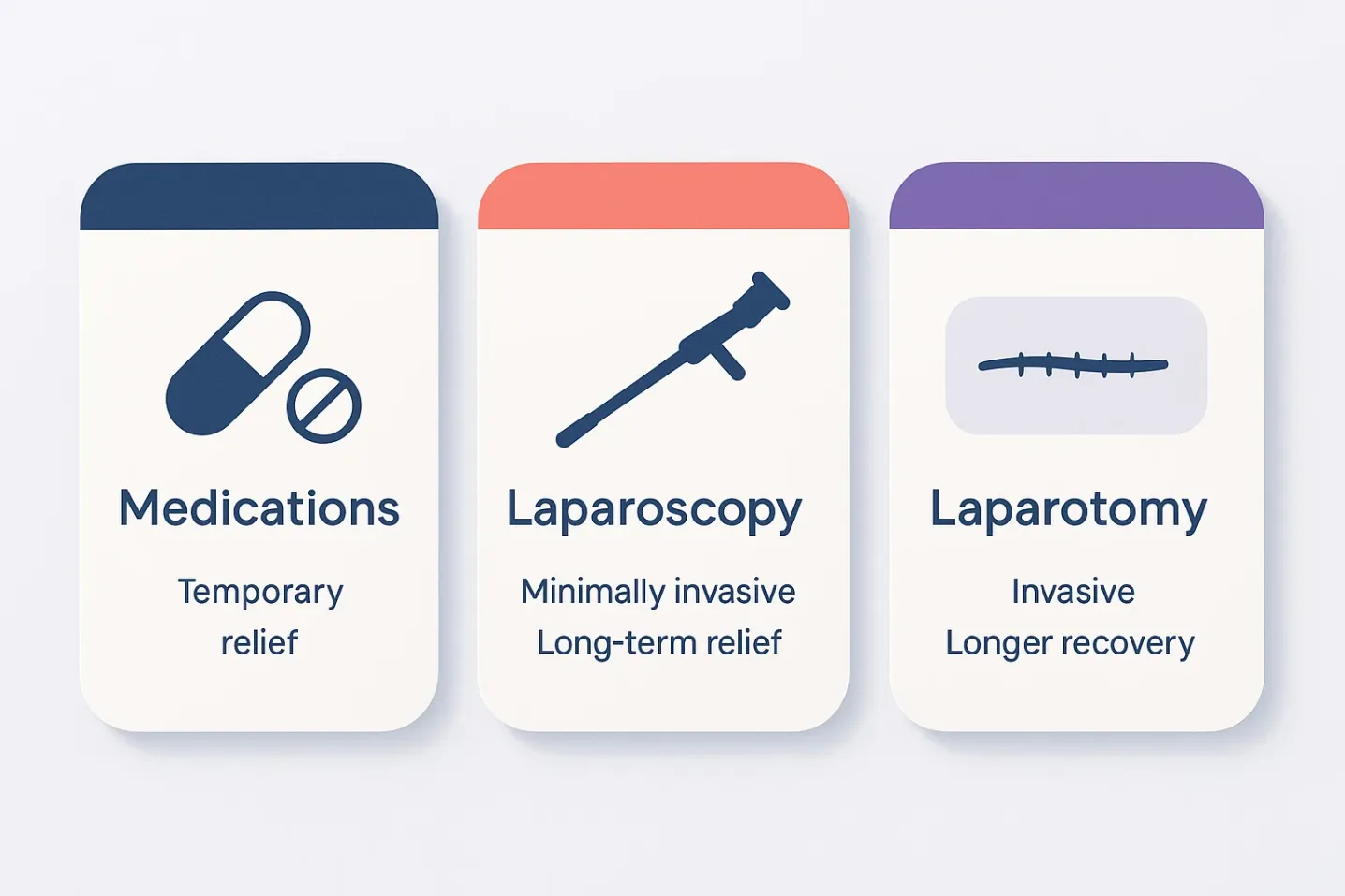
Medications such as pain relievers and hormonal therapies can temporarily reduce symptoms by slowing the growth of endometriotic tissue. However, they do not remove the disease itself. Once the medication is stopped, symptoms often return. In contrast, laparoscopy directly removes or destroys endometriosis lesions, offering longer-term relief.
Laparoscopy vs Laparotomy
Another important comparison is laparoscopy vs laparotomy endometriosis. Laparoscopy is minimally invasive, involves small incisions, and allows faster healing with minimal scarring. Laparotomy, or open surgery, requires a larger incision in the abdomen. This means longer hospital stays, higher risk of complications, and a more painful recovery. Today, laparotomy is reserved for very severe or complex cases, while laparoscopy is preferred in most situations.
Laparoscopy vs Non-Surgical Approaches
Non-surgical approaches such as diet adjustments, yoga, or natural remedies may help manage pain but are supportive rather than curative. These methods work best when combined with medical or surgical treatment under the guidance of a gynecologist.
At Mayflower Women’s Hospital, our specialists carefully evaluate every patient to suggest the most effective and personalized treatment plan—whether that involves laparoscopy or other supportive options.
Patient Journey at Mayflower
Undergoing surgery can feel overwhelming, but knowing what to expect at the hospital helps patients feel reassured. At Mayflower Women’s Hospital, every step of the laparoscopic journey is guided by a compassionate and experienced care team.
Admission and Pre-Surgery Care
On the day of admission, patients are welcomed by the nursing staff and guided through pre-surgery checks such as vital monitoring and anesthesia preparation. The gynecology team reviews the treatment plan once again, ensuring clarity and comfort before the procedure begins.
During Hospital Stay
Most laparoscopic surgeries for endometriosis are completed within a few hours. Patients are moved to a recovery room where vital signs and comfort levels are closely monitored. In many cases, discharge is possible the same day, while some women may stay overnight for additional observation.
Post-Surgery Support and Follow-Up
Recovery does not end at discharge. Mayflower provides structured follow-up appointments to track healing and address concerns such as pain, side effects, or fertility planning. Our staff also offers advice on diet, physical activity, and emotional wellbeing after surgery.
With advanced technology, skilled gynecological surgeons, and a patient-first approach, Mayflower Women’s Hospital ensures that each woman receives not just treatment but complete care for long-term health and confidence.
Frequently Asked Questions
Most women recover within two to six weeks, depending on the severity of surgery. Light activities can usually be resumed after one to two weeks, while complete healing may take four to six weeks. Following your doctor’s advice helps ensure a smooth recovery.
Mild abdominal pain, bloating, nausea, or shoulder pain are common endometriosis laparoscopy side effects. These usually resolve in a few days with rest and pain management. Rare complications like infection or heavy bleeding should be reported immediately to your doctor.
Yes, in most cases. Laparoscopy uses small incisions, offers faster recovery, and leaves minimal scarring. Laparotomy is an open surgery with a larger incision, requiring a longer hospital stay. It is only chosen in very severe or complex cases.
The first period after laparoscopy endometriosis may be slightly heavier or more painful than usual. This is temporary, and symptoms usually improve over the next few cycles. Regular follow-up with your doctor ensures proper healing and menstrual recovery.
The endometriosis laparoscopy cost in India generally ranges from ₹70,000 to ₹1,50,000, depending on hospital facilities, surgeon expertise, and case complexity. At Mayflower Women’s Hospital, patients receive transparent pricing along with complete pre- and post-surgery care.
Conclusion
Laparoscopic surgery for endometriosis is one of the most effective ways to relieve pain, improve fertility, and enhance quality of life. By understanding what to expect before, during, and after the procedure, women can approach treatment with greater confidence and peace of mind.
From preparation and recovery to risks, costs, and long-term outcomes, laparoscopy offers many benefits compared to other options. While no surgery is without limitations, laparoscopy remains the preferred approach because of its safety, precision, and faster healing.
At Mayflower Women’s Hospital, our gynecological specialists combine advanced surgical expertise with compassionate, patient-focused care. Whether you are preparing for surgery or exploring treatment options, our team is here to guide you every step of the way.
Book a consultation today and take the first step towards managing endometriosis with expert care at Mayflower.