




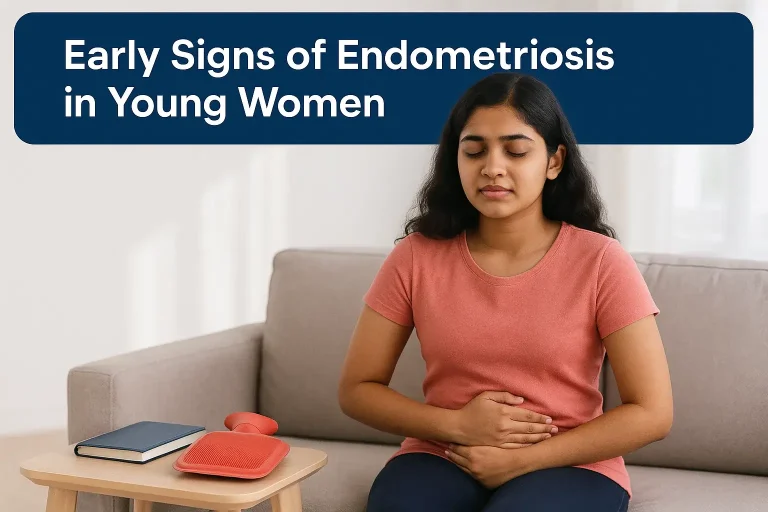
Early signs of endometriosis often begin during the teenage years, yet they are frequently mistaken for common menstrual discomfort. For many young women, this condition develops silently and progresses without timely recognition, leading to years of unnecessary pain. Endometriosis occurs when tissue similar to the lining of the uterus grows outside it, causing inflammation, scarring, and in some cases fertility challenges.
Recognizing these early signs is essential. Symptoms such as severe cramps, heavy bleeding, digestive upset, or persistent fatigue are not just “part of growing up.” When addressed early, they can be managed effectively, improving quality of life and safeguarding future reproductive health.
At Mayflower Women’s Hospital, we understand the unique challenges teenagers and their families face when navigating these symptoms. By raising awareness, encouraging timely diagnosis, and offering compassionate care, we aim to ensure young women receive the support they deserve from the very beginning.
Understanding Endometriosis in Young Women
What is Endometriosis?
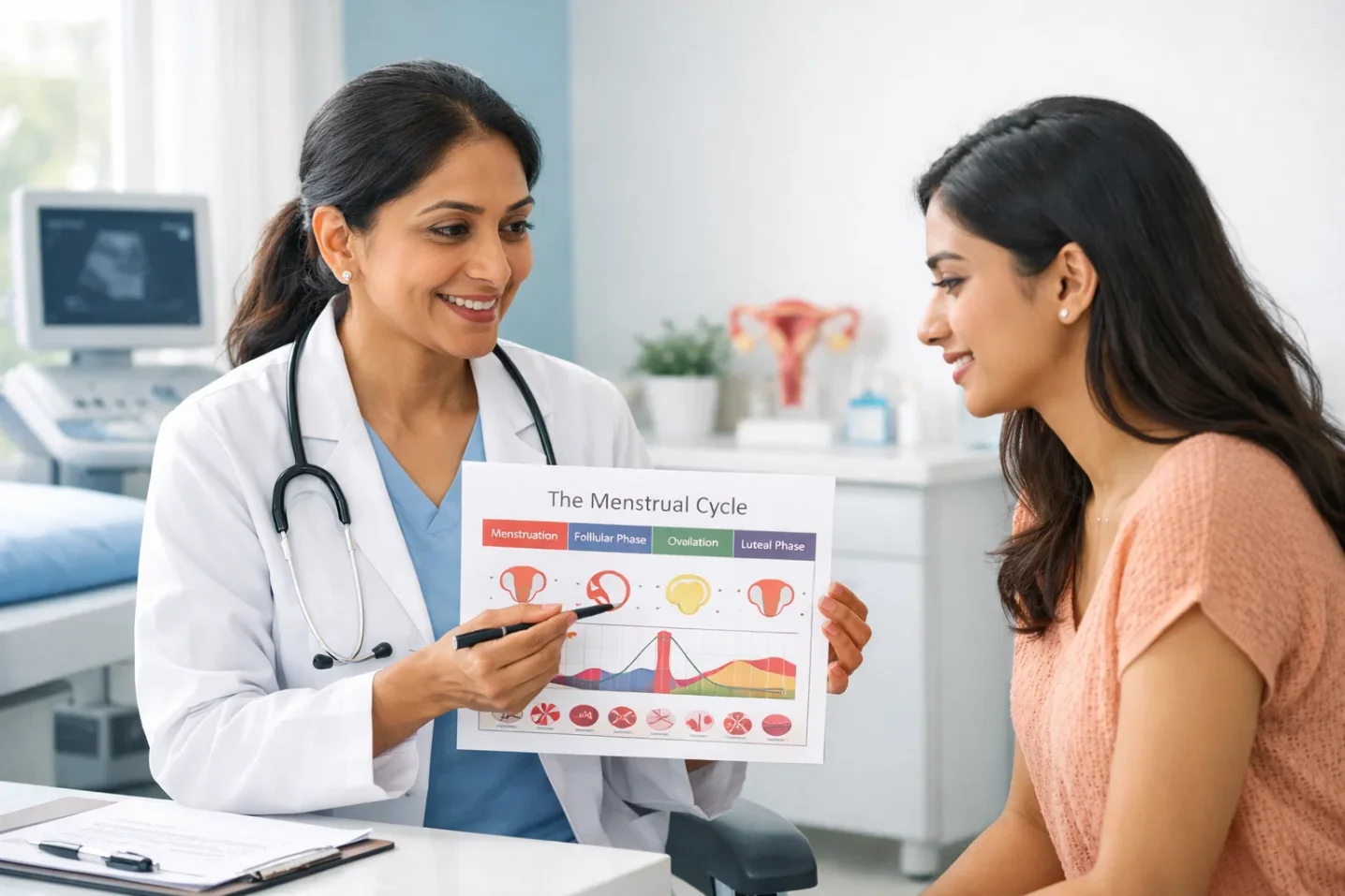
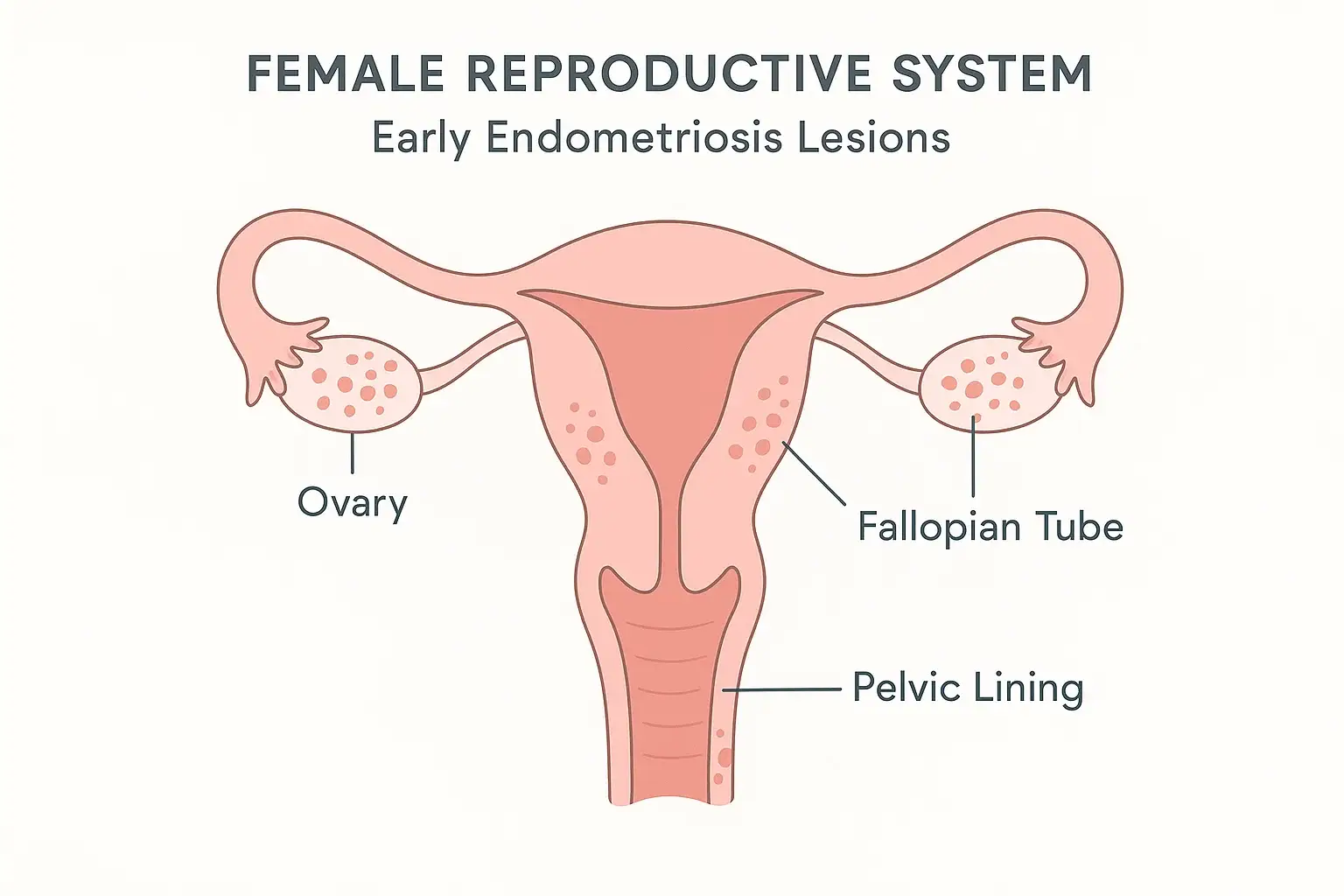
Endometriosis is a chronic condition where tissue similar to the uterine lining grows outside the uterus, often on the ovaries, fallopian tubes, or pelvic lining. These misplaced tissues respond to hormonal changes during the menstrual cycle, leading to inflammation, scarring, and pain. For young women and teenagers, this can mean unusually severe cramps, heavy periods, and discomfort that interferes with daily activities. Understanding this early can make a critical difference in long-term health.
When Does Endometriosis Start?
Research shows that endometriosis often begins in the teenage years, sometimes soon after a girl’s first period. While symptoms may be subtle at first, they tend to become more intense over time. This is why parents and young women should not dismiss persistent or worsening menstrual pain as “normal.” Recognizing that endometriosis can start early helps reduce delays in diagnosis.
Why Awareness Matters for Teenagers
Many teenagers suffer in silence because they believe their pain is typical or fear being misunderstood. Lack of awareness often leads to years of untreated symptoms. Raising awareness ensures teenagers receive timely medical advice, support, and care. At Mayflower Women’s Hospital, we emphasize early intervention to reduce suffering and protect fertility for the future.
Early Signs of Endometriosis in Teenagers
Painful Periods in Teenagers and When to Worry
While mild cramps are common during menstruation, pain that disrupts school, sports, or daily life may signal something more serious. Teenagers with endometriosis often experience intense cramps that don’t improve with over-the-counter medication. These painful periods may also be accompanied by nausea, backache, or heavy bleeding-signs worth discussing with a gynecologist.
First Signs of Endometriosis in Teens
The earliest indicators often appear as persistent pelvic pain before and during periods. Some girls may notice fatigue, difficulty concentrating in class, or repeated absences from school. Unlike routine discomfort, this pain is cyclical, intense, and sometimes progressive, becoming worse with time. Recognizing these first signs is essential to avoid delays in treatment.
Symptoms Beyond Period Pain
Endometriosis in teenagers doesn’t always present as painful periods alone. Other early signs can include digestive problems such as bloating, constipation, or diarrhea, as well as pain during physical activities. Emotional changes like irritability or low mood linked to ongoing pain may also appear. These symptoms, when seen together, provide early clues that go beyond typical menstrual discomfort.

Period Pain vs Endometriosis Pain: How to Tell the Difference
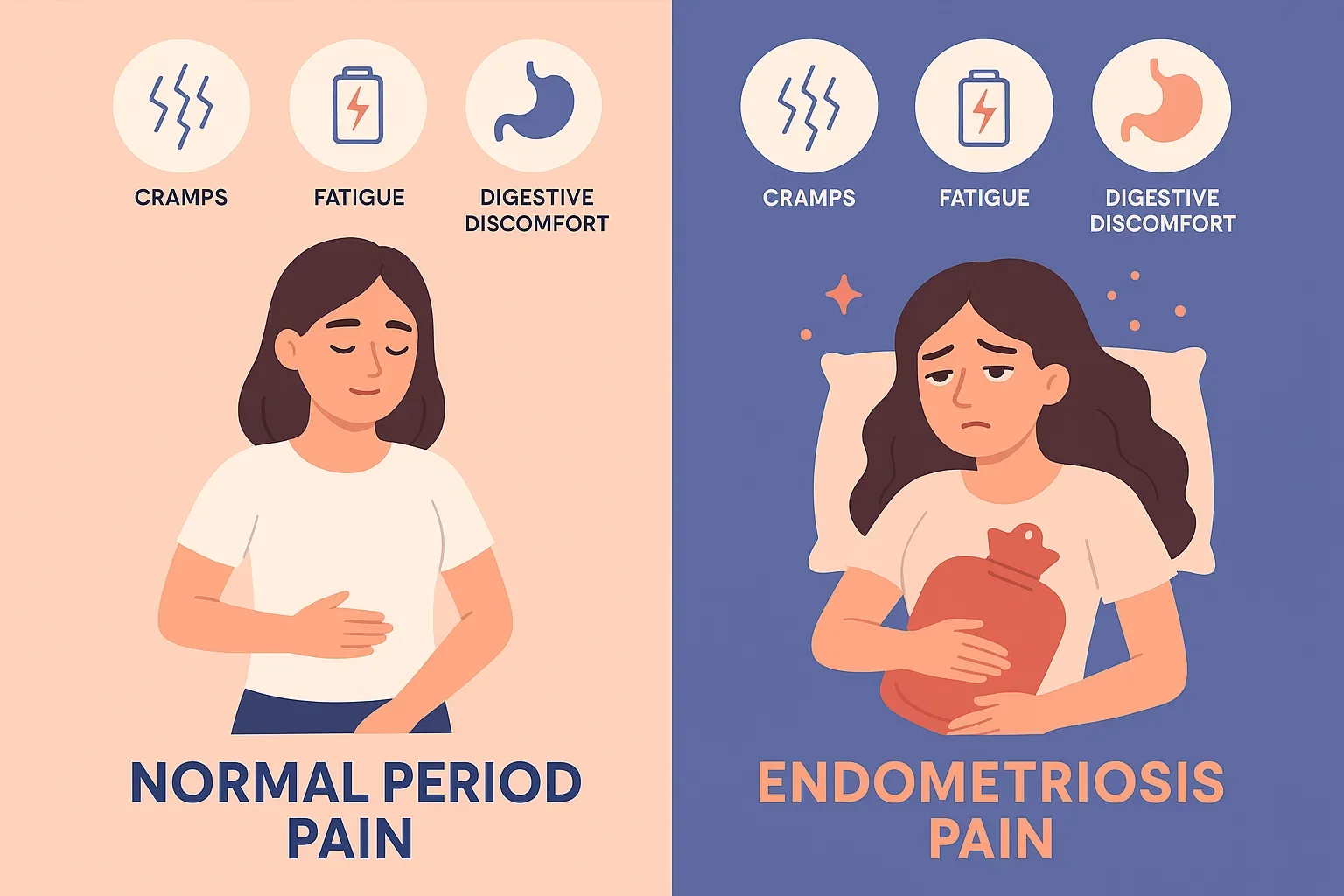
Many young women believe that severe menstrual pain is normal, which often delays endometriosis diagnosis. While mild cramps are common during periods, endometriosis pain is usually more intense, persistent, and disruptive. Understanding the difference helps parents and teenagers recognize when to seek medical help.
| Aspect | Normal Period Pain | Endometriosis Pain |
| Onset | Begins with menstruation, lasts 1–2 days | May begin before period, worsen during, and last several days |
| Intensity | Mild to moderate; relieved with rest or medication | Severe; often unresponsive to regular painkillers |
| Location | Lower abdomen and back | Abdomen, pelvis, lower back, sometimes legs |
| Associated Symptoms | Mild fatigue, occasional mood changes | Heavy bleeding, digestive problems, nausea, persistent fatigue |
| Impact on Daily Life | Usually manageable; school/work continues | Interferes with studies, activities, and social life |
If pain is severe, recurring, or impacting quality of life, it should not be dismissed as “normal.” At Mayflower Women’s Hospital, specialists help young women identify whether symptoms suggest endometriosis, ensuring accurate diagnosis and early relief.
Common Symptoms of Endometriosis in Young Women
Early Period Pain and Endometriosis
One of the most consistent warning signs is severe menstrual pain that worsens over time. Unlike normal cramps, this discomfort can start days before the period and last well beyond it. For young women, this may also bring heavy bleeding, clotting, or sharp lower back pain, which can affect school attendance and social life.
Endometriosis Symptoms in Young Women
Endometriosis is more than painful periods. Common symptoms include chronic pelvic pain, bloating, painful bowel movements, or discomfort during physical activities. Some women also experience persistent fatigue and mood changes due to constant pain. These signs, when combined, provide a clearer picture of the condition in its early stages.
How to Know if You Have Endometriosis
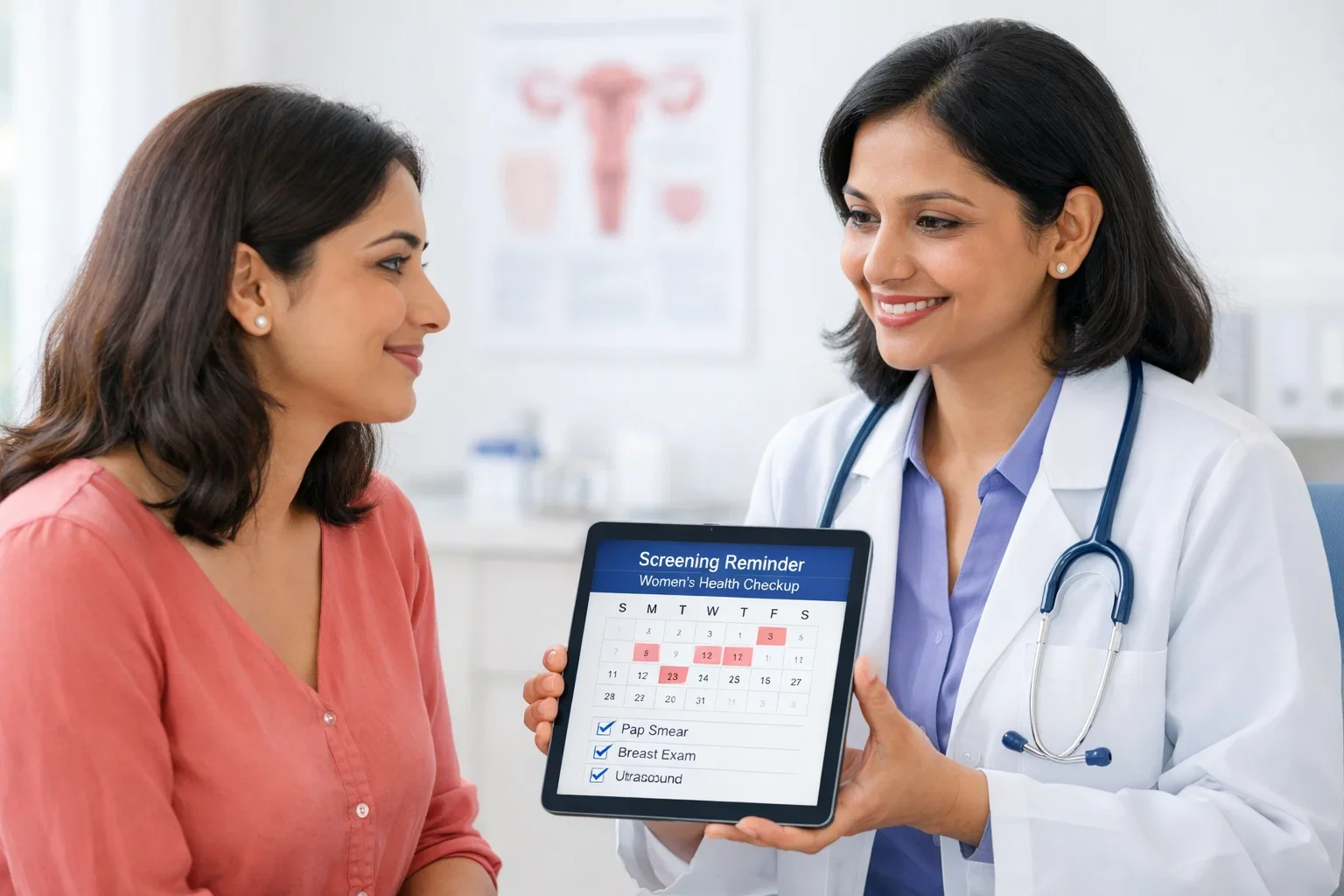
If pain consistently disrupts daily life, if over-the-counter medicines do not help, or if symptoms keep worsening, it may be a sign of endometriosis. Keeping a symptom diary can help track patterns such as timing, intensity, and associated issues. Sharing this record with a gynecologist at Mayflower Women’s Hospital supports quicker diagnosis and effective care.
The Emotional and Social Impact of Endometriosis in Young Women
School and Academic Performance
Young women with untreated endometriosis may miss classes frequently due to severe pain and fatigue. Concentration during lessons and exams often suffers, leading to stress about falling behind academically. This can cause anxiety, frustration, and a sense of isolation from peers who don’t share the same struggles.
Emotional Well-Being and Mental Health
Living with persistent pain at a young age can affect emotional health. Teenagers may feel misunderstood or dismissed when their discomfort is labeled as “normal period pain.” Over time, this may lead to mood swings, irritability, or even symptoms of depression and anxiety. Recognizing these challenges is as important as addressing the physical symptoms.
Impact on Social Life and Self-Esteem
Endometriosis can affect a teenager’s ability to participate in sports, outings, or cultural activities. Missing out on friendships and experiences can lower self-esteem and create feelings of exclusion. Encouraging open conversations about health and providing supportive environments can help teenagers feel understood and confident.
At Mayflower Women’s Hospital, our specialists integrate both medical and emotional support, ensuring that young women receive holistic care that goes beyond physical treatment.
Importance of Early Diagnosis and Treatment
Endometriosis Diagnosis in Youth: Why It’s Often Delayed
In many cases, diagnosis is delayed because symptoms are mistaken for normal menstrual pain. Teenagers may hesitate to speak up, or parents may not realize that the pain is abnormal. Even when medical help is sought, limited awareness sometimes leads to misdiagnosis as digestive or urinary issues. This delay can mean years of unnecessary suffering.
Risks of Ignoring Early Symptoms
Ignoring early signs of endometriosis can cause symptoms to worsen over time. Untreated endometriosis may lead to the formation of cysts, adhesions, and even complications that affect fertility later in life. Chronic pain and fatigue can also affect emotional health, making early recognition even more important.
Benefits of Early Diagnosis and Management
Timely diagnosis allows doctors to provide targeted treatment-ranging from pain relief and hormone therapy to minimally invasive laparoscopic surgery. Early management helps reduce symptoms, preserve fertility, and improve overall quality of life. At Mayflower Women’s Hospital, our specialists focus on early detection strategies to protect the health and future well-being of young women.
How Young Women Can Track and Monitor Early Symptoms
Keeping a Symptom Diary
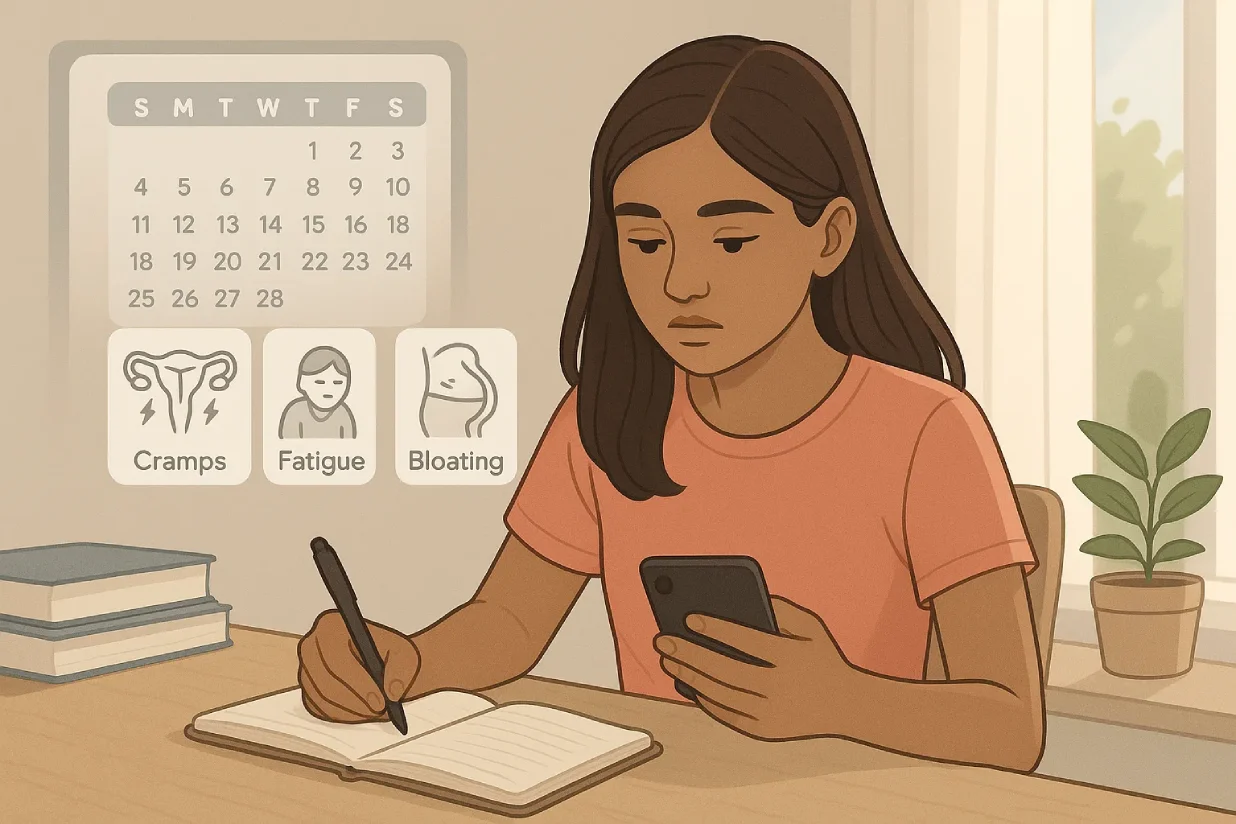
Recording pain patterns, flow intensity, and related symptoms in a diary helps identify consistent trends. Writing down the duration, severity, and triggers of pain provides valuable information for doctors during consultation. Parents can support teenagers by reviewing these records and encouraging regular updates.
Using Period-Tracking Apps
Modern health apps allow young women to track their menstrual cycles, pain levels, and associated symptoms. Many apps include features to log mood, digestion, and energy levels. These tools not only help teenagers understand their bodies better but also create a detailed record that assists doctors in making accurate diagnoses.
Identifying Triggers and Patterns
Some teenagers notice that their symptoms worsen during exams, stress, or certain dietary habits. By monitoring these triggers, they can take steps to manage them-such as practicing relaxation techniques, adjusting nutrition, or ensuring rest. Recognizing these patterns empowers young women to take proactive control of their health while awaiting medical evaluation.
How Mayflower Supports Early Endometriosis Care
Mayflower’s Holistic Endometriosis Approach
At Mayflower Women’s Hospital, we combine advanced diagnostics with a patient-friendly approach tailored to young women. From detailed consultations to state-of-the-art imaging, our team ensures that no symptom is overlooked. We prioritize minimally invasive methods to reduce discomfort and speed recovery.
Counseling and Pain Management for Teenagers
Endometriosis is not just a physical condition-it affects mental and emotional well-being too. At Mayflower, teenagers and their families have access to counseling services, pain management programs, and lifestyle guidance. These services empower young women to understand their health and cope effectively.
Fertility Protection and Long-Term Wellness
Early care can help protect fertility and reduce long-term complications. Our gynecologists specialize in fertility-preserving treatments, ensuring that young women have the best chance of leading healthy, fulfilling lives. Through continuous monitoring and customized care plans, Mayflower supports every step of the journey-from diagnosis to long-term wellness.
Lifestyle, Support, and Coping Tips
Managing Pain Through Nutrition and Gentle Exercise
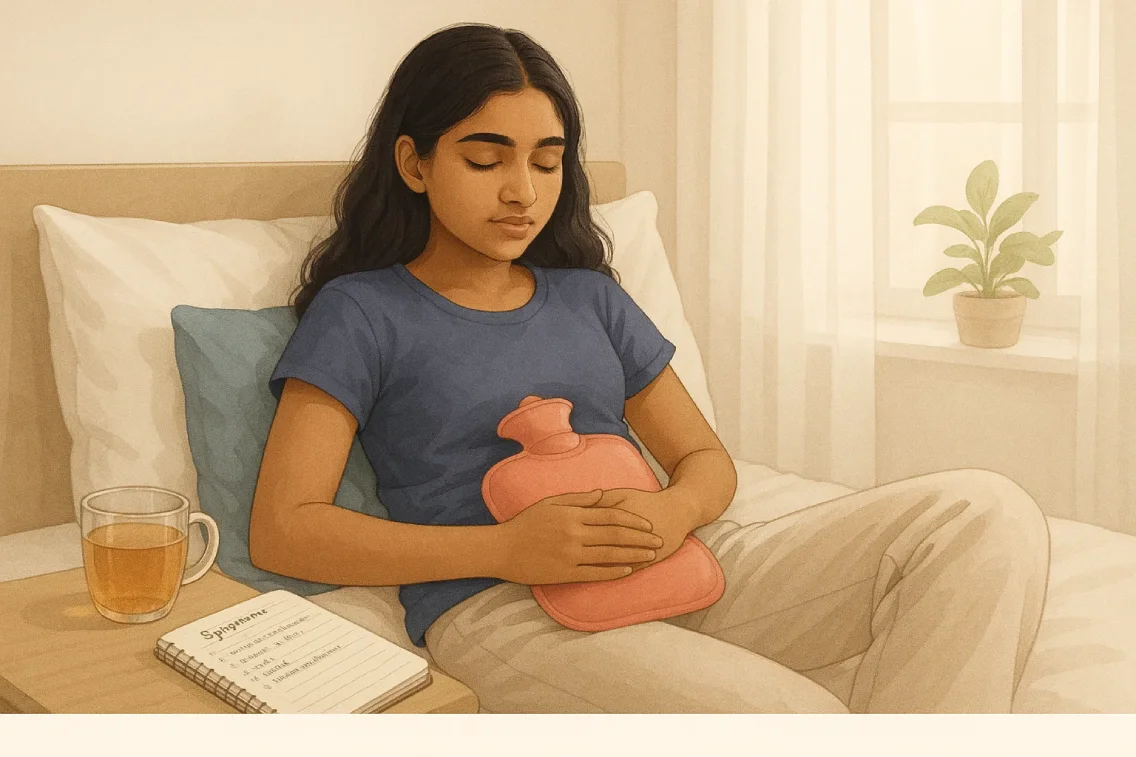
Certain lifestyle adjustments can complement medical treatment for endometriosis. A diet rich in fresh fruits, vegetables, whole grains, and anti-inflammatory foods may help reduce symptoms. Gentle exercises such as walking, stretching, or yoga improve circulation, ease cramps, and boost mood without overexertion. These small changes can make daily discomfort more manageable.
Role of Counseling and Support Groups
Emotional well-being is equally important in managing endometriosis. Counseling provides a safe space for young women to express their challenges, while support groups allow them to connect with peers who share similar experiences. Such connections help teenagers feel understood and less isolated during difficult times.
When to Seek Medical Help
While home remedies and lifestyle strategies may ease discomfort, professional care should not be delayed if pain is severe or symptoms keep worsening. Persistent pelvic pain, heavy bleeding, or extreme fatigue are all signs that medical evaluation is necessary. At Mayflower Women’s Hospital, timely consultation ensures that young women receive the right treatment before complications arise.
Why Choose Mayflower for Early Endometriosis Care
Comprehensive Expertise
Mayflower Women’s Hospital is a trusted center for women’s health, with specialists experienced in diagnosing and treating endometriosis at all stages. Our team understands the unique challenges faced by teenagers and young women, ensuring compassionate and accurate care from the very first consultation.
Advanced Diagnostics and Minimally Invasive Treatments
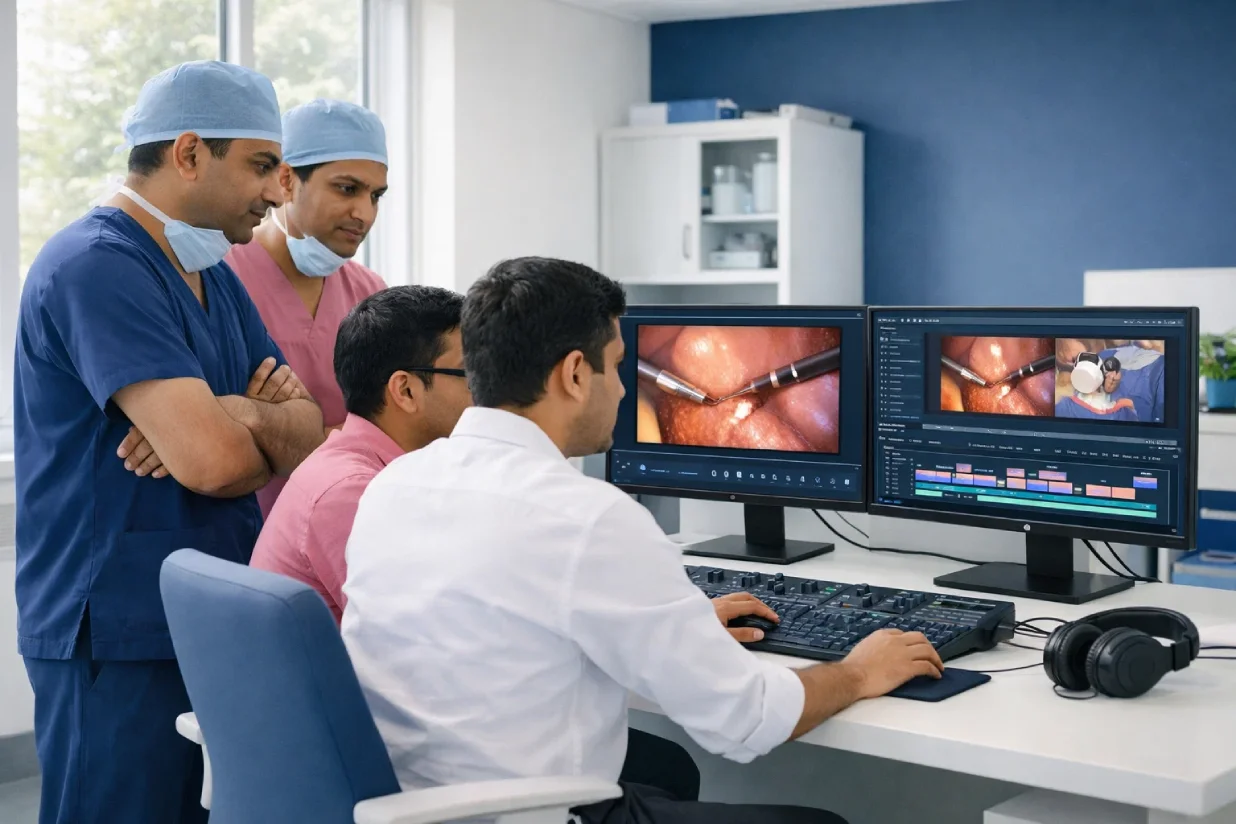
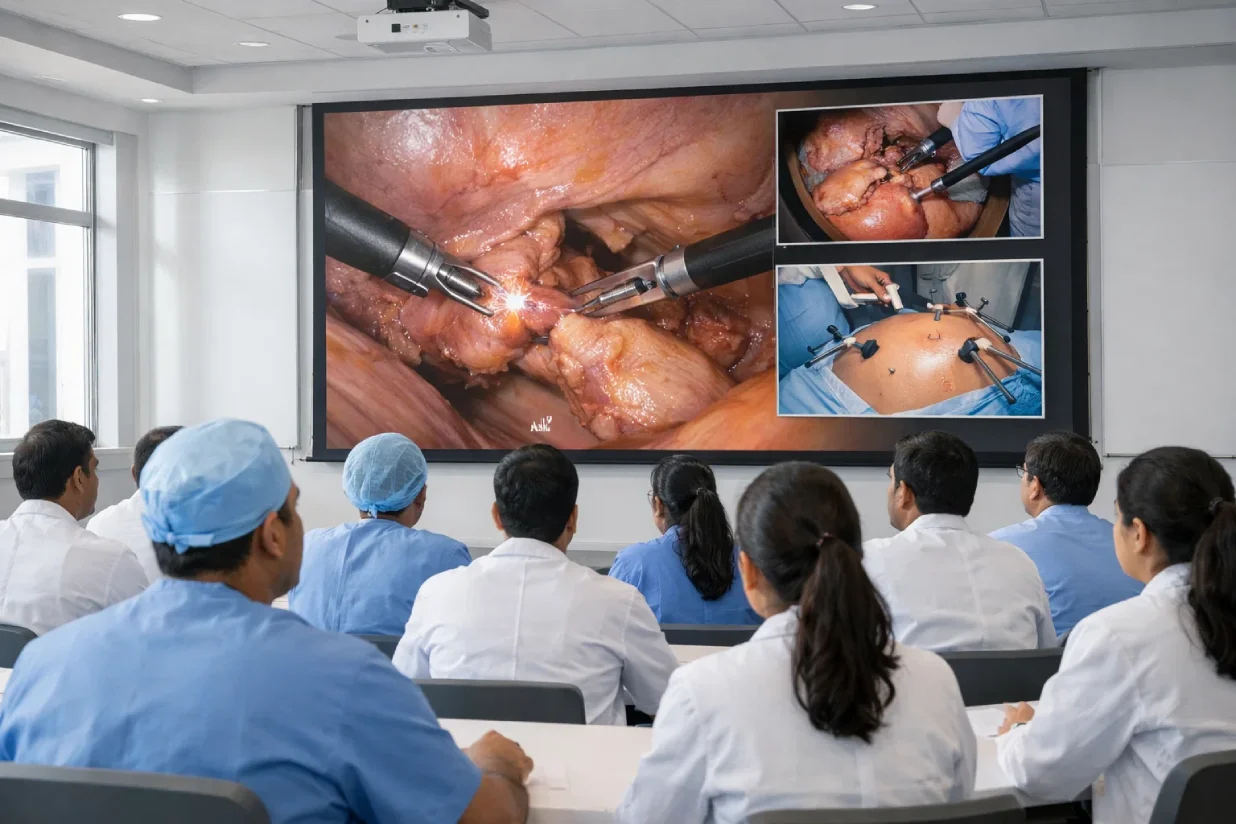
We use advanced imaging, laparoscopy, and evidence-led diagnostic methods to detect endometriosis early. Minimally invasive techniques are prioritized, reducing recovery time and allowing young women to return to studies, sports, and social activities faster.
Patient-Centered Support
At Mayflower, care goes beyond treatment. Our holistic approach includes counseling, nutrition guidance, pain management, and fertility-preserving strategies. Families can trust that their daughters are supported not just medically but also emotionally and socially.
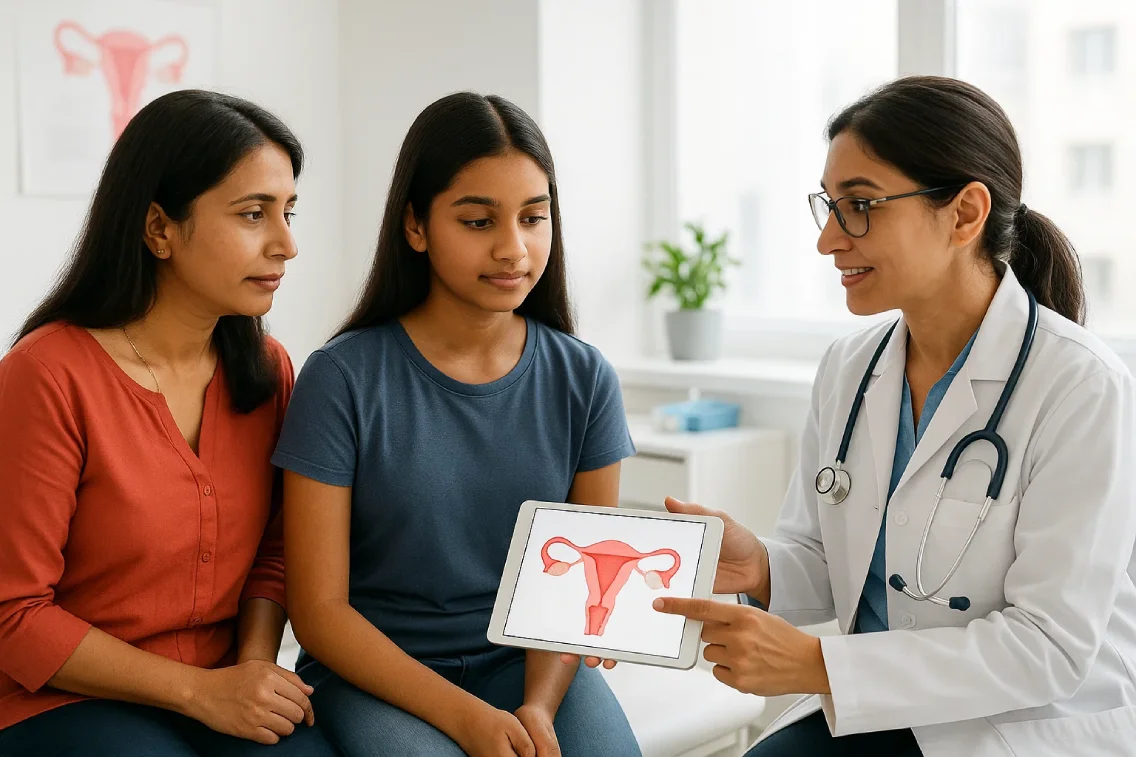
If you or your teenager is experiencing symptoms that may signal early endometriosis, consult the experts at Mayflower Women’s Hospital. Early care can transform health, comfort, and confidence for the future.
Conclusion
Recognizing the early signs of endometriosis can make a life-changing difference for young women and teenagers. While painful periods, fatigue, or digestive issues are often dismissed as normal, they may signal a deeper condition that requires attention. Early diagnosis not only relieves daily discomfort but also safeguards long-term fertility and overall well-being.
At Mayflower Women’s Hospital, we are committed to providing compassionate, evidence-led care for young women facing these challenges. From accurate diagnosis to holistic support, our specialists ensure that every patient receives guidance tailored to her needs.
If you or your loved one is experiencing symptoms linked to endometriosis, don’t wait-early care is the first step toward a healthier, more confident future.
The earliest signs often include severe menstrual cramps, heavy bleeding, fatigue, and pelvic pain that interferes with school or daily life. Unlike normal period pain, these symptoms are persistent and may worsen over time.
Diagnosis may involve a review of symptoms, pelvic examination, ultrasound, and in some cases, laparoscopy. At Mayflower, specialists use advanced imaging and minimally invasive techniques for accurate assessment.
Not always. Mild cramps are common during menstruation, but when pain is intense, frequent, and unresponsive to medication, it may point to endometriosis or another underlying condition.
Endometriosis can cause scarring and cyst formation that may affect fertility over time. Early diagnosis helps preserve reproductive health and prevents long-term complications.
Treatment options include pain management, hormonal therapy, and minimally invasive surgery. At Mayflower Women’s Hospital, care plans are personalized to each patient’s age, symptoms, and future fertility goals.