



Pregnancy diet is one of the most important factors that influence both a mother’s well-being and her baby’s development. The food choices made during these nine months directly affect energy levels, immunity, and growth outcomes. A balanced diet helps reduce common discomforts like fatigue, nausea, and constipation, while also lowering the risk of complications such as anemia, gestational diabetes, or low birth weight.
Expecting mothers often hear conflicting advice about what to eat and what to avoid. Some diets focus on increasing calories, while others emphasize restriction. In reality, nutrition during pregnancy is about balance, moderation, and choosing the right foods at the right time. Doctors recommend a mix of macronutrients (proteins, healthy fats, and complex carbohydrates) along with essential micronutrients like folic acid, calcium, and iron.
In this guide, we will explore the foundations of a healthy pregnancy diet, trimester-wise nutrition needs, foods to eat and avoid, supplements, and practical diet charts for pregnant women. We’ll also provide a realistic pregnancy meal plan designed to support Indian dietary preferences. Whether you are in your first trimester or approaching delivery, this doctor-approved roadmap will help you eat well, feel well, and prepare for safe motherhood.
Why a Healthy Pregnancy Diet Matters
A healthy pregnancy diet plays a vital role in supporting both the mother’s health and the baby’s development. During pregnancy, the body’s nutritional demands rise significantly to provide energy, build new tissues, and ensure proper growth of the fetus. Eating well-balanced meals ensures that the baby receives adequate nutrients for organ formation, brain development, and bone strength.
For the mother, good nutrition helps reduce the risk of complications such as anemia, gestational diabetes, pre-eclampsia, and excessive weight gain. It also strengthens the immune system and helps manage common pregnancy symptoms like fatigue, nausea, and constipation. Women who follow consistent pregnancy nutrition guidelines are more likely to experience smoother pregnancies, safer deliveries, and faster recovery postpartum.
Macronutrients such as proteins, carbohydrates, and healthy fats provide the fuel and building blocks needed for this critical phase. Proteins are essential for the growth of fetal tissues, while complex carbohydrates provide steady energy and support digestive health. Healthy fats, particularly omega-3 fatty acids, are vital for the baby’s brain and vision development.
Micronutrients are equally important. Folic acid helps prevent neural tube defects, iron supports the increased blood volume, calcium strengthens bones, and vitamin D enhances absorption of calcium. Without these nutrients, the risk of developmental delays or maternal health issues increases.
Overall, prioritizing a balanced, healthy pregnancy diet ensures the well-being of both mother and baby, laying the foundation for a safe pregnancy and a healthier future.
Essential Nutrition During Pregnancy
Nutrition during pregnancy is more than just eating more food—it’s about eating the right balance of nutrients at the right time. Expecting mothers require additional energy and nourishment to support the growth of the baby while maintaining their own health. Below are the essential dietary components every woman should focus on during this period.
Macronutrients for Pregnancy
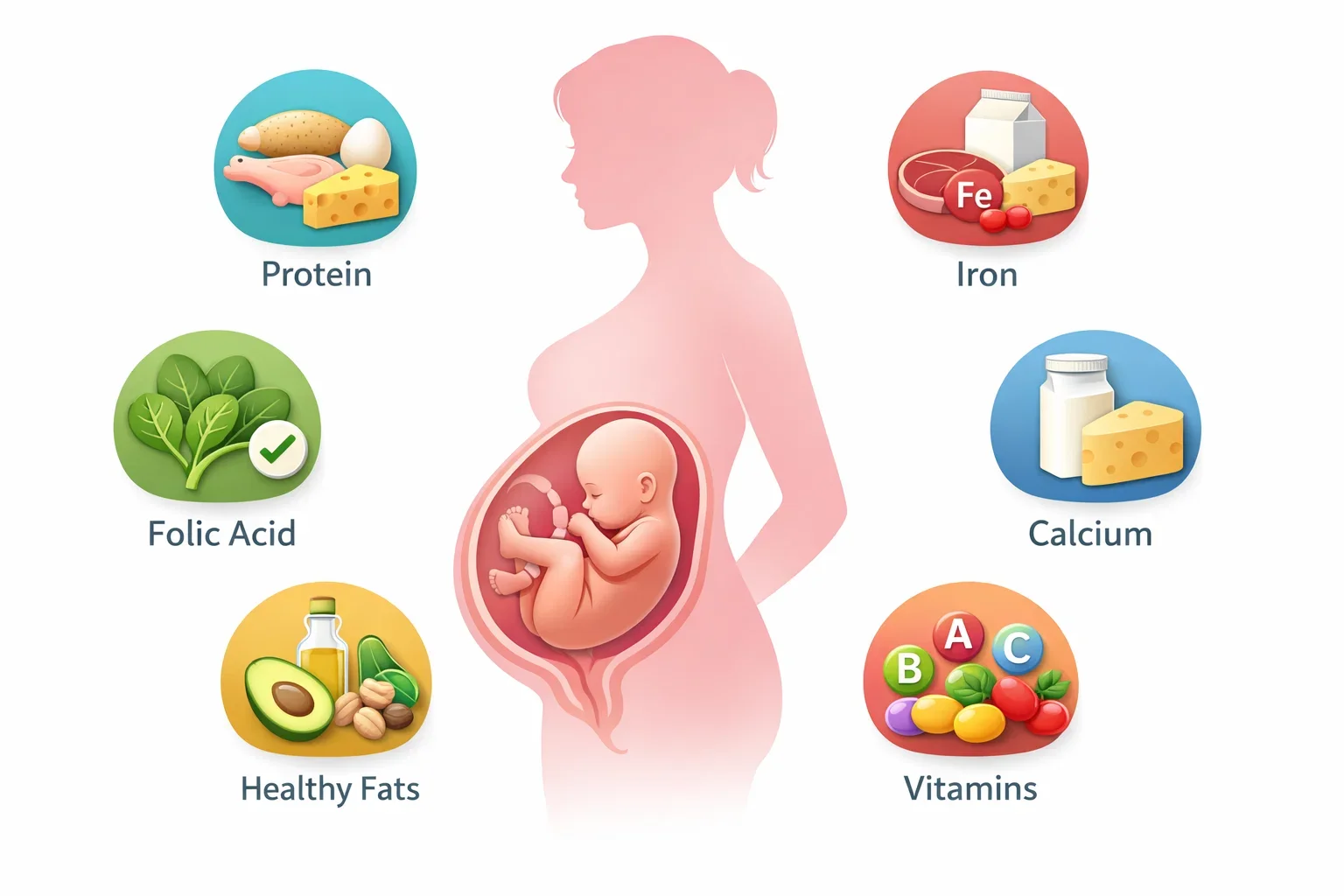
Macronutrients form the base of a healthy pregnancy diet. These include proteins, carbohydrates, and fats, each of which plays a unique role in fetal development and maternal well-being.
- Proteins: Essential for building new tissues, enzymes, and hormones. They help the baby’s organs, muscles, and overall structure develop. Sources include pulses, dairy products, eggs, lean meats, soy, and legumes.
- Carbohydrates: Provide steady energy, especially important during pregnancy when fatigue is common. Whole grains, brown rice, oats, and fruits are healthier options compared to refined carbs.
- Fats: Not all fats are harmful. Healthy fats, particularly omega-3 fatty acids and DHA, are crucial for brain and vision development. Sources include nuts, seeds, avocado, flaxseeds, and oily fish like salmon (avoiding high-mercury varieties).
Key Micronutrients
Micronutrients may be needed in smaller amounts, but their impact is enormous during pregnancy.
- Folic Acid: Prevents neural tube defects and supports early brain development.
- Iron: Needed to manage the increased blood volume and prevent anemia.
- Calcium: Strengthens bones and teeth for both mother and baby.
- Vitamin D: Works with calcium to support skeletal development.
- Iodine: Aids thyroid function, crucial for brain development.
- Zinc: Supports immune function and cell growth.
While a nutrient-rich diet should be the first source, pregnancy supplements (prenatal vitamins) prescribed by a doctor often ensure these requirements are met consistently.
Hydration & Electrolyte Balance
Staying hydrated is an often-overlooked but vital part of nutrition during pregnancy. Water supports the increased blood circulation, helps transport nutrients, and prevents dehydration-related issues such as headaches, fatigue, or constipation. Pregnant women are encouraged to drink 8–10 glasses of water daily, along with fluids like coconut water, soups, or herbal teas. Electrolytes can also be replenished naturally through fruits, vegetables, and occasional oral rehydration when needed.
Pregnancy Diet Plan by Trimester
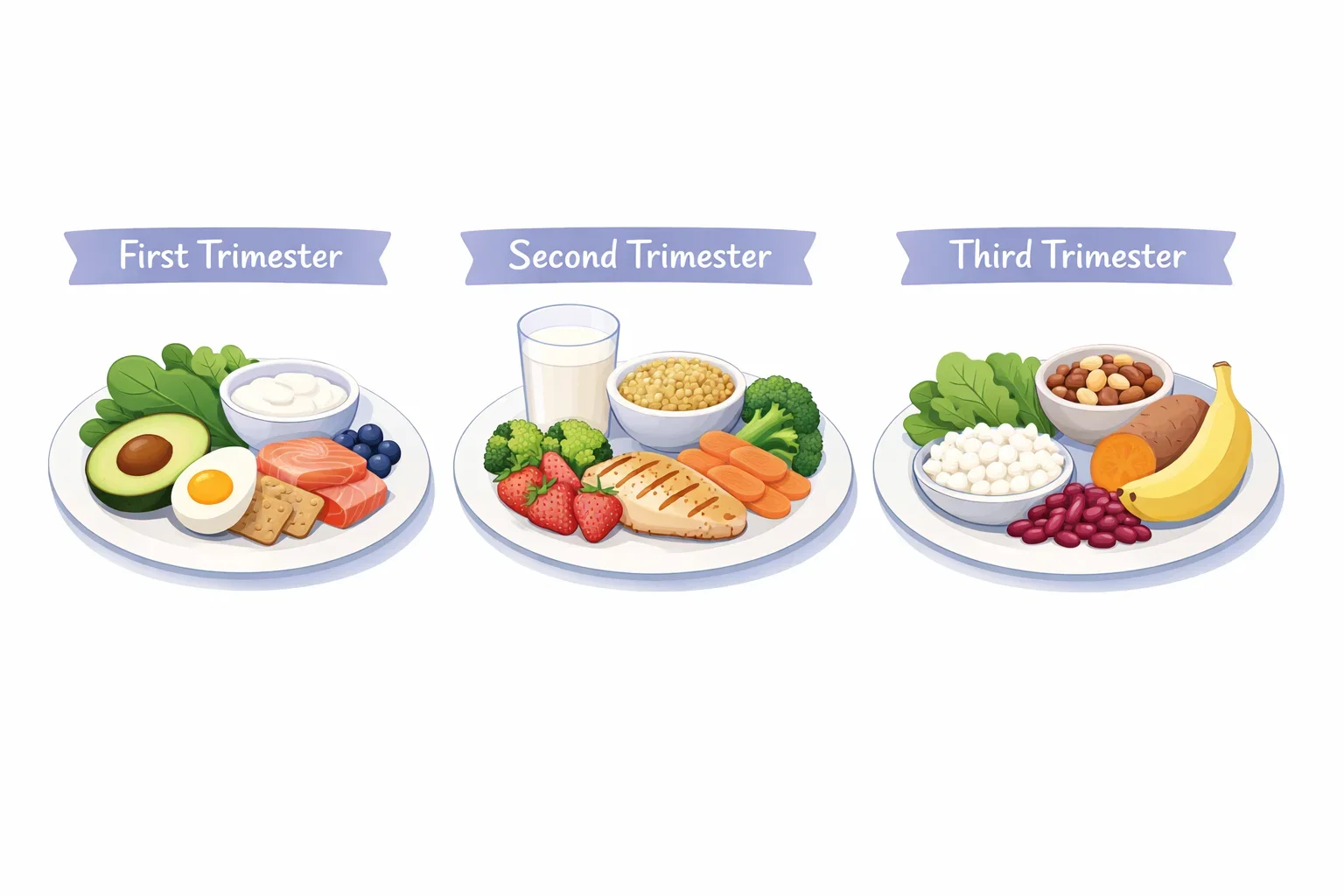
Nutritional needs change throughout the course of pregnancy. Each trimester places different demands on the mother’s body and the developing baby. Following a trimester-specific pregnancy diet plan helps ensure that these evolving requirements are met efficiently.
First Trimester Nutrition
During the first trimester, the baby’s organs begin to form. Nutritional focus should be on micronutrients more than calories, since energy needs do not increase significantly in these initial months.
- Folic Acid is critical at this stage to prevent neural tube defects. Foods such as spinach, broccoli, citrus fruits, and fortified cereals should be included daily.
- Iron helps prevent anemia and supports the rise in blood volume. Lean meats, legumes, and dark leafy vegetables are good sources.
- Many women experience nausea and food aversions. Small, frequent meals with bland options like toast, rice, or bananas can help manage morning sickness.
- Hydration is important to reduce fatigue and prevent constipation.
A well-structured first trimester nutrition plan ensures a healthy foundation for both mother and baby.
Second Trimester Diet Guidelines
The second trimester is often considered the most comfortable phase of pregnancy. By now, the baby’s bones and organs are developing rapidly, and calorie requirements increase.
- Calcium and Vitamin D become especially important to support bone growth. Dairy products, fortified soy milk, and sesame seeds are excellent sources.
- Iron-rich foods paired with vitamin C sources (like oranges or guavas) improve absorption and reduce anemia risk.
- Protein intake should be increased to aid the baby’s muscle development and maternal tissue growth.
- Healthy snacks such as nuts, yogurt, and fruit smoothies are excellent for maintaining steady energy levels.
These second-trimester diet guidelines help maintain maternal health while supporting fetal development.
Third Trimester Nutrition
The third trimester is the final stretch when the baby gains most of its body weight. Energy requirements increase significantly, and mothers often experience fatigue, heartburn, and constipation.
- Fiber-rich foods like oats, vegetables, and fruits help prevent constipation.
- Magnesium from nuts, seeds, and whole grains may reduce muscle cramps.
- Smaller, frequent meals can ease heartburn and improve digestion.
- Hydration is essential to support the higher blood volume and prevent swelling.
- Focus on easily digestible meals in the evening to improve sleep quality.
A carefully planned third trimester diet ensures the mother has enough stamina for labor and delivery, while also helping the baby gain adequate weight.
Foods to Eat During Pregnancy
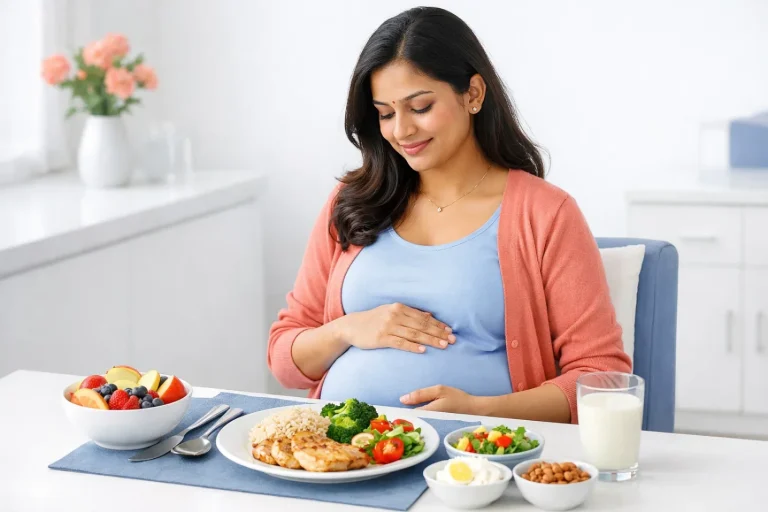
A healthy pregnancy diet should include a wide variety of nutrient-dense foods that provide energy, support fetal development, and maintain maternal health. Choosing the right foods ensures that both the mother and the baby get the vitamins, minerals, and macronutrients they need.
Whole Grains
Brown rice, oats, quinoa, and whole wheat chapatis are rich in complex carbohydrates and fiber. They provide steady energy, aid digestion, and prevent constipation, which is common during pregnancy.
Fruits and Vegetables
Colorful fruits and vegetables supply essential vitamins, minerals, antioxidants, and fiber. Leafy greens like spinach and kale provide iron and folate, while fruits such as oranges, guavas, and berries offer vitamin C for better iron absorption.
Dairy Products
Milk, yogurt, and paneer (cottage cheese) are excellent sources of calcium, vitamin D, and protein. These nutrients are vital for the development of the baby’s bones and teeth. Fortified plant-based alternatives like soy or almond milk are also suitable options for lactose-intolerant mothers.
Lean Proteins
Eggs, poultry, fish (low-mercury varieties like salmon and sardines), and legumes are essential for muscle development and tissue repair. Protein also helps maintain maternal energy levels throughout pregnancy.
Nuts and Seeds
Almonds, walnuts, flaxseeds, chia seeds, and sunflower seeds provide healthy fats and omega-3 fatty acids, which support brain and vision development in the baby.
Legumes and Pulses
Lentils, chickpeas, and beans are excellent sources of protein, iron, and folate. These foods help prevent anemia and support steady energy release.
Healthy Oils
Olive oil, mustard oil, and ghee in moderation provide healthy fats that aid nutrient absorption and support hormonal balance.
Incorporating these food groups daily creates a balanced plate that nourishes both mother and baby, ensuring a safe and smooth pregnancy journey.
Foods to Avoid During Pregnancy
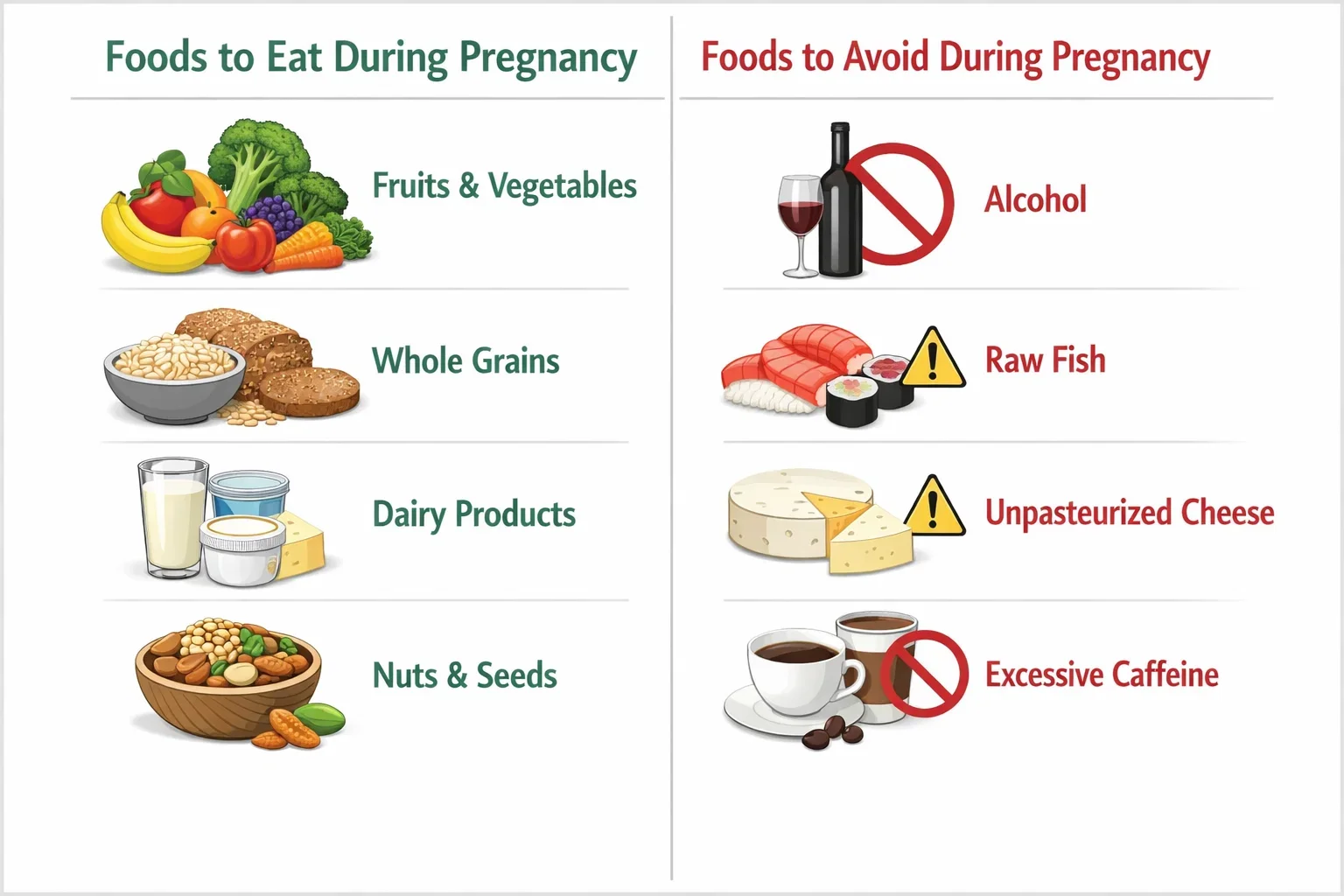
Just as there are foods that nourish and strengthen the mother and baby, there are also items that should be limited or avoided to reduce risks. Certain foods may cause infections, complications, or affect the baby’s growth. Following these pregnancy nutrition guidelines helps ensure safety throughout the nine months.
Raw or Undercooked Meats
Uncooked meats and seafood may contain harmful bacteria or parasites that can lead to foodborne illnesses. Always cook meats thoroughly before consumption.
High-Mercury Fish
Shark, swordfish, king mackerel, and certain types of tuna have high mercury levels, which can affect the baby’s brain and nervous system development. Safer alternatives include salmon, sardines, and tilapia.
Unpasteurized Dairy Products
Soft cheeses, unpasteurized milk, and curd may carry listeria, a bacteria that increases miscarriage and preterm labor risks. Opt for pasteurized and properly stored dairy products.
Excessive Caffeine
Too much caffeine increases the risk of low birth weight and miscarriage. It’s recommended to limit intake to 200 mg per day (about one cup of coffee). Safer alternatives include herbal teas and warm milk.
Alcohol
No amount of alcohol is considered safe during pregnancy. It can cause fetal alcohol syndrome and developmental issues in the baby.
Certain Fruits and Local Cautions
In the Indian context, raw papaya and excessive pineapple are best avoided, as they may trigger uterine contractions. Street food and unhygienic snacks should also be minimized to avoid infections.
By steering clear of these foods, expecting mothers can better protect their health and create a safer environment for their developing baby.
Food Safety & Hygiene Checklist
Even the healthiest diet can pose risks if food is not handled and stored properly. During pregnancy, a woman’s immune system is more vulnerable, which means foodborne illnesses can have more serious effects on both mother and baby. Following a strict food hygiene routine is as important as choosing the right foods.
Wash Thoroughly
Always wash fruits, vegetables, and greens under running water to remove dirt, pesticides, and bacteria. Soaking leafy greens in salt water for a few minutes adds an extra layer of safety.
Separate Raw and Cooked Foods
Use different cutting boards for raw meats and vegetables to prevent cross-contamination. Cooked food should never come in contact with raw ingredients.
Cook at Safe Temperatures
Ensure meats, poultry, eggs, and fish are cooked thoroughly to kill harmful bacteria. Reheat leftovers until steaming hot before consuming.
Store Properly
Refrigerate perishable items promptly and avoid keeping leftovers beyond 24–48 hours. Check expiry dates and use airtight containers to maintain freshness.
Choose Safe Water Sources
Drink filtered or boiled water. Avoid untreated tap water, especially when traveling or dining outside.
Pack Meals Safely
For working mothers, pack tiffin boxes in insulated containers and avoid leaving food at room temperature for long periods.
By following this pregnancy nutrition guideline, mothers can reduce the risk of infections and ensure food safety throughout pregnancy.
Special Diets & Cultural Preferences
Pregnancy is a personal journey, and dietary habits often reflect cultural, ethical, or medical choices. With careful planning, most diets can meet the nutritional needs of both mother and baby. Below are some common patterns and how they can be adapted safely during pregnancy.
Vegetarian and Vegan Pregnancy Diet
Many women follow vegetarian or vegan diets for cultural or personal reasons. These diets can provide adequate nutrition if planned thoughtfully.
- Protein: Combine legumes, pulses, nuts, seeds, and whole grains to ensure complete protein intake.
- Vitamin B12: Often lacking in vegan diets, B12 is crucial for neurological development. Supplements or fortified foods are necessary.
- Iron: Plant-based sources such as lentils, spinach, and beans should be paired with vitamin C–rich fruits to improve absorption.
- Calcium and Vitamin D: Fortified soy milk, almond milk, and leafy greens can help meet daily needs.
Jain, Lactose-Free, and Gluten-Free Adaptations
Certain dietary practices require additional adjustments to ensure balanced nutrition.
- Jain Diet: Excludes root vegetables. Focus instead on pulses, grains, and non-root vegetables rich in iron and folate.
- Lactose Intolerance: Replace dairy with calcium-rich alternatives like fortified soy milk, tofu, sesame seeds, and ragi.
- Gluten-Free Diet: Whole grains such as rice, quinoa, and millet can replace wheat while still providing essential carbohydrates and fiber.
With the right planning and professional guidance, these culturally specific or medically necessary diets can fit into a safe and effective pregnancy diet plan, ensuring that both the mother and baby receive all essential nutrients.
Managing Common Symptoms with Diet
Pregnancy often brings along physical discomforts such as nausea, constipation, heartburn, or loss of appetite. While these symptoms are common, smart dietary choices can help minimize their impact and keep mothers comfortable.
Nausea and Vomiting
Morning sickness is most common in the first trimester. Eating small, frequent meals instead of large ones can ease nausea. Bland foods like toast, crackers, bananas, or rice are well tolerated. Ginger tea or ginger candies may also provide natural relief. Avoiding greasy, heavily spiced, or strong-smelling foods can further reduce symptoms.
Constipation
Hormonal changes and iron supplements can slow digestion, leading to constipation. High-fiber foods such as whole grains, fruits, vegetables, and legumes help regulate bowel movements. Drinking 8–10 glasses of water daily and engaging in light physical activity also make a big difference.
Heartburn and Indigestion
As the uterus grows, it puts pressure on the stomach, increasing acid reflux. Eating smaller, more frequent meals, avoiding fried or fatty foods, and not lying down immediately after eating can reduce discomfort. Propping the head slightly while sleeping may also help.
Low Appetite or Food Aversions
Some women lose their appetite or develop aversions to certain foods. In such cases, nutrient-dense snacks like nuts, fruit smoothies, or yogurt can provide essential calories without overwhelming the digestive system. Including a variety of foods ensures nutritional balance despite these aversions.
By adjusting meals according to symptoms, women can maintain a healthy pregnancy diet that supports their body while keeping discomfort to a minimum.
Pregnancy Meal Plan & Diet Chart
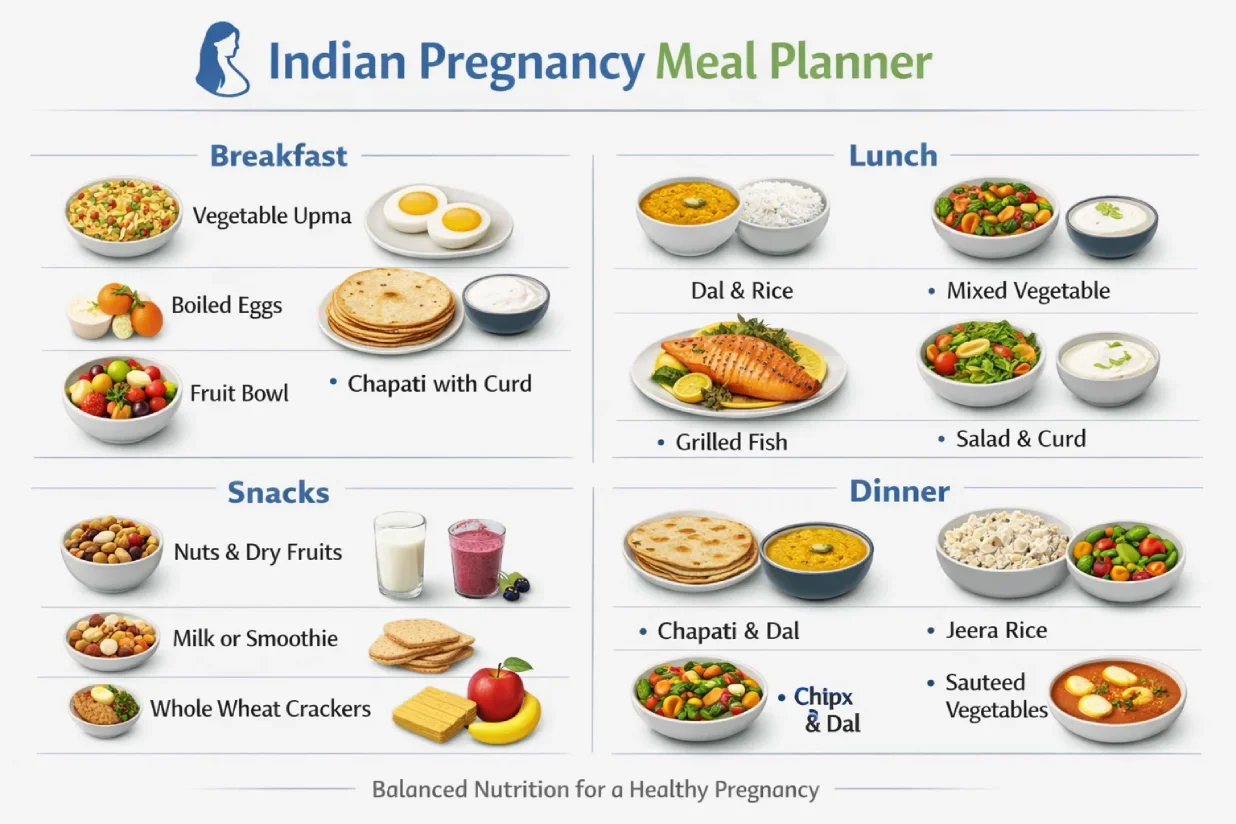
A structured pregnancy meal plan makes it easier for expecting mothers to meet their daily nutritional requirements. The goal is not to “eat for two,” but to eat smart—balancing energy, protein, vitamins, and minerals throughout the day. Below are sample ideas for daily and weekly meal planning.
Sample Diet Chart for Pregnant Women (Daily Plan)
Morning (on waking):
- A glass of warm water with soaked almonds or walnuts
Breakfast:
- Whole wheat vegetable upma or poha with peas and carrots
- OR two boiled eggs with multigrain toast
- One serving of fruit (orange, apple, or papaya in moderation)
Mid-Morning Snack:
- Yogurt with flaxseeds or chia seeds
- OR coconut water with a small fruit bowl
Lunch:
- 2 chapatis made with whole wheat or millet flour
- Dal or legume curry (lentils/chickpeas/rajma)
- Steamed vegetables or salad
- A small portion of rice with curd
Evening Snack:
- Roasted chana or makhana
- Herbal tea or warm milk
Dinner:
- Vegetable khichdi with ghee and raita
- OR grilled chicken/fish (low mercury options) with steamed vegetables and chapati
Bedtime:
- A glass of warm milk with turmeric or cardamom
Practical Weekly Pregnancy Meal Plan
Monday: Khichdi with curd, seasonal fruits, and green vegetable curry
Tuesday: Roti with paneer sabzi, dal, and salad
Wednesday: Brown rice with sambar, beans stir-fry, and buttermilk
Thursday: Grilled fish or tofu with chapati and sautéed spinach
Friday: Vegetable pulao with raita and fruit chaat
Saturday: Moong dal chilla with green chutney, boiled eggs, and fresh fruits
Sunday: Paratha stuffed with spinach/potato, curd, and vegetable soup
This diet chart for pregnant women provides flexibility for both vegetarians and non-vegetarians, making it easy to follow while covering all major nutrients.
Pregnancy Supplements: What to Take & When
Even with a carefully balanced diet, some nutrients are difficult to obtain in sufficient amounts during pregnancy. That is why doctors often prescribe pregnancy supplements, also known as prenatal vitamins, to bridge the gap and ensure the health of both mother and baby.
Folic Acid
Folic acid is one of the most critical supplements, especially during the first trimester. It helps prevent neural tube defects and supports early brain development. Most doctors recommend starting folic acid even before conception.
Iron
Iron supplements help manage the increased blood volume and prevent anemia. They are often combined with vitamin C for better absorption. Pregnant women should avoid taking iron alongside tea or coffee, as it reduces absorption.
Calcium and Vitamin D
These supplements are essential for strong bones and teeth in both the mother and baby. Calcium supports muscle and nerve function, while vitamin D ensures proper absorption of calcium.
DHA and Omega-3 Fatty Acids
DHA supports the baby’s brain and eye development. It is especially important during the second and third trimesters when rapid brain growth occurs.
Multivitamins
In some cases, doctors may prescribe a combined prenatal multivitamin that includes additional nutrients such as iodine and zinc. These are tailored to each woman’s health condition and dietary habits.
Important: Supplements should only be taken under a doctor’s guidance. Self-medicating can lead to overdose or imbalances.
When combined with a balanced meal plan, pregnancy supplements (prenatal vitamins) ensure mothers and babies receive optimal nutrition throughout pregnancy.
Doctor’s Tips for Sticking to a Healthy Pregnancy Diet
Following a well-balanced pregnancy diet is easier said than done, especially when cravings, aversions, and busy schedules come into play. Here are some practical, doctor-recommended strategies to help expecting mothers stay consistent.
Plan Your Meals Ahead
Prepare a weekly grocery list and plan meals in advance. This reduces last-minute unhealthy food choices and ensures that all major food groups are covered.
Eat Small, Frequent Meals
Instead of three large meals, aim for five to six smaller ones. This approach helps maintain steady energy levels and reduces nausea, bloating, and heartburn.
Balance Cravings with Nutrition
It’s natural to crave sweets or fried foods during pregnancy. Indulge occasionally, but balance these with healthier options like fruit smoothies, baked snacks, or nuts to avoid nutrient gaps.
Stay Hydrated
Keep a water bottle handy throughout the day. Infused water with lemon, cucumber, or mint can make hydration more enjoyable.
Respect Cultural and Religious Practices
If you fast during festivals or follow specific cultural diets, consult your doctor for safe modifications so your baby’s nutrition is not compromised.
Seek Professional Guidance
Every pregnancy is unique. Consulting a gynecologist or nutritionist helps personalize your diet plan, adjust supplements, and manage any pregnancy-related complications effectively.
With these strategies, mothers can stick to a healthy pregnancy diet without stress, ensuring a positive experience throughout their journey.
When to Seek Medical Advice About Your Diet
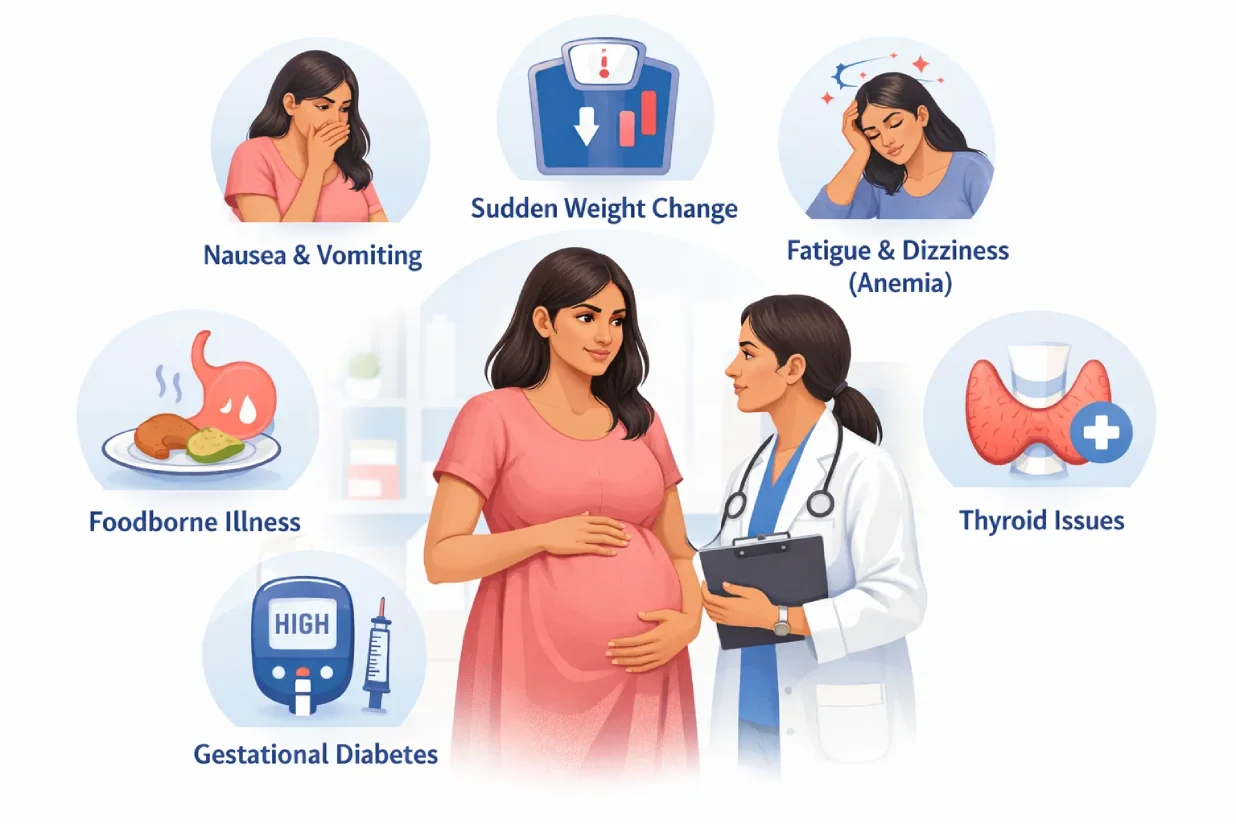
While most dietary adjustments during pregnancy can be managed at home, there are situations where professional guidance becomes essential. Knowing when to reach out to your doctor can prevent complications and ensure both mother and baby remain healthy.
Persistent Nausea or Vomiting
If morning sickness becomes severe and leads to dehydration or weight loss, consult a doctor immediately. This may indicate hyperemesis gravidarum, which requires medical management.
Rapid Weight Gain or Loss
Sudden changes in weight during pregnancy can signal underlying issues such as gestational diabetes or pre-eclampsia. A doctor can assess and recommend safe dietary modifications.
Signs of Anemia
Extreme fatigue, pale skin, or dizziness may indicate low iron levels. Medical testing and prescribed supplements are necessary in such cases.
Foodborne Illness Symptoms
Fever, diarrhea, or abdominal cramps after eating may point to food poisoning or listeria infection. These conditions are riskier during pregnancy and need prompt medical attention.
Special Health Conditions
Women with thyroid disorders, gestational diabetes, or high blood pressure need individualized nutrition plans. Standard guidelines may not apply, making personalized medical advice critical.
Recognizing these warning signs and seeking timely professional help ensures that your pregnancy nutrition guidelines are tailored to your specific needs, keeping both mother and baby safe.
Conclusion
A well-balanced pregnancy diet is one of the most powerful ways an expecting mother can protect her own health and ensure the safe development of her baby. From choosing nutrient-rich foods and planning meals by trimester to avoiding risky items and taking essential supplements, every decision adds up to a healthier pregnancy journey.
By following practical pregnancy nutrition guidelines, mothers can reduce common discomforts, lower the risk of complications, and feel more confident about their daily food choices. A doctor-approved pregnancy meal plan or diet chart for pregnant women can provide the structure needed to stay on track, while regular check-ups help tailor recommendations to individual health needs.
At Mayflower Hospital, our team of gynecologists, obstetricians, and nutrition experts are committed to supporting women through every stage of pregnancy. Whether you need help managing symptoms, planning meals, or choosing the right supplements, professional guidance ensures safe and effective care for both mother and baby.
Taking small, consistent steps toward healthier eating today creates the foundation for a smoother delivery and a stronger start for your child.
FAQs on Pregnancy Diet
Yes. A vegetarian or vegan diet can provide all the necessary nutrients if it is carefully planned. Include plant-based proteins like lentils, beans, soy, nuts, and seeds. Vegan mothers must take vitamin B12 supplements, as it is not naturally available in plant foods.
Occasional outside food may be safe if it is freshly prepared and hygienic. However, avoid street food, undercooked meats, and unpasteurized dairy, as these increase the risk of foodborne illness.
Yes. Some nutrients, such as folic acid, iron, calcium, and vitamin D, are hard to obtain in sufficient amounts through diet alone. Pregnancy supplements (prenatal vitamins) prescribed by your doctor help bridge these gaps.
Most fruits are safe. However, raw papaya and excessive pineapple are often avoided in traditional diets because they may trigger uterine contractions. Always eat fruits that are fresh, washed, and consumed in moderation.
It is best to review your pregnancy diet plan during every antenatal check-up. This allows your doctor to make changes based on your weight, lab results, and overall health.