





Natural remedies for menopause are increasingly sought after as women look for safe, sustainable, and non-hormonal ways to cope with the physical and emotional changes that accompany this transition. Menopause is a natural phase in a woman’s life, yet the symptoms such as hot flashes, mood swings, vaginal dryness, and sleep disturbances – can disrupt daily routines and overall quality of life. While hormone replacement therapy (HRT) remains a medical option, concerns about potential risks have led many women to explore gentler and more holistic alternatives.
Choosing natural remedies does not mean choosing unproven care. In fact, evidence supports the role of nutrition, yoga, supplements, herbal medicine, and Ayurvedic therapies in improving common menopause symptoms. From dietary adjustments that balance hormones, to yoga practices that calm the mind, to herbs like shatavari and black cohosh that reduce discomfort – women today have many non-hormonal treatment options available.
At Mayflower Hospital, we believe in a personalized approach to women’s health. This blog explores how lifestyle, herbal remedies, and natural therapies can work together to provide relief, while highlighting when it’s important to consult a specialist. The goal is not only to manage menopause symptoms but also to promote long-term health and well-being during this important life stage.
What is Menopause?
Menopause is a natural biological transition that marks the end of a woman’s reproductive years. It is officially diagnosed when a woman has not had a menstrual period for 12 consecutive months, typically occurring between the ages of 45 and 55. While natural remedies for menopause can help manage symptoms, it’s important to first understand what causes these changes in the body.
The Stages of Menopause
Menopause is not a single moment but a gradual process that unfolds in stages:
- Perimenopause: The transition period leading up to menopause, which can last 4–10 years. Women may begin experiencing irregular periods, hot flashes, night sweats, and mood changes.
- Menopause: The point at which menstrual cycles stop completely due to a natural decline in estrogen and progesterone production.
- Postmenopause: The years following menopause, when symptoms may ease but long-term health concerns – such as osteoporosis or heart disease – become more important.
Common Menopause Symptoms
The reduction of estrogen and progesterone affects multiple body systems, leading to a wide range of symptoms. These can include:
- Hot flashes and night sweats
- Vaginal dryness and discomfort during intimacy
- Mood swings, anxiety, or irritability
- Sleep disturbances and insomnia
- Weight gain, particularly around the abdomen
- Decreased bone density and joint stiffness
- Reduced skin elasticity and thinning hair
Why Symptoms Occur
Hormonal fluctuations during this period disrupt the body’s natural balance. Estrogen plays a key role in regulating temperature, maintaining bone density, supporting mood, and keeping vaginal tissues healthy. As hormone levels decline, the body struggles to maintain these functions, resulting in the symptoms many women experience.
Why Women Seek Alternatives
While hormone replacement therapy (HRT) can address these issues, not every woman is comfortable with or suited for HRT. Concerns about side effects and risks – such as breast cancer or cardiovascular disease – push many to explore natural, non hormonal treatment for hot flashes and other menopause symptoms.
Understanding menopause is the first step toward finding relief. Once women recognize the connection between hormonal changes and symptoms, they can make informed choices about lifestyle changes, diet, and natural therapies that best support their health.
Why Women Seek Natural Remedies
For many women, menopause is not just a biological milestone – it is also an emotional and lifestyle adjustment. While hormone replacement therapy (HRT) has long been prescribed to ease severe menopause symptoms, it is not always the preferred option. Growing awareness of potential side effects and long-term risks has encouraged women to look for safer, non hormonal treatment for hot flashes, sleep disturbances, and other discomforts.
Concerns About Hormone Replacement Therapy (HRT)
Medical studies have linked long-term HRT use with increased risks of breast cancer, stroke, and cardiovascular disease in certain groups of women. Although HRT remains effective and safe for many under proper medical supervision, the idea of introducing synthetic hormones often makes women hesitant. Questions like “Is HRT safe?” are common, and many prefer to explore natural approaches first.
Desire for Holistic and Sustainable Care
Natural remedies offer a holistic pathway that supports the body’s balance rather than replacing hormones artificially. Women often find comfort in lifestyle changes, dietary improvements, yoga, meditation, and herbal remedies. These approaches not only target menopause symptoms but also improve overall wellness, reducing stress and promoting better sleep.
Cultural and Personal Preferences
In India and globally, traditional systems such as Ayurveda have been trusted for centuries in women’s health. Herbs like shatavari, ashwagandha, and turmeric are widely recognized for supporting hormonal health. Similarly, supplements such as calcium, vitamin D, and omega-3s have become part of mainstream menopause care. Women are increasingly turning to solutions that feel familiar, safe, and aligned with their cultural practices.
Empowerment Through Choice
Seeking natural remedies is also about empowerment. Women want to feel in control of their bodies and their health decisions. By exploring diet, exercise, supplements, and herbal treatments, they are able to customize a plan that feels right for them.
In short, the shift toward natural menopause relief reflects a combination of safety concerns, cultural trust in herbal medicine, and the desire for a more balanced, sustainable lifestyle.
Lifestyle Approaches for Menopause Relief

Lifestyle modifications are often the first step in managing menopause symptoms naturally. Unlike medications, these approaches carry little to no risk and offer added benefits for long-term health. A balanced diet, regular physical activity, and good sleep hygiene can significantly ease discomfort while boosting energy and emotional well-being.
Diet for Menopause Symptoms
Nutrition plays a central role in managing hormonal changes during menopause. Certain foods provide plant-based compounds, known as phytoestrogens, that mimic estrogen’s effect in the body and help reduce symptoms like hot flashes and mood swings.
Foods to include:
- Soy and soy isoflavones: found in tofu, soy milk, and edamame, help regulate hot flashes.
- Flaxseeds and sesame seeds: rich in lignans that support hormone balance.
- Leafy greens and whole grains: provide calcium, magnesium, and B vitamins to support bone and heart health.
- Omega-3 rich foods: salmon, walnuts, and chia seeds can reduce inflammation and improve mood.
Foods to limit: Processed foods, excess sugar, caffeine, and alcohol may worsen hot flashes and sleep disturbances.
Following a mindful diet for menopause symptoms not only eases discomfort but also protects against osteoporosis, heart disease, and weight gain that often accompany this stage.
Yoga and Exercise for Menopause
Physical activity is one of the most effective natural remedies for menopause because it targets multiple symptoms at once. Regular exercise improves cardiovascular health, strengthens bones, and reduces the risk of weight gain.

Yoga for menopause is particularly beneficial:
- Restorative poses such as Child’s Pose and Legs-Up-the-Wall improve relaxation and sleep.
- Cooling poses like Sitali Pranayama help reduce hot flashes naturally.
- Strength-building asanas, including Warrior and Bridge Pose, support bone density.
In addition to yoga, walking, swimming, and resistance training enhance mood, balance, and energy. Exercise also promotes the release of endorphins – natural chemicals that reduce stress and help control menopause-related anxiety and irritability.
Menopause Sleep Remedies
Sleep disturbances are among the most common complaints during menopause. Hot flashes, night sweats, and hormonal fluctuations often lead to insomnia or restless sleep. Adopting healthy sleep habits can make a major difference.
Practical menopause sleep remedies include:
- Establishing a regular bedtime routine.
- Keeping the bedroom cool and ventilated to prevent hot flashes.
- Drinking calming herbal teas such as chamomile or valerian root before bed.
- Practicing mindfulness meditation or deep breathing exercises.
- Avoiding heavy meals, caffeine, and electronic screens in the evening.
By combining natural relaxation techniques with consistent sleep hygiene, many women find significant improvements in their rest and overall energy levels.
These lifestyle changes – centered on diet, yoga, and sleep – form the foundation of natural menopause management. They are safe, practical, and easily integrated into daily routines. For women seeking more targeted relief, herbal and Ayurvedic remedies offer an additional layer of support, which we’ll explore next.
Natural & Herbal Remedies for Menopause
For centuries, women have turned to natural remedies to ease the transition through menopause. Herbal medicine and Ayurveda offer holistic approaches that complement lifestyle changes, providing relief from hot flashes, sleep problems, and hormonal imbalances. Scientific research increasingly supports these therapies, making them a trusted option for many women today.
Ayurvedic Medicine for Menopause
Ayurveda, India’s ancient system of medicine, emphasizes balance between the body, mind, and spirit. For menopause, Ayurvedic herbs help stabilize hormonal fluctuations and ease symptoms.
- Shatavari: Known as the “queen of herbs” for women’s health, shatavari nourishes reproductive tissues, reduces hot flashes, and supports vaginal health.
- Ashwagandha: An adaptogen that lowers stress, improves sleep quality, and enhances energy.
- Triphala and Turmeric: Support digestion and reduce inflammation.
In Ayurveda, treatment often combines herbal remedies with lifestyle practices like yoga, meditation, and dietary changes, ensuring a comprehensive approach. Many women prefer Ayurvedic medicine for menopause because it focuses on long-term balance, not just short-term symptom relief.
Herbal Treatment for Menopause
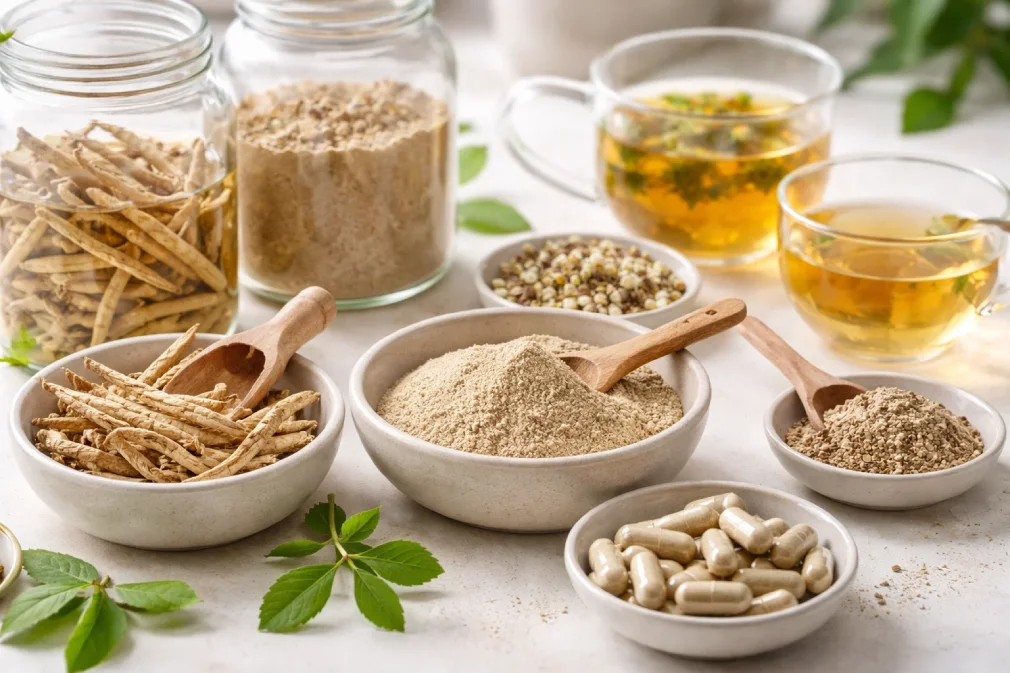
Modern herbal medicine also offers solutions backed by clinical studies. Some widely used herbs include:
- Black Cohosh: One of the most researched herbs for menopause, known to reduce hot flashes and night sweats.
- Red Clover: Contains isoflavones that mimic estrogen and support bone and heart health.
- Evening Primrose Oil: Rich in gamma-linolenic acid, which may improve hot flashes and mood swings.
- Dong Quai: Traditionally used in Chinese medicine to regulate hormones.
While effective, herbal treatments should be taken with caution. Women with liver issues or on certain medications should consult a doctor before use. Still, herbal treatment for menopause remains a popular natural alternative to hormone therapy, particularly for women seeking gentle yet effective relief.
Supplements and Best Menopause Vitamins
Nutritional supplements play a vital role in supporting bone, heart, and overall health during menopause. Deficiencies are common at this stage, and the right vitamins can ease symptoms while preventing long-term complications.
- Calcium & Vitamin D: Essential for bone health, reducing the risk of osteoporosis.
- Vitamin E: Known for its antioxidant properties, helps with hot flashes and skin health.
- Omega-3 Fatty Acids: Found in fish oil or flaxseed oil, support mood stability and cardiovascular function.
- B-complex Vitamins: Reduce fatigue, support brain function, and help with mood swings.
The best menopause vitamins are those that target a woman’s specific needs. For instance, calcium is critical for women with bone loss, while omega-3 may help those struggling with anxiety. Supplements should ideally complement a balanced diet and lifestyle for maximum benefit.
Herbal, Ayurvedic, and nutritional therapies provide a powerful toolkit for women managing menopause naturally. Still, some symptoms may require more targeted approaches. In the next section, we’ll explore how specific remedies can address common concerns like hot flashes, vaginal dryness, and mood swings.
Symptom-Specific Relief
While lifestyle and herbal approaches provide general support, some menopause symptoms require focused attention. Targeted natural remedies can offer comfort and help restore balance in everyday life.
How to Reduce Hot Flashes Naturally
Hot flashes are among the most disruptive menopause symptoms. They occur due to fluctuating estrogen levels, which affect the body’s temperature regulation.
Natural ways to reduce hot flashes include:
- Hydration: Drinking plenty of water helps regulate body temperature.
- Cooling foods: Fresh fruits, cucumber, and leafy vegetables can reduce internal heat.
- Herbal teas: Sage and chamomile teas are known for their cooling properties.
- Soy isoflavones: Found in tofu, soy milk, and edamame, they act as natural phytoestrogens.
- Breathing techniques: Slow, deep breathing can calm the nervous system and shorten the duration of a hot flash.
For women wondering how to reduce hot flashes naturally, combining dietary changes with relaxation techniques often brings significant relief.

Natural Remedies for Vaginal Dryness
Vaginal dryness is a common but often under-discussed symptom of menopause. It can cause discomfort, itching, and painful intimacy.
Effective natural remedies include:
- Hydration and diet: Drinking water and eating omega-3 rich foods support tissue health.
- Natural oils: Coconut oil and vitamin E oil are gentle, non-hormonal lubricants.
- Aloe vera gel: Provides soothing moisture for sensitive vaginal tissues.
- Probiotics: Support healthy vaginal flora and reduce irritation.
These natural remedies for vaginal dryness can be used alongside water-based lubricants to improve comfort without hormones.
Mood Swings, Stress & Anxiety Support
Emotional changes are another hallmark of menopause, linked to hormonal fluctuations and sleep disturbances. Many women experience irritability, anxiety, or even depression.
Natural approaches to manage mood include:
- Yoga and meditation: Daily mindfulness practices help stabilize emotions.
- Herbal teas: Chamomile and lemon balm support relaxation.
- Magnesium supplements: Aid in calming the nervous system.
- Regular exercise: Boosts endorphins, improving mood and resilience.
- Social support: Talking with family, friends, or support groups reduces feelings of isolation.
By addressing emotional health alongside physical symptoms, women can create a more balanced approach to menopause relief.
Focusing on specific symptoms allows women to take control of their most pressing challenges, whether it’s managing hot flashes, improving comfort, or balancing mood. However, it’s also important to understand how these natural solutions compare with medical options like hormone therapy, which we’ll explore next.
Evidence & Comparisons
When considering menopause care, women often face the question: should they rely on natural remedies or choose hormone replacement therapy (HRT)? Understanding the evidence behind both approaches helps in making an informed decision.
Natural Remedies vs Hormonal Therapy
Hormone replacement therapy has long been regarded as the gold standard for managing severe menopause symptoms such as hot flashes, vaginal dryness, and bone loss. HRT works by restoring declining estrogen and progesterone levels. However, it is not without risks. Studies show that prolonged use of HRT may increase the likelihood of breast cancer, stroke, and blood clots in certain women. For this reason, doctors often recommend the lowest effective dose for the shortest time possible.
On the other hand, natural remedies for menopause – including lifestyle adjustments, herbal medicine, and dietary supplements – provide symptom relief without adding synthetic hormones to the body. While the results may not be as immediate or strong as HRT, many women prefer this approach because it feels safer and aligns with holistic health practices. For women seeking a non hormonal treatment for hot flashes, natural options like soy isoflavones, yoga, and black cohosh often prove helpful.
Scientific Research & Case Studies
The effectiveness of natural remedies is supported by growing scientific evidence:
- Black Cohosh: Multiple studies show it reduces hot flashes and night sweats, making it one of the most trusted herbal treatments.
- Soy Isoflavones: Clinical trials demonstrate their ability to mimic estrogen’s effects and lessen hot flashes. They are particularly useful for women unable to take HRT.
- Yoga and Mind-Body Therapies: Research highlights improvements in sleep, mood, and stress management for menopausal women practicing yoga and meditation.
- Shatavari and Ashwagandha (Ayurveda): Indian studies suggest these herbs support hormonal balance and improve overall quality of life during menopause.
Case studies from India and abroad also reveal that women combining lifestyle changes with herbal remedies often report fewer symptoms and better well-being compared to those using only conventional care.
Both natural remedies and HRT have their place in menopause management. While HRT may be necessary for women with severe symptoms, many find that natural approaches provide safe, effective, and sustainable relief. For women in India, the combination of Ayurvedic traditions and modern supplements offers a practical balance between culture, science, and comfort. Next, let’s explore the cost and accessibility of these options.
Cost and Accessibility
For many women, the choice between hormone replacement therapy and natural remedies is not only about safety but also about affordability and access.
HRT Cost in India
Hormone replacement therapy can be effective, but it often comes at a financial cost. The HRT cost in India typically ranges from ₹2,000 to ₹6,000 per month, depending on the medication, dosage, and additional tests or follow-ups required. Over time, this can become a significant recurring expense, particularly for women who need long-term management. Moreover, HRT is not always readily available in smaller towns, which adds to the challenge of accessibility.
Natural Remedies as Affordable Alternatives
In contrast, most natural remedies – such as yoga, dietary adjustments, and herbal supplements – are more affordable and sustainable. Herbs like shatavari or black cohosh are widely available in pharmacies and Ayurvedic stores across India. Nutritional supplements like calcium, vitamin D, or omega-3s are cost-effective and can be integrated into daily routines with ease.
Ayurvedic consultations and lifestyle practices like yoga often require only a one-time investment in learning, making them far more accessible than monthly prescriptions. This cost-effectiveness, combined with fewer side effects, is one reason why natural remedies for menopause are becoming the preferred choice for many women.
When to See a Doctor
While natural remedies for menopause can be effective for many women, there are situations where medical guidance becomes essential. Menopause is a highly individual experience, and some symptoms may indicate underlying conditions that require professional evaluation.
Symptoms That Need Medical Attention
- Heavy or irregular bleeding after periods have stopped.
- Severe hot flashes or night sweats that interfere with daily life despite lifestyle adjustments.
- Persistent mood swings, depression, or anxiety that affect quality of life.
- Painful intercourse or severe vaginal dryness unrelieved by natural remedies.
- Rapid weight gain, unexplained fatigue, or bone pain, which may signal thyroid or bone health issues.
Role of Gynecologists
A gynecologist can help determine whether symptoms are typical of menopause or linked to another condition. They may recommend tests, tailored treatment, or even a combination of natural remedies and medical therapies. Women considering HRT should always seek medical supervision to balance benefits and risks.
At Mayflower Hospital, our gynecology specialists provide comprehensive care for women navigating menopause. From counseling on natural remedies to advanced medical treatment when needed, we ensure safe, personalized support at every stage.
Practical Checklist for Women
Managing menopause becomes easier when lifestyle, nutrition, and natural remedies are combined into a consistent routine. Here’s a quick checklist to guide women through this stage with confidence:
Nutrition & Diet
- Eat phytoestrogen-rich foods like soy, flaxseeds, and sesame.
- Add calcium, vitamin D, and omega-3 rich foods for bone and heart health.
- Limit processed foods, caffeine, and alcohol that trigger hot flashes.
Exercise & Movement
- Practice yoga for menopause at least 3–4 times a week.
- Include strength training and walking to maintain bone density.
- Use breathing techniques for relaxation during hot flashes.
Herbal & Ayurvedic Remedies
- Try shatavari or ashwagandha under medical guidance.
- Use black cohosh or red clover supplements for hot flashes.
- Explore natural oils like aloe vera or coconut oil for vaginal dryness.
Sleep & Stress Management
- Maintain a fixed bedtime and calming evening routine.
- Drink herbal teas like chamomile or valerian root.
- Practice meditation or mindfulness to reduce anxiety.
When to Seek Medical Advice
- If symptoms persist despite lifestyle changes.
- For severe hot flashes, mood swings, or abnormal bleeding.
This checklist serves as a practical daily guide. By integrating these steps, women can take control of their health and find effective, natural menopause relief while knowing when to seek expert help.
Conclusion
Natural remedies for menopause provide women with safe, effective, and holistic options to navigate this important life stage. From dietary adjustments and yoga practices to Ayurvedic herbs like shatavari and supplements such as calcium, vitamin D, and omega-3s, these approaches can ease hot flashes, improve sleep, and support emotional well-being. Unlike hormone replacement therapy, natural remedies focus on restoring balance and promoting long-term health without relying on synthetic hormones.
That said, every woman’s journey through menopause is unique. Some may find complete relief with natural methods, while others may require medical treatments for persistent or severe symptoms. The key is to listen to your body and make informed decisions that align with your health goals.
At Mayflower Hospital, our gynecology specialists combine evidence-based medicine with compassionate care to guide women through menopause safely. Whether you’re seeking natural support or exploring medical options, we ensure a personalized approach tailored to your needs. Book a consultation today and take the first step toward comfortable, confident menopause management.
Frequently Asked Questions (FAQs)
Yes, most natural remedies – such as diet changes, yoga, and herbal supplements – are safe when used correctly. However, herbs like black cohosh or evening primrose oil should be taken under medical guidance to avoid interactions with existing conditions or medications.
Yes. Research shows that yoga for menopause helps regulate stress, improves mood, and reduces hot flashes. Breathing practices like Sitali Pranayama and restorative poses are especially effective.
The best menopause vitamins include calcium and vitamin D for bone strength, vitamin E for hot flashes and skin health, and B-complex vitamins for energy and mood stability. Omega-3 fatty acids are also highly beneficial.
Yes. Shatavari, a key Ayurvedic herb, is widely used for balancing hormones, improving vaginal health, and reducing hot flashes. It is considered safe for most women but should be taken with medical supervision for proper dosage.
Herbal supplements generally take 4–8 weeks to show noticeable results. Unlike HRT, which acts quickly, natural remedies focus on restoring long-term balance, so patience and consistency are essential.