






Regular health screenings are one of the most effective ways to maintain long-term wellness, and for women, an annual gynecological checkup is a vital part of preventive care. Often referred to as a well woman exam or annual health checkup for women, these visits go beyond reproductive health – they help detect silent conditions early, support hormonal balance, and promote overall physical and emotional wellbeing.
During an annual exam, gynecologists evaluate different aspects of women’s health, including reproductive organs, breast health, and menstrual concerns. Preventive screenings such as Pap smears, pelvic exams, or breast exams may be included depending on age, family history, and medical background. These visits also provide an opportunity to discuss contraception, fertility, menopause, mental health, and lifestyle concerns in a safe, confidential environment.
The importance of an annual checkup lies in prevention. Many gynecological conditions – like cervical cancer, ovarian cysts, or hormonal disorders – often show few or no early symptoms. A structured examination, combined with preventive women’s health screening, ensures that potential risks are identified at an early, more treatable stage. For young women, this may be their first introduction to reproductive health awareness; for women approaching menopause, it becomes a safeguard against age-related changes.
Another key benefit is holistic guidance. A gynecology appointment is not only about physical examination – it is also about education and empowerment. Whether it’s learning about safe sexual practices, discussing the HPV vaccine for women, or understanding the importance of regular screenings, annual visits encourage women to take charge of their health.
At Mayflower Hospital, we believe that an annual exam should not feel intimidating. Our compassionate team of gynecologists ensures that every well woman exam is conducted with care, privacy, and a focus on long-term wellness. By making preventive checkups part of your routine, you invest in a healthier, more confident future.
Understanding the Annual Gynecological Checkup
An annual gynecological checkup is often misunderstood as a single test, but in reality, it is a comprehensive process tailored to a woman’s age, medical history, and personal concerns. Knowing what to expect helps reduce anxiety and allows women to approach the visit with confidence.
What Happens at a Gynecologist Checkup
A typical appointment begins with a discussion about your medical history, lifestyle, and any symptoms you may be experiencing. The doctor may ask about menstrual cycles, sexual activity, contraception, and family history of gynecological cancers. This is followed by a physical examination, which may include a pelvic exam, breast evaluation, and screening tests such as a Pap smear or HPV test if indicated.
The goal is not only to check for existing health issues but also to identify potential risks early. Many women use this opportunity to ask questions about fertility, pregnancy planning, or menopausal changes.

Pelvic Exam vs Pap Smear
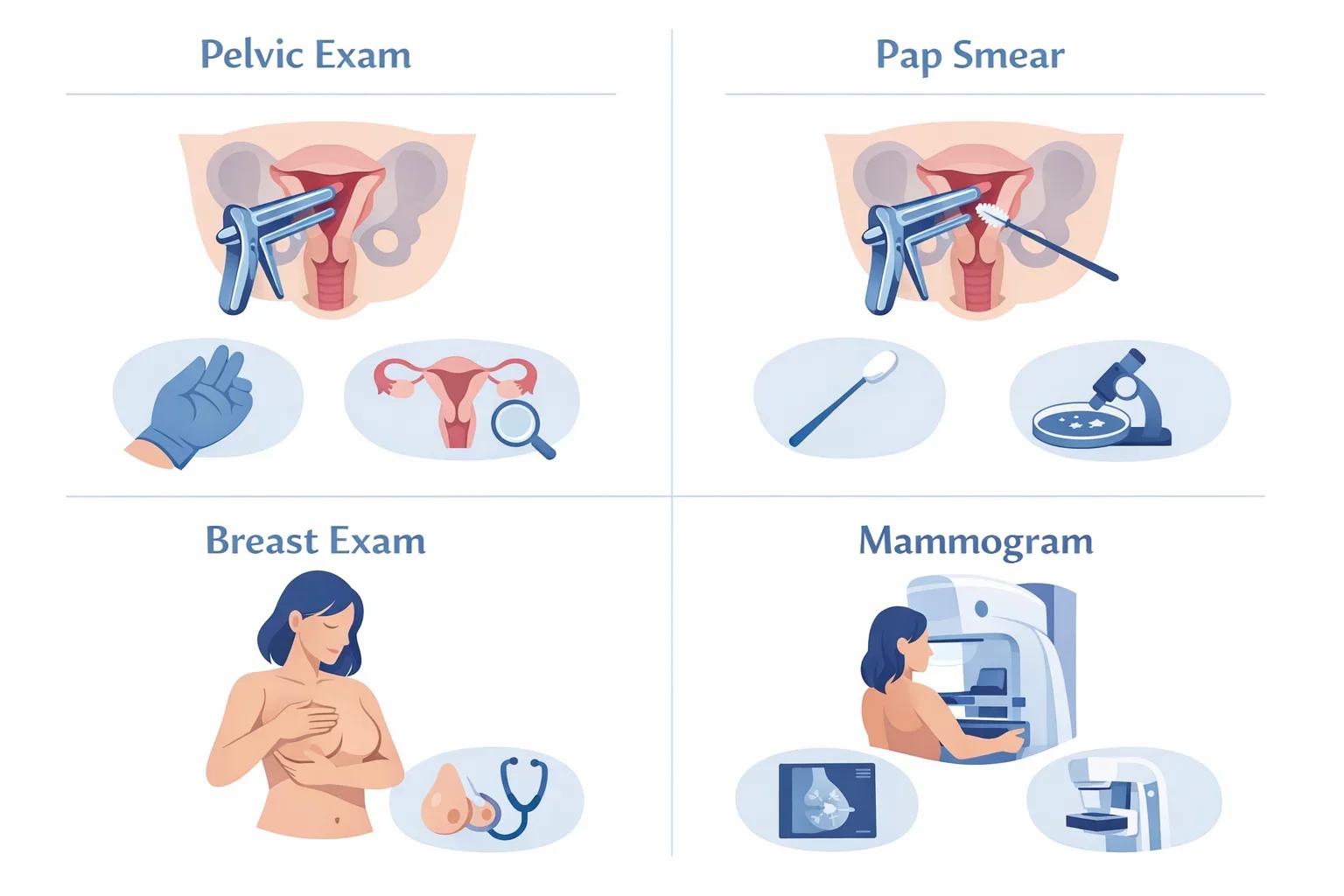
These two terms are often used interchangeably, but they are not the same. A pelvic exam involves the doctor examining the uterus, cervix, ovaries, and vagina to check for abnormalities such as cysts, infections, or fibroids. A Pap smear, on the other hand, is a laboratory test in which a small sample of cervical cells is collected to screen for precancerous changes or cervical cancer.
While a pelvic exam evaluates the physical health of reproductive organs, a Pap smear focuses specifically on cervical health. Depending on your age and medical history, both may be recommended during your visit.
Breast Exam vs Mammogram
Breast health is another key component of an annual checkup. A breast exam is a physical evaluation performed by your gynecologist to detect lumps, tenderness, or skin changes. A mammogram, however, is an imaging test that uses low-dose X-rays to screen for breast cancer, usually recommended for women after the age of 40 or earlier if they have a family history.
Together, these screenings help in the early detection of breast diseases, when treatment outcomes are most favorable.
First Gynecologist Visit: What to Expect
For young women, the first gynecologist visit can feel intimidating. Typically, the first appointment (often during late teens or early twenties) may not involve invasive tests unless necessary. Instead, the focus is on building trust, discussing menstrual health, addressing concerns about puberty, contraception, and educating about safe practices.
Doctors at Mayflower Hospital ensure that first-time visits are handled with sensitivity and compassion, creating a safe space where questions can be asked freely.
Signs You Shouldn’t Delay a Gynecology Visit
While an annual gynecological checkup is recommended for every woman as part of routine wellness, there are times when waiting for your yearly exam may not be enough. Certain symptoms signal the need for immediate medical attention and should never be ignored. Recognizing these warning signs ensures that underlying problems are detected and treated early.
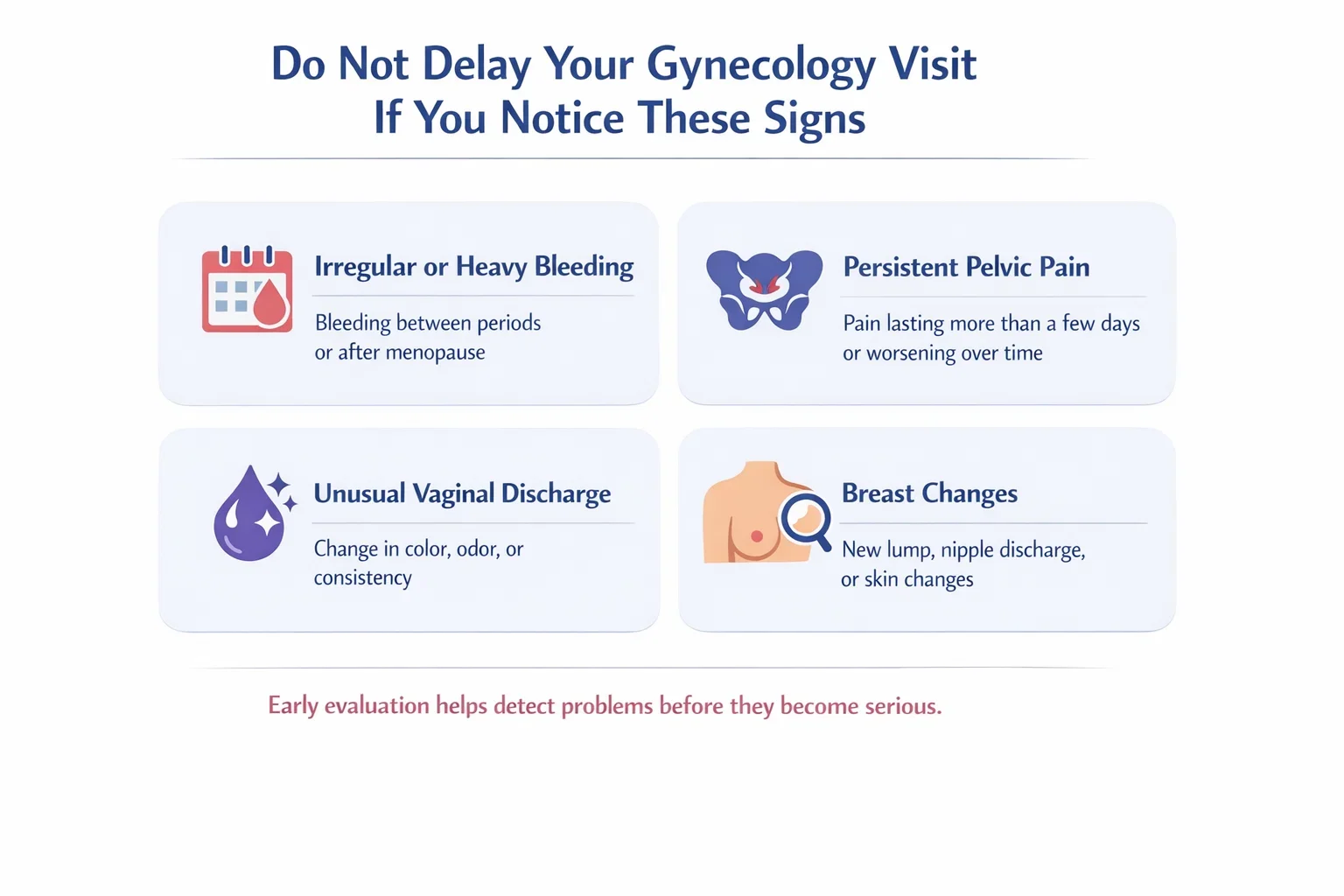
Unusual Vaginal Bleeding
Any bleeding between periods, very heavy menstrual flow, or post-menopausal bleeding is a red flag. These symptoms may point to hormonal imbalances, fibroids, or even precancerous changes. If you notice sudden changes in your cycle, it’s important to see a gynecologist without delay.
Persistent Pelvic Pain or Pressure
Ongoing pelvic pain, bloating, or a feeling of heaviness may suggest conditions such as endometriosis, ovarian cysts, or pelvic infections. Waiting for your annual health checkup for women could lead to delayed diagnosis, so early consultation is crucial.
Abnormal Vaginal Discharge or Odor
Changes in vaginal discharge – whether in color, odor, or consistency – can signal infections that may worsen without treatment. Early intervention prevents complications and discomfort.
Breast Changes
If you notice lumps, nipple discharge, or changes in breast skin, it’s important to consult your doctor even if your next breast exam or mammogram is months away. Early detection makes treatment more effective.
Pain or Discomfort During Intimacy
Persistent pain during intercourse may indicate infections, dryness, or hormonal changes. Addressing these symptoms promptly improves comfort and prevents more serious issues from developing.
Urinary Symptoms
Frequent urination, burning sensations, or difficulty controlling the bladder may signal infections or pelvic floor disorders. Your gynecologist can provide timely evaluation and treatment.
Being proactive about these symptoms does not replace the need for an annual exam, but it highlights why waiting for your next scheduled visit is not always safe. At Mayflower Hospital, our team encourages women to combine preventive women’s health screening with timely attention to warning signs, ensuring comprehensive protection for their reproductive health.
Why Annual Gyno Exam is Important
For many women, the idea of visiting a gynecologist once a year can feel unnecessary if they appear healthy. However, understanding why the annual gyno exam is important helps shift the perspective from treatment to prevention. These visits are about safeguarding long-term health, detecting problems early, and empowering women with the knowledge they need for every stage of life.
Early Detection of Silent Conditions
Many gynecological conditions such as cervical cancer, endometriosis, or ovarian cysts often begin with little to no symptoms. By attending your annual gynecological checkup, issues can be identified early when treatment is less invasive and outcomes are better. For example, a Pap smear can detect precancerous cervical changes years before they develop into cancer.
Age-Appropriate Screenings and Guidelines
Every stage of a woman’s life requires different preventive measures. According to Pap smear guidelines by age, most women should start cervical cancer screening at 21 and continue regularly as recommended by their doctor. In addition, women in their 40s may require regular mammograms, while those nearing menopause may need bone density assessments. These annual exams ensure you receive the right screening at the right time.
Protection Against HPV and Other Infections
Human papillomavirus (HPV) is one of the most common causes of cervical cancer. Discussing and receiving the HPV vaccine for women during your annual exam is an important preventive step. Your gynecologist can also test for infections, advise on safe practices, and provide appropriate treatment if needed.
Reproductive and Sexual Health Guidance
Annual visits are not only about detecting disease – they are also a safe space to discuss menstrual problems, fertility planning, pregnancy care, or menopausal changes. Women can ask questions about contraception, hormone therapy, and overall sexual wellness in a private, supportive environment.
Mental and Emotional Reassurance
Beyond physical health, annual exams provide peace of mind. Knowing that your reproductive and preventive health is being monitored allows women to focus on their daily lives with confidence.
In essence, the annual exam is more than a clinical check – it is a comprehensive wellness plan. At Mayflower Hospital, our specialists combine evidence-based screenings with compassionate guidance, ensuring that every woman leaves empowered and informed.
Annual vs Symptom-Based Visits
Many women delay visiting a gynecologist until symptoms become noticeable – such as irregular bleeding, pelvic pain, or discomfort. While seeking help when problems arise is important, relying only on symptom-driven visits can be risky. An annual gynecological checkup takes a preventive approach, offering a broader safety net for long-term health.
Why Waiting for Symptoms Isn’t Enough
Several gynecological conditions progress silently, showing few or no early warning signs. Cervical cancer, for example, may not present obvious symptoms until it has advanced. Similarly, conditions like polycystic ovary syndrome (PCOS) or early-stage breast cancer can remain undetected without screening. By the time symptoms appear, treatment often becomes more complex.
The Role of Preventive Annual Exams
An annual exam ensures that screenings such as Pap smears, pelvic exams, and breast evaluations are performed even in the absence of discomfort. These tests help detect changes before they develop into serious illness. Preventive visits also allow discussions about fertility, menopause, and lifestyle factors that women may overlook until health issues arise.
Complementary, Not Competing Approaches
Symptom-based visits are still necessary – if a woman experiences pain, unusual bleeding, or breast changes, she should see a doctor immediately. However, these urgent visits should complement rather than replace routine preventive checkups. Together, they form a complete approach to women’s health, balancing proactive care with responsive treatment.
At Mayflower Hospital, we emphasize that prevention and timely care work hand-in-hand. Making the annual health checkup for women a habit ensures continuity of care, while symptom-based visits provide timely intervention when new concerns arise. This balance gives women the best chance at early detection, effective treatment, and overall peace of mind.
Key Screenings and Preventive Care During Annual Visits
An annual gynecological checkup is not limited to one test – it is a collection of screenings and preventive steps tailored to age and risk factors. These evaluations are designed to detect concerns early and provide a roadmap for long-term health.
Pap Smear: Guidelines and Age Recommendations
The Pap smear is one of the most important preventive screenings for women, as it detects abnormal cervical cells before they become cancerous. According to Pap smear guidelines by age, women should begin screening at 21 and continue every 3 years if results are normal. After age 30, Pap smears may be combined with HPV testing every 5 years, depending on clinical advice. These simple tests save thousands of lives by detecting cervical changes early.
Pelvic Exams and HPV Testing
A pelvic exam allows the gynecologist to physically assess the uterus, ovaries, and cervix, helping identify cysts, fibroids, or infections. When combined with HPV testing, it becomes even more powerful. The HPV vaccine for women is strongly recommended as a preventive measure, since certain strains of HPV are directly linked to cervical cancer. Annual exams ensure that women are not only tested but also educated about safe practices and vaccination benefits.
Breast Health: Exam vs Mammogram
Breast cancer screening is a vital part of preventive care. During an annual exam, your doctor may perform a breast exam to check for lumps, skin changes, or discharge. For women over 40 – or earlier if risk factors are present – a mammogram is recommended. While the breast exam is a hands-on evaluation, a mammogram uses X-ray imaging to detect changes invisible to touch, making the two complementary rather than interchangeable.
Vaccinations and Preventive Shots
In addition to the HPV vaccine, gynecologists may review other preventive vaccinations, such as hepatitis B or flu shots, depending on your medical history. These measures help protect reproductive and general health.
At Mayflower Hospital, we follow global and national guidelines to ensure every woman receives age-appropriate screening. By combining Pap smears, pelvic exams, breast screenings, and vaccination advice, our team provides a holistic preventive framework for women at every stage of life.
How Often Should You See a Gynecologist?
The question of how often you should see a gynecologist often depends on age, health history, and personal risk factors. While an annual gynecological checkup is the standard recommendation, the frequency of visits may vary for different age groups.
Adolescents and Young Women
For teens and young adults, the first visit to a gynecologist is usually recommended between ages 13–15, often focusing on menstrual health, puberty changes, and safe practices. These early visits may not require invasive exams but establish a foundation for long-term preventive care.
Women in Their 20s and 30s
During the reproductive years, yearly visits become more essential. Apart from general exams, doctors may recommend Pap smears every three years starting at age 21, or earlier if symptoms or risks exist. Annual checkups also allow timely discussions about fertility, contraception, and sexual wellness.
Women in Their 40s and 50s
At this stage, risk factors for breast cancer, cervical cancer, and menopause-related changes increase. Yearly visits often include mammograms, pelvic exams, and preventive women’s health screenings. Doctors may also discuss hormone therapy or lifestyle adjustments.
Women After Menopause
Even after periods stop, regular visits remain important. Postmenopausal women should continue with annual exams to monitor bone density, screen for cancers, and address concerns such as vaginal dryness or urinary incontinence.
Overall, while tests like Pap smears may not be required every year, the annual health checkup for women remains critical for comprehensive wellness. Routine checkups give women confidence that their reproductive and overall health are being cared for at every life stage.
Cost and Accessibility of Annual Gynecology Exams
One concern many women share is the accessibility and affordability of routine gynecology exams. The good news is that an annual gynecological checkup is designed to be both cost-effective and widely available, making preventive healthcare accessible to most women.
Pap Smear Cost in India
The Pap smear cost in India can vary depending on the hospital, city, and whether additional tests are included. On average, the cost ranges between ₹500 to ₹1,500. Some health packages also combine Pap smears with pelvic exams and breast evaluations, offering better value for preventive screening. At Mayflower Hospital, Pap smears are part of our structured annual health checkup for women, ensuring affordability without compromising accuracy.
Finding a Gynecologist Near Me for Checkup
When searching for a gynecologist near me for checkup, it’s important to choose a center with both expertise and a supportive environment. A trusted hospital ensures that women feel comfortable during sensitive procedures while receiving accurate, evidence-based care. Mayflower Hospital, located in Ahmedabad, is equipped with experienced gynecologists and advanced facilities to make checkups seamless and patient-friendly.
Gynecologist Appointment Online
Digital healthcare has made access even easier. Today, women can schedule a Gynecologist appointment online, reducing waiting times and improving convenience. Online booking allows patients to choose preferred doctors, suitable times, and even ask preliminary questions before visiting. Mayflower Hospital’s online appointment system simplifies preventive care, ensuring that women never delay important checkups due to scheduling concerns.

Accessibility and affordability should never be barriers to health. With transparent pricing, skilled doctors, and convenient booking systems, women can prioritize preventive screenings without stress. Taking small steps – like scheduling a routine Pap smear – can make a life-changing difference in early detection and long-term wellness.
Lifestyle and Preventive Women’s Health
While an annual gynecological checkup plays a vital role in prevention, day-to-day lifestyle choices are equally important in maintaining long-term wellness. Combining medical screenings with healthy living creates a strong foundation for women’s health at every stage of life.
Nutrition and Diet
A balanced diet supports hormonal balance, bone health, and reproductive function. Foods rich in calcium, iron, and folate are especially important for women. During your annual health checkup for women, doctors may also suggest dietary adjustments to manage anemia, vitamin deficiencies, or menopausal changes.
Exercise and Physical Fitness
Regular exercise improves circulation, regulates weight, and reduces risks of conditions like diabetes or cardiovascular disease. Activities such as yoga or strength training not only improve physical fitness but also lower stress levels, enhancing overall wellbeing.
Stress Management and Mental Health
Emotional health is closely linked to physical health. Chronic stress can affect menstrual cycles, fertility, and even menopausal symptoms. Incorporating mindfulness practices, meditation, or counseling into daily life helps maintain balance.
Preventive Screenings Beyond Gynecology
A holistic approach also includes screenings such as blood pressure monitoring, cholesterol checks, and diabetes screening. These are often integrated into a preventive women’s health screening package, offering a complete view of a woman’s health status.
By aligning healthy lifestyle habits with yearly checkups, women can take charge of their wellbeing. At Mayflower Hospital, our gynecologists emphasize not just medical testing but also guidance on nutrition, exercise, and mental health, ensuring that every woman receives complete preventive care.
Common Myths About Annual Gynecological Checkups
Despite their importance, many women avoid or delay their annual gynecological checkup due to common myths and misconceptions. Understanding the facts helps women feel more confident and encourages them to prioritize preventive care.
Myth 1: “I don’t need a checkup if I feel healthy.”
Fact: Many gynecological conditions – including cervical cancer or ovarian cysts – can remain silent in the early stages. Annual exams, including screenings like Pap smears or pelvic evaluations, detect changes long before symptoms appear.
Myth 2: “Pap smears and pelvic exams are the same thing.”
Fact: A pelvic exam is a physical evaluation of the reproductive organs, while a Pap smear involves collecting cervical cells for cancer screening. They are different but complementary, and your doctor may recommend both during routine visits.
Myth 3: “Breast exams are enough – I don’t need a mammogram.”
Fact: A breast exam vs mammogram comparison shows that while clinical breast exams detect physical changes, mammograms can reveal abnormalities invisible to touch. Both screenings play unique roles in early detection of breast cancer.
Myth 4: “Only older women need to visit a gynecologist.”
Fact: Preventive care begins early. Even teenagers and women in their 20s benefit from checkups for menstrual health, contraception advice, and safe sexual practices. Annual exams are not age-specific – they are life-stage specific.
Myth 5: “Checkups are always uncomfortable.”
Fact: With modern techniques and compassionate care, most exams are quick, safe, and minimally uncomfortable. Gynecologists at Mayflower Hospital ensure a respectful and supportive environment for every patient.
Breaking these myths reinforces the value of regular preventive care. Annual visits empower women to take charge of their health instead of waiting for problems to surface.
Preparing for Your Annual Gyn Appointment
A little preparation can make your annual gynecological checkup more comfortable and productive. Whether it’s your first visit or a routine exam, knowing what to expect and how to prepare ensures you get the most out of your consultation.
What to Bring and How to Prepare
Bring a list of your current medications, details of your menstrual cycle, and any symptoms or concerns you’ve noticed. If it’s your first gynecologist visit, try to track your period dates and write down questions you may have. Avoid scheduling your Pap smear during heavy menstruation, as it may affect results. Wearing comfortable clothing also makes the process smoother.
Questions to Ask Your Gynecologist
Think about what you’d like to discuss in advance. This might include contraception options, fertility planning, menstrual irregularities, or menopause symptoms. Asking about Pap smear guidelines, HPV vaccines, or breast screenings ensures that you receive personalized, age-appropriate advice.
Making the Most of Your Visit
Be honest about your lifestyle, sexual history, and health habits. Your gynecologist can only provide the best care with accurate information. If you feel anxious, remember that doctors are trained to make the exam as respectful and comfortable as possible. For added convenience, you can also schedule a gynecologist appointment online, saving time and avoiding delays.
At Mayflower Hospital, we encourage women to view their annual exam as an empowering experience. With preparation and open communication, each visit becomes an opportunity to strengthen your health and wellbeing.
Mayflower Hospital: Your Partner in Preventive Women’s Health
At Mayflower Hospital, we believe that an annual gynecological checkup is more than a routine – it is an investment in lifelong wellness. Our team of highly experienced gynecologists and women’s health specialists are dedicated to offering personalized, compassionate care in a safe and supportive environment.
From routine Pap smears and pelvic exams to advanced screenings like mammograms and HPV testing, we provide comprehensive services that meet international standards. Our preventive programs are designed to detect risks early, address concerns with accuracy, and guide women at every stage of life – whether it’s a teenager’s first visit, a woman planning her pregnancy, or someone managing post-menopausal health.
To make healthcare accessible, we also offer the option of booking a gynecologist appointment online, giving women greater flexibility and convenience. With modern facilities, transparent costs, and a patient-first approach, Mayflower ensures that every woman receives the preventive care she deserves.
Your health is too valuable to postpone. Schedule your annual health checkup for women at Mayflower Hospital today and take the first step toward a healthier, more confident future.
Conclusion
An annual gynecological checkup is one of the most effective steps women can take to protect their health. Beyond detecting silent conditions early, these visits offer guidance on reproductive care, cancer prevention, sexual wellness, and overall wellbeing. Whether it’s your first gynecologist visit or a routine follow-up, making preventive care a priority ensures peace of mind at every stage of life.
At Mayflower Hospital, we believe that every woman deserves compassionate, evidence-based care tailored to her unique needs. From Pap smears and pelvic exams to advanced screenings and lifestyle guidance, our specialists provide a holistic approach that empowers women to stay proactive about their health.
Don’t wait for symptoms to appear. Schedule your annual health checkup for women at Mayflower Hospital today and take the first step toward a healthier, more confident future.
FAQ
An annual gynecological checkup typically includes a pelvic exam, Pap smear (if age-appropriate), breast evaluation, and discussion of menstrual, sexual, or reproductive health. Depending on age and history, your doctor may also recommend HPV testing, mammograms, or other preventive screenings.
According to Pap smear guidelines by age, screening usually begins at 21 years. Women aged 21–29 should have a Pap test every three years, while those 30 and older may combine it with HPV testing every five years, as recommended by their gynecologist.
Most women should schedule an annual health checkup for women to maintain preventive care. However, if you experience symptoms such as irregular bleeding, pelvic pain, or breast changes, you should see a gynecologist immediately rather than wait for your annual visit.
Yes. A breast exam vs mammogram comparison shows that a clinical exam involves a physical check for lumps or changes, while a mammogram uses low-dose X-rays to detect abnormalities not felt by touch. Both complement each other in breast cancer screening.
Absolutely. Mayflower Hospital offers the convenience of scheduling a gynecologist appointment online, allowing you to choose a preferred doctor and time. This ensures that preventive checkups like Pap smears or mammograms are never delayed due to scheduling difficulties.