



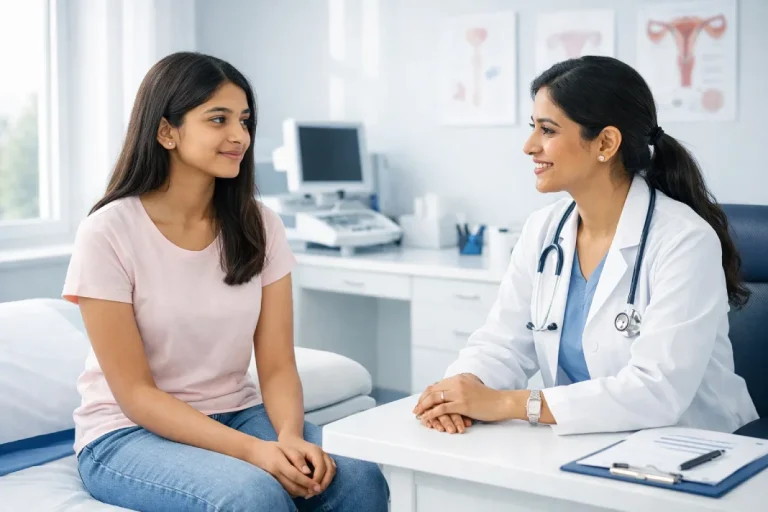
Endometriosis in teens is increasingly being recognized as a major health concern that affects young girls during their most formative years. While mild cramps are common during menstruation, some teenagers experience severe pain that interferes with daily life, studies, and emotional wellbeing. Understanding and addressing this early is crucial because untreated endometriosis can progress, leading to chronic pain and fertility challenges later in life.
At Mayflower Hospital, our adolescent gynecology team provides compassionate, evidence-based care to help teenagers and their families identify symptoms early, receive accurate diagnosis, and find effective treatment solutions. With an emphasis on comfort, education, and minimally invasive treatment options, Mayflower ensures every teen receives the right support to lead a healthy, confident life.
What Is Endometriosis in Adolescents?
Endometriosis in adolescents refers to the presence of tissue similar to the uterine lining growing outside the uterus, often on the ovaries, fallopian tubes, or pelvic lining. Though it is commonly diagnosed in adult women, research now shows that teens can have endometriosis too – sometimes even within a few years after their first period.
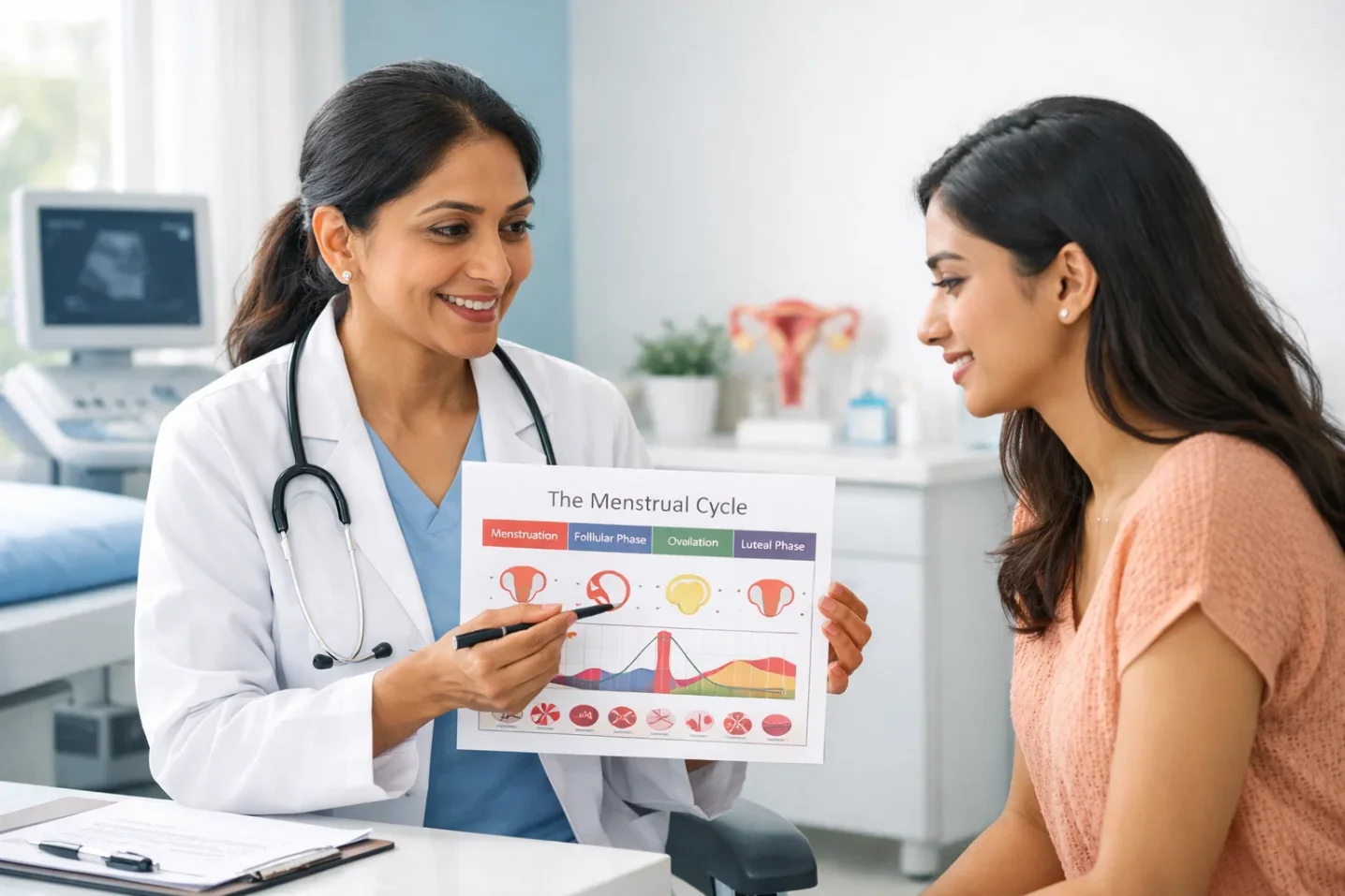
The condition occurs when hormonal changes during puberty trigger inflammation and pain in areas where this tissue grows. Many young girls may assume that intense cramps are normal, but ongoing discomfort, fatigue, and pelvic pain are early warning signs that shouldn’t be ignored.
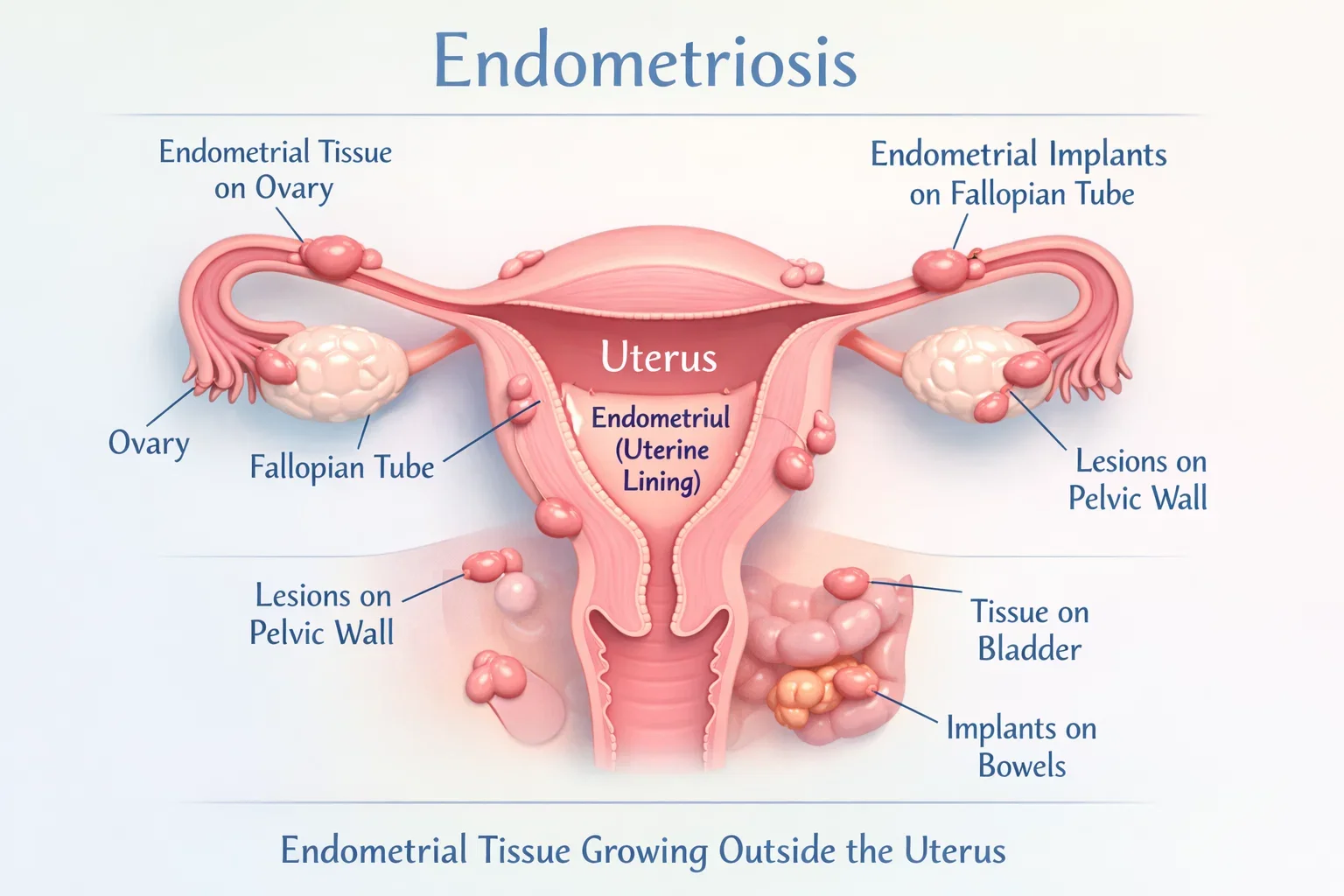
Unlike adults, adolescents often have subtle or atypical symptoms, making diagnosis more complex. That’s why early evaluation by an experienced gynecologist is essential. At Mayflower Hospital, doctors use specialized adolescent care protocols to detect endometriosis early and tailor treatments suited to younger patients’ physical and emotional needs.
Signs and Symptoms of Endometriosis in Teenagers
Recognizing the signs of endometriosis in teenagers can be challenging because many symptoms overlap with normal menstrual discomfort. However, when pain becomes intense, persistent, or begins affecting school, sports, or social life, it may point toward a deeper issue. Awareness is the first step toward timely diagnosis and relief.
Severe Period Pain in Teenage Girls
The most common sign of endometriosis in teens is severe period pain that goes beyond regular cramps. Many young girls describe sharp or throbbing pain that lasts several days and doesn’t fully respond to over-the-counter medications. This discomfort can lead to missed school days and emotional stress.
Doctors emphasize that pain severe enough to disrupt normal life is not normal. If your teen experiences recurring pelvic or lower back pain during menstruation, it’s important to consult a gynecologist rather than dismissing it as “growing pains.”
Other Common Symptoms
Beyond painful periods, endometriosis symptoms in teenage girls can include:
- Pain during urination or bowel movements
- Chronic fatigue and bloating
- Nausea or vomiting during menstruation
- Pain that extends to the lower back or thighs
- Emotional changes due to ongoing discomfort
Because these symptoms vary widely, endometriosis is often mistaken for digestive issues, urinary tract infections, or general hormonal imbalance. A detailed evaluation by a specialist can help pinpoint the root cause early.

What Causes Endometriosis in Teens?
Understanding the causes of endometriosis in teens can help families recognize the condition early and make informed health choices. While the exact cause remains unclear, research suggests that a mix of hormonal, genetic, and immune factors may contribute to why some adolescents develop endometriosis at an early age.
One leading theory is retrograde menstruation, where menstrual blood flows backward into the pelvic cavity instead of exiting through the vagina. This allows endometrial-like cells to implant and grow outside the uterus. However, not all teens with retrograde flow develop endometriosis, which means other biological factors are involved.
Genetics also play a key role – girls with a mother or sister diagnosed with endometriosis have a higher chance of developing it. Additionally, hormonal changes during puberty, weakened immune response, and inflammation can accelerate the growth of these misplaced cells, causing chronic pelvic pain even at a young age.
At Mayflower Hospital, doctors emphasize that while causes may vary, early detection and personalized care can prevent long-term complications. Lifestyle support, balanced nutrition, and guided medical supervision can make a significant difference in symptom management for teens.
How Is Endometriosis Diagnosed in Adolescents?
Diagnosing endometriosis in adolescents can be challenging because symptoms often mimic other conditions such as hormonal imbalances or digestive problems. Many teenage girls spend years searching for answers before getting the correct diagnosis. Early evaluation by a skilled gynecologist is key to preventing long-term discomfort and complications.
The Importance of Early Diagnosis
Recognizing endometriosis early can significantly improve quality of life and future reproductive health. When diagnosis is delayed, inflammation and scar tissue can worsen over time, leading to chronic pelvic pain and fertility issues later in adulthood.
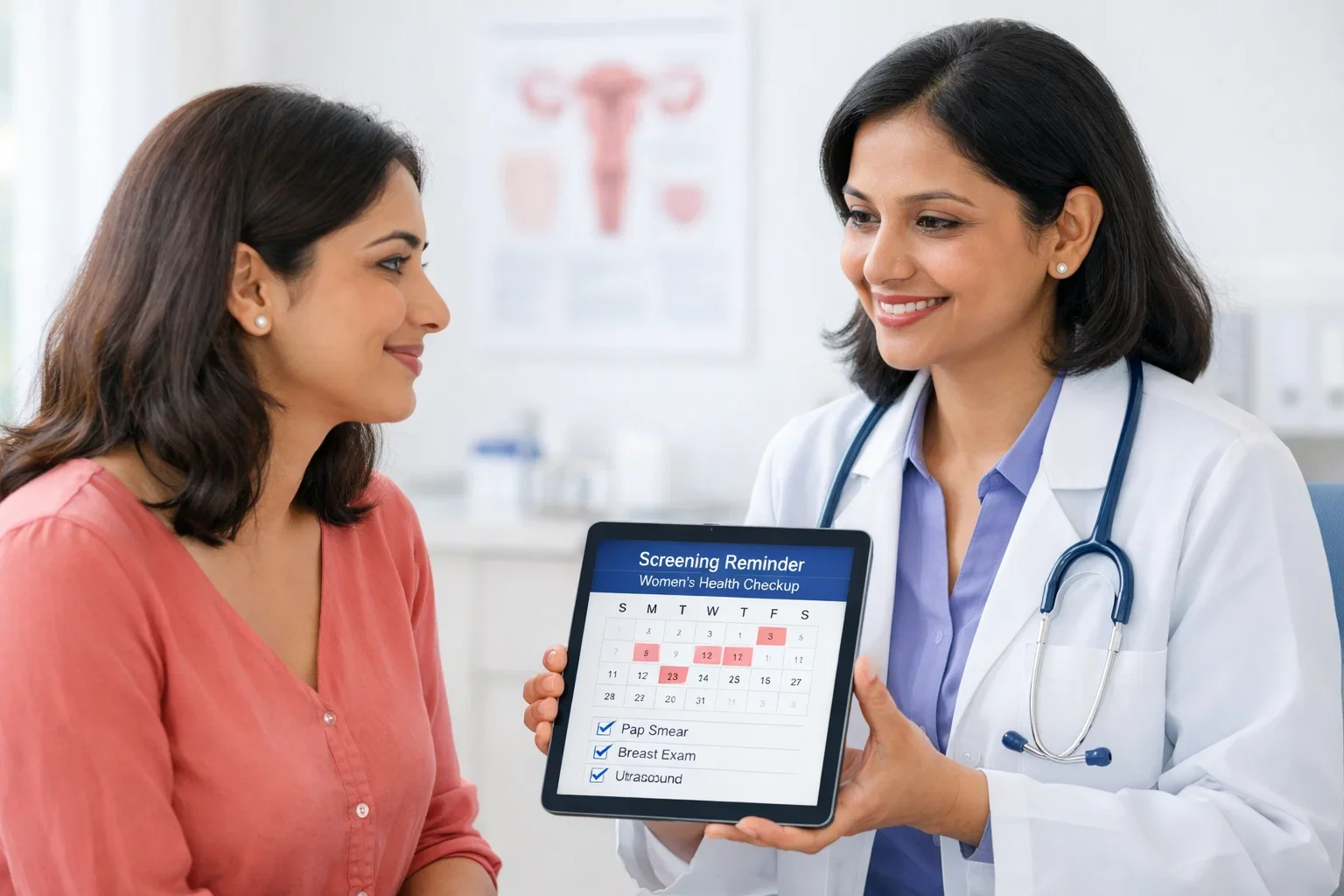
At Mayflower Hospital, specialists trained in adolescent gynecology encourage parents and teens to seek medical advice if menstrual pain feels “different” – unusually strong, long-lasting, or accompanied by fatigue and emotional distress. Early care ensures timely management and minimizes disease progression.
Diagnostic Methods
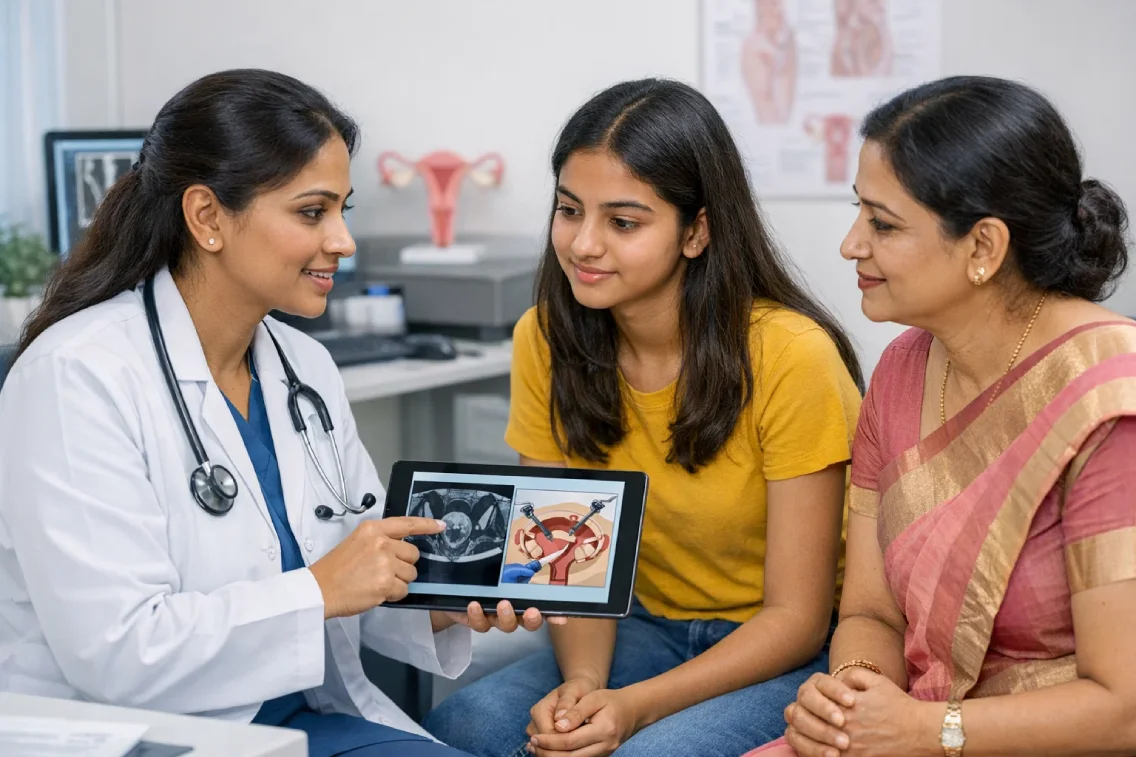
Diagnosing endometriosis in teens begins with a detailed medical history and symptom discussion. Because invasive exams can be uncomfortable for younger patients, doctors often rely on non-invasive tests first.
Common diagnostic tools include:
- Pelvic Ultrasound or MRI: Helps visualize endometrial growth or cysts in the pelvis.
- Blood Tests: Used to rule out infections or hormonal conditions.
- Diagnostic Laparoscopy: A minimally invasive procedure that allows doctors to confirm the presence and extent of endometriosis accurately.
Modern imaging and laparoscopic tools at Mayflower Hospital enable accurate detection with minimal discomfort, helping teens receive early, targeted treatment.
Treatment Options for Endometriosis in Teens
Treating endometriosis in teens requires a personalized and gentle approach that considers both physical symptoms and emotional wellbeing. Since adolescents are still developing hormonally and physically, doctors at Mayflower Hospital emphasize conservative yet effective treatment options that provide long-term relief without compromising fertility.
Medical Management
The first line of treatment for most teens involves pain management and hormonal therapy. Over-the-counter pain relievers like NSAIDs may help reduce cramping and inflammation. However, for persistent symptoms, hormonal medications such as birth control pills, progesterone therapy, or GnRH agonists can be prescribed to regulate menstrual cycles and reduce abnormal tissue growth.
These treatments help manage pain and slow progression, offering symptom control without immediate surgery. Mayflower’s gynecology team closely monitors dosage and response to ensure hormonal balance and minimal side effects.
Minimally Invasive Surgical Options
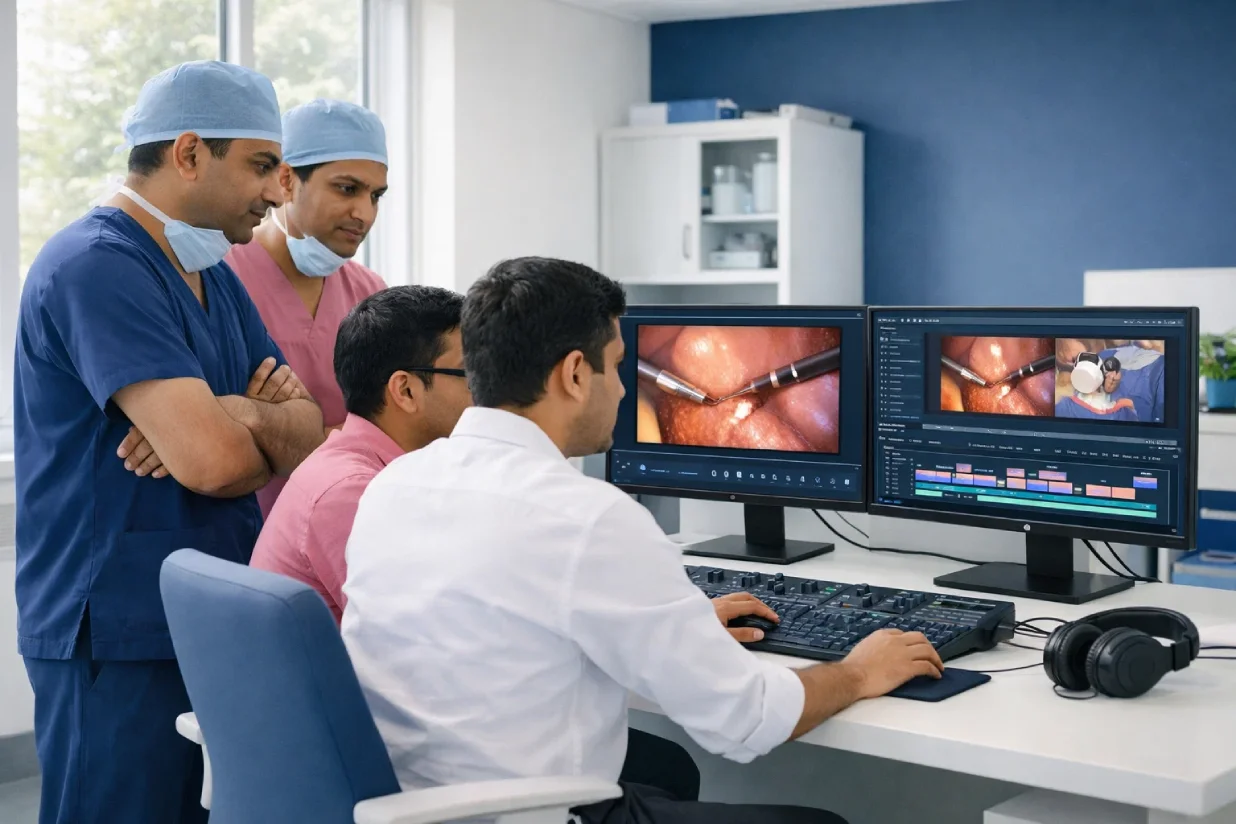
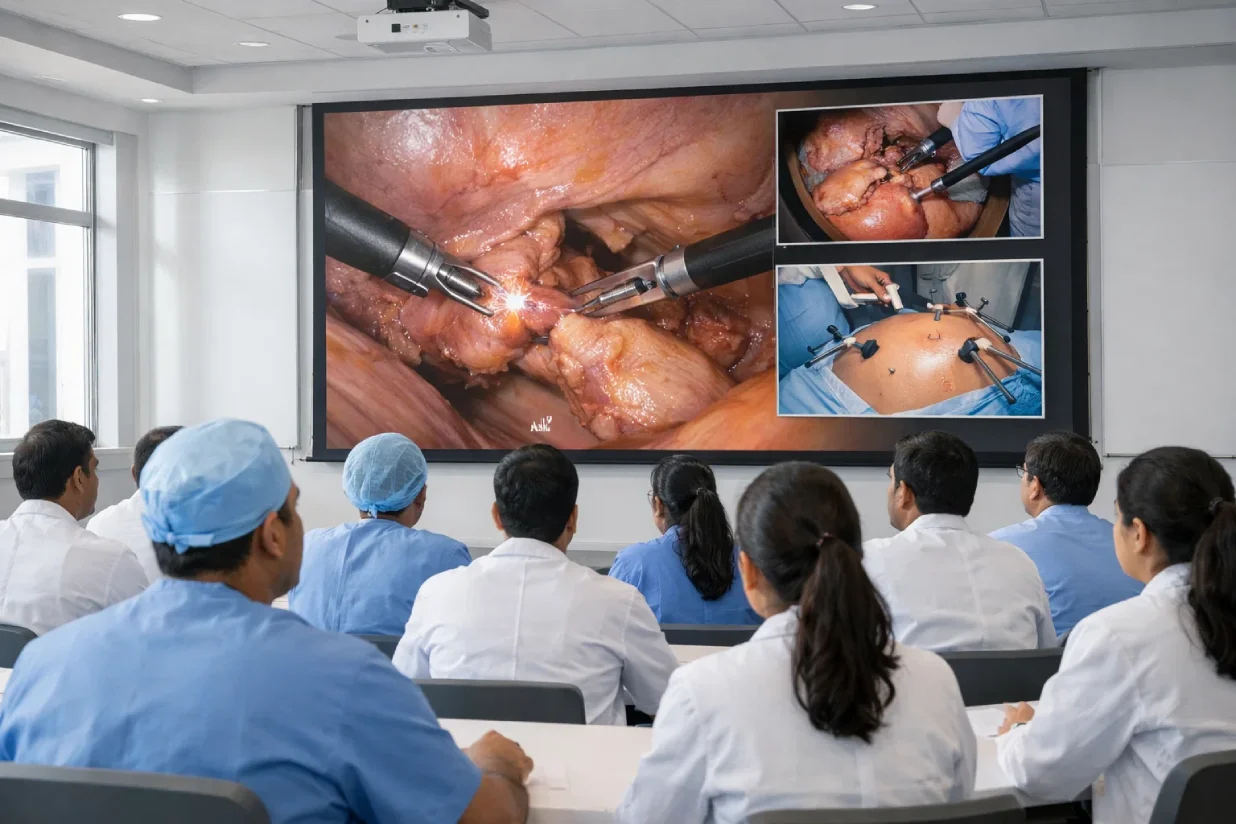
When medication fails to provide adequate relief, laparoscopic surgery is often recommended. This minimally invasive procedure allows doctors to diagnose and remove endometrial lesions accurately while preserving reproductive organs.
At Mayflower Hospital, advanced laparoscopic equipment enables precise treatment with minimal scarring and quick recovery – making it ideal even for adolescent patients. The goal is to restore comfort, prevent recurrence, and protect fertility for the future.
Lifestyle and Holistic Support
Medical therapy is most effective when combined with lifestyle and emotional support. Dietary changes, regular physical activity, and stress management can all reduce inflammation and pain intensity.
Mayflower’s integrative care program also includes counselling, yoga-based relaxation techniques, and nutrition guidance to help teens manage both the physical and emotional aspects of endometriosis. Families are encouraged to be active participants in this healing journey.
Emotional and Social Impact on Teenagers
Beyond physical pain, endometriosis in teens can deeply affect emotional health, confidence, and social life. Living with a chronic condition during adolescence – a stage already filled with self-discovery and peer pressure – can feel isolating and overwhelming. Many girls silently endure pain, missing out on school, sports, or friendships because they fear being misunderstood.
Chronic pain and fatigue often lead to anxiety, mood swings, or even depressive symptoms. Feeling different from peers can lower self-esteem, especially when others dismiss their pain as “normal period cramps.” This lack of understanding can create emotional distress, further aggravating symptoms through stress-related hormonal imbalance.
At Mayflower Hospital, doctors and counsellors recognize the importance of emotional wellbeing as part of endometriosis management. The hospital provides adolescent-friendly counselling, guided support groups, and one-on-one sessions to help teenagers express their feelings and learn healthy coping strategies. These sessions empower teens to regain confidence and understand that endometriosis does not define their potential.
Emotional support also extends to families. When parents understand the mental and physical challenges their child faces, they can offer empathy instead of frustration – creating a safe, nurturing environment for recovery.
How Parents and Caregivers Can Offer Support
Parents play a vital role in helping teens manage endometriosis – not only through medical appointments but also through emotional reassurance. Teenagers may struggle to express their pain or may fear that their symptoms will be dismissed as “overreacting.” Creating a safe, understanding environment at home is the first step toward long-term well-being.

When parents recognize that severe period pain in teenage girls is not normal, it changes everything. Early medical attention can prevent years of discomfort and protect fertility in adulthood. Encouraging open dialogue helps teens share their symptoms honestly, making it easier for doctors to assess their condition accurately.
Here are some practical ways parents and caregivers can support their teens:
- Listen without judgment: Let them describe their pain and emotions freely.
- Track symptoms together: Keep a menstrual and pain diary for doctor visits.
- Encourage medical evaluation: Consult a gynecologist experienced in adolescent care.
- Promote healthy habits: Balanced diet, sleep, and gentle physical activity aid recovery.
- Offer emotional support: Validate their experiences and remind them they’re not alone.
At Mayflower Hospital, our specialists guide families through every step of diagnosis, treatment, and emotional care. Parental involvement is integral to ensuring consistent management and improved outcomes for teens living with endometriosis.
If your teen struggles with recurring pain or discomfort during periods, book a consultation at Mayflower’s Adolescent Gynecology Department for expert assessment and guidance.
Mayflower Hospital’s Specialized Teen Endometriosis Care
Managing endometriosis in teens requires not only advanced medical technology but also deep compassion and age-specific expertise. Mayflower Hospital brings both – combining world-class infrastructure with a patient-first approach that prioritizes comfort, education, and confidence for every young girl who walks through its doors.
Our multidisciplinary team includes gynecologists, laparoscopic surgeons, adolescent counsellors, nutritionists, and pain specialists who work together to create customized treatment plans. This collaborative approach ensures that each teenager receives holistic care – from accurate diagnosis to emotional recovery.
Key highlights of Mayflower’s adolescent endometriosis care include:
- Minimally invasive laparoscopy for precise diagnosis and lesion removal.
- Personalized hormonal therapy plans designed for teenage physiology.
- Comprehensive counselling for both patients and parents.
- Nutritional and lifestyle guidance to manage inflammation naturally.
- Post-treatment monitoring to prevent recurrence and support fertility preservation.
With an exceptional track record in adolescent gynecology, Mayflower Hospital stands among the few centers in India offering such specialized care for young patients with endometriosis. Our focus on empathy and evidence-based medicine helps teens reclaim their normal lives, free from chronic pain and uncertainty.
Whether your child needs medical management, laparoscopic evaluation, or holistic guidance, Mayflower’s team is here to help – ensuring every patient feels heard, supported, and empowered.
When to See a Doctor
Many families assume that painful or heavy periods are a normal part of growing up. However, when menstrual pain begins to limit a teen’s ability to study, exercise, or enjoy daily life, it’s time to seek professional help. Persistent discomfort is never something a teenager should “just live with.”
You should consult a doctor if your teen experiences:
- Pelvic or abdominal pain lasting more than two days during every cycle
- Fatigue, nausea, or dizziness that interrupts school or activities
- Painful urination or bowel movements during periods
- Pain that worsens over time despite medication
Early evaluation can make a life-changing difference. With timely diagnosis, endometriosis in teens can be effectively managed, helping young girls regain comfort and confidence in their daily lives.
If your teen shows any of these symptoms, schedule an appointment at Mayflower Hospital’s Adolescent Gynecology Departmenttoday. Our experts provide accurate diagnosis and personalized care to ensure long-term wellness.
Conclusion
Living with endometriosis in teens can be confusing and painful, but with the right medical guidance, recovery and comfort are absolutely possible. Early awareness, accurate diagnosis, and a supportive care system make all the difference in helping teenagers lead normal, confident lives.
At Mayflower Hospital, our adolescent gynecology specialists combine advanced laparoscopic techniques, hormonal therapy, and emotional support to treat endometriosis holistically. Every teen is treated with empathy, dignity, and the reassurance that their pain is real – and manageable with proper care.
Whether your teen is struggling with severe menstrual pain, fatigue, or recurring discomfort, don’t wait for symptoms to worsen. Reach out to Mayflower Hospital’s expert team and take the first step toward a pain-free, healthy future.
Book your consultation today and empower your teen with early diagnosis and personalized endometriosis treatment at Mayflower Hospital.
FAQs About Endometriosis in Teens
Early signs include severe period pain, fatigue, nausea, and pelvic discomfort that interferes with school or daily life. If these symptoms persist or worsen each month, a gynecologist should evaluate for endometriosis.
Treatment depends on symptom severity and may include pain relief medications, hormonal therapy, or laparoscopic surgery. At Mayflower Hospital, care plans are personalized to balance symptom relief with long-term reproductive health.
Yes. If untreated, endometriosis can lead to scarring and inflammation that affect fertility. Early treatment helps protect reproductive health and prevent future complications.
Yes, laparoscopic surgery is minimally invasive and safe for teenagers when performed by experienced specialists. It allows accurate diagnosis and gentle removal of lesions with quick recovery time.
Parents and educators can support teens by encouraging medical evaluation, offering emotional reassurance, and making reasonable adjustments at school. Awareness and understanding are key to reducing stigma and promoting timely care.