


Endometriosis treatment is not just about managing pain – it’s about improving a woman’s quality of life. For many women, the journey begins with unexplained pelvic pain, heavy periods, or difficulty conceiving. These symptoms often lead to countless questions: Why am I feeling this pain? Can it be cured? Will I be able to get pregnant?
Endometriosis is a chronic condition where tissue similar to the uterine lining grows outside the uterus, causing inflammation and discomfort. Despite its prevalence, it remains underdiagnosed, leaving many women searching for clear answers. At Mayflower Women’s Hospital, our specialists provide comprehensive, evidence-based care combining advanced laparoscopic techniques, personalized hormonal therapy, and fertility-focused management.
This blog addresses the most frequently asked questions about endometriosis – from its causes and symptoms to treatment options, diet tips, and fertility solutions. Whether you’ve been newly diagnosed or are seeking long-term relief, this guide will help you understand your body better and explore treatment pathways that bring real, lasting comfort.
Let’s start by understanding what endometriosis really is and how it develops.
What Is Endometriosis and Why Does It Occur?
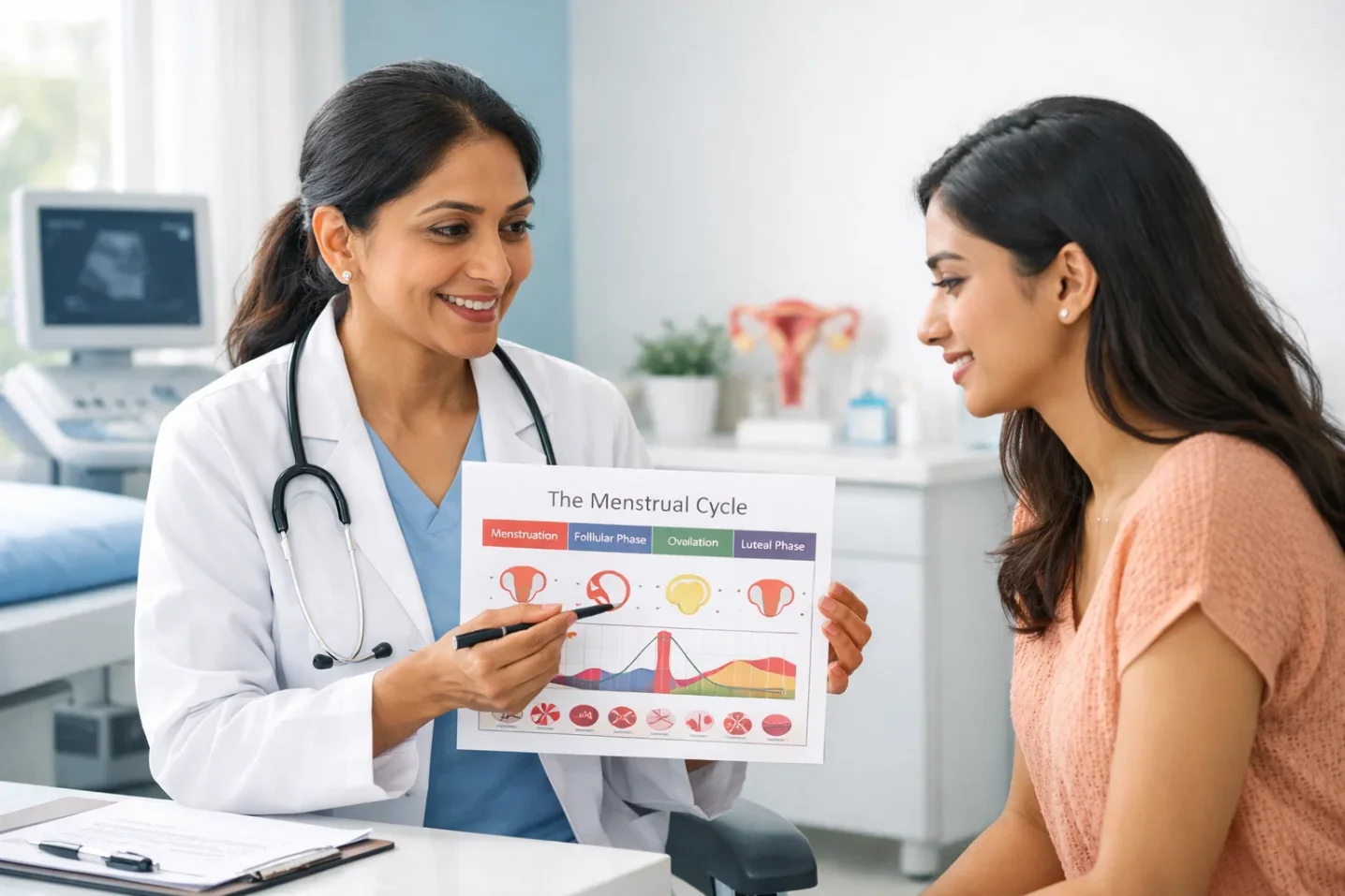
Endometriosis treatment begins with understanding the condition itself. Endometriosis occurs when tissue similar to the lining of the uterus – called the endometrium – starts growing outside the uterus. These misplaced tissues behave like normal endometrial cells, thickening and bleeding during each menstrual cycle. However, since they have no way to exit the body, they cause internal inflammation, pain, and sometimes the formation of scar tissue or cysts.
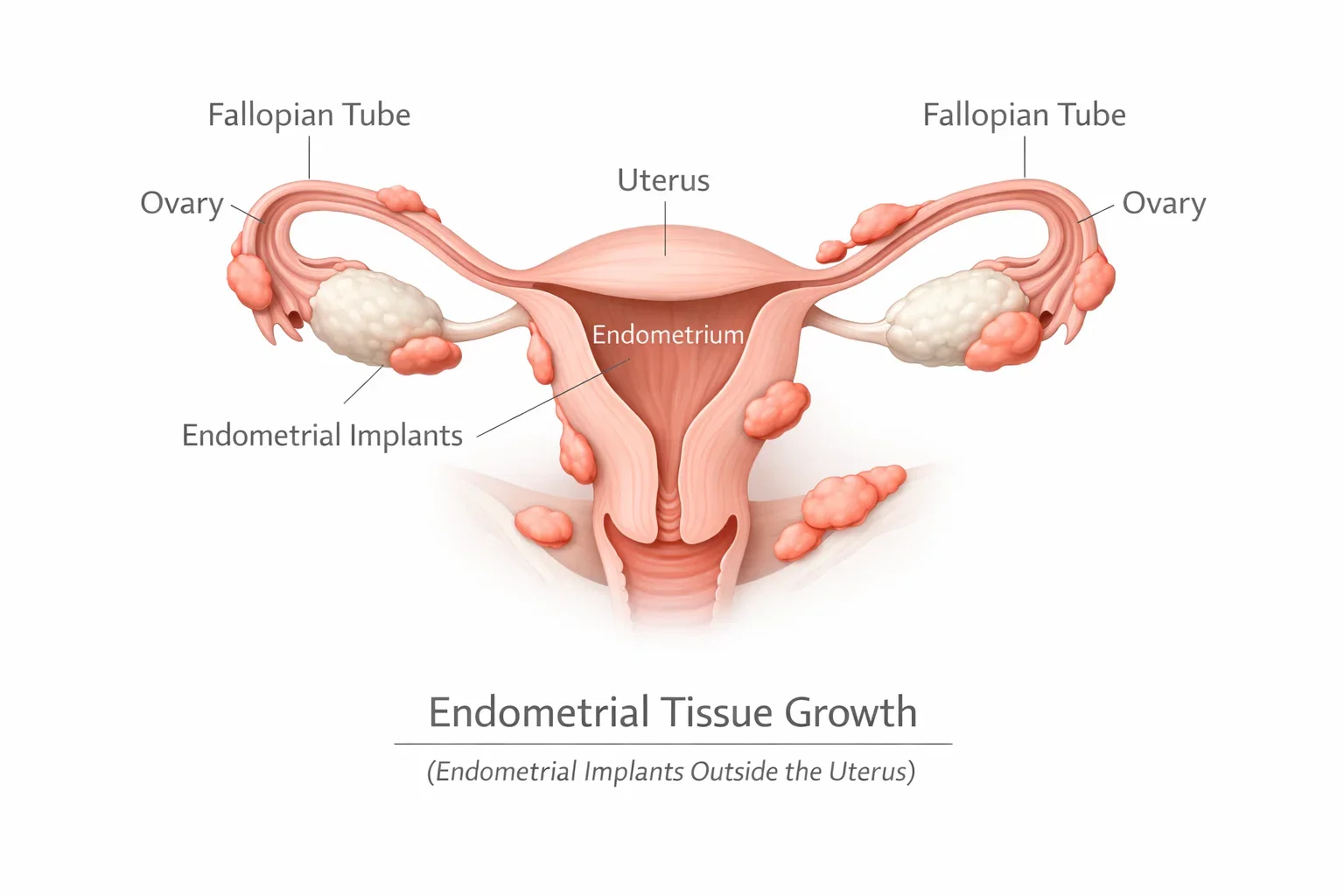
Many women first hear about endometriosis when seeking answers for severe menstrual pain or fertility issues. The exact endometriosis causes are still being researched, but medical experts identify a few leading theories:
- Retrograde menstruation: menstrual blood flows backward into the pelvis instead of leaving the body.
- Hormonal imbalance: high estrogen levels can stimulate endometrial tissue growth outside the uterus.
- Genetic factors: women with a family history of endometriosis are more likely to develop it.
- Immune system issues: the body may fail to identify and destroy misplaced endometrial tissue.
Endometriosis can affect women of any reproductive age but is most common between 25 and 40. Early detection and treatment are crucial because the condition can worsen over time and impact fertility.
At Mayflower Women’s Hospital, specialists use advanced diagnostic tools like transvaginal ultrasound and laparoscopic evaluation to detect even subtle signs of the disease. Understanding its origin helps personalize the treatment – from pain relief and hormone therapy to minimally invasive surgery and fertility preservation.
The next step is recognizing the warning signs. Knowing the symptoms early can help women seek timely care and prevent long-term complications.
Common Endometriosis Symptoms Every Woman Should Know
Recognizing the endometriosis symptoms early is the first step toward timely endometriosis treatment. For many women, the condition begins subtly – period pain that feels slightly worse than usual or fatigue that lingers for days. Over time, these signs may intensify, often being mistaken for normal menstrual discomfort or other gynecological issues.
The most common symptoms of endometriosis include:
- Pelvic pain: usually before or during menstruation, and sometimes during ovulation.
- Pain during intercourse: caused by endometrial tissue behind the uterus.
- Heavy or irregular menstrual bleeding: prolonged or frequent periods.
- Fatigue and weakness: due to chronic inflammation or anemia from heavy bleeding.
- Infertility: difficulty conceiving can be one of the earliest signs.
- Pain during bowel movements or urination: especially around the menstrual cycle.
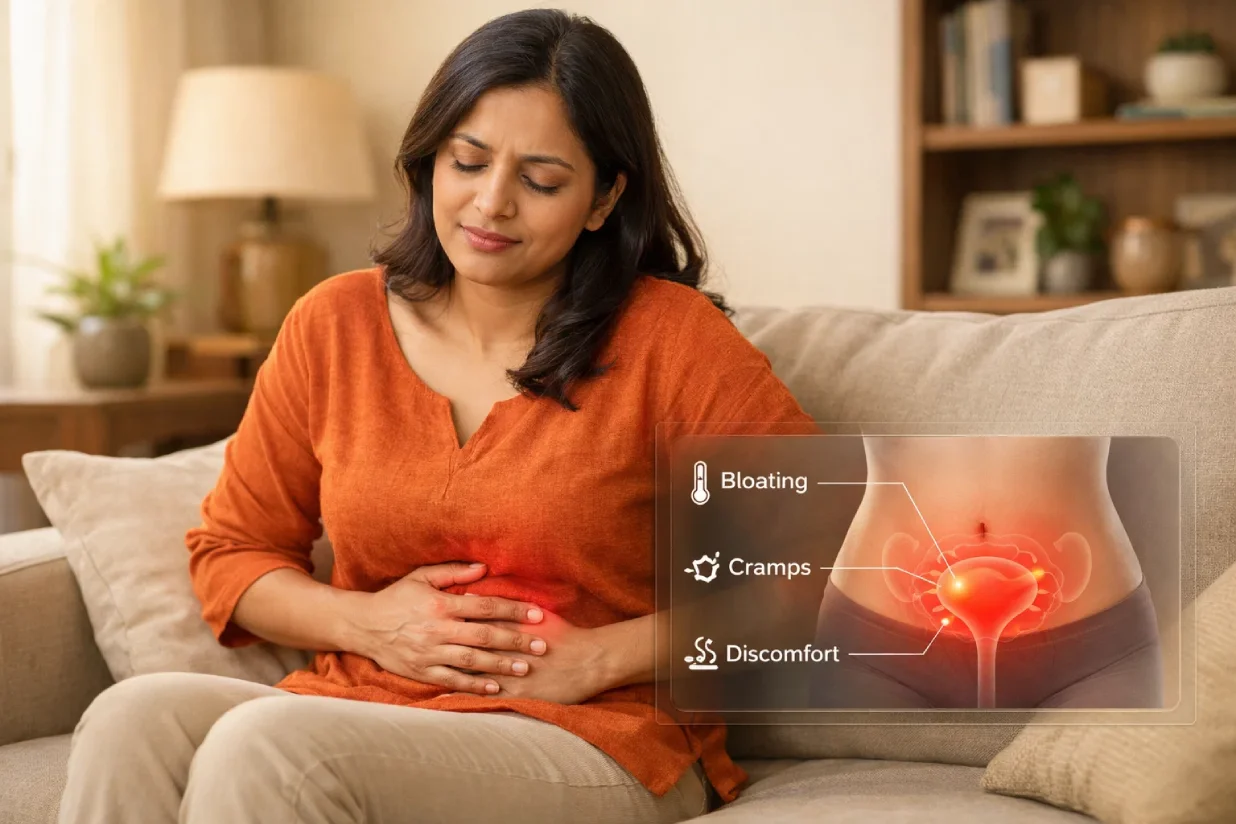
The intensity of these symptoms doesn’t always reflect the disease’s severity. Some women with extensive endometrial growths experience mild pain, while others with minimal lesions may have severe discomfort. Because of this, accurate diagnosis requires professional evaluation.
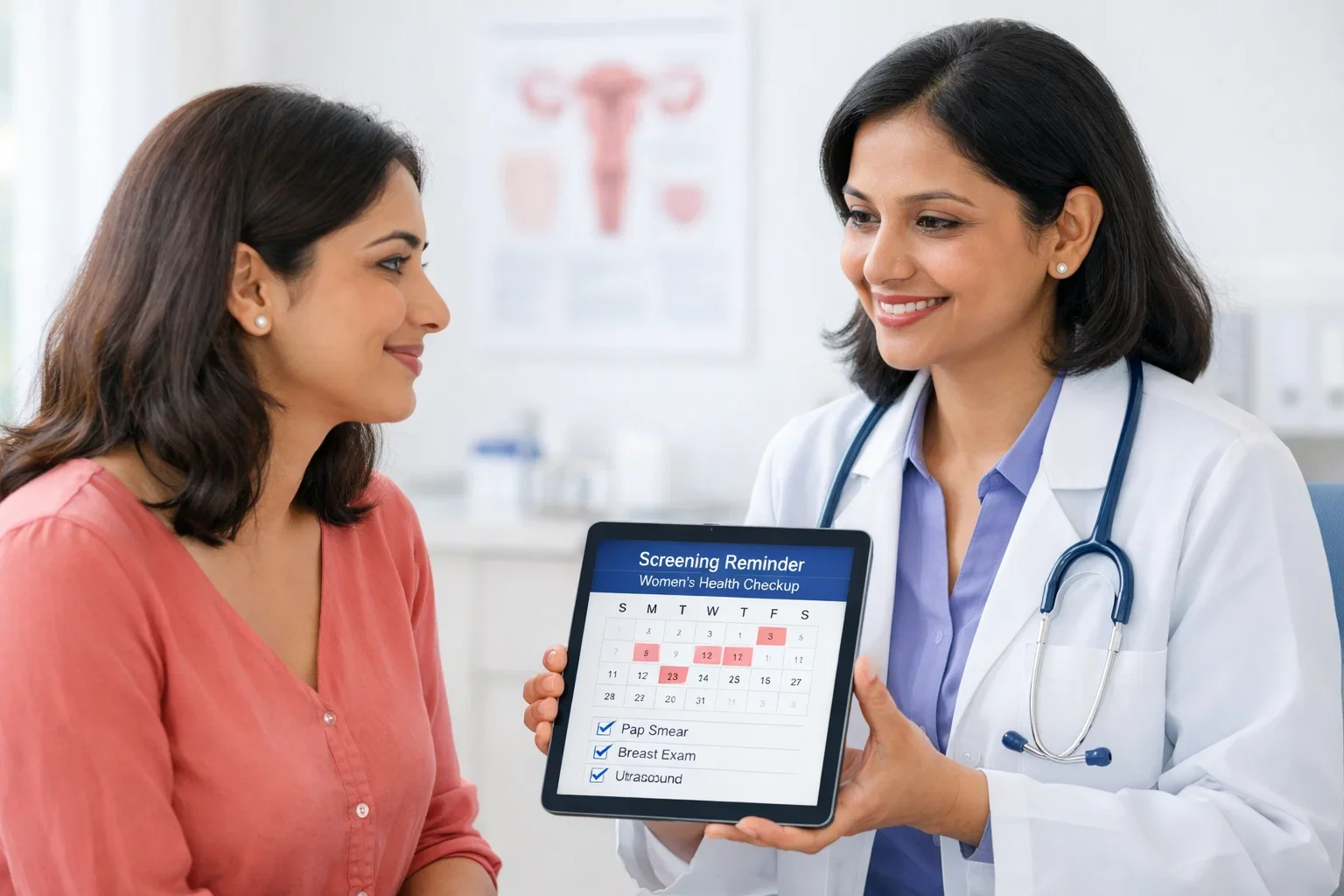
At Mayflower Women’s Hospital, our gynecologists perform detailed pelvic examinations, ultrasound scans, and diagnostic laparoscopy to identify endometriosis accurately. Early intervention can help prevent complications such as ovarian cysts, adhesions, and fertility issues.
If you regularly experience severe cramps, heavy bleeding, or exhaustion that affects daily life, it’s important not to ignore these symptoms. Seeking an evaluation from a gynecologist can help you understand whether endometriosis might be the cause – and guide you toward the right care plan.
Now that you know how to spot the warning signs, let’s explore what actually causes endometriosis and who is at higher risk of developing it.
How Endometriosis Affects Fertility and Overall Health
One of the most concerning complications women face with endometriosis treatment is its effect on fertility. Endometriosis doesn’t just cause pelvic pain – it can also interfere with ovulation, egg quality, and the function of reproductive organs, making conception difficult for many women.
When endometrial tissue grows around the ovaries, fallopian tubes, or pelvic lining, it can form adhesions (scar tissue) that block the passage of eggs or prevent fertilization. In some cases, ovarian cysts (endometriomas) can also affect hormone balance and egg reserve. This is why endometriosis and infertility often go hand in hand.
However, it’s important to note that not all women with endometriosis will face infertility. With early diagnosis, proper management, and the right medical support, many women can successfully conceive.
Can I Get Pregnant with Endometriosis?
Yes – it’s absolutely possible to get pregnant with endometriosis. At Mayflower Women’s Hospital, our fertility specialists design personalized treatment plans based on the stage of the condition. For mild cases, managing inflammation and hormonal balance may improve natural conception chances. In more advanced cases, assisted reproductive techniques like IUI (Intrauterine Insemination) or IVF (In Vitro Fertilization) can be highly effective.
Besides fertility, endometriosis can also impact overall health. Chronic pain can lead to fatigue, stress, and even anxiety or depression. It may also cause bowel or urinary discomfort, affecting a woman’s daily quality of life.
A holistic approach that combines gynecological care, pain management, and fertility planning can significantly improve both reproductive and emotional wellbeing. If you’re struggling to conceive or dealing with persistent pelvic pain, early consultation with an expert can help you regain control of your health.
Now that we’ve discussed how endometriosis affects fertility and wellbeing, let’s explore the treatment options available – from medical management to advanced surgical care.
Endometriosis Treatment Options: From Relief to Recovery
Effective endometriosis treatment focuses on two key goals – relieving pain and preserving fertility. The right plan depends on the severity of symptoms, the woman’s age, and whether she wishes to conceive. At Mayflower Women’s Hospital, treatment plans are designed with a balance of medical precision and compassionate care, helping women regain comfort and control over their lives.
Non-Surgical Treatments and Pain Relief
For mild to moderate symptoms, non-surgical treatments can help manage pain and reduce inflammation. These include:
- Hormonal therapy: Oral contraceptives, progestins, and GnRH agonists help regulate or stop menstruation, reducing endometrial tissue growth.
- Pain medications: NSAIDs such as ibuprofen can relieve pelvic pain and cramps.
- Lifestyle changes: Regular exercise, stress reduction, and adequate sleep can enhance overall wellbeing.
- Diet management: An anti-inflammatory endometriosis diet rich in leafy greens, berries, and omega-3 fatty acids can support hormonal balance.
These treatments aim for sustainable endometriosis pain relief, helping women maintain daily activities without discomfort. However, if symptoms persist or fertility is affected, surgical options may be recommended.
Surgical Treatments: Laparoscopy and Beyond
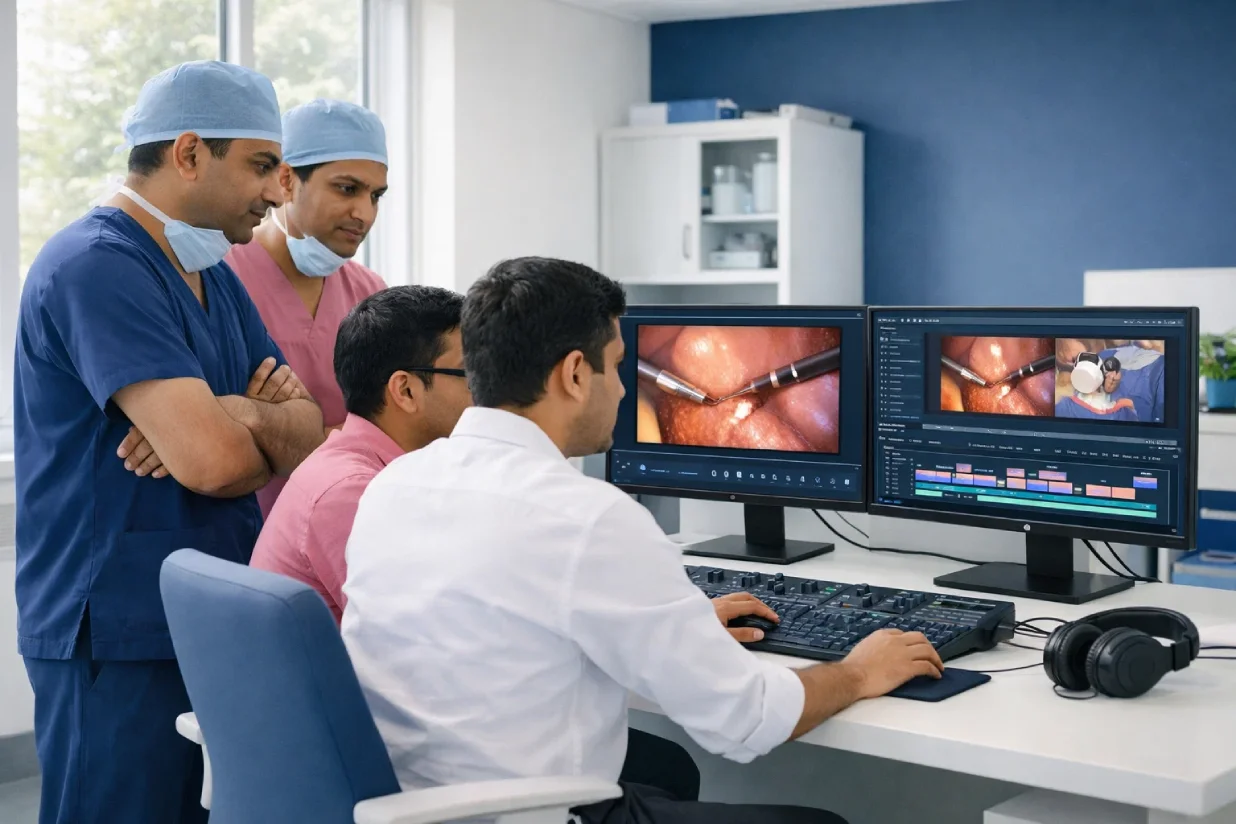
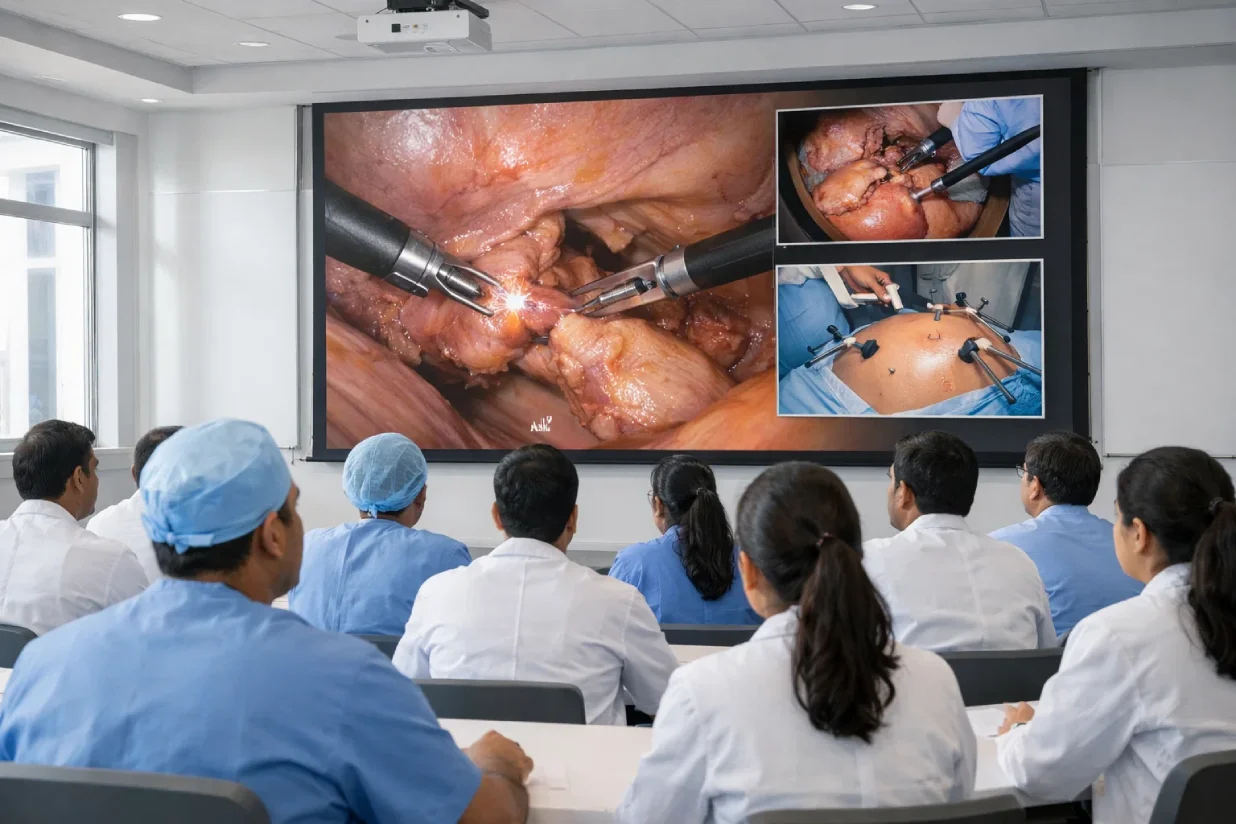
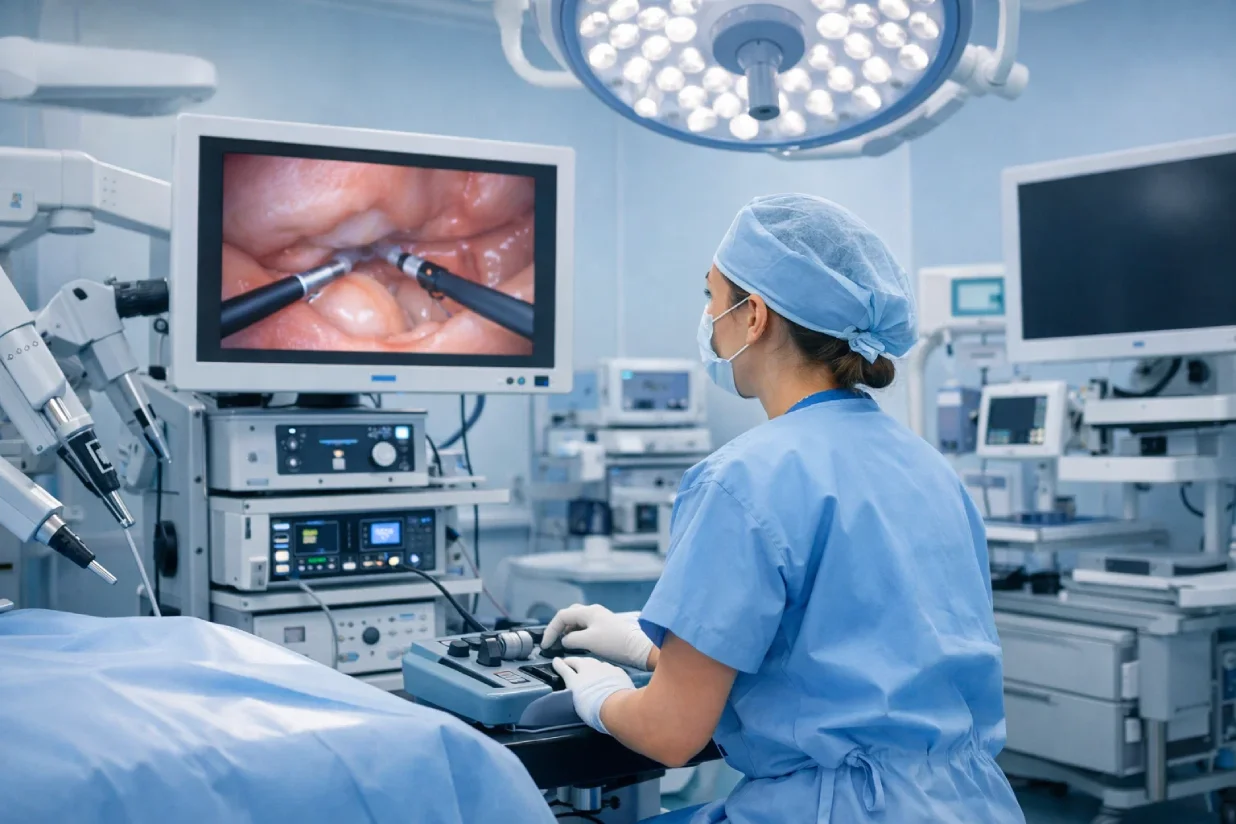
Surgery remains the most effective option for diagnosing and removing endometrial growths. Laparoscopic surgery is considered the gold standard because it’s minimally invasive and ensures faster recovery. During the procedure, a small camera (laparoscope) is inserted through tiny incisions to locate and remove or destroy endometrial tissue.
At Mayflower, our laparoscopic experts use advanced 3D imaging and precision instruments to ensure safe removal of lesions while preserving fertility. Many women report significant pain reduction and improved conception rates post-surgery.
Is There a Permanent Cure for Endometriosis?
While there’s no guaranteed endometriosis cure, the condition can be effectively managed through a combination of surgery, hormonal therapy, and lifestyle modification. Ongoing care and monitoring are essential since symptoms can recur.
At Mayflower, long-term management plans include regular follow-ups, pain management therapy, and fertility tracking. This multidisciplinary approach ensures that every patient receives not just treatment – but ongoing support toward better reproductive health.
Alongside medical and surgical treatment, diet and lifestyle play a key role in controlling inflammation and improving recovery – which we’ll explore next.
The Role of Diet and Lifestyle in Endometriosis Management
When it comes to endometriosis treatment, medical care and surgery are only part of the solution. The right diet and lifestyle choices can help reduce inflammation, balance hormones, and support long-term pain relief. Although food alone cannot cure the condition, an anti-inflammatory and nutrient-rich diet can significantly improve quality of life for women managing endometriosis.
Building an Endometriosis-Friendly Diet
Research suggests that certain foods may aggravate or ease endometriosis symptoms. Adopting an endometriosis diet that supports hormonal balance and reduces inflammation can complement medical treatment.
Foods to Include:
- Leafy greens & cruciferous vegetables (spinach, broccoli, kale) – aid in estrogen regulation.
- Omega-3 rich foods (salmon, flaxseeds, walnuts) – reduce inflammation.
- Whole grains & legumes – support digestive health and hormone metabolism.
- Berries, turmeric, and green tea – powerful antioxidants for cell repair.
Foods to Limit or Avoid:
- Red meat and processed foods – may increase estrogen levels and inflammation.
- Caffeine and alcohol – can disrupt hormonal balance.
- Refined sugars and white flour – trigger inflammation and fatigue.
A well-balanced diet not only supports physical health but can also enhance endometriosis pain relief, reduce bloating, and improve energy levels.
Lifestyle Habits That Support Healing
Lifestyle changes play an equally vital role. Gentle activities such as yoga, stretching, and walking can improve circulation and reduce pelvic tension. Managing stress through meditation or deep breathing exercises can also lower inflammation markers in the body.
At Mayflower Women’s Hospital, nutritionists and physiotherapists collaborate with gynecologists to create personalized lifestyle plans for patients. This multidisciplinary care ensures that treatment extends beyond the operating room – empowering women to take control of their health naturally.
Next, let’s understand how Mayflower’s specialists approach endometriosis care – combining advanced medical technology with compassionate, evidence-based guidance.
Expert Insights: How Specialists at Mayflower Approach Treatment
At Mayflower Women’s Hospital, endometriosis care goes beyond symptom control – it’s about restoring health, fertility, and confidence through compassionate, expert-led management. Our specialists combine clinical experience with modern technology to offer personalized endometriosis treatment plans that address the root causes rather than temporary relief.
A Multidisciplinary and Evidence-Based Approach
Every patient’s journey with endometriosis is unique. That’s why our treatment model integrates the expertise of gynecologists, laparoscopic surgeons, fertility specialists, dietitians, and physiotherapists under one roof. This multidisciplinary team works together to design customized treatment pathways based on disease stage, pain level, and reproductive goals.
Our approach includes:
- Accurate diagnosis: through advanced imaging and diagnostic laparoscopy.
- Minimally invasive surgery: using precision laparoscopic tools to remove lesions with minimal trauma.
- Hormonal & pain management: targeting inflammation and cycle control.
- Fertility support: for women trying to conceive post-surgery or under medical management.
- Holistic aftercare: including physiotherapy, nutrition, and mental health support.
The Mayflower Advantage
What sets Mayflower apart is its patient-centric philosophy. Each woman receives individual attention – from diagnosis to recovery – ensuring emotional support and medical transparency throughout the process. The hospital is equipped with state-of-the-art laparoscopic suites and fertility labs, allowing for seamless coordination between surgical and reproductive care.
“Our goal is to give every woman the freedom to live without pain and the confidence to plan her future,”
– says Dr. Sanjay Patel, Laparoscopic Surgeon and Endometriosis Specialist at Mayflower.
This integrated, empathetic approach not only delivers exceptional outcomes but also builds trust and long-term relationships with patients seeking lasting relief.
Now that we’ve seen how specialists tackle the condition, let’s look at real-world success stories that showcase hope and healing after treatment.
Endometriosis Success Stories: Hope and Healing
Hearing real patient experiences can bring hope to those newly diagnosed with endometriosis. At Mayflower Women’s Hospital, every success story is a testament to the power of accurate diagnosis, expert care, and unwavering patient support. These journeys reflect that with the right endometriosis treatment, recovery and renewed fertility are truly possible.
Rekha’s Story – From Daily Pain to a Pain-Free Life
Rekha, a 32-year-old working professional, had suffered from severe menstrual cramps and fatigue for years. Multiple consultations failed to pinpoint the cause. When she finally came to Mayflower, a detailed laparoscopy revealed Stage III endometriosis. Through laparoscopic excision and tailored hormonal therapy, Rekha experienced remarkable endometriosis pain relief. Within three months, she returned to her active lifestyle – pain-free and confident.
Nidhi’s Journey – Finding Hope in Fertility
Nidhi and her partner had been trying to conceive for two years without success. Tests revealed endometriosis-related infertility. At Mayflower’s IVF unit, a personalized fertility plan combining surgical removal of adhesions with subsequent IVF treatment resulted in a successful pregnancy. Today, she proudly calls her baby “the miracle Mayflower helped create.”
This case highlights how endometriosis and infertility can be overcome with precise surgical and reproductive care working hand-in-hand.
Maya’s Transformation – Healing Beyond Surgery
Maya, aged 27, faced recurring pelvic pain despite previous surgeries at another center. At Mayflower, specialists took a holistic route – incorporating dietary guidance, physiotherapy, and mental health support. Within months, she noticed improved energy levels and reduced flare-ups. Maya’s journey shows that managing endometriosis isn’t just about surgery – it’s about healing the whole body.
These stories symbolize hope, resilience, and the importance of seeking specialized care. Each woman’s success reinforces that with timely diagnosis, personalized treatment, and expert follow-up, life after endometriosis can be vibrant, pain-free, and fulfilling.
To make recovery even smoother, let’s explore a simple checklist of practical tips for managing endometriosis in everyday life.
Practical Checklist: Managing Endometriosis Daily
Living with endometriosis can be challenging, but the right self-care habits can make a world of difference. Alongside medical endometriosis treatment, maintaining a consistent daily routine helps manage pain, reduce flare-ups, and promote emotional wellbeing. Here’s a simple, evidence-backed checklist to help you take control of your condition and live more comfortably.
Your Everyday Endometriosis Wellness Checklist
1. Track Your Symptoms Regularly
Keep a daily log of pain patterns, menstrual cycles, and fatigue levels. This helps your doctor fine-tune your treatment plan and monitor progress.
2. Follow an Anti-Inflammatory Diet
Stick to your endometriosis diet – rich in vegetables, fruits, whole grains, and omega-3 sources. Avoid excess caffeine, red meat, and refined sugars that can trigger inflammation.
3. Move Your Body Gently
Try yoga, stretching, or low-impact exercises like walking. Regular movement increases blood flow and eases pelvic tension.
4. Prioritize Rest and Stress Management
Poor sleep and stress can worsen endometriosis symptoms. Practice mindfulness or guided relaxation to calm your body and mind.
5. Schedule Regular Medical Checkups
Visit your gynecologist every 6–12 months for pelvic exams or imaging to track condition changes. Early intervention prevents complications and helps maintain long-term comfort.
6. Manage Pain Holistically
Alongside prescribed medication, try warm compresses, physiotherapy, or acupuncture for complementary endometriosis pain relief.
7. Seek Emotional Support
Join support groups or counseling sessions to share experiences. Emotional wellness plays a vital role in overall healing and resilience.
When to Seek Immediate Help
If you experience sudden, sharp pelvic pain, excessive bleeding, or fainting, contact your doctor immediately. These could indicate complications such as cyst rupture or internal bleeding that require prompt attention.
By following these practical steps, women can regain a sense of control over their daily life and improve both physical and mental wellbeing. At Mayflower Women’s Hospital, our specialists guide patients through every phase – from diagnosis to recovery – ensuring you never walk this journey alone.
Conclusion: Take the First Step Toward Relief
Endometriosis treatment is not just about managing pain – it’s about regaining control, confidence, and comfort in everyday life. For many women, understanding the condition brings the first sense of clarity after years of confusion and discomfort. The key is early diagnosis, the right care team, and a long-term approach that combines medicine, surgery, and lifestyle balance.
At Mayflower Women’s Hospital, we believe in treating every woman as a whole – not just her symptoms. Our experts specialize in advanced laparoscopic endometriosis surgery, fertility preservation, and holistic recovery programs tailored to each patient’s needs. Whether your goal is pain relief, restoring hormonal balance, or planning pregnancy, our multidisciplinary team provides the expertise and empathy to support you at every step.
Endometriosis may be a chronic condition, but it does not define your life. With consistent medical guidance, nutritional care, and emotional support, you can live freely and confidently again.
If you’re struggling with pelvic pain, fatigue, or fertility challenges, don’t wait for symptoms to worsen. Reach out to Mayflower Hospital’s Endometriosis Specialists to get a personalized evaluation and treatment plan that helps you find lasting relief.
“Pain is not normal – it’s your body’s way of asking for care. Let’s start the journey toward healing today.”
Frequently Asked Questions (FAQs)
Patients often have many concerns about endometriosis treatment, fertility, and daily living. Our specialists at Mayflower Women’s Hospital have answered the most common questions to help you understand this condition better and make informed health decisions.
Endometriosis occurs when uterine-like tissue grows outside the uterus, leading to inflammation and pain. Diagnosis typically involves a pelvic exam, ultrasound, or laparoscopic evaluation to confirm the presence and severity of endometrial lesions. Early diagnosis can help prevent complications and support fertility planning.
Yes, in some women it can. The condition may block fallopian tubes or affect ovulation. However, with timely endometriosis treatment and assisted reproductive technologies like IUI or IVF, many women successfully conceive and deliver healthy babies.
Treatment depends on the severity and your reproductive goals. Options include hormonal therapy, pain management, and laparoscopic surgery. A holistic plan that combines medical, surgical, and lifestyle interventions usually offers the best outcomes.
While there’s no absolute endometriosis cure, symptoms can be effectively managed. Long-term strategies like hormonal therapy, periodic monitoring, and healthy lifestyle habits can help maintain comfort and prevent recurrence.
Yes. An endometriosis diet rich in omega-3 fats, whole grains, vegetables, and antioxidants helps control inflammation. Avoid processed foods, red meats, and excessive caffeine for better endometriosis pain relief.
Absolutely. Many women conceive naturally or with the help of fertility treatments after controlling inflammation and removing lesions surgically. Consult a fertility specialist to explore personalized treatment options.
Pain relief may involve anti-inflammatory medication, hormonal therapy, and lifestyle adjustments. Complementary therapies such as yoga, physiotherapy, and acupuncture can also provide lasting relief.
At Mayflower Women’s Hospital, our specialists combine cutting-edge laparoscopic technology with personalized, compassionate care. From diagnosis to fertility planning and postoperative rehabilitation, patients receive end-to-end support – empowering them to live pain-free and confident lives.