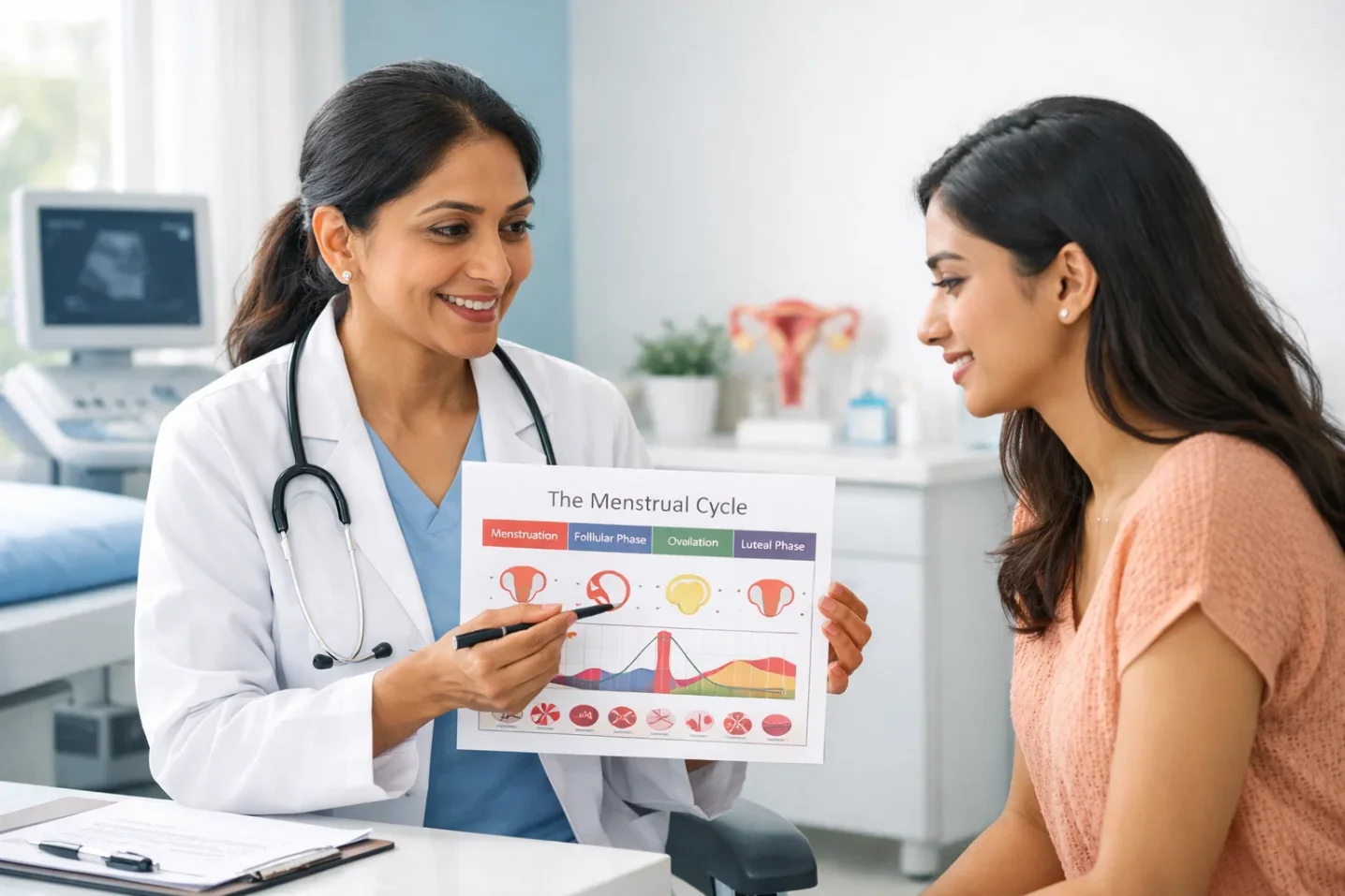






Endometriosis fatigue is one of the most overlooked yet life-altering symptoms of the condition. Many women battling endometriosis find themselves tired all the time, struggling to get through even simple daily tasks despite adequate rest. This exhaustion isn’t just physical – it often seeps into emotional and mental well-being, affecting work, relationships, and overall quality of life.
While most people associate endometriosis with pelvic pain or menstrual cramps, fatigue is equally common and equally significant. It can arise from chronic inflammation, hormonal imbalances, pain-induced sleep loss, or even the psychological toll of managing a long-term condition. Understanding why this fatigue occurs – and how to manage it – can be a vital step toward restoring balance and control.
At Mayflower Hospital, we’ve seen countless women who describe feeling “drained,” “foggy,” or “worn out” without clear answers. Through careful evaluation and multidisciplinary care, we help them uncover the root cause and regain their energy through personalized treatment.
This article explores what causes endometriosis and fatigue, why tiredness can persist even after rest, and how effective management – both medical and lifestyle-based – can help you reclaim your strength and confidence.
What Is Endometriosis and Why Fatigue Is a Common Symptom
Endometriosis is a chronic condition in which tissue similar to the lining of the uterus grows outside it – commonly affecting the ovaries, fallopian tubes, pelvic walls, or nearby organs. These misplaced cells respond to hormonal changes during each menstrual cycle, causing inflammation, scarring, and pain.

While pain is often the most discussed symptom, fatigue is one of the most persistent and draining aspects of endometriosis. For many women, this tiredness can be as disabling as the pain itself. The body’s continuous battle against inflammation and discomfort demands tremendous energy, leading to exhaustion that rest alone can’t fix.
The connection between endometriosis and fatigue goes beyond sleepless nights or stress. It’s a biological consequence of how the body reacts to chronic inflammation and hormonal shifts – a process that can drain both physical and mental reserves over time.
Understanding Endometriosis and Fatigue
When inflammation occurs, the immune system releases chemicals called cytokines to repair tissue and control pain. In endometriosis, these cytokines are produced continuously, keeping the body in a prolonged “fight mode.” Over time, this immune overdrive depletes energy stores and slows recovery.
Additionally, pain disrupts sleep cycles, reducing the deep restorative stages of rest that the body needs for energy renewal. This combination of pain, immune response, and hormonal imbalance creates a cycle of ongoing fatigue that feels impossible to break.
Does Endometriosis Cause Fatigue?
Yes – endometriosis causes fatigue through multiple intertwined mechanisms. Chronic pain signals trigger the brain’s stress response, flooding the body with cortisol, which further disturbs sleep and mood. Hormonal fluctuations in estrogen and progesterone can also alter energy metabolism, making it harder to stay alert or active.
Many women report feeling tired even after sleeping long hours – a hallmark sign that the fatigue is systemic, not situational. Understanding this connection helps validate what countless patients already feel: exhaustion is not imagined; it’s a genuine, physical manifestation of endometriosis.
Endometriosis & Chronic Fatigue Syndrome (CFS)
Some women experience endometriosis chronic fatigue syndrome, where long-term inflammation and immune dysregulation overlap with CFS symptoms such as muscle pain, brain fog, and post-exertional malaise. Research suggests that these conditions may share common inflammatory pathways, which explains why endometriosis patients often report extreme, persistent tiredness beyond the menstrual cycle.
Recognizing this overlap is essential for doctors and patients alike – because addressing fatigue requires more than just pain relief; it calls for a holistic, body-wide approach to healing.
Understanding the science behind endometriosis-related tiredness empowers women to seek comprehensive care rather than temporary fixes. The next section explores why endometriosis makes you so tired – revealing how hormones, inflammation, and emotional stress create a cycle of chronic exhaustion.
Why Does Endometriosis Make You So Tired?
Feeling exhausted all the time isn’t just a side effect – it’s a direct result of how endometriosis affects your body on multiple levels. Chronic pain, hormonal shifts, and emotional strain combine to drain your energy over days, weeks, or even months. Understanding these mechanisms can help you take targeted steps to restore balance and energy.
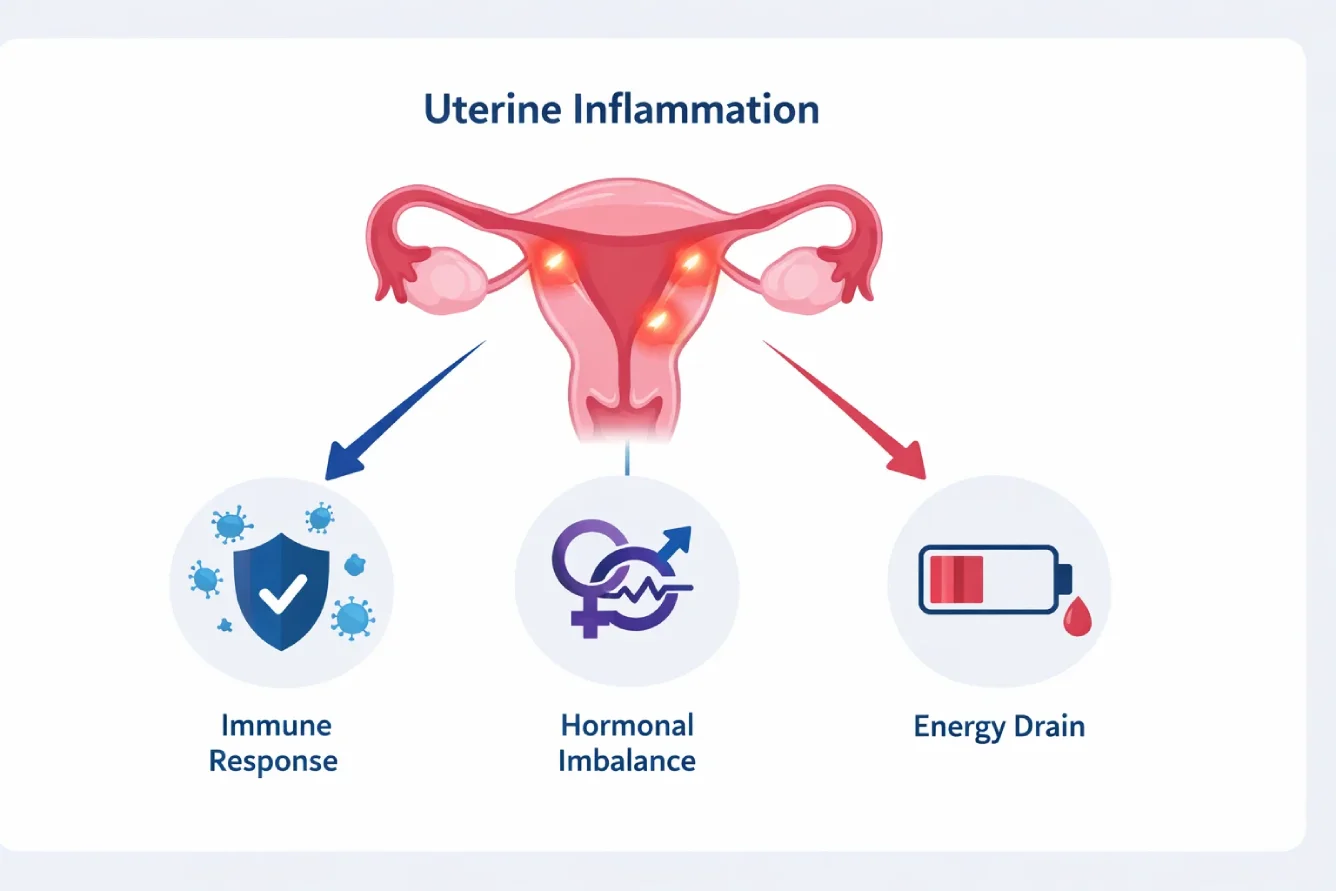
Hormonal Imbalance and Inflammation
Endometriosis often leads to elevated estrogen levels and ongoing inflammation. These two factors play a central role in why endometriosis makes you tired. Inflammation triggers your immune system to work overtime, producing cytokines that can cause muscle soreness, headaches, and brain fog.
High estrogen levels also interfere with thyroid function and metabolism, slowing down the body’s ability to generate energy. The result is a constant feeling of heaviness – as if your body is fighting a low-grade illness every day.
Women with endometriosis and fatigue often notice that their tiredness peaks before and during menstruation, when inflammation and hormonal activity are at their highest.
Sleep Disruption and Pain Cycle
Persistent pelvic pain is one of the biggest contributors to endometriosis fatigue. Pain makes it difficult to fall asleep and stay asleep, robbing you of the deep restorative stages of rest.
Nighttime flare-ups, cramping, or bladder pressure can cause fragmented sleep, leaving you unrefreshed even after several hours in bed. Over time, this poor sleep quality leads to extreme fatigue, mood swings, and reduced pain tolerance – creating a vicious cycle where tiredness worsens pain sensitivity, and pain, in turn, deepens exhaustion.
Emotional Stress and Mental Load
Living with a chronic condition takes a toll not only on the body but also on the mind. Many women describe the emotional strain of managing endometriosis as one of the hardest parts of their journey. The constant worry about pain, fertility, or treatment outcomes can lead to anxiety and depression – both known to amplify tiredness and reduce motivation.
This mental fatigue can feel just as draining as physical exhaustion. When combined with inflammation and hormonal imbalance, emotional burnout pushes the body into a state of persistent low energy that can’t be relieved by simple rest.
Chronic fatigue in endometriosis is rarely caused by one single factor. It’s the result of biological, physical, and emotional processes working together over time. Recognizing these layers is the first step toward addressing them effectively – and finding ways to restore your energy. The next section will help you identify when fatigue has crossed from “normal tiredness” to a symptom that needs medical attention.
Recognizing the Signs of Endometriosis Fatigue
Everyone feels tired occasionally, but endometriosis fatigue is different. It’s not the kind of tiredness that improves after a night’s sleep or a weekend of rest. Instead, it’s a deep, ongoing exhaustion that affects both body and mind – often without clear relief. Recognizing these symptoms early can help women seek medical guidance and regain control of their energy levels.
Here are some key indicators that your tiredness could be linked to endometriosis and fatigue rather than ordinary exhaustion:
Physical Symptoms
- Persistent tiredness even after sufficient sleep
- Muscle weakness or body aches, especially in the back and legs
- Brain fog, reduced focus, and slower reaction times
- Headaches and dizziness during or after menstrual cycles
- Increased pain sensitivity, especially before periods
These physical effects often occur because inflammation and hormonal imbalances interfere with your body’s energy production and pain regulation.
Cognitive and Emotional Symptoms
- Feeling mentally drained or emotionally numb
- Struggling to concentrate, remember details, or stay productive
- Experiencing irritability, mood swings, or anxiety
- Losing motivation for daily routines or social activities
Chronic fatigue can blur the line between physical and emotional exhaustion. Many women find that this “invisible fatigue” affects their confidence and relationships just as much as their physical health.
When Fatigue Signals Something More Serious
If you’re tired all the time with endometriosis, and the fatigue starts interfering with your ability to work, socialize, or enjoy life, it’s time to seek professional evaluation.
Persistent exhaustion can also indicate endometriosis chronic fatigue syndrome (CFS) or other overlapping conditions that require medical attention. A gynecologist or endometriosis specialist can help determine whether your tiredness stems from hormonal, inflammatory, or metabolic causes – and create a treatment plan tailored to your body’s needs.
Recognizing that fatigue is a valid symptom of endometriosis – not just “being lazy” or “stressed” – is empowering. In the next section, we’ll explore how to manage endometriosis fatigue effectively through medical treatments, lifestyle changes, and emotional support.
Managing Endometriosis Fatigue Effectively
Managing endometriosis fatigue requires more than just extra rest. It’s about addressing the root causes – inflammation, hormonal imbalance, pain, and emotional strain – through a combination of medical and lifestyle strategies. With the right care, many women experience significant improvement in their energy levels and overall well-being.
Medical Treatments and Pain Management
The first step in reducing endometriosis and fatigue is controlling inflammation and pain. Your doctor may recommend:
- Hormonal therapy, such as oral contraceptives or progestins, to regulate menstrual cycles and reduce active lesions.
- Nonsteroidal anti-inflammatory drugs (NSAIDs) to ease pain and inflammation.
- Laparoscopic surgery to remove endometrial tissue and improve organ function, which can help restore energy and reduce systemic fatigue.
- Iron supplementation for women experiencing anemia due to heavy bleeding.
When pain is managed effectively, your body conserves energy for recovery rather than staying in constant alert mode.
For patients needing specialized evaluation, consider consulting Mayflower’s dedicated Endometriosis Treatment team for comprehensive assessment and advanced laparoscopic care.
Lifestyle Modifications That Help

Lifestyle plays a vital role in managing endometriosis fatigue treatment outcomes. Gentle, sustainable habits can make a major difference in how your body copes with chronic inflammation and tiredness:
- Adopt an anti-inflammatory diet rich in omega-3s, green vegetables, and whole grains. Limit caffeine, processed sugar, and red meat.
- Engage in light exercise like yoga, walking, or swimming – these boost circulation and mood without exhausting your body.
- Prioritize sleep hygiene by maintaining a regular bedtime, avoiding blue light before sleep, and using relaxation techniques.
- Practice stress-reduction techniques such as meditation, breathing exercises, or journaling to calm the nervous system.
These steps not only improve physical health but also empower you emotionally to handle the ups and downs of living with a chronic condition.
Emotional Support and Counseling
Fatigue is often intensified by emotional distress. Joining support groups or seeking therapy helps break the isolation many women feel. Sharing experiences with others who understand endometriosis extreme fatigue can ease the mental burden and provide fresh coping strategies.
Cognitive-behavioral therapy (CBT) or mindfulness-based programs can also reduce anxiety and improve sleep quality – two key elements of restoring energy balance.
When to See a Specialist
If you’ve tried lifestyle changes but still feel tired all the time with endometriosis, it’s essential to consult a specialist. Persistent fatigue might point to anemia, thyroid imbalance, or chronic fatigue syndrome linked to endometriosis.
At Mayflower Hospital, our multidisciplinary gynecology team collaborates across specialties – including pain management, nutrition, and psychology – to identify underlying causes and personalize your treatment journey.
Managing endometriosis fatigue is not a one-size-fits-all process; it’s a personalized journey toward healing. In the next section, we’ll focus on realistic coping methods that make daily life easier while maintaining a healthy energy balance.
Living with Endometriosis Chronic Fatigue: Practical Coping Tips
Living with endometriosis chronic fatigue often means learning to manage your energy – not just your pain. Fatigue may not disappear overnight, but with the right mindset and small lifestyle adjustments, it’s possible to feel more in control, productive, and emotionally grounded.
Here are proven ways to cope with chronic tiredness while maintaining your quality of life:
Listen to Your Body’s Energy Patterns
Start by observing when you feel most energetic and when fatigue peaks. Schedule demanding activities for your higher-energy periods and allow yourself rest breaks during low-energy times. This form of energy pacing prevents burnout and helps balance your daily rhythm.
A fatigue journal can help you identify triggers like poor sleep, skipped meals, or stressful events, allowing you to make small, meaningful adjustments that improve consistency.
Prioritize Rest without Guilt
Many women feel frustrated when rest disrupts productivity, but endometriosis fatigue is not laziness – it’s your body signaling the need for recovery. Short naps, meditation, or simply taking 15 minutes to unwind can recharge your energy more than pushing through exhaustion.
Gentle activities like deep breathing, reading, or light stretching can help the body rest actively, without making you feel completely inactive.
Nourish Your Body Mindfully
Proper nutrition fuels healing. Focus on anti-inflammatory foods – leafy greens, berries, turmeric, fatty fish, and nuts. Avoid processed foods that can worsen inflammation and fatigue.
Staying hydrated also helps prevent headaches and sluggishness associated with endometriosis and fatigue.
A nutritionist familiar with hormonal health can tailor meal plans to stabilize blood sugar levels and energy throughout the day.
Incorporate Gentle Movement
While it may seem counterintuitive, light exercise improves circulation, reduces pain, and increases energy in women with endometriosis. Low-impact options such as yoga, swimming, or walking support both physical and emotional well-being.
Start small – even 10–15 minutes of mindful movement daily can enhance stamina and reduce stiffness linked to inflammation.
Build Emotional Resilience
Mental and emotional fatigue often accompany physical tiredness. Seeking therapy, joining a women’s health support group, or practicing gratitude journaling can help ease emotional strain. When you feel heard and supported, your stress hormones decrease – allowing your body to focus on recovery instead of constant defense.
Celebrate Small Wins
Chronic fatigue can make progress feel slow, but acknowledging small victories – like completing a task or sleeping better – builds motivation and emotional strength. Healing from endometriosis fatigue is a marathon, not a sprint, and every step forward counts.
Living with endometriosis fatigue can feel isolating, but you don’t have to go through it alone. The next section highlights how Mayflower Hospital’s specialized approach helps women reclaim energy, confidence, and long-term wellness through expert, compassionate care.
How Mayflower Helps Women Manage Endometriosis & Fatigue
At Mayflower Hospital, we understand that endometriosis fatigue isn’t “just tiredness.” It’s a reflection of how chronic pain, hormonal imbalance, and emotional stress can silently wear down a woman’s physical and mental strength. That’s why our approach to endometriosis care goes far beyond symptom control – it focuses on restoring energy, resilience, and confidence.

Comprehensive Evaluation and Personalized Care
Every woman’s experience with endometriosis and fatigue is different. Our specialists begin with detailed assessments, including hormonal profiling, blood work, and imaging, to identify inflammation, anemia, or metabolic causes behind your fatigue. This personalized insight allows us to design precise treatment plans tailored to your body’s needs.
Through our Endometriosis Treatment program, we combine advanced laparoscopic surgery, hormone modulation, and pain management techniques to help patients regain control of their health and energy levels.
Multidisciplinary Expertise
Fatigue management often requires collaboration across multiple disciplines. At Mayflower, our integrated team includes:
- Dr. Sanjay Patel, leading expert in advanced laparoscopic and gynecologic surgeries
- Dr. Ravina Patel, consultant gynecologist specializing in women’s hormonal health and fertility
- Dr. Smeet Patel, expert in reproductive medicine and minimally invasive procedures
Together, they provide an evidence-based, compassionate approach that supports patients through every stage of care – from diagnosis to recovery.
Holistic Healing and Long-Term Support
We believe in healing the whole person, not just treating symptoms. Alongside medical therapy, patients receive guidance on diet, physiotherapy, and stress management. For women experiencing endometriosis chronic fatigue, our holistic wellness framework includes:
- Nutritional plans for hormone balance
- Exercise and posture programs for pain and energy
- Counseling to address anxiety, burnout, and emotional fatigue
This combination of science and empathy helps patients experience lasting improvement – not just temporary relief.
Why Choose Mayflower for Endometriosis Care
Mayflower Hospital has become a trusted name for women’s health because of our commitment to precision, transparency, and patient comfort. Our facilities are equipped with cutting-edge laparoscopic systems and advanced imaging, ensuring accurate diagnosis and minimal downtime after surgery.
More importantly, we treat every patient with understanding and dignity, recognizing that chronic fatigue and pain can impact more than just physical health – they affect every aspect of life.
To learn more about our treatment process or to discuss your symptoms, you can book a consultation with our endometriosis specialists today.
Understanding fatigue as part of the endometriosis journey can make a profound difference in recovery. The final section summarizes key takeaways and explains how early, comprehensive treatment leads to lasting improvement.
Conclusion
Endometriosis fatigue is not “just in your head.” It’s a real, medically recognized symptom rooted in hormonal changes, chronic inflammation, and emotional strain. This kind of exhaustion can make even simple tasks feel overwhelming – but with the right guidance, it can be managed effectively.
Early diagnosis and holistic care are key. Whether through targeted hormonal therapy, laparoscopic surgery, or lifestyle modifications, addressing both pain and fatigue helps you regain balance and control. Support from experienced specialists ensures your treatment isn’t just about symptom relief – it’s about improving your everyday quality of life.
At Mayflower Hospital, we combine advanced medical expertise with compassionate, patient-centered care to help women overcome endometriosis and fatigue. If you’ve been feeling constantly drained or struggling to stay active despite rest, don’t wait for your symptoms to worsen.
Book a consultation with our endometriosis specialists today and take the first step toward restoring your energy, confidence, and well-being.
Frequently Asked Questions (FAQs)
Yes. Endometriosis causes extreme fatigue due to chronic inflammation, hormonal imbalance, and persistent pain. The immune system remains overactive, draining the body’s energy. Managing pain and inflammation through treatment often helps reduce the level of exhaustion.
Constant pain, disrupted sleep, and stress trigger fatigue in women with endometriosis. The body spends much of its energy managing inflammation and hormonal changes, leading to tiredness that rest alone cannot relieve. Professional care helps break this cycle effectively.
Yes, laparoscopic surgery can help by removing endometrial tissue that causes pain and inflammation. When pain subsides and hormonal balance improves, energy levels often rise. However, ongoing care, nutrition, and lifestyle support remain essential for sustained recovery.
A combination of medical and lifestyle therapies works best. Hormonal regulation, pain management, iron supplementation, balanced diet, and stress control help restore vitality. Consulting an endometriosis specialist ensures a tailored approach based on the fatigue’s underlying cause.
No. Fatigue linked to endometriosis can improve significantly with proper diagnosis and treatment. By managing inflammation, hormones, and emotional well-being, many women regain normal energy levels and lead fulfilling lives.