



Endometriosis mental health is an essential part of understanding the true burden of this condition. Endometriosis occurs when tissue similar to the lining of the uterus grows outside it, leading to chronic pelvic pain, heavy periods, and fertility challenges. While most people recognize the physical symptoms, the emotional consequences often remain hidden. Living with persistent discomfort, unpredictable flare-ups, and long treatment journeys can take a significant toll on the mind.
Many women with endometriosis report feeling anxious, depressed, or overwhelmed by the uncertainty that comes with their diagnosis. For some, everyday activities-whether working, socializing, or even resting-are disrupted, creating a cycle of stress and frustration. The constant struggle to manage pain, combined with delayed diagnoses or misunderstood symptoms, often intensifies this emotional impact.
Addressing the psychological side of endometriosis is just as important as treating the physical condition. By exploring the links between endometriosis, emotional health, and proven coping strategies, women can regain a sense of balance and hope. In this blog, we’ll uncover how endometriosis affects mental health, discuss ways to cope with depression and anxiety, and highlight the supportive care available at Mayflower Women’s Hospital.
Understanding Endometriosis and Its Emotional Impact
Physical Overview of Endometriosis
Endometriosis occurs when tissue similar to the uterine lining grows outside the uterus, often on the ovaries, fallopian tubes, or pelvic walls. These growths can cause chronic pelvic pain, heavy periods, bloating, fatigue, and fertility challenges. While the physical burden of the disease is widely recognized, the emotional consequences are often underestimated.
Emotional Consequences of Living with Endometriosis
Endometriosis Depression
Depression is one of the most common mental health challenges linked to endometriosis. Chronic pain, the unpredictability of flare-ups, and the lack of definitive cures can create a constant sense of loss and frustration. Many women report feelings of hopelessness or low motivation when daily life becomes difficult to manage. The long wait for an accurate diagnosis-often taking 7–10 years-further deepens these struggles, as patients feel ignored or misunderstood by healthcare providers.
Endometriosis Anxiety
Anxiety in endometriosis is often tied to uncertainty. Women may worry about when symptoms will flare, how severe the pain will become, or whether they will be able to attend work, social events, or family obligations. This anticipatory anxiety can be exhausting in itself, as the fear of pain can sometimes feel as limiting as the pain itself. Over time, this cycle contributes to heightened stress levels and worsens overall well-being.
Social and Relationship Strain
The emotional impact of endometriosis extends far beyond the individual. Pain and fatigue often limit participation in social life, leading to withdrawal from friends, family, and colleagues. Women may avoid gatherings or travel due to fear of discomfort. Intimate relationships can also suffer, as pain during intercourse or fertility concerns introduce strain. This combination of isolation and relational stress contributes to worsening endometriosis mental health outcomes.
The Interplay of Physical and Emotional Symptoms
The connection between physical symptoms and mental health challenges creates a reinforcing cycle. For example, chronic pain can lead to poor sleep, which lowers emotional resilience. Poor emotional health, in turn, makes pain feel more severe and harder to manage. Without addressing both sides of the condition, women risk being caught in this cycle indefinitely.
Recognizing that endometriosis is not only a physical condition but also an emotional one is the first step toward healing. By acknowledging both sides, patients and healthcare providers can work toward holistic solutions that improve overall quality of life.
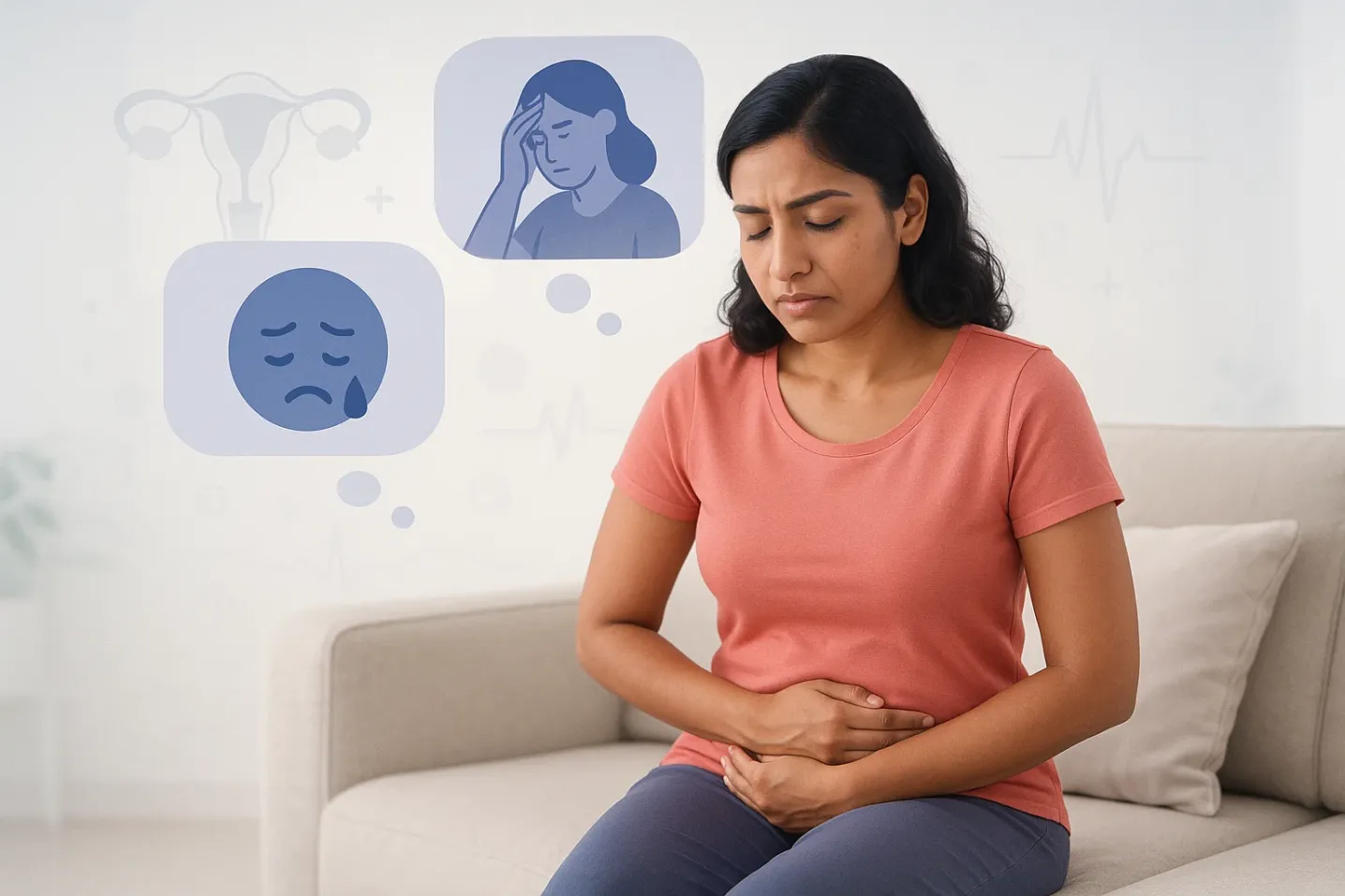
How Endometriosis Affects the Brain and Emotions
Chronic Pain and the Brain
Living with endometriosis often means managing persistent or recurring pain. Chronic pain does more than exhaust the body-it changes the way the brain processes signals. Research shows that pain alters the function of the prefrontal cortex and amygdala, the regions involved in emotional regulation and stress response.
Cortisol and Stress Hormones
When pain is constant, the body produces higher levels of cortisol, the primary stress hormone. Prolonged cortisol elevation disrupts mood balance, reduces concentration, and increases irritability. Over time, these changes contribute directly to endometriosis depression and anxiety symptoms.
Heightened Sensitivity to Pain
The brain becomes more sensitive to pain over time, a phenomenon known as central sensitization. This means discomfort feels stronger and harder to tolerate, worsening both physical suffering and mental health strain.
Hormonal Influence on Mood
Hormones play a central role in both endometriosis progression and mental well-being. Estrogen, which fuels endometriosis growth, also influences mood regulation.
Mood Swings and Irritability
High estrogen levels are associated with mood swings and heightened emotional sensitivity. Many women with endometriosis report feeling more irritable or anxious during their menstrual cycles, when hormonal fluctuations are most pronounced.
Vulnerability to Anxiety and Depression
The combination of fluctuating hormones and chronic pain increases vulnerability to endometriosis anxiety and depressive episodes. This makes psychological care a necessary complement to physical treatment.
Sleep Disturbances and Cognitive Effects
Chronic pain and discomfort often disrupt sleep. Poor sleep quality has direct consequences for mood and mental clarity.
Sleep Disruption and Anxiety
Interrupted or shallow sleep increases anxiety, irritability, and emotional exhaustion. Women with endometriosis often describe mornings as the most difficult, due to fatigue combined with lingering pain.
Brain Fog and Productivity Challenges
Many women experience “brain fog”-difficulty focusing, remembering details, or completing tasks. Brain fog is linked to the combined effects of pain, stress hormones, and sleep deprivation, and it can interfere with professional and personal life, lowering confidence and self-esteem.
Emotional Reactivity and Stress Processing
The amygdala, the brain’s emotional control center, becomes hyperactive under chronic stress. This results in stronger emotional reactions to daily challenges.
- Minor stressors may feel overwhelming.
- Stigma or misunderstanding from peers amplifies distress.
- Emotional reactivity fuels the cycle of stress and pain.
Together, these neurological and hormonal mechanisms explain why endometriosis mental health challenges are not “in the mind” but rooted in real biological processes. Recognizing this connection allows women to seek targeted solutions, such as stress management, therapy, and integrated medical care, to break the cycle of pain and emotional suffering.
The Link Between Physical Symptoms and Mental Health
Living with endometriosis means managing symptoms that extend far beyond the reproductive system. Chronic pain, fatigue, digestive problems, and fertility challenges do not only disrupt the body-they directly shape emotional well-being. Understanding these connections highlights why endometriosis mental health must be addressed alongside physical treatment.
Pain and Anticipatory Stress
Pelvic pain is one of the most common and debilitating symptoms of endometriosis.
Unpredictability of Flare-Ups
Because pain episodes can strike without warning, women often experience heightened anxiety about when the next flare will occur. This anticipation makes it difficult to plan daily activities, travel, or social engagements.
Stress–Pain Cycle
Anticipatory stress feeds into the body’s stress response, which increases cortisol levels and worsens the perception of pain. The result is a self-perpetuating cycle where anxiety makes pain feel worse, and pain reinforces anxiety.
Fatigue and Emotional Resilience
Endometriosis often causes persistent fatigue, whether due to blood loss, inflammation, or disrupted sleep.
Energy Drain
Low energy makes even routine tasks overwhelming, limiting productivity at work or home.
Fatigue and Depression
Constant exhaustion reduces resilience to stress and increases vulnerability to endometriosis depression. Over time, the lack of energy can foster feelings of hopelessness or low self-worth.
Digestive and Urinary Issues
Many women with endometriosis experience bowel or bladder symptoms, which add an additional emotional burden.
Embarrassment in Public Settings
Frequent bathroom trips, bloating, or painful urination can create fear of embarrassment. Women may avoid social events or outings to minimize risk.
Isolation and Anxiety
This avoidance often leads to withdrawal, reducing support networks and worsening endometriosis anxiety.
Fertility Concerns and Emotional Burden
For women hoping to conceive, endometriosis can create significant uncertainty.
- Difficulty conceiving may lead to grief and frustration.
- Fear about the future can cause ongoing anxiety.
- Strain on intimate relationships is common, adding relational stress to emotional pain.
Feeling Misunderstood and Invisible
Because endometriosis is an “invisible illness,” others often underestimate its impact.
- Employers may dismiss frequent absences.
- Friends or family may struggle to understand the extent of pain.
- Patients may feel invalidated, leading to frustration and loneliness.
This lack of recognition compounds the emotional impact of endometriosis, leaving women feeling isolated even in supportive environments.
Addressing these overlapping physical and emotional challenges is essential. Only by treating endometriosis holistically-managing pain, improving sleep, supporting fertility, and validating emotional needs – can women find meaningful relief.
Coping with Endometriosis: Emotional and Psychological Strategies
Coping with endometriosis requires more than managing physical pain. Women also need tools to strengthen their mental health and navigate the emotional challenges that accompany the condition. The following strategies combine practical self-care, psychological support, and evidence-based approaches to help restore balance.
Endometriosis and Stress Management
Stress is both a cause and consequence of chronic illness. Managing it effectively can break the cycle of pain and emotional distress.
Relaxation and Breathing Exercises
Deep breathing, guided imagery, and progressive muscle relaxation lower cortisol levels and calm the nervous system. Even 10 minutes of daily practice can help reduce tension.
Yoga and Gentle Movement
Mind–body exercises like yoga and stretching release endorphins, which improve mood while easing pelvic tension. These practices also encourage mindfulness, helping women reconnect with their bodies without judgment.
Professional Stress-Management Programs
Some women benefit from structured interventions, such as cognitive-behavioral stress management (CBSM), which teaches coping techniques to manage both pain and negative thoughts.
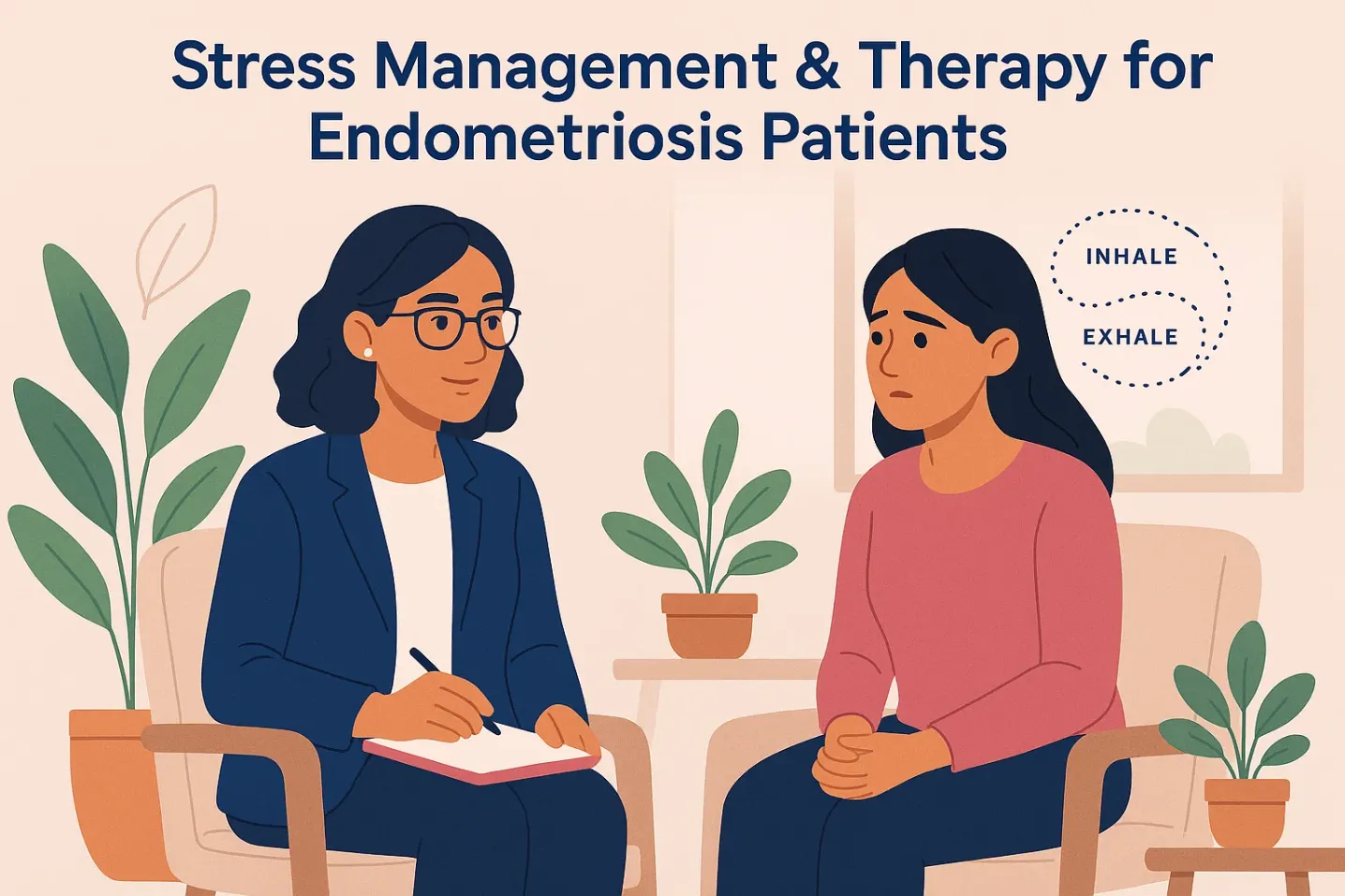
Endometriosis Coping Tips for Daily Life
Daily adjustments can improve resilience and create a healthier lifestyle framework.
Sleep Hygiene
Establishing a consistent bedtime routine, minimizing screen time before bed, and using relaxation methods can improve sleep quality disrupted by pain.
Balanced Nutrition
Anti-inflammatory foods, hydration, and avoiding processed sugars support better energy levels and mood stability.
Work-Life Boundaries
Open communication with employers and scheduling flexibility can help manage flare-ups without guilt or added stress.
Tracking Symptoms
Keeping a journal of pain, emotions, and triggers allows women to identify patterns and prepare coping strategies in advance.
Therapy for Endometriosis Patients
Psychological therapy plays an essential role in improving endometriosis mental health outcomes.
Cognitive Behavioral Therapy (CBT)
Cognitive Behavioral Therapy helps reframe negative thoughts and teaches strategies to handle anxiety and depression. It is one of the most effective approaches for managing chronic illness-related stress.
Trauma-Informed Counseling
For women whose pain has caused emotional trauma or who have faced medical dismissal, trauma-informed counseling validates their experiences and builds resilience.
Couples or Family Therapy
Since endometriosis affects relationships, involving partners or family in therapy can improve communication, reduce relational strain, and strengthen support systems.
Accessing Professional Care
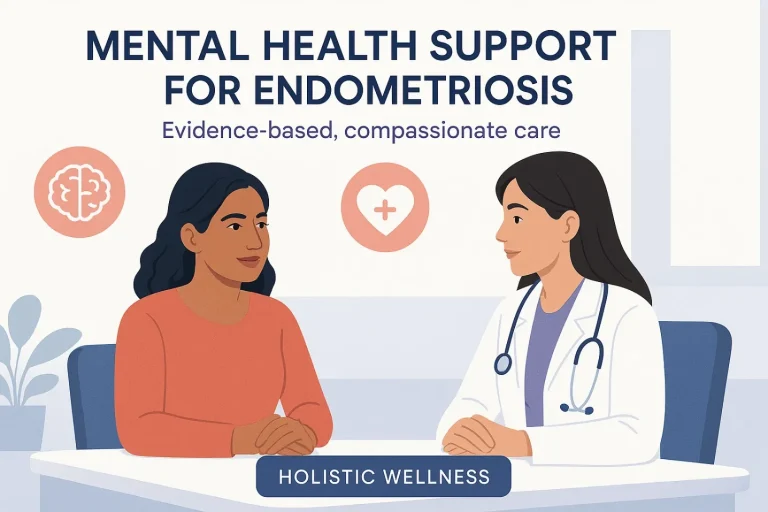
At Mayflower Hospital, women can access therapy for endometriosis patients, including specialized counseling tailored to their unique challenges.
Mindfulness Practices for Endometriosis

Mindfulness focuses on being present without judgment, helping women detach from cycles of pain and fear.
Meditation and Body Scans
Practicing meditation or guided body scans can lower anxiety and improve pain perception. These techniques shift attention from distress to calm awareness.
Journaling for Emotional Release
Writing down feelings reduces emotional overload. It helps women track progress, express fears, and reflect on positive changes.
Mindful Daily Activities
Even small practices, like mindful eating or walking, encourage awareness and break automatic stress responses.
Building a Personalized Coping Toolkit
Every woman’s experience of endometriosis is unique. Combining techniques-such as breathing exercises, therapy sessions, and mindfulness practices-creates a personalized plan. Over time, these habits strengthen emotional resilience, making it easier to handle flare-ups, uncertainty, and long treatment journeys.
The key is consistency: small but regular practices yield the greatest long-term improvement. By adopting structured coping strategies, women can regain a sense of control, improve their emotional well-being, and live fuller lives despite endometriosis.
Finding Strength in Community Support
For many women, the journey with endometriosis can feel isolating. Sharing experiences and receiving validation from others who understand can be a powerful source of emotional strength. Community support-whether through structured groups or professional counseling-helps reduce feelings of loneliness and builds resilience.
Endometriosis Support Groups
Support groups bring women together to share their struggles and victories.
Online Communities
Digital platforms and social media groups allow women to connect worldwide. These forums provide 24/7 spaces to ask questions, share coping strategies, and receive encouragement from others who have faced similar challenges.
In-Person Meetings
Local organizations and hospitals sometimes organize regular group meetings. Face-to-face interactions allow deeper trust and connection, helping participants feel less alone in their journey.
Benefits of Peer Support
Support groups offer:
- Emotional validation.
- Practical coping strategies.
- Reduced feelings of stigma or shame.
- A sense of belonging and empowerment.

Case Story: Coping Beyond the Pain
To illustrate the power of community, consider the story of a young woman who struggled with endometriosis-related pain and severe anxiety. For years, she avoided social gatherings and worried constantly about her future. After joining a local support group, she discovered others facing the same issues. Sharing her fears in a safe space helped her realize she was not alone. With time, her anxiety lessened, and she learned practical strategies-like journaling and relaxation techniques-from peers. This experience not only improved her emotional outlook but also gave her renewed confidence in managing her symptoms.
Stories like this reflect the broader truth: community plays a vital role in improving endometriosis mental health outcomes.
Mayflower Endometriosis Counseling
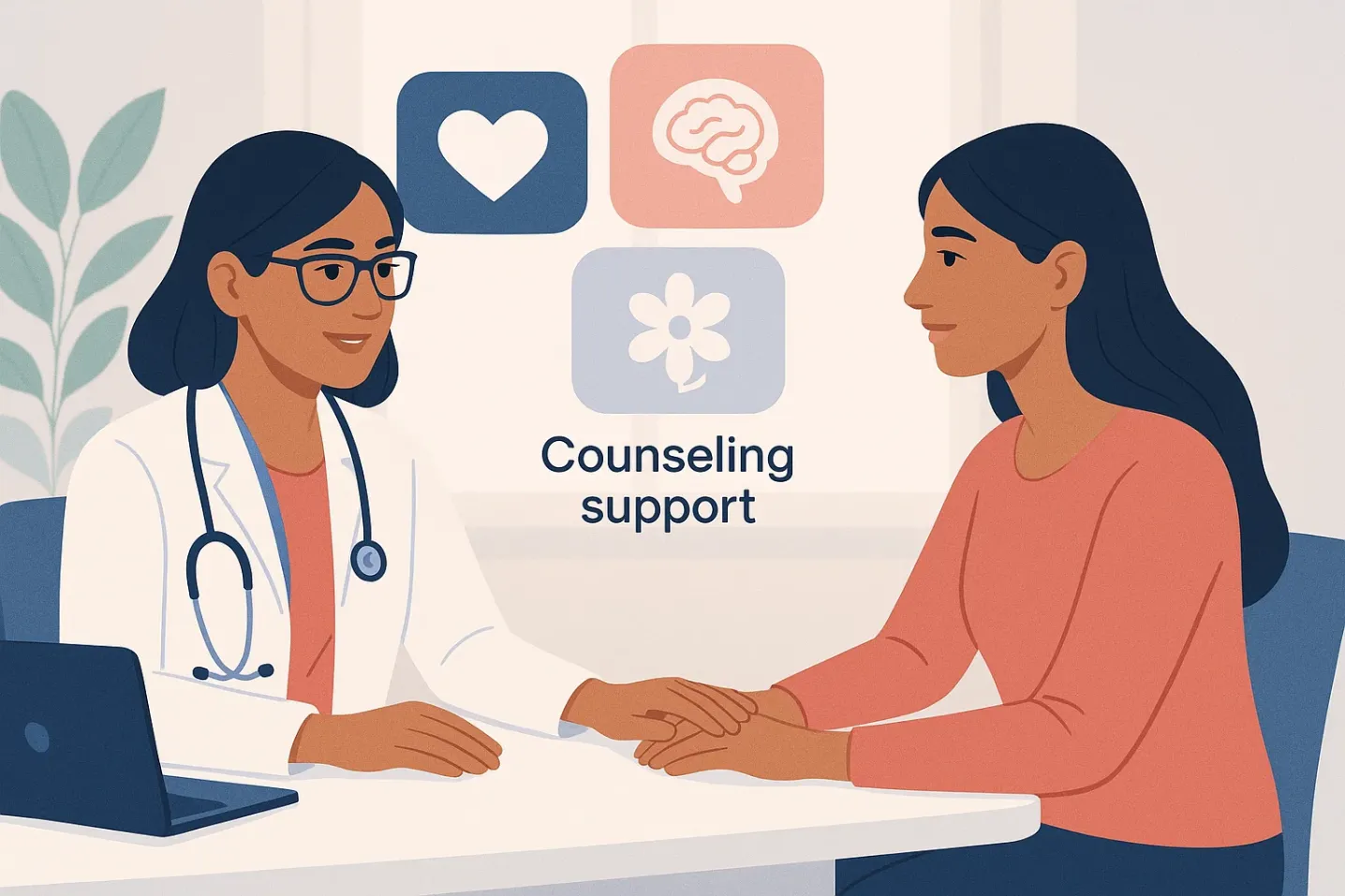
While peer support is valuable, professional guidance provides structured emotional care. At Mayflower Hospital, patients have access to specialized endometriosis counseling designed to address both the physical and psychological impact of the disease.
Individual Therapy
One-on-one counseling sessions allow women to explore their personal struggles with depression, anxiety, or stress in a confidential setting.
Group Therapy
Guided sessions with small groups provide both professional insights and peer connection, blending the best of medical expertise and community support.
Integrated Care Approach
Mayflower’s specialists collaborate across gynecology, psychology, and physiotherapy to ensure that treatment plans address the whole person, not just the disease.
The Value of Seeking Help
Many women hesitate to reach out due to stigma or fear of being misunderstood. Yet, taking that first step-whether joining a support group or seeking professional counseling-can significantly improve coping ability. Support helps women transform isolation into empowerment and despair into resilience.
By combining peer groups with hospital-based counseling, women gain both empathy and evidence-based care. Together, these resources provide the foundation for long-term emotional well-being while living with endometriosis.
Lifestyle & Holistic Approaches to Mental Health
While therapy and medical care are essential, lifestyle choices play a major role in managing the emotional toll of endometriosis. Small, consistent adjustments in daily routines can improve both physical symptoms and endometriosis mental health outcomes.
Nutrition for Emotional and Physical Balance
Diet directly influences inflammation, energy levels, and mood.
Anti-Inflammatory Foods
Incorporating foods rich in omega-3 fatty acids, leafy greens, and whole grains can reduce inflammation that worsens pain and fatigue. Lower inflammation often correlates with improved mood stability.
Hydration and Balanced Meals
Staying hydrated and eating smaller, balanced meals can prevent bloating and stabilize blood sugar levels, reducing irritability and mood swings.
Foods That Support Mental Health
Nutrients like magnesium, vitamin D, and B-complex vitamins are linked to reduced anxiety and depression. Including nuts, seeds, and fortified foods can support emotional well-being.
Exercise and Movement
Gentle physical activity benefits both body and mind.
Endorphin Release
Exercise triggers endorphins, the body’s natural mood elevators. Even low-impact activities like walking, swimming, or stretching can ease pain perception.
Improved Sleep and Energy
Regular activity promotes deeper sleep and combats fatigue, both of which directly affect emotional resilience.
Emotional Confidence
Movement fosters a sense of control over the body, counteracting feelings of helplessness associated with chronic illness.
Complementary Therapies
Holistic approaches often provide emotional relief alongside medical care.
Physiotherapy
Pelvic physiotherapy reduces muscle tension and can lower stress related to chronic discomfort.
Art and Creative Therapies
Art therapy, music therapy, or journaling provide healthy outlets for processing difficult emotions. Creative expression often brings relief and a sense of empowerment.
Meditation and Breathwork
Regular meditation helps regulate stress responses. Paired with breathwork, it creates calmness, reduces anxiety, and strengthens mindfulness.
Sleep as a Healing Tool
Quality sleep is one of the most powerful yet underestimated tools for improving mental health.
- Poor sleep increases cortisol and intensifies pain perception.
- Establishing consistent sleep routines reduces irritability and boosts energy.
- Sleep-friendly habits-such as limiting caffeine, practicing relaxation exercises, and creating a dark, quiet environment-are vital for recovery.
Building a Lifestyle That Supports Healing
Adopting a holistic lifestyle does not require dramatic changes overnight. Instead, gradual integration of nutrition, movement, therapies, and rest helps women create routines that support both body and mind. Over time, these choices reinforce resilience, helping women cope better with the daily challenges of endometriosis.
Expert Insights from Mayflower Specialists
At Mayflower Hospital, we understand that endometriosis affects more than the body. Our specialists emphasize that true healing requires addressing both physical and emotional health. Here are some perspectives from our care team.
Gynecologists on Physical and Emotional Links
Pain and Mental Health Connection
Our gynecologists often explain to patients that chronic pain is not “just in the body.” Pain interacts with the nervous system and emotional centers of the brain, making stress and mood changes have natural consequences. Recognizing this connection reassures women that their struggles are real, not imagined.
Holistic Treatment Approach
Medical care at Mayflower combines advanced surgical and medical options with counseling support. This integrated approach reduces the cycle of pain and stress, improving both physical and psychological outcomes.
Psychologists on Emotional Well-Being
Therapy as a Healing Partner
Our psychologists highlight that therapy is not a sign of weakness but a pathway to strength. Cognitive Behavioral Therapy (CBT), mindfulness-based interventions, and trauma-informed counseling are particularly effective for women with endometriosis-related stress.
Building Coping Frameworks
Therapists guide patients in developing personalized coping toolkits-strategies that include relaxation, journaling, and thought reframing. These frameworks reduce anxiety and empower women to handle flare-ups with greater confidence.
Counselors on Support and Community
Breaking the Stigma
Counselors at Mayflower stress that mental health conversations are vital in breaking stigma. Many women feel isolated, but open dialogue helps them realize they are not alone.
Encouraging Group and Family Involvement
Counseling often extends to families and support groups, ensuring that women receive understanding and encouragement not just from healthcare providers but also from their loved ones.
A Collaborative Model of Care
Mayflower’s strength lies in collaboration. Gynecologists, psychologists, and counselors work together to address the multi-layered needs of women with endometriosis. By blending medical treatment with emotional support, patients receive care that is comprehensive and compassionate.
If you are experiencing the mental health challenges of endometriosis, Mayflower Hospital is here to help. Our team of specialists offers both advanced medical treatment and dedicated counseling support to help you regain balance and resilience.
Practical Framework: 5 Steps to Coping with Endometriosis
Managing endometriosis requires a balanced approach that combines medical treatment with emotional care. To make coping easier, our specialists recommend a 5-step framework that women can use as a guide for daily resilience.
Step 1 – Stress Management
Techniques That Calm the Nervous System
Breathing exercises, meditation, and guided relaxation reduce stress hormone levels. Practicing these techniques daily builds long-term emotional resilience.
Scheduling Rest and Recovery
Allowing time for rest during flare-ups prevents emotional burnout. Listening to the body and pacing activities is a key part of sustainable self-care.
Step 2 – Therapy and Professional Support
Individual Counseling
Speaking to a therapist provides tools to manage depression, anxiety, and trauma linked to chronic illness.
Group Therapy Options
Joining structured therapy groups offers both professional guidance and peer connection, blending science with shared experience.
Step 3 – Support Networks
Peer Groups
Connecting with endometriosis support groups-either online or in-person-helps reduce feelings of isolation and creates a safe space for sharing.
Family and Partner Involvement
Educating loved ones about endometriosis allows them to provide meaningful emotional support. Open communication strengthens relationships and reduces relational stress.
Step 4 – Mindfulness and Self-Awareness
Daily Mindfulness Practices
Simple activities such as meditation, journaling, or mindful walking create calm and improve pain tolerance.
Journaling for Tracking Progress
Writing down emotions, pain levels, and triggers helps women recognize patterns, empowering them to anticipate and prepare for challenges.
Step 5 – Lifestyle and Healthy Habits
Nutrition and Exercise
Eating an anti-inflammatory diet and engaging in gentle exercise supports both body and mind, reducing fatigue and lifting mood.
Prioritizing Sleep
Quality sleep restores mental health and reduces pain sensitivity. Consistent sleep hygiene is essential to long-term well-being.
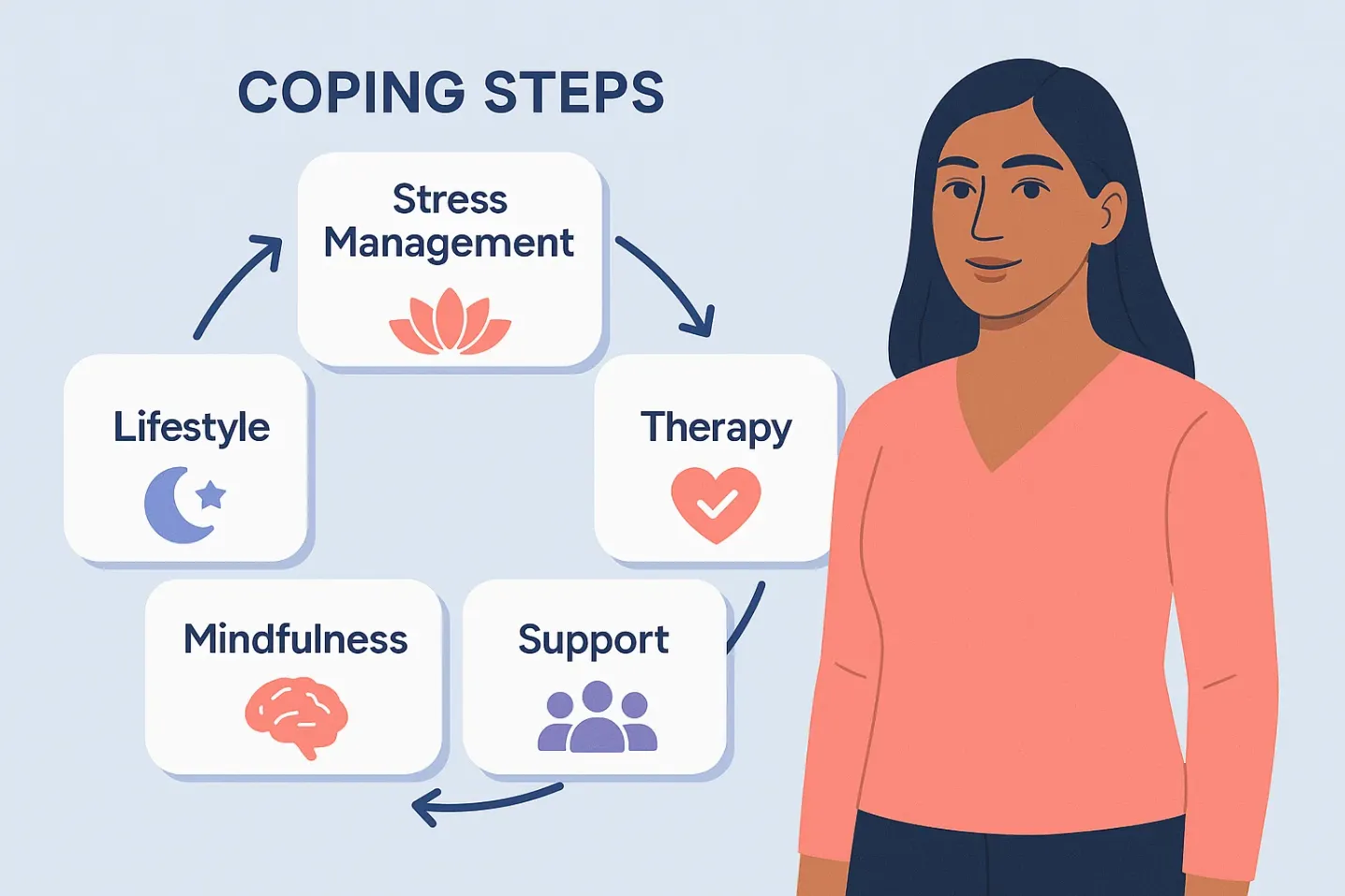
Using the Framework Daily
This 5-step framework is not meant to be overwhelming. Instead, it provides a practical structure that women can adapt to their own lives. Even focusing on one or two steps consistently can significantly improve endometriosis mental health. Over time, these habits create a foundation of strength, enabling women to live with greater control and confidence despite the challenges of endometriosis.
Conclusion
Endometriosis is not just a physical condition-it is a complex challenge that deeply affects emotional health. Women often carry the invisible weight of endometriosis mental health struggles such as anxiety, depression, and stress alongside their physical symptoms. Left unaddressed, this dual burden can diminish quality of life, strain relationships, and erode confidence.
Throughout this blog, we’ve explored how endometriosis impacts the brain, emotions, and daily living. We’ve also discussed coping strategies ranging from stress management and mindfulness to therapy, support groups, and lifestyle adjustments. Together, these approaches form a roadmap for resilience. With the right combination of medical treatment and emotional support, women can break the cycle of pain and distress, finding renewed strength and hope.
At Mayflower Hospital, we believe in holistic care that recognizes both the body and the mind. Our specialists combine advanced gynecological treatments with counseling and emotional health services, ensuring every woman receives complete support. Whether it’s through individual therapy, support groups, or integrated care plans, our team is dedicated to helping women navigate endometriosis with confidence.
If you or someone you know is struggling with the emotional impact of endometriosis, we encourage you to reach out. At Mayflower, expert gynecologists and mental health professionals work together to provide compassionate, evidence-based care. Book a consultation today and take the first step toward managing endometriosis with balance and strength.
FAQ: Endometriosis and Mental Health
Yes. Endometriosis can significantly affect mental health due to chronic pain, hormonal fluctuations, fatigue, and lifestyle disruptions. Many women experience anxiety, depression, or stress as a result. Addressing these challenges through therapy, mindfulness, and supportive care is crucial to improving quality of life.
Endometriosis depression often stems from living with long-term pain, delayed diagnoses, and feelings of being misunderstood. Anxiety arises from the unpredictability of flare-ups and the impact on daily routines, work, and relationships. Together, these factors create a cycle where physical discomfort amplifies emotional distress.
Effective coping involves a multi-layered approach:
Stress management through breathing exercises, yoga, and relaxation techniques.
i. Professional help, such as therapy for endometriosis patients.
ii.Participation in endometriosis support groups for shared understanding.
iii.Lifestyle changes, including anti-inflammatory diets, gentle exercise, and sleep hygiene.
iv.Mindfulness practices like journaling and meditation.
These strategies work best when combined consistently.
Yes. Endometriosis mindfulness practices such as meditation, journaling, and guided body scans have been shown to reduce stress, improve mood, and even ease pain perception. By promoting calm awareness and breaking automatic stress responses, mindfulness becomes a valuable tool for daily coping.
Absolutely. Mayflower Hospital provides endometriosis counseling as part of its integrated care model. Services include one-on-one therapy, group counseling, and family involvement. Our specialists-gynecologists, psychologists, and counselors-collaborate to address both physical and emotional needs, ensuring women receive comprehensive, compassionate support.