




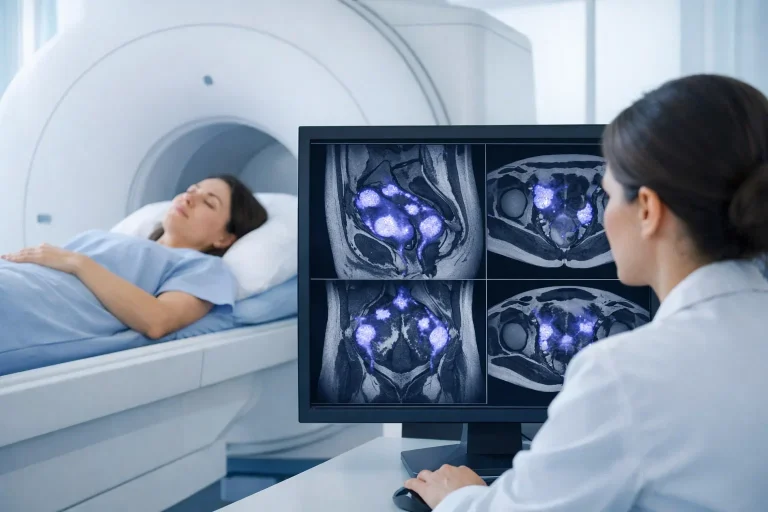
Endometriosis MRI is one of the most advanced imaging techniques for detecting and mapping endometriosis, especially when symptoms are complex and other scans fail to give clarity. Unlike routine ultrasounds, MRI offers a detailed view of pelvic structures, helping doctors identify even deep infiltrating lesions that often go unnoticed. For women experiencing chronic pelvic pain, fertility challenges, or suspected endometriosis, this level of precision is vital for timely treatment planning.
At Mayflower Hospital, we combine state-of-the-art MRI technology with the expertise of specialist radiologists who focus on women’s health imaging. Our dedicated MRI reading service ensures that every report is accurate, comprehensive, and tailored to the patient’s clinical history. Whether you’re undergoing your first diagnostic scan or seeking a second opinion radiology report, our team provides clarity and confidence so you can make informed healthcare decisions.
Why Endometriosis MRI is Essential for Women’s Health
Endometriosis is a condition that often goes undiagnosed for years because its symptoms can mimic other gynecological or gastrointestinal problems. Women may experience chronic pelvic pain, heavy periods, or difficulty conceiving without knowing the root cause. This delay in diagnosis can significantly affect quality of life. Here’s where endometriosis MRI plays a critical role – offering high-resolution imaging that helps doctors detect lesions and evaluate their extent with far greater accuracy than most traditional methods.
Understanding Endometriosis and Its Challenges
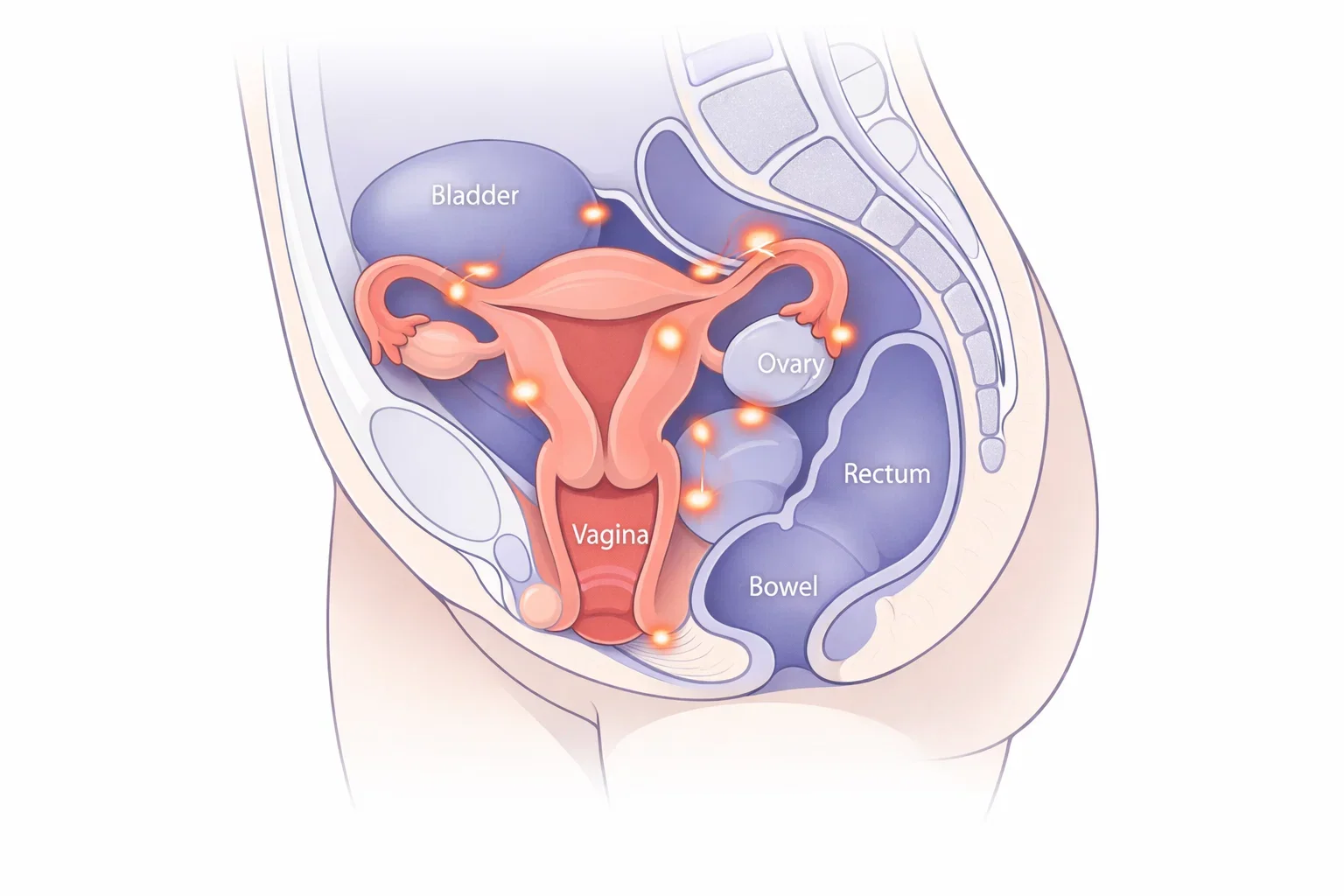
Endometriosis occurs when tissue similar to the uterine lining grows outside the uterus, often affecting the ovaries, fallopian tubes, bladder, or bowel. Because the disease varies widely in presentation, some women may only have minimal symptoms while others suffer debilitating pain. Conventional diagnostic tools sometimes miss subtle or deep lesions, making imaging technology a key step in managing this condition effectively.
Why Imaging Matters in Detecting Hidden Disease
Accurate imaging is essential for creating a reliable treatment plan. Endometriosis MRI helps identify lesion depth, size, and exact location, guiding gynecologists in deciding whether medical therapy, surgery, or fertility-focused interventions are needed. Without clear imaging, patients risk undergoing unnecessary procedures or delayed treatment.
Endometriosis MRI vs Ultrasound and Laparoscopy
While ultrasound is often the first-line diagnostic test, it has limitations in detecting smaller or deeply embedded lesions. Laparoscopy, though considered the “gold standard,” is invasive and requires anesthesia. MRI provides a middle path – it is non-invasive, highly detailed, and capable of detecting deep infiltrating endometriosis with excellent precision. This makes MRI not just a supportive test, but in many cases, the preferred imaging tool before deciding on surgery.
Endometriosis MRI Protocols in Detail
For endometriosis, not all MRI scans are the same. The accuracy of results depends heavily on the imaging protocol used, the experience of the radiologist, and the quality of the equipment. At Mayflower Hospital, our team follows internationally recognized MRI protocols that are specially designed to detect even the most complex forms of the disease.
Standard MRI Protocol for Endometriosis
The endometriosis MRI protocol typically involves multiple sequences to capture detailed images of pelvic structures. Standard scans cover the uterus, ovaries, bladder, rectum, and surrounding ligaments. The use of high-resolution T2-weighted sequences helps highlight soft tissue abnormalities, while T1-weighted scans with and without fat suppression provide clarity on endometriomas (ovarian cysts caused by endometriosis).
This standardized approach ensures that subtle signs of endometriosis are not missed, allowing clinicians to plan the next steps in treatment more effectively.
Advanced Techniques for Deep Infiltrating Endometriosis MRI
Deep infiltrating endometriosis (DIE) refers to lesions that penetrate more than 5 mm into affected tissues. These can involve the bladder, bowel, or pelvic sidewall, often making symptoms severe and management more complex. Deep infiltrating endometriosis MRI uses specialized sequences and dynamic imaging angles to evaluate these difficult-to-detect lesions.
By identifying the depth and spread of disease before surgery, MRI reduces the chances of incomplete excision and helps gynecologists avoid unnecessary surgical risks.
Endometriosis MRI Mapping – Role in Surgical Planning
Endometriosis MRI mapping involves creating a comprehensive “map” of all lesion locations within the pelvis. This is particularly important for women who are preparing for surgery or fertility treatment. Mapping allows gynecologists and surgeons to anticipate challenges, reduce operation time, and minimize complications.
At Mayflower, our radiologists collaborate directly with gynecologists, ensuring that every MRI report not only identifies lesions but also serves as a roadmap for precise and effective treatment.
Comparing Imaging Options for Endometriosis
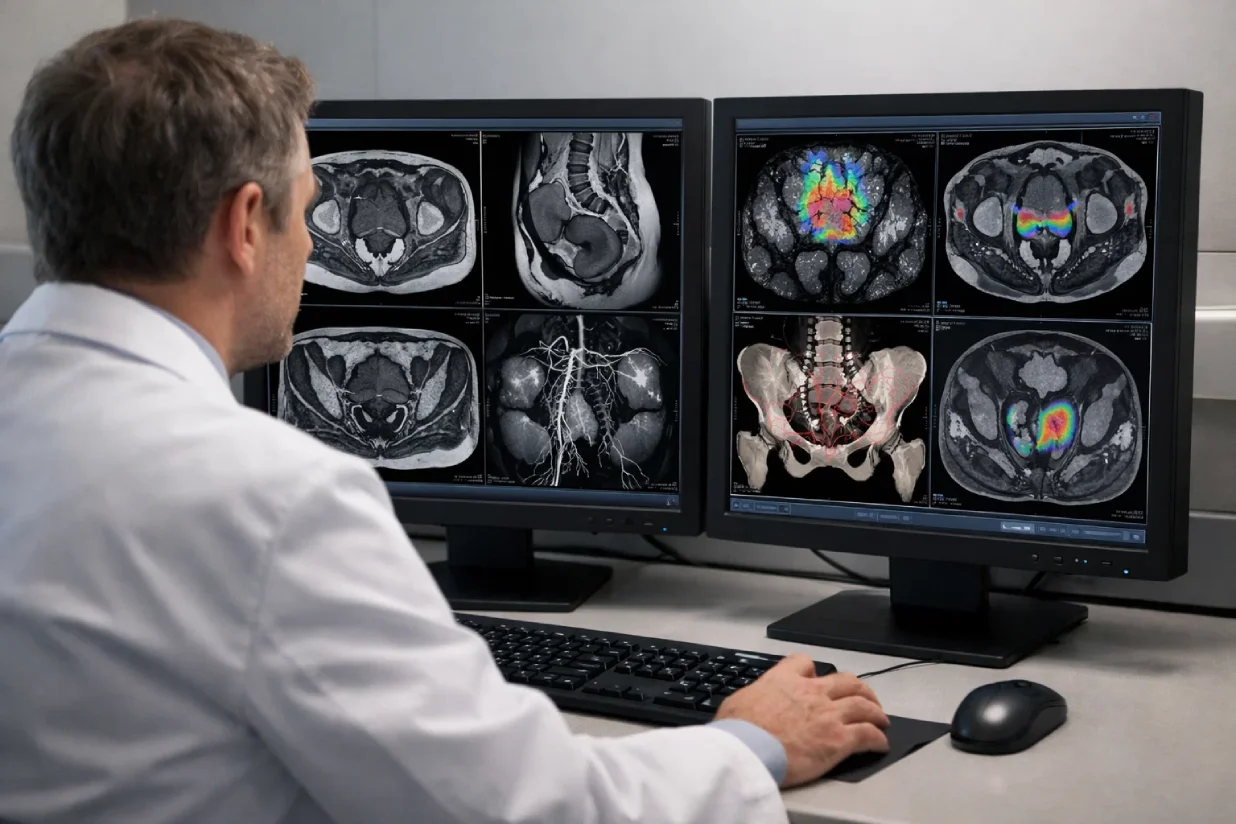
Women with suspected endometriosis are often advised to undergo imaging tests before treatment decisions are made. However, not all imaging techniques offer the same accuracy. Choosing the right option can make a big difference in how early and effectively the disease is managed. Below is a closer look at how endometriosis MRI compares with other commonly used diagnostic methods.
MRI vs Ultrasound – Accuracy & Limitations
Ultrasound is usually the first test performed because it is affordable, quick, and widely available. While it works well for detecting ovarian endometriomas, it often fails to identify smaller lesions or those in difficult-to-visualize areas like the bowel, bladder, or pelvic ligaments.
In contrast, endometriosis MRI provides superior resolution and a panoramic view of the pelvic region. This allows radiologists to detect subtle disease involvement and deep infiltrating lesions that ultrasound might miss.
MRI vs Laparoscopy – When Surgery is Needed
Laparoscopy is considered the “gold standard” for diagnosing endometriosis because it allows direct visualization and biopsy of lesions. However, it is an invasive surgical procedure, requiring anesthesia and recovery time. It also carries risks, such as infection or surgical complications.
MRI serves as a non-invasive alternative for diagnosis and surgical planning. In many cases, a well-executed MRI scan can reduce the need for unnecessary laparoscopy or guide the surgeon more effectively when surgery is required.
Which Imaging Method is Right for You?
The choice of imaging depends on symptoms, medical history, and treatment goals. For women with mild symptoms, ultrasound may be sufficient. But for those with complex pain, fertility challenges, or suspected deep infiltrating disease, MRI is the superior choice.
Comparison Table
| Imaging Method | Pros | Cons | Best Use Case |
|---|---|---|---|
| Ultrasound | Affordable, widely available, good for ovarian cysts | Limited in detecting deep or small lesions | Initial screening |
| MRI | Non-invasive, detailed mapping, detects deep infiltrating endometriosis | Higher cost than ultrasound | Pre-surgical planning, fertility evaluation, complex symptoms |
| Laparoscopy | Direct visualization & biopsy possible | Invasive, requires anesthesia, recovery risks | Confirmatory diagnosis, surgical treatment |
The Role of Specialist Radiologists in Accurate Reports
Even the most advanced MRI machine cannot provide value without skilled interpretation. Endometriosis is a highly complex condition, and its imaging requires specific training and experience. A general radiologist may overlook small or subtle lesions, leading to incomplete or misleading reports. That’s why choosing an endometriosis specialist radiologist is as important as choosing the right imaging technology.
Why You Need an Endometriosis Specialist Radiologist
Endometriosis lesions often mimic other pelvic abnormalities. A specialist radiologist who regularly interprets pelvic MRIs can recognize subtle signs that might otherwise be missed. They are also trained in following the correct endometriosis MRI protocol, ensuring that images are captured in the most effective way.
At Mayflower, our radiologists focus exclusively on women’s health imaging, which means every report is detailed, accurate, and clinically relevant.
Common Errors in General Radiology Reports
Non-specialist reports may:
- Underestimate the spread of disease.
- Fail to identify deep infiltrating endometriosis.
- Miss lesions in the bowel, bladder, or pelvic ligaments.
- Use vague terminology that leaves gynecologists without actionable insights.
Such errors can delay treatment, lead to unnecessary procedures, or result in incomplete surgery.
How Mayflower’s Experts Minimize Missed Diagnoses
At Mayflower Hospital, our MRI reading service is designed to eliminate these risks. Each report undergoes multi-layer verification, combining advanced imaging protocols with clinical correlation. Our radiologists collaborate directly with gynecologists and surgeons to ensure that findings are not just descriptive but action-oriented, supporting precise treatment planning.
Patients also have the option to request a second opinion radiology report, adding an extra layer of confidence before making critical healthcare decisions.
Second Opinion Radiology Services at Mayflower
An MRI scan can be life-changing – but only if the report is accurate and complete. Unfortunately, many women with endometriosis receive imaging reports that are either inconclusive or too generic to guide effective treatment. This is where a second opinion radiology report becomes invaluable. At Mayflower Hospital, our specialist radiologists provide in-depth reviews of existing scans, ensuring patients and their doctors have the clarity they need to make informed decisions.
When to Consider a Second Opinion Radiology Report
You may benefit from a second opinion if:
- Your first MRI report seems vague or inconsistent with your symptoms.
- Your doctor has recommended surgery without detailed imaging evidence.
- You are seeking fertility treatment and need precise endometriosis MRI mapping.
- You have already undergone treatment but symptoms persist.
A second review by a specialist radiologist often uncovers critical details that were overlooked in the initial report.
How MRI Second Opinion Online Services Work
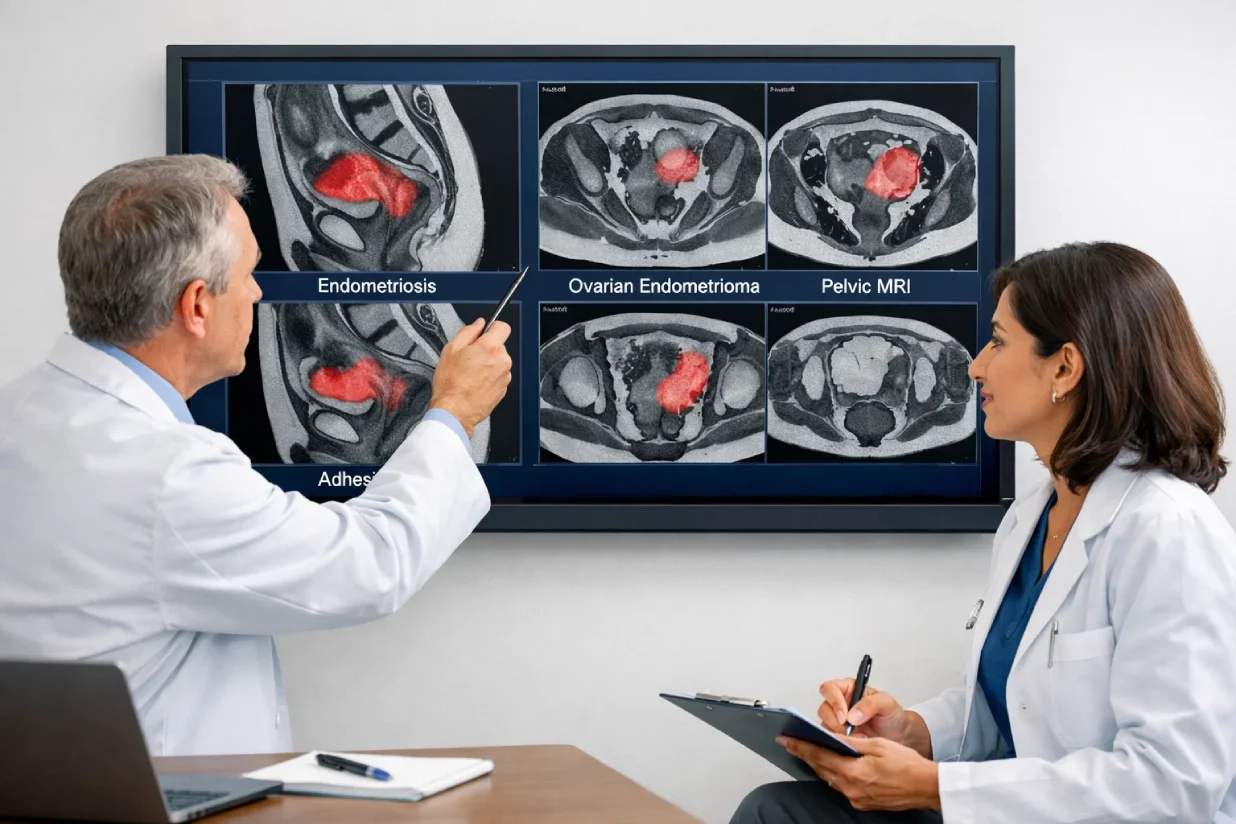
Thanks to digital healthcare, patients no longer need to travel for expert interpretation. At Mayflower, our MRI second opinion online service allows you to securely share your MRI images and reports through a patient portal. Our radiology team reviews the scans, prepares a detailed second opinion, and delivers the findings electronically – often within a few days.
This not only saves time but also ensures access to world-class expertise, no matter where you live.
Patient Benefits of Accurate Second Opinions
- Clarity: Understand exactly what your MRI shows.
- Confidence: Get confirmation before committing to surgery or treatment.
- Cost Savings: Avoid unnecessary procedures through accurate diagnosis.
- Better Outcomes: Ensure your treatment plan is guided by reliable imaging data.
By offering second opinion radiology reports, Mayflower empowers women to take charge of their healthcare decisions with greater confidence and peace of mind.
Mayflower’s Endometriosis MRI Reading Service
At Mayflower Hospital, we understand that an endometriosis MRI is not just about detecting disease – it’s about giving women accurate answers and actionable insights that shape their treatment journey. That’s why we’ve developed a dedicated MRI reading service focused on endometriosis and complex gynecological conditions.
How the Service Works – Step by Step
- Upload or Schedule Your MRI – Patients can either undergo their MRI at Mayflower or share existing scans through our secure system.
- Specialist Review – Our endometriosis specialist radiologists interpret the scan using the latest imaging protocols and mapping techniques.
- Detailed Report Preparation – Each report highlights lesion size, depth, and spread, and includes a comprehensive MRI mapping where required.
- Collaborative Consultation – The findings are shared with gynecologists, surgeons, or fertility specialists to ensure treatment alignment.
- Delivery to Patient – Reports are explained in simple, patient-friendly language, with the option of a one-on-one consultation for clarity.
Technology and Expertise Behind the Reports
Mayflower’s radiology department is equipped with advanced MRI machines that support high-resolution pelvic imaging. But what sets us apart is our expertise: radiologists trained specifically in women’s health imaging and endometriosis. By combining technology with specialization, our service ensures that no lesion is overlooked and every report provides clinical value.
Why Patients Across India Trust Mayflower for MRI Reading
- Precision: Tailored MRI protocols ensure superior detection.
- Specialization: Reports are interpreted by radiologists who exclusively focus on gynecology imaging.
- Accessibility: With MRI second opinion online, patients can access Mayflower’s expertise from anywhere.
- Comprehensive Care: Integrated support from diagnosis to treatment planning within the hospital.
By choosing Mayflower, women gain access to one of the few hospitals in India offering a truly specialized MRI reading service for endometriosis.
Real-Life Scenarios & Case Insights
Endometriosis can present very differently from one woman to another. While some may only have mild discomfort, others experience debilitating pain or infertility. These real-life scenarios demonstrate how an endometriosis MRI combined with expert reporting can transform diagnosis and treatment outcomes.
Case 1 – Detecting Deep Infiltrating Endometriosis
A 32-year-old woman had been struggling with severe pelvic pain and digestive symptoms. An initial ultrasound suggested ovarian cysts, but no conclusive findings. At Mayflower, a specialized deep infiltrating endometriosis MRI revealed lesions involving the bowel and pelvic ligaments. This mapping allowed her surgeon to plan a targeted approach, minimizing risks and ensuring complete excision.
Outcome: The patient underwent a successful surgery with significant relief from chronic pain.
Case 2 – Second Opinion Avoiding Unnecessary Surgery
A 28-year-old patient was advised to undergo laparoscopy after her MRI report elsewhere suggested widespread disease. Unsure, she approached Mayflower for a second opinion radiology report. Our radiologists reviewed the scan and clarified that only a localized lesion was present, which could be managed conservatively.
Outcome: The patient avoided unnecessary surgery and opted for medical management, preserving her fertility options.
Case 3 – Mapping Before Fertility Treatment
A 35-year-old woman undergoing IVF was referred to Mayflower for endometriosis MRI mapping. The scan revealed small, previously undetected lesions close to the ovaries that could have impacted treatment success. With this insight, her fertility specialist adjusted the plan, improving her chances of conception.
Outcome: The patient successfully conceived after her modified treatment protocol.
These cases highlight why expertise in both technology and interpretation is crucial. Without a specialized MRI protocol and skilled radiologists, such outcomes may not have been possible.
Preparing for an Endometriosis MRI
For many women, the thought of undergoing an MRI scan can feel overwhelming. At Mayflower Hospital, we aim to make the process smooth, comfortable, and transparent. Knowing what to expect before, during, and after your scan helps reduce anxiety and ensures accurate results.
What to Do Before the Scan
- Follow dietary instructions: In some cases, mild bowel preparation may be recommended for clearer images.
- Bring previous reports: Ultrasound or surgical records help radiologists correlate findings.
- Wear comfortable clothing: Patients are asked to remove metallic objects, jewelry, or accessories before entering the MRI room.
- Inform your doctor: Always notify the radiologist if you have medical implants, are pregnant, or experience claustrophobia.
Preparing correctly ensures that your endometriosis MRI protocol delivers the most accurate images possible.
What Happens During the MRI
- You’ll lie comfortably on the MRI table, which slides into the scanner.
- The procedure is painless, but you may hear humming or tapping sounds as the machine works.
- Depending on the protocol, the scan may take 30–45 minutes.
- A trained radiology technician will be present at all times to assist you.
Specialized deep infiltrating endometriosis MRI sequences may be added if your doctor has requested detailed mapping.
After the MRI – Reading, Consultation & Next Steps
Once the scan is complete, our endometriosis specialist radiologists review the images in detail. At Mayflower, you will receive:
- A structured report highlighting lesion size, depth, and spread.
- Optional endometriosis MRI mapping for surgical or fertility planning.
- A consultation where findings are explained in patient-friendly language.
If required, patients can also request a second opinion radiology report or have their results shared digitally through our MRI reading service.
Costs, Access & Online Support
An endometriosis MRI is an investment in accurate diagnosis and better health outcomes. While cost can vary, what matters most is ensuring the scan is performed using the right protocol and interpreted by an experienced radiologist. At Mayflower, we combine transparent pricing with accessible support options so women can get the care they need without unnecessary stress.
Factors Influencing Endometriosis MRI Cost in India
The cost of an endometriosis MRI in India depends on:
- The technology used (standard vs. high-resolution MRI machines).
- Whether specialized endometriosis MRI protocols and mapping are included.
- The expertise of the reporting radiologist.
- Additional services such as second opinion consultations or fertility-focused mapping.
While MRI may cost more than ultrasound, it often prevents unnecessary surgeries and long-term complications, making it a cost-effective option.
Getting Your MRI Second Opinion Online
For patients unable to travel, Mayflower offers an MRI second opinion online service. Simply upload your scan images securely, and our endometriosis specialist radiologists provide a detailed report remotely. This digital option makes expert imaging accessible across India and ensures every woman receives accurate guidance – no matter her location.
Long-Term Value of Specialist Imaging for Women’s Health
Investing in a specialized MRI reading service not only improves immediate diagnosis but also:
- Guides fertility treatments more effectively.
- Prevents incomplete or repeat surgeries.
- Reduces misdiagnosis and unnecessary procedures.
- Ensures comprehensive endometriosis MRI mapping for future care.
In the long run, specialist imaging saves both money and health by giving patients clarity and doctors a reliable roadmap.
Preventive Care & Women’s Health Integration
An endometriosis MRI is not just a diagnostic tool – it’s also part of a broader approach to preventive women’s health. By integrating imaging into routine care and ongoing management, women can detect problems earlier, plan treatments more effectively, and maintain long-term well-being.
MRI in Preventive Women’s Health Screening
While routine gynecological exams and ultrasounds are useful, MRI provides a deeper look when symptoms or risk factors suggest endometriosis. For women with persistent pain, unexplained infertility, or a family history of gynecological issues, periodic MRI screening can help ensure conditions are identified before they progress.
This approach supports early intervention, which often leads to better treatment outcomes and improved quality of life.
Role in Fertility, Surgery, and Long-Term Follow-Up
- Fertility: MRI helps identify how endometriosis affects reproductive organs, ensuring fertility specialists can design the right treatment plans.
- Surgery: Endometriosis MRI mapping provides surgeons with a precise roadmap, reducing the risk of incomplete excision.
- Follow-up: MRI can be used after treatment to monitor for recurrence or evaluate ongoing symptoms, reducing the need for unnecessary invasive procedures.
Why Annual Health Checkups Matter for Women with Endometriosis
Women with endometriosis often face challenges beyond pelvic pain – such as bowel, bladder, or hormonal complications. Integrating annual health checkups with imaging, blood work, and gynecological exams provides a holistic approach.
At Mayflower, we encourage women to combine their regular preventive health screening with access to advanced imaging. This ensures that changes are caught early, and long-term care is proactive rather than reactive.
Why Choose Mayflower Hospital for Endometriosis MRI
Choosing the right hospital for an endometriosis MRI is just as important as choosing the scan itself. At Mayflower, our focus on women’s health, cutting-edge imaging technology, and specialized radiologists make us a trusted destination for accurate diagnosis and advanced care.
Advanced MRI Technology & International Protocols
Our radiology department is equipped with high-resolution MRI scanners and follows internationally recognized endometriosis MRI protocols. This ensures consistent, detailed imaging that helps detect even subtle or deep infiltrating disease.
Specialist Radiologists Dedicated to Women’s Health
Unlike general centers, Mayflower has endometriosis specialist radiologists who dedicate their expertise to gynecological imaging. Their experience allows them to identify lesions that are often missed in standard reports, reducing misdiagnosis and unnecessary delays in treatment.
Integrated Gynecology & Imaging Services Under One Roof
At Mayflower, women don’t just receive a scan – they get complete care. Our radiologists work hand-in-hand with gynecologists, surgeons, and fertility specialists. This integrated approach ensures that each MRI reading service directly supports treatment decisions, whether it’s medical management, fertility planning, or surgical intervention.
By combining advanced imaging, expert reporting, and holistic gynecology care, Mayflower provides women with clarity and confidence in their healthcare journey.
Conclusion – Clarity, Confidence & Care for Women with Endometriosis
An endometriosis MRI is more than just an imaging test – it’s a gateway to clarity for women who have lived with uncertainty, pain, or unanswered questions. By following the right MRI protocol, using advanced technology, and ensuring interpretation by an endometriosis specialist radiologist, patients receive reports that truly guide their treatment journey.
At Mayflower Hospital, our dedicated MRI reading service and second opinion radiology reports ensure no detail is missed. From deep infiltrating endometriosis MRI mapping to fertility-focused imaging, we deliver insights that empower women and support gynecologists in making the best clinical decisions.

If you are seeking a diagnosis, preparing for surgery, or simply want an expert review of your scans, Mayflower offers compassionate, precise, and comprehensive care.
Take the next step toward clarity – book your endometriosis MRI or request an online second opinion with Mayflower’s radiology team today.
FAQs on Endometriosis MRI
An endometriosis MRI is a specialized pelvic scan that follows dedicated imaging protocols to detect endometriosis. Unlike a regular MRI, it focuses on identifying lesions, their depth, and mapping their exact location, which is essential for treatment planning.
The endometriosis MRI protocol uses high-resolution T2- and T1-weighted sequences to examine the uterus, ovaries, bowel, bladder, and ligaments. Additional techniques are applied if deep infiltrating endometriosis is suspected.
Endometriosis MRI mapping creates a detailed “roadmap” of lesions, showing their number, depth, and spread. Surgeons use this information to plan precise excision, reduce complications, and improve outcomes in both surgery and fertility treatments.
Yes. If your report is vague or inconsistent with your symptoms, a second opinion radiology report from a specialist can provide clarity. At Mayflower, patients can also request an MRI second opinion online, making expert review accessible from anywhere.
The cost of an endometriosis MRI in India varies depending on the hospital, imaging technology, and whether mapping or a second opinion is included. While it costs more than an ultrasound, its accuracy often prevents unnecessary surgeries and saves costs long term.
Always choose an endometriosis specialist radiologist. Their expertise ensures that subtle lesions aren’t missed and that the report provides meaningful guidance for your gynecologist or fertility doctor.