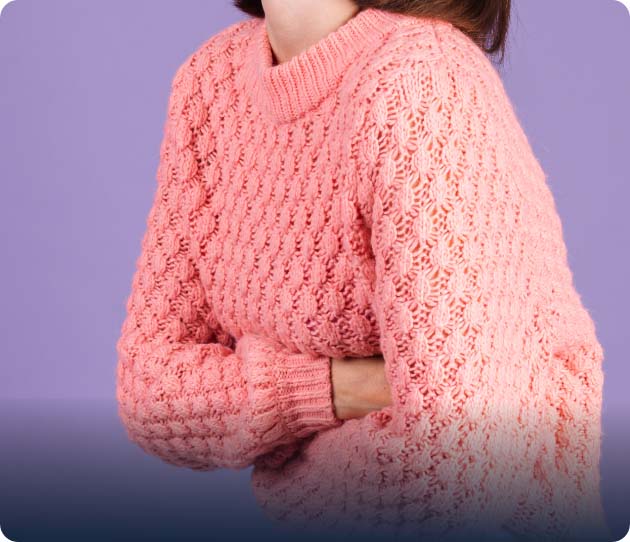

Endometriosis is more than a health condition—it is a daily challenge that often affects how women live, work, and even plan their families. The most common and troubling symptom is pain, which can range from severe menstrual cramps to chronic pelvic discomfort that lingers throughout the month. For some women, the pain is so intense that it disrupts routine activities and impacts emotional well-being.
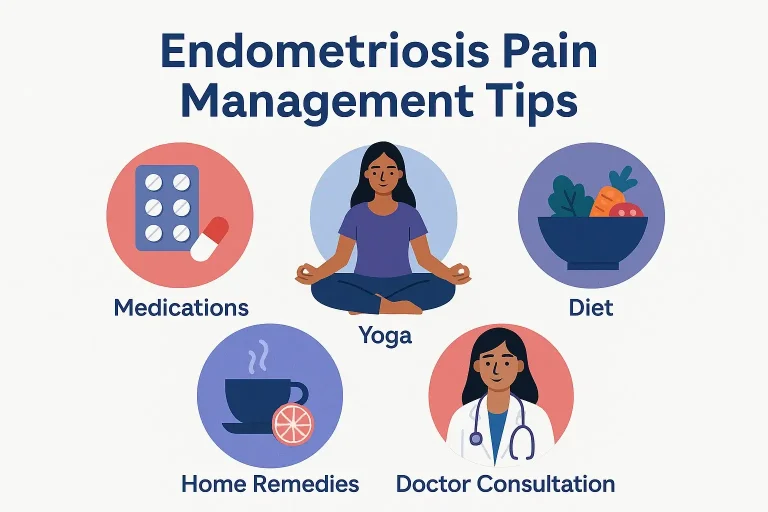
The right endometriosis pain management tips can transform this journey. Pain does not have a one-size-fits-all solution, but through a combination of medical treatments, lifestyle changes, and natural methods, women can regain control. From medications that ease inflammation to yoga practices that relax the body, and from home remedies like heat therapy to diet choices that lower inflammation, there are proven ways to manage symptoms.
At Mayflower Women’s Hospital, our gynecology experts believe in a holistic approach. We help women identify the strategies that work best for them—whether it is professional medical care, at-home pain relief techniques, or a tailored plan that blends both. This blog explores practical and reliable methods to reduce discomfort, so women can focus less on pain and more on living fully.
Why Endometriosis Causes Pain
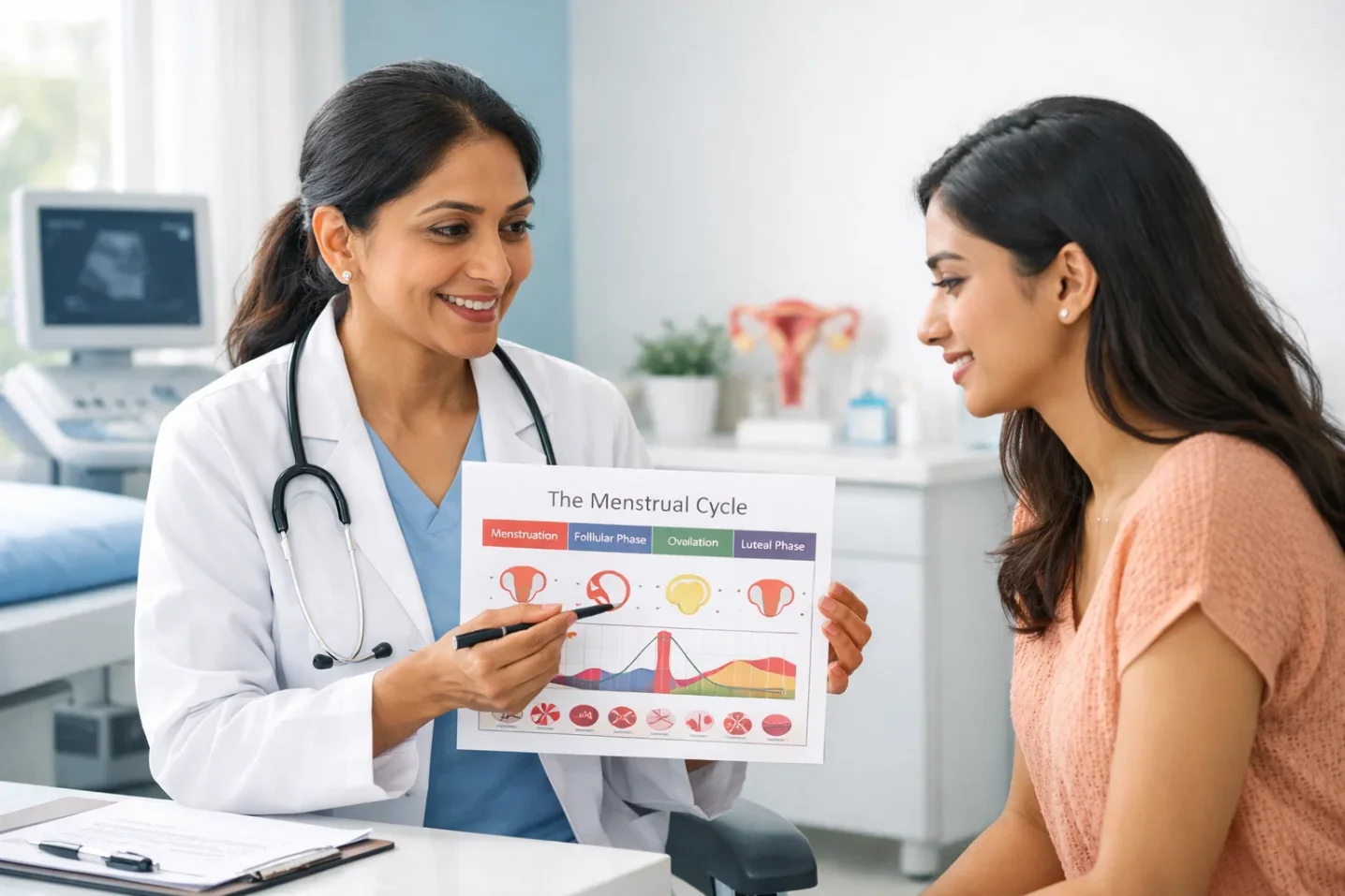
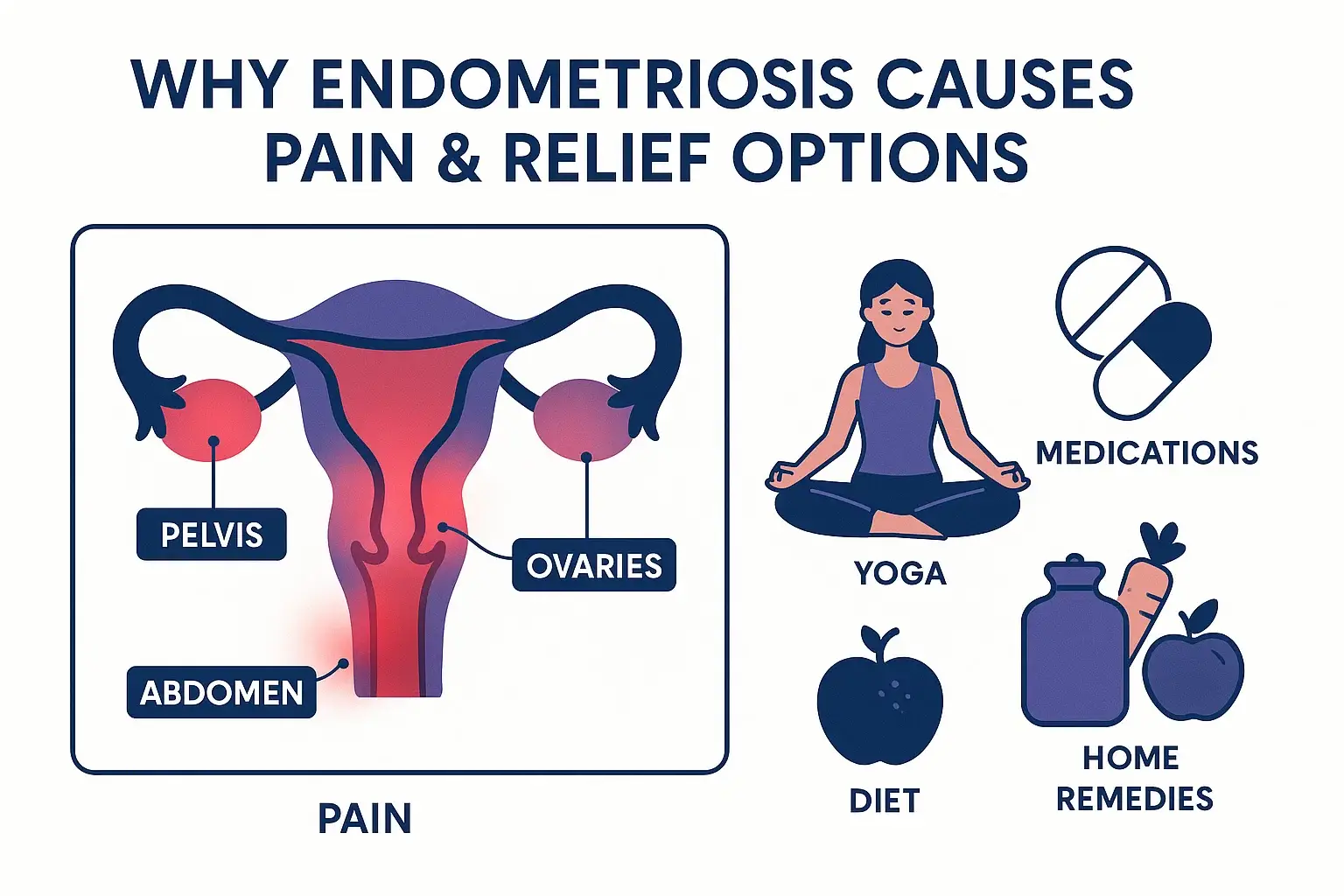
The pain of endometriosis is not just “bad cramps.” It happens because tissue similar to the uterine lining grows outside the uterus, often on the ovaries, fallopian tubes, or pelvic lining. Just like the endometrium inside the uterus, these growths respond to monthly hormonal changes. They thicken, break down, and bleed, but unlike normal menstrual tissue, they have no way to exit the body.
This process causes inflammation, scarring, and adhesions (tissues sticking together), which lead to persistent pain. Women often experience:
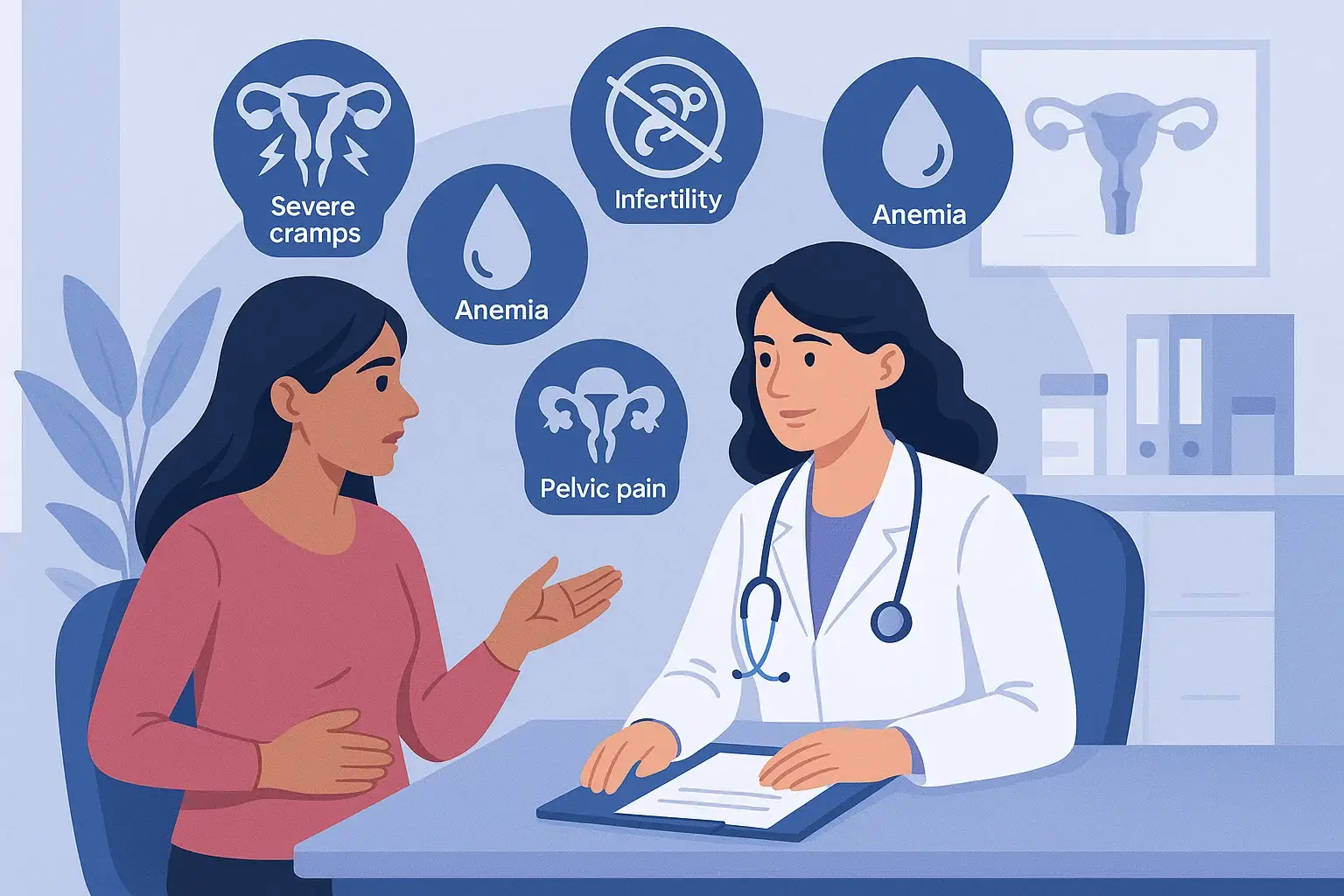
- Severe menstrual cramps that begin before periods and last longer than usual.
- Chronic pelvic pain throughout the cycle.
- Pain during sex, urination, or bowel movements.
- Fatigue and bloating that worsen during periods.
For many, finding endometriosis pain menstrual relief is a priority, as the pain can interfere with work, relationships, and emotional well-being.
Types of Endometriosis Pain
Pain caused by endometriosis can take different forms:
- Cyclical pain: Intense cramps that flare up during periods.
- Chronic pain: Persistent discomfort that continues throughout the cycle.
- Activity-related pain: Pain triggered by intercourse, exercise, urination, or bowel movements.
Recognizing the type of pain helps doctors design more effective treatment plans tailored to each patient.
Understanding why pain occurs and how it presents in daily life makes it easier to explore the endometriosis pain relief tips that bring real results.
Endometriosis Pain Relief Tips That Actually Help
Every woman’s experience with endometriosis is unique, but the strategies for relief often fall into two groups: medical treatments and lifestyle approaches. Combining both is usually the most effective way to reduce pain and improve quality of life.
Medications and Medical Treatments
Doctors often begin with medicines to help women manage daily discomfort.
- Pain relievers like NSAIDs (ibuprofen, naproxen) can ease cramps.
- Hormonal therapy (birth control pills, IUDs, or GnRH agonists) regulates cycles and slows endometrial growth.
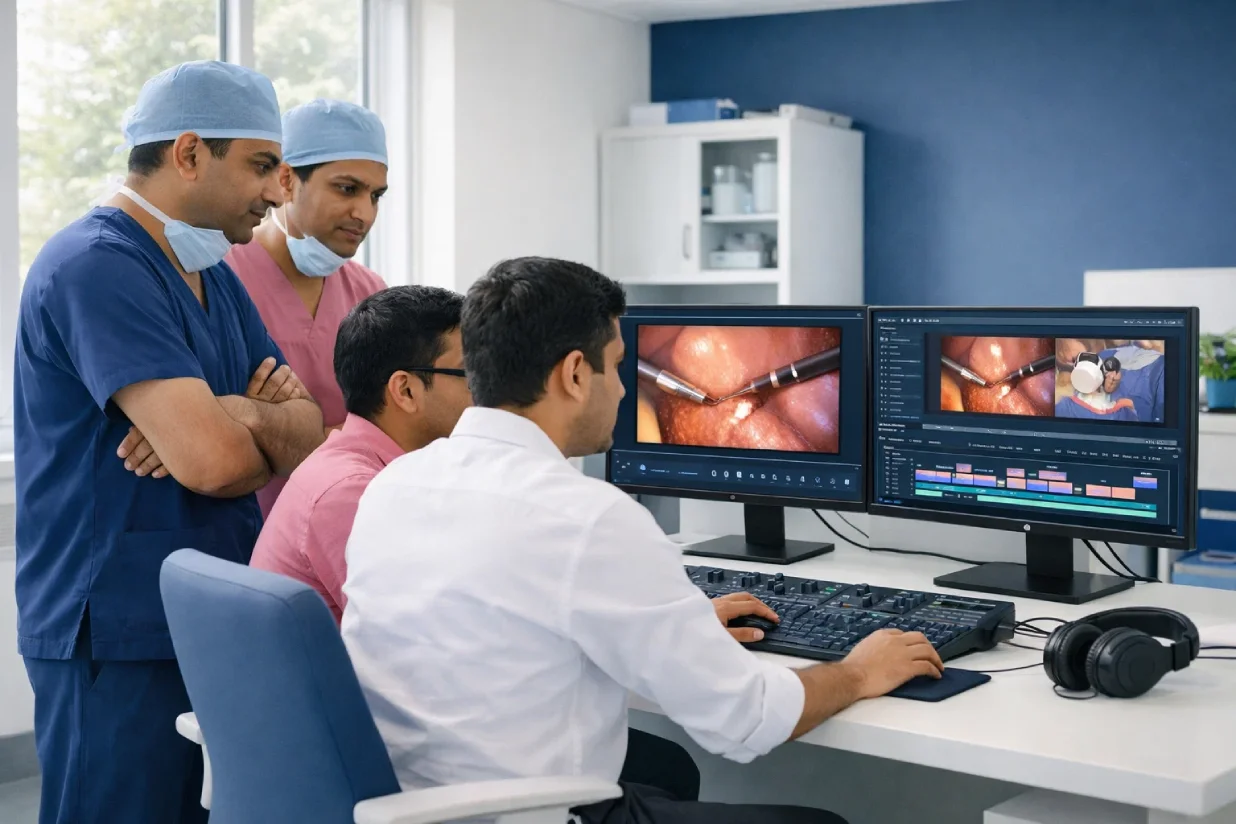
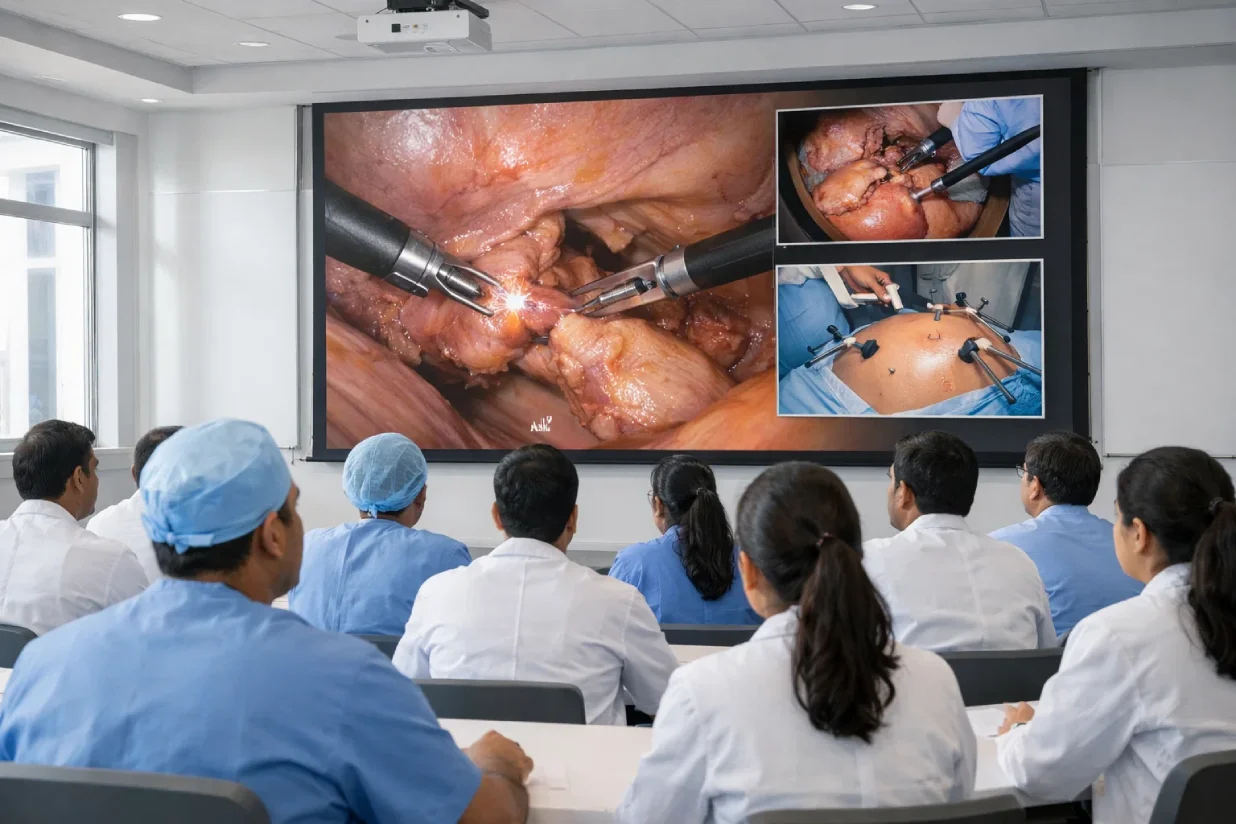
- In severe cases, surgery such as laparoscopy is an option to remove lesions.
At Mayflower Hospital, specialists provide endometriosis pain medications tailored to each patient’s needs, ensuring safe and effective care. This is part of the hospital’s commitment to Mayflower endometriosis pain relief.
Home Remedies for Daily Comfort
Simple practices can offer quick relief at home.
- Using a hot water bottle or heating pad to relax muscles.
- Taking warm baths to reduce cramping.
- Practicing relaxation techniques like meditation.
These home remedies for endometriosis pain are especially useful for women seeking endometriosis pain management at home.
Natural Approaches for Symptom Control
Many women ask about how to relieve endometriosis pain naturally. While not a substitute for medical care, natural methods can complement treatment:
- Practicing stress reduction through deep breathing and mindfulness.
- Keeping a symptom journal to track patterns and triggers.
- Building consistent sleep and exercise routines.
Such natural ways to reduce endometriosis pain help women feel more in control of their condition.
Yoga and Gentle Exercise
Yoga for endometriosis pain offers relief by reducing stress and improving circulation. Gentle poses such as child’s pose, cat-cow, and reclining bound angle stretch pelvic muscles and soothe cramps. Regular practice can make periods more manageable.
Diet and Nutrition for Pain Relief
Food choices can influence hormone balance and inflammation. Adiet for endometriosis pain relief should include:
- Omega-3 rich foods (fish, walnuts, flaxseeds).
- Anti-inflammatory fruits and vegetables.
- Whole grains and legumes.
Limiting processed foods, caffeine, and red meat also helps manage flare-ups.
By combining these endometriosis pain relief tips, women can build a daily routine that addresses their symptoms from multiple angles. The next step is learning how to organize these practices into a practical home pain management plan.
Creating a Home Pain Management Plan
Living with endometriosis means that some days will be harder than others. Having a structured plan for self-care makes it easier to cope with symptoms on a daily basis. A personalized plan should combine endometriosis pain management at home strategies with lifestyle changes that support long-term health.
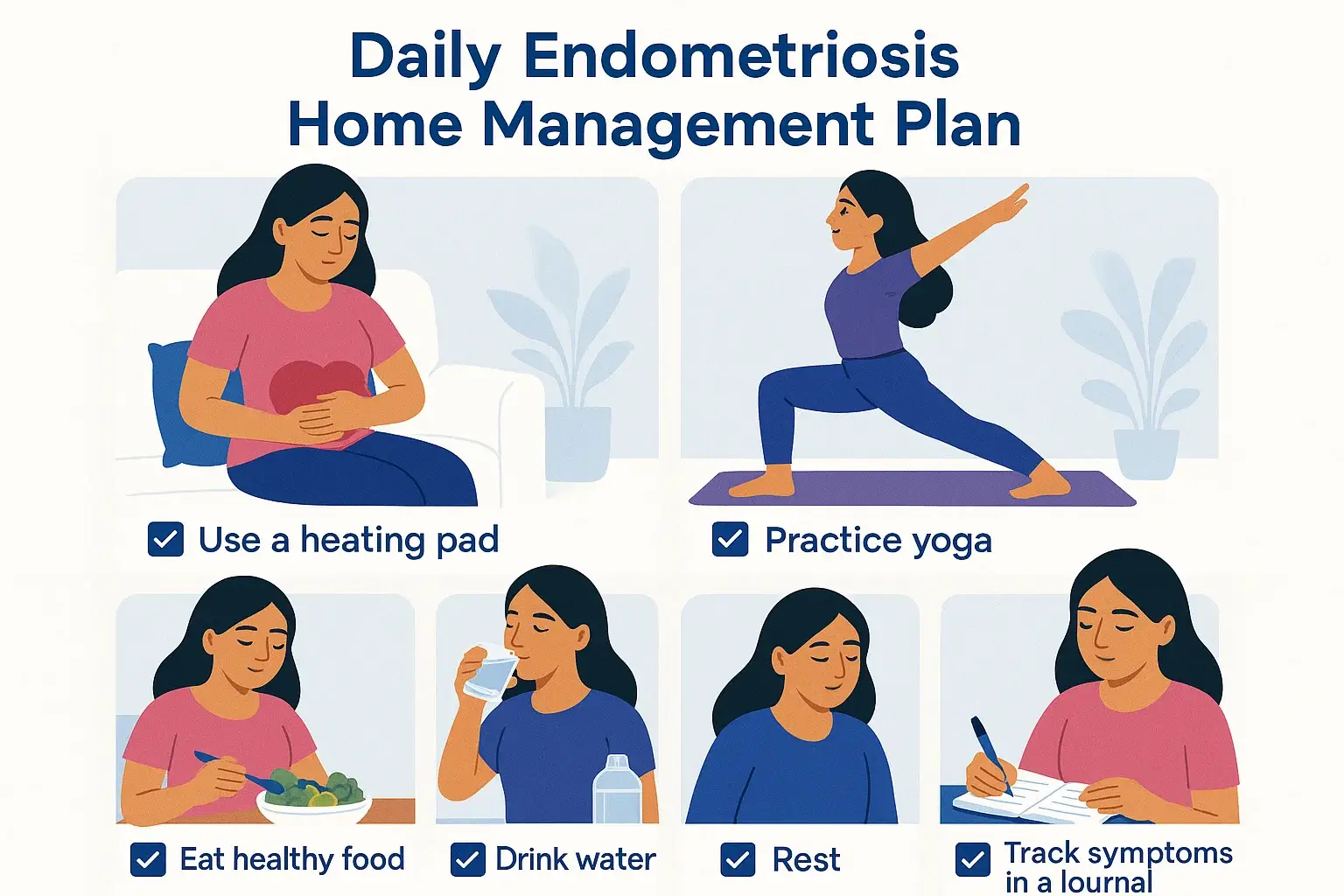
Daily Checklist for Endometriosis Pain Relief:
- Heat therapy: Use a heating pad or hot water bottle to relax pelvic muscles.
- Gentle movement: Light yoga or stretching helps reduce cramping.
- Balanced diet: Include anti-inflammatory foods such as leafy greens, nuts, and omega-3-rich fish.
- Hydration: Drink enough water to ease bloating and fatigue.
- Rest & sleep: Prioritize 7–8 hours of quality sleep to restore energy.
- Stress relief: Try meditation, journaling, or short breathing exercises.
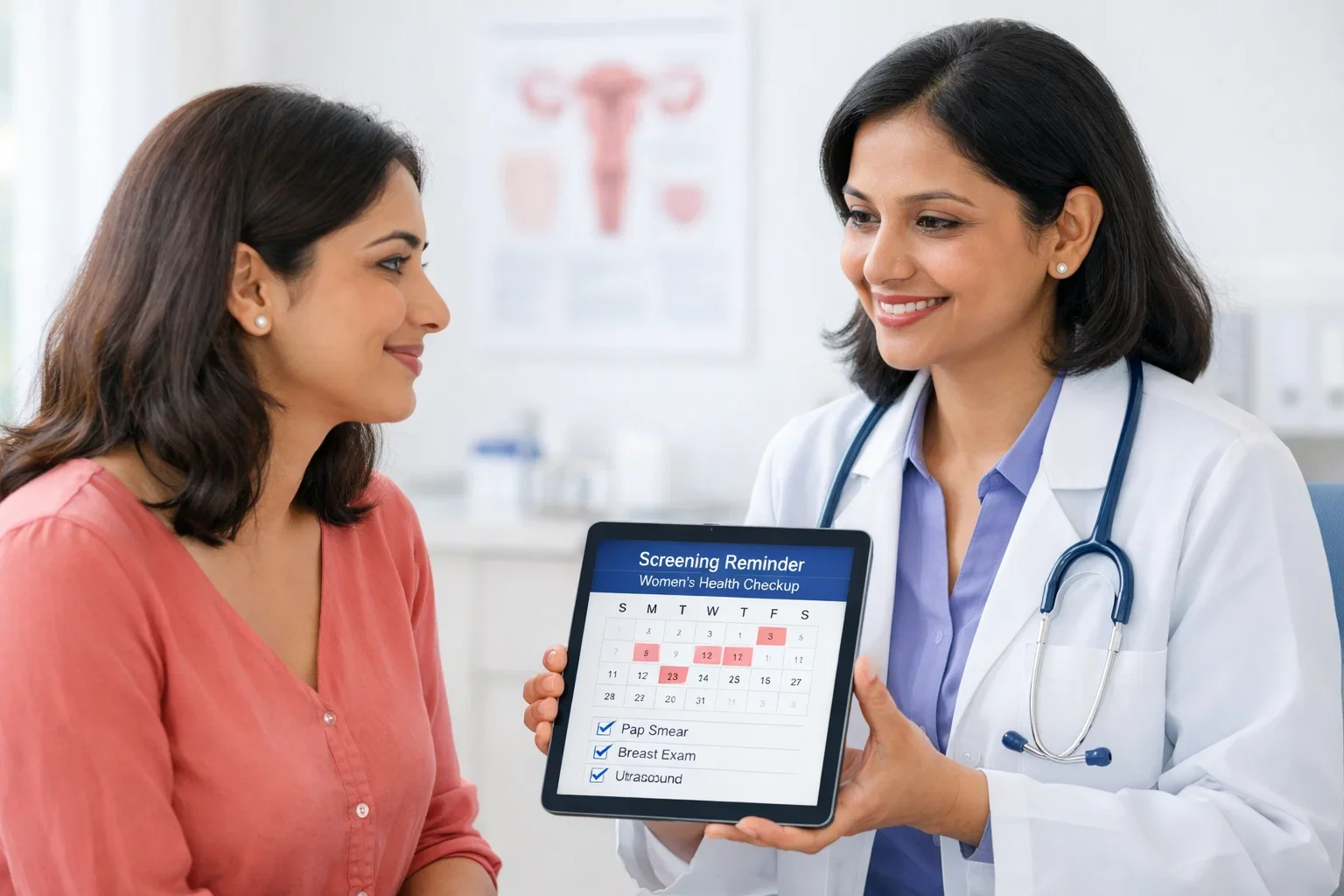
- Symptom tracking: Note when pain occurs and what helps reduce it.
These steps do not replace professional care but give women a sense of control between doctor visits. At Mayflower Hospital, our specialists help patients design realistic home management routines that complement medical treatment.
Even with a consistent home care routine, some symptoms may persist or worsen. Knowing when to seek professional medical help is critical to ensure timely and effective treatment.
When to Seek Professional Medical Help
While home strategies can bring comfort, there are times when professional evaluation becomes essential. Ignoring persistent or worsening symptoms may delay treatment and increase complications. Women should consult a gynecologist if they notice:
- Severe pelvic pain that does not improve with medications or home remedies.
- Heavy menstrual bleeding that causes fatigue or anemia.
- Pain during intercourse, urination, or bowel movements that interferes with daily life.
- Difficulty conceiving despite months of trying.
- An enlarged or tender uterus discovered during routine checkups.
At this stage, relying only on endometriosis pain relief tips at home is not enough. Specialists at Mayflower Hospital provide advanced diagnostics and tailored therapies, ranging from endometriosis pain medications to minimally invasive surgery, fertility-focused treatments, and holistic care.
Seeking timely care not only helps manage pain more effectively but also safeguards fertility and long-term well-being. This is where Mayflower Hospital’s comprehensive approach to endometriosis pain relief makes a meaningful difference.
Mayflower’s Approach to Endometriosis Pain Relief
At Mayflower Hospital, we recognize that endometriosis pain affects every aspect of a woman’s life—physical, emotional, and social. Our approach goes beyond simply reducing symptoms. We focus on comprehensive, patient-centered care that helps women regain control over their health.
What sets Mayflower apart?
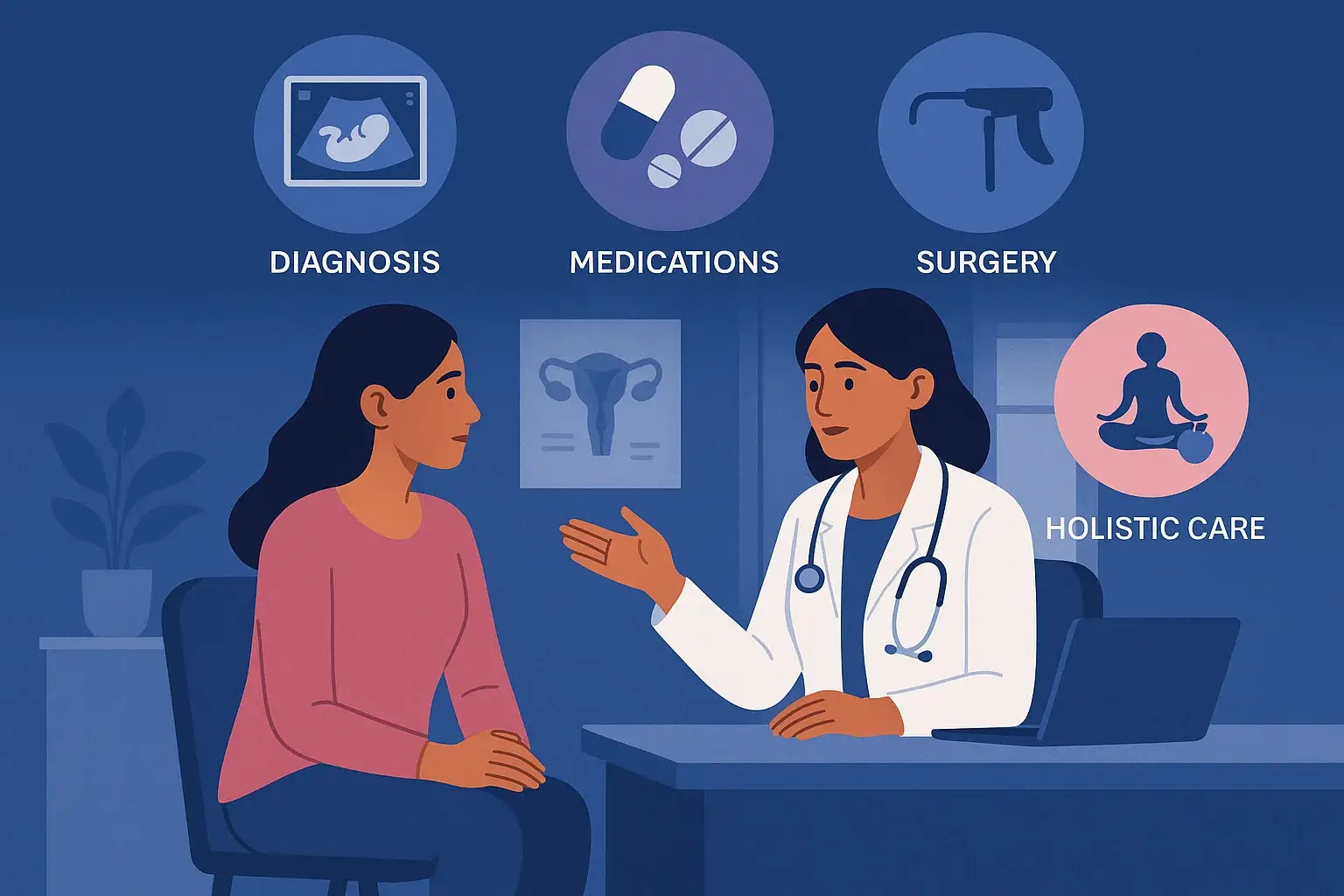
- Accurate Diagnosis: Access to high-resolution ultrasound, expert MRI reading, and minimally invasive laparoscopy for precise evaluation.
- Personalized Treatment Plans: From endometriosis pain medications to advanced surgical options, each plan is tailored to the individual.
- Holistic Support: Alongside medical care, we guide women with dietary advice, yoga for endometriosis pain, and lifestyle modifications.
- Compassionate Environment: Our specialists provide empathetic counseling, ensuring women feel supported at every stage of their journey.
Supporting Fertility Alongside Pain Relief
For many women, endometriosis pain is closely linked to infertility challenges. At Mayflower, we integrate pain management with reproductive care, ensuring women who wish to conceive have the best possible support. Our fertility specialists provide:
- Targeted treatments to reduce inflammation and preserve reproductive health.
- Advanced fertility services, including IUI, IVF, and egg freezing.
- Guidance on lifestyle modifications that improve both pain and fertility outcomes.
This dual focus—on pain relief and reproductive health—helps women take confident steps toward both comfort and family planning.
By combining advanced diagnostics, holistic therapies, and fertility-focused care, Mayflower provides complete support for women with endometriosis. To address common concerns, let’s look at answers to frequently asked questions.
Frequently Asked Questions (FAQs)
The best tips combine medical and natural methods. These include taking prescribed endometriosis pain medications, using heat therapy, practicing yoga, eating an anti-inflammatory diet, and tracking symptoms to find triggers.
You can try home remedies for endometriosis pain, such as applying a heating pad, taking warm baths, practicing meditation, and following a healthy diet. These are safe ways to ease discomfort alongside medical care.
Yes. Yoga for endometriosis pain can reduce cramps by stretching pelvic muscles, improving blood circulation, and calming the mind. Poses like child’s pose and reclining bound angle are especially effective.
A diet for endometriosis pain relief should include fruits, vegetables, whole grains, nuts, and omega-3-rich fish. Limiting processed foods, caffeine, and red meat also helps reduce inflammation and flare-ups.
If pain is severe, persistent, or combined with heavy bleeding, fatigue, or infertility, professional care is necessary. Mayflower Hospital offers comprehensive support for women seeking lasting relief.
No. While many women experience severe cramps during menstruation, endometriosis pain can also occur between periods. Chronic pelvic pain, pain during sex, or discomfort while urinating or passing stool are common in this condition.
Conclusion
Managing the pain of endometriosis requires a thoughtful balance of medical care and lifestyle support. From endometriosis pain management tips such as medications, yoga, diet, and natural remedies to structured home routines, women have multiple ways to reduce discomfort and regain control of their lives.
But when pain becomes persistent or interferes with fertility, it’s important to seek professional care. At Mayflower Hospital, our gynecology experts provide evidence-based treatments, advanced diagnostics, and holistic support tailored to each woman’s needs. Whether you are looking for endometriosis pain relief tips at home or need specialized medical guidance, our team is here to walk the journey with you.
Don’t let pain define your life. Take the first step toward long-term relief and improved well-being schedule a consultation with Mayflower Hospital today.