


Endometriosis surgery recovery is often the beginning of a new chapter for women who have long struggled with pelvic pain, fatigue, and fertility challenges. After years of discomfort, surgery offers the chance to reclaim comfort, confidence, and control over one’s health.
At Mayflower Hospital, our specialists understand that healing doesn’t stop once the procedure ends. True recovery involves restoring physical strength, emotional balance, and hormonal stability – helping you transition smoothly toward a pain-free life.
Whether you’ve undergone laparoscopic excision, hysterectomy, or another minimally invasive procedure, knowing what to expect during recovery can make all the difference. With the right medical care, rest, nutrition, and support, most women find themselves returning to daily routines stronger than before.
In this comprehensive guide, we’ll walk you through every step of recovery – from managing post-surgery pain and following the right diet to learning proven healing tips and reading inspiring success stories from women who’ve walked the same path.
Understanding Endometriosis and Why Surgery Is Often Needed
What Happens in Endometriosis
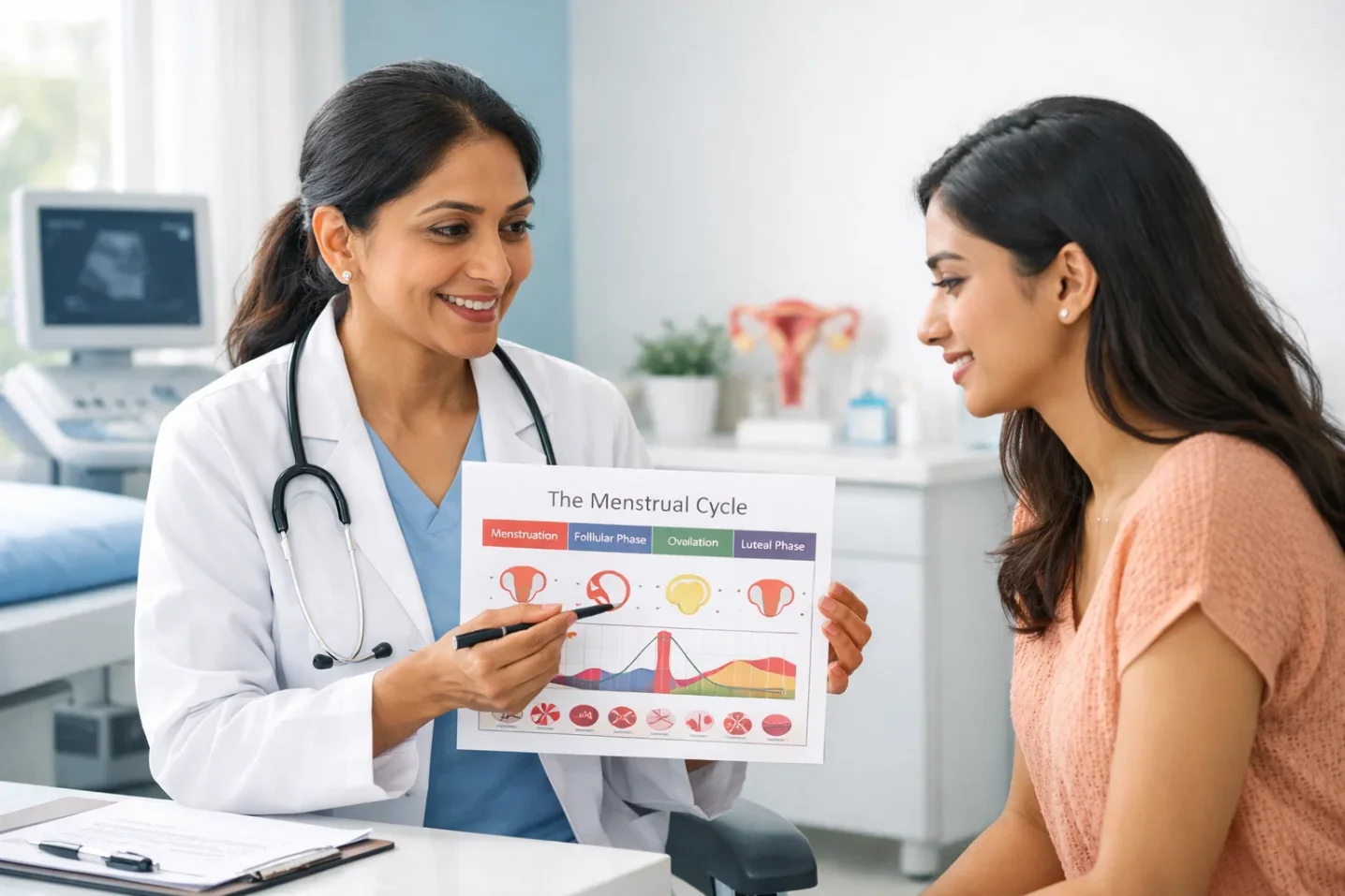
Endometriosis is a chronic gynecological condition where tissue similar to the uterine lining grows outside the uterus – often on the ovaries, fallopian tubes, or pelvic walls. These misplaced cells respond to hormonal changes during each menstrual cycle, leading to inflammation, pain, and sometimes the formation of scar tissue.
Over time, these changes can result in pelvic pain, heavy bleeding, painful intercourse, and difficulty conceiving. For many women, these symptoms disrupt daily life, emotional wellbeing, and relationships.
Early diagnosis is key, as untreated endometriosis can cause adhesions – fibrous bands that bind organs together – which further intensify pain and limit mobility. Recognizing symptoms and seeking timely help from a specialist in endometriosis care can prevent progression and protect fertility.
When Is Surgery Recommended?
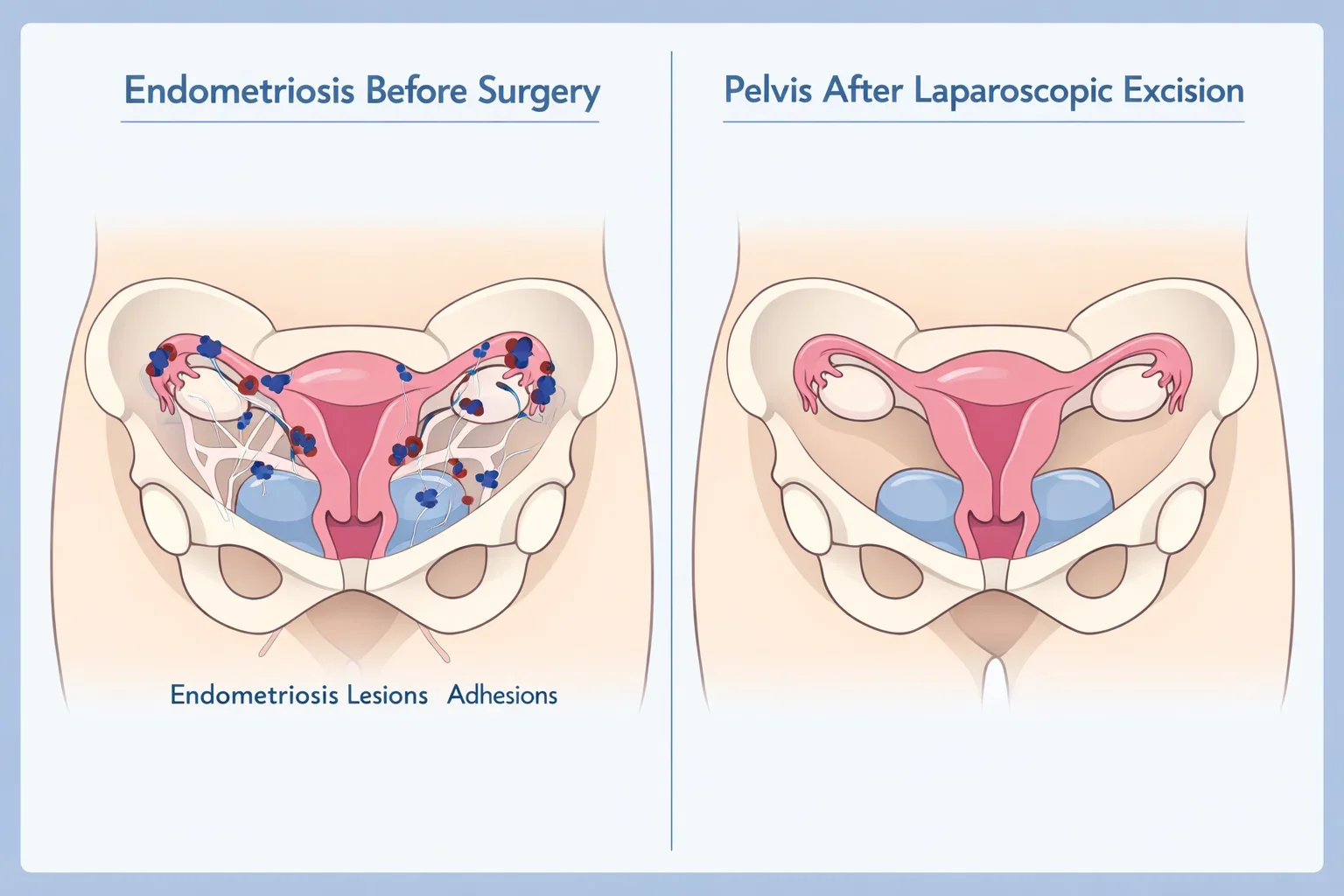
In cases where pain persists despite medication or when endometriosis affects fertility, surgical intervention becomes the most effective option. Laparoscopic surgery for endometriosis allows doctors to view and remove or excise lesions precisely, minimizing damage to surrounding tissue.
Surgery is often advised for:
- Severe or chronic pelvic pain unresponsive to medication
- Endometriomas (ovarian cysts caused by endometriosis)
- Bowel or bladder involvement
- Infertility linked to endometriosis
Patients considering surgery should always consult an experienced endometriosis specialist in India, as expertise in laparoscopic and excision techniques greatly influences outcomes and long-term pain relief.
For some women with extensive disease or completed family planning, hysterectomy may be recommended. However, it’s usually considered only after conservative options have been explored.
Types of Endometriosis Surgery and Recovery Timelines
Laparoscopic Excision Surgery
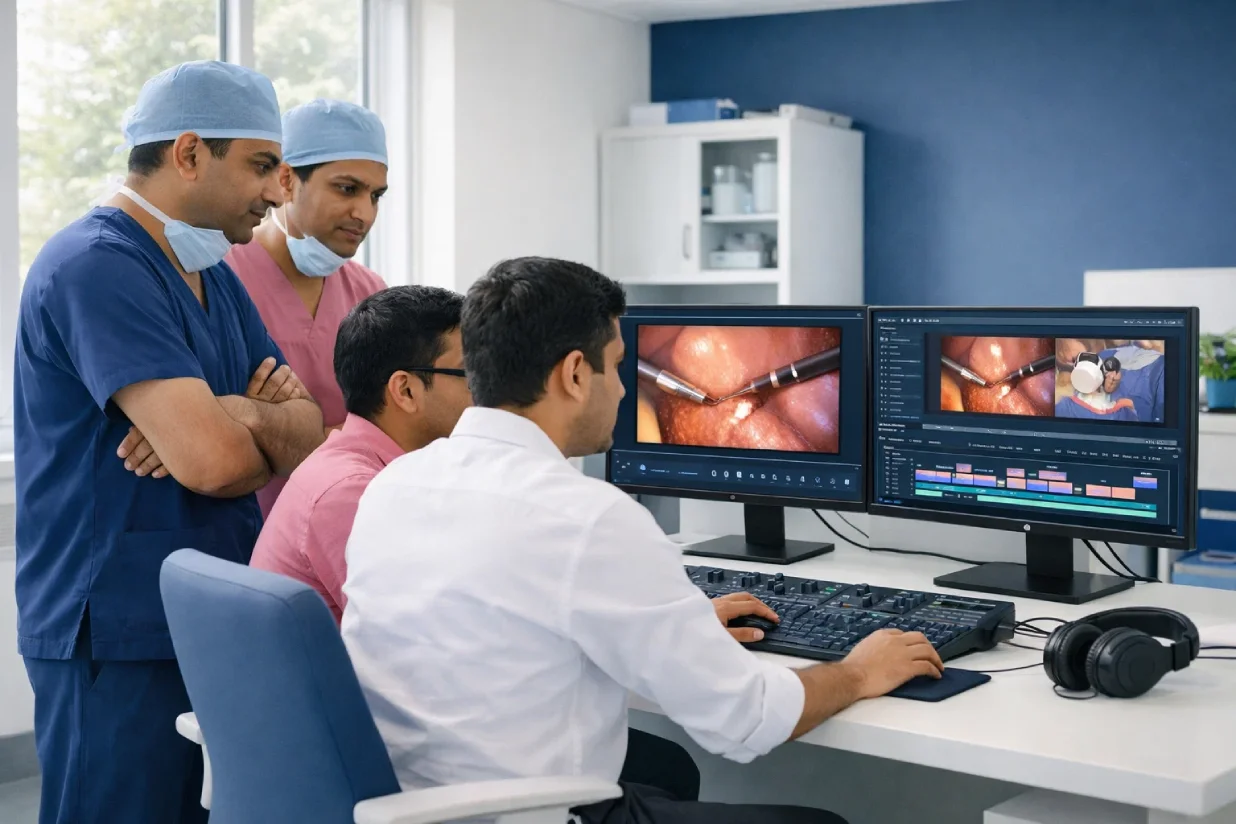
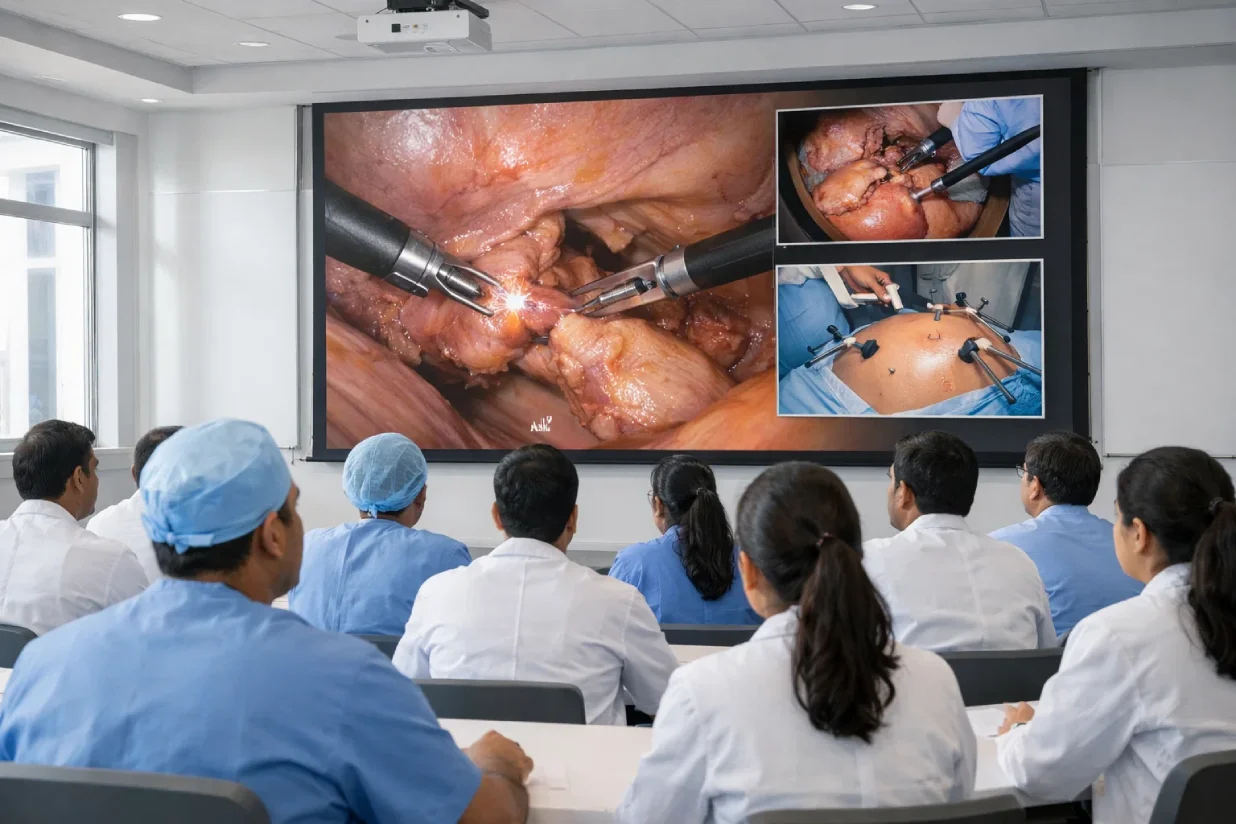
Laparoscopic excision surgery is the gold standard for treating endometriosis. It involves inserting a thin tube with a camera (laparoscope) through small abdominal incisions, allowing the surgeon to locate and precisely remove endometrial growths from affected organs. This minimally invasive approach ensures less bleeding, fewer scars, and faster recovery compared to traditional open surgery.
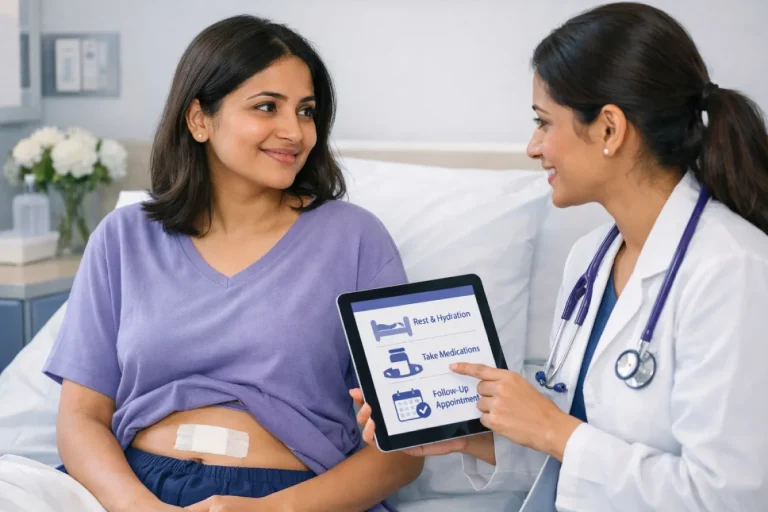
Most women can go home within 24 hours of the procedure. The laparoscopic endometriosis recovery period generally ranges from 2 to 4 weeks, depending on the extent of the disease and how much tissue was removed. During this time, patients are encouraged to rest, stay hydrated, and avoid strenuous activity while the body heals naturally.
This procedure has a high success rate in reducing pelvic pain and improving fertility outcomes, especially when performed by an experienced laparoscopic surgeon.
Endometriosis Hysterectomy
For women with severe or recurrent endometriosis who no longer wish to conceive, a hysterectomy – the surgical removal of the uterus – may be advised. In some cases, the ovaries or fallopian tubes may also be removed if lesions are widespread.
Recovery from endometriosis hysterectomy typically takes longer, around 6 to 8 weeks, as the body adjusts hormonally and physically. Patients often experience emotional changes, fatigue, or hormonal fluctuations post-surgery, which can be effectively managed with medical and psychological support.
Although it’s a more extensive surgery, many women report long-term pain relief and better quality of life following a successful hysterectomy.
Other Minimally Invasive Techniques
Apart from excision and hysterectomy, other techniques like laser ablation or robotic-assisted surgery are also used in specific cases.
- Laser Ablation: Vaporizes visible lesions but may not remove deep-rooted endometriosis completely.
- Robotic Surgery: Offers enhanced precision and reduced recovery time, but may not be necessary for all patients.
Each surgical option is chosen based on disease severity, fertility goals, and medical history. A detailed discussion with your doctor helps determine the best approach for your specific case.
Phases of Endometriosis Surgery Recovery
Recovery after endometriosis surgery is a gradual, multi-phase process that varies from person to person. Understanding these stages helps patients set realistic expectations, manage pain effectively, and ensure a smooth transition to normal activities.
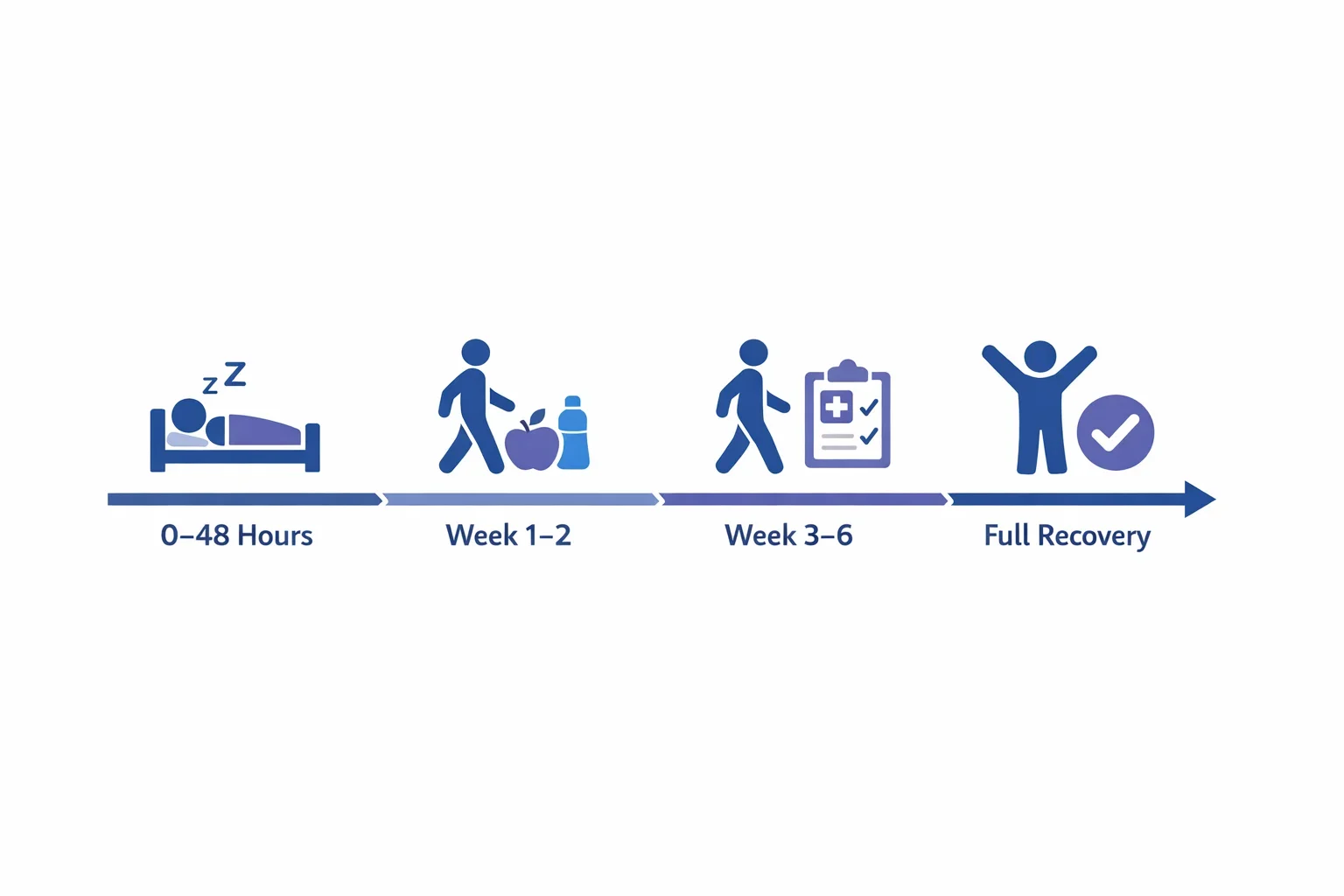
Phase 1 – Immediate Recovery (0 to 48 Hours)
The first 24 to 48 hours after surgery are typically spent under hospital observation. You may feel drowsy or disoriented from anesthesia, and mild discomfort around the incision area is common. Some women also experience shoulder pain due to the carbon dioxide used during laparoscopic surgery for endometriosis, which subsides within a day or two.
During this phase:
- The healthcare team monitors vital signs and ensures proper wound healing.
- Pain is managed through prescribed medications and rest.
- Light walking is encouraged to prevent blood clots and promote circulation.
It’s important to remember that pain after endometriosis surgery is normal, but severe or persistent pain should always be reported to your doctor.
Phase 2 – Early Recovery (Week 1 to 2)
This period focuses on rest and gentle movement. The body begins internal healing, and swelling gradually reduces. You may still feel fatigue or tenderness near the incision sites, but these symptoms usually improve daily.
Key recommendations during this stage:
- Avoid heavy lifting and strenuous exercise.
- Keep the surgical area clean and dry.
- Eat small, nutrient-dense meals to prevent constipation.
- Get enough sleep and short walks for circulation.
Most patients find this is the hardest part emotionally, as energy levels fluctuate. Support from family, friends, and your medical team plays a vital role in staying positive.
The laparoscopic endometriosis recovery time during this period lays the foundation for complete healing in the coming weeks.
Phase 3 – Gradual Return to Normal Life (Week 3 to 6)
By the third week, most women notice a significant reduction in pain and fatigue. It’s usually safe to resume light household chores, desk work, and gentle exercises such as stretching or yoga (only after consulting your doctor).
For women who underwent endometriosis hysterectomy, recovery may take slightly longer. Hormonal adjustments may also cause mood swings or sleep disturbances, which can be managed through professional guidance and a balanced endometriosis diet.
You’ll likely have a follow-up appointment around week 4 to assess internal healing and discuss the next steps. This is a great time to ask your doctor about activity restrictions, scar care, and long-term wellness plans.
Phase 4 – Full Recovery and Long-Term Healing (After 6 Weeks)
By six to eight weeks, most women return to their normal lifestyle, though full internal healing can take several months. Maintaining a healthy diet, avoiding stress, and following your doctor’s advice helps prevent recurrence.
At this point:
- Pain and bloating should be minimal.
- Energy levels stabilize.
- Period cycles may normalize if reproductive organs are intact.
Your body continues to adapt, and emotional recovery becomes as important as physical healing. Regular checkups ensure you remain on track toward a pain-free, active life.
Pain Relief After Endometriosis Surgery
Pain management is one of the most important parts of endometriosis surgery recovery. Although mild discomfort is normal as your body heals, proper pain control ensures faster recovery, improved sleep, and better emotional well-being. The goal is to minimize pain safely while supporting the healing process.
Medical Pain Relief Options
After surgery, doctors often prescribe a combination of pain-relieving and anti-inflammatory medications. These help manage abdominal cramping, bloating, and tenderness around the incision sites. Depending on the type of surgery, your specialist may suggest:
- Prescription pain relievers: Short-term use of medicines like acetaminophen or NSAIDs to reduce inflammation and soreness.
- Local heat therapy: Warm compresses or heating pads can relieve muscle stiffness and reduce gas-related shoulder pain common after laparoscopic surgery for endometriosis recovery.
- Physiotherapy: Light physiotherapy under medical guidance helps reduce tension and promotes blood flow to the pelvic area.
- Posture adjustments: Sitting upright and supporting the abdomen with a small pillow can minimize strain and pain during the early recovery period.
Your healthcare team at Mayflower Hospital monitors pain levels closely and adjusts treatment as your recovery progresses. Open communication with your doctor is essential to ensure the pain is effectively managed and does not become chronic.
Natural and At-Home Pain Relief Tips
Along with medical care, several natural remedies can ease discomfort and promote relaxation during recovery. These methods work best when combined with adequate rest and a balanced diet.
- Deep breathing exercises: Help release tension in abdominal muscles and promote calmness.
- Warm baths: Aid relaxation and reduce lower back pain (only after your incisions are fully healed).
- Gentle movement: Slow walking enhances circulation and prevents stiffness.
- Mindfulness and meditation: Managing emotional stress helps control perceived pain levels and supports hormonal balance.
- Anti-inflammatory foods: Omega-3 fatty acids, leafy greens, and turmeric naturally reduce inflammation and improve healing.
These holistic approaches are especially helpful for long-term endometriosis surgery pain relief, allowing you to recover both physically and emotionally.
When to Seek Help for Pain
While mild soreness is expected, certain symptoms should not be ignored:
- Intense abdominal pain that doesn’t respond to medication
- Swelling or redness near incision sites
- Fever, chills, or nausea
- Sharp pelvic pain several weeks after surgery
If you notice any of these signs, contact your doctor immediately. Early intervention can prevent complications and ensure your recovery stays on track.
Endometriosis Excision Recovery Tips from Experts
Recovery after endometriosis excision surgery requires a mindful balance of rest, movement, nutrition, and emotional care. While each woman’s journey is unique, following proven recovery strategies can help speed up healing and prevent post-surgical complications. Here are expert-backed tips from Mayflower’s gynecology team to make your healing smoother and more comfortable.
Physical Care Tips
- Prioritize Rest: In the first few weeks, your body needs energy to heal internally. Avoid heavy lifting, bending, or strenuous workouts until your doctor approves.
- Gentle Movement: Slow walking a few times a day promotes blood circulation and prevents stiffness. It also reduces the risk of blood clots.
- Wound Care: Keep incisions clean and dry. Wash hands before touching the area and avoid applying any creams unless prescribed.
- Wear Comfortable Clothing: Loose-fitting cotton clothes prevent irritation and allow better airflow, especially around incision sites.
- Sleep Position: Sleeping slightly propped up with pillows can ease abdominal tension and improve comfort during recovery.
These habits are simple but powerful in ensuring your laparoscopic endometriosis recovery stays smooth and complication-free.
Mental and Emotional Wellness
Surgery recovery isn’t just physical – emotional balance plays a huge role in overall healing. Many women experience mood swings or fatigue after surgery due to hormonal changes or the stress of prolonged pain.
- Acknowledge Your Feelings: Emotional highs and lows are normal after surgery. Journaling or talking with a loved one can ease mental pressure.
- Support Groups: Joining endometriosis recovery groups helps you connect with women who’ve experienced similar journeys, offering motivation and reassurance.
- Mindfulness Practices: Meditation and gentle yoga can help regulate stress hormones, improving sleep and overall wellbeing.
- Professional Guidance: Counseling or therapy can be beneficial if you’re struggling with anxiety or post-surgery mood changes.
Taking care of your mental health ensures your recovery is holistic – body, mind, and spirit.
Follow-Up Care Checklist
Consistent medical follow-ups help track progress and detect any early signs of complications. Make sure to:
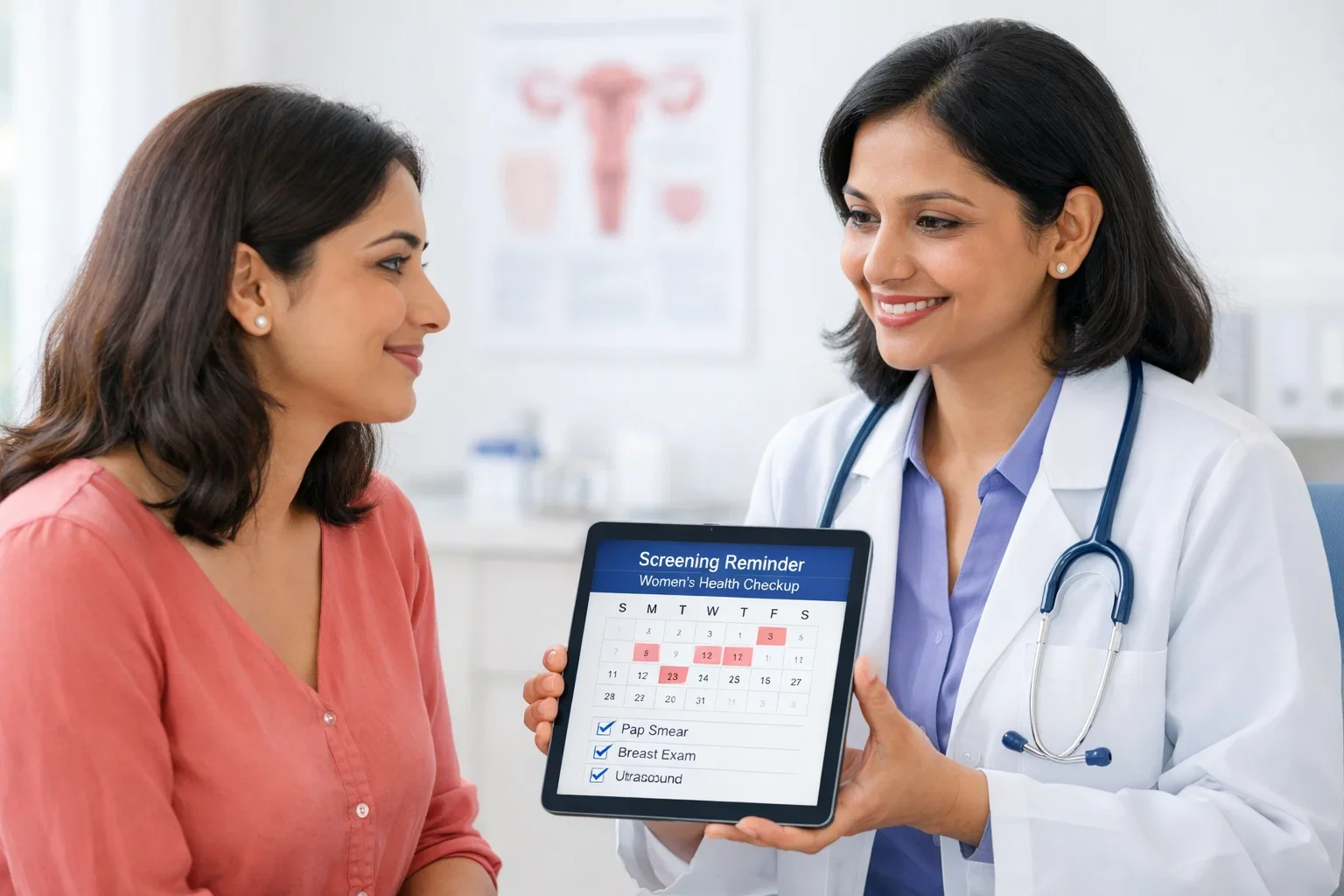
- Attend every scheduled appointment: Your doctor may perform ultrasound or pelvic exams to confirm internal healing.
- Discuss pain or unusual symptoms: Even mild pain should be addressed early.
- Review medication: Never stop or change prescribed medicines without consulting your specialist.
- Ask about physical activity: Get professional clearance before returning to work, exercise, or sexual activity.
Following these endometriosis excision recovery tips not only promotes faster healing but also reduces the risk of recurrence – allowing you to confidently return to your normal life.
The Role of Diet in Post-Surgery Healing
A balanced diet is one of the most powerful tools in supporting endometriosis surgery recovery. After surgery, your body needs essential nutrients to rebuild tissue, reduce inflammation, and restore hormonal balance. Eating the right foods not only accelerates healing but also minimizes pain, bloating, and fatigue.

Why Diet Matters After Endometriosis Surgery
Post-surgery nutrition is critical for managing inflammation and supporting the immune system. The right endometriosis diet focuses on foods rich in antioxidants, fiber, and healthy fats – all of which help repair tissues and regulate estrogen levels.
At Mayflower Hospital, nutritionists often guide patients to follow an anti-inflammatory plan during the initial weeks after surgery. This helps prevent digestive discomfort (common after anesthesia and pain medications) while also improving energy levels.
Foods that promote healing include:
- Fresh fruits and vegetables (especially leafy greens and berries)
- Omega-3-rich foods like flaxseeds, walnuts, and salmon
- Whole grains such as quinoa, brown rice, and oats
- Plant-based proteins like lentils and beans
Diet After Laparoscopic Surgery for Endometriosis
During the first week after laparoscopic endometriosis surgery, your digestive system may be sensitive. A gentle, light diet helps you recover without straining the body.
Recommended foods:
- Warm soups, khichdi, and porridge for easy digestion
- Herbal teas and coconut water for hydration
- Steamed vegetables and fruits for vitamins and fiber
- Probiotic-rich foods like yogurt or kefir to restore gut balance
Avoid:
- Fried, spicy, or oily foods that may cause bloating
- Excess caffeine and processed sugar, which increase inflammation
- Alcohol and carbonated drinks, which slow down healing
This diet after laparoscopic surgery for endometriosis keeps digestion smooth and supports gradual return to regular meals.
Foods to Include and Avoid for Long-Term Healing
Following surgery, maintaining healthy eating habits can prevent recurrence and balance hormones naturally.
Include:
- Leafy greens, cruciferous vegetables (broccoli, cauliflower)
- Nuts and seeds high in magnesium and zinc
- Olive oil and avocados for healthy fats
- Turmeric and ginger for anti-inflammatory effects
Avoid:
- Red meat and dairy (in excess)
- Refined carbs and processed snacks
- Soy-based products (unless advised otherwise by your specialist)
By embracing a nutrient-dense, inflammation-reducing diet, women often report reduced pain and better hormonal stability within weeks.
Sample Healing Meal Plan (Week 1–4)
| Timeline | Breakfast | Lunch | Dinner | Snacks/Drinks |
|---|---|---|---|---|
| Week 1 | Oatmeal with chia seeds | Moong dal khichdi + boiled veggies | Vegetable soup + soft rice | Coconut water, green tea |
| Week 2 | Smoothie with flaxseed | Brown rice + dal + salad | Grilled fish or tofu | Herbal tea, fruits |
| Week 3 | Idli + sambar | Whole wheat roti + sabzi | Steamed veggies + lentil soup | Yogurt, nuts |
| Week 4 | Vegetable omelet | Quinoa bowl + sprouts | Light paneer curry + rice | Warm turmeric milk |
This plan focuses on easy-to-digest, anti-inflammatory meals that nourish your body and promote lasting recovery.
Exercise, Mobility & Lifestyle During Recovery
Recovering from endometriosis surgery doesn’t just mean resting – it’s also about gradually regaining strength, flexibility, and confidence. Gentle movement, balanced sleep, and mindful lifestyle choices help accelerate healing and prevent long-term complications. A structured approach ensures that your body heals without stress or strain.
Gentle Movement and Yoga
After laparoscopic endometriosis surgery, light physical activity plays an essential role in restoring muscle function and improving circulation. However, exercise must always be introduced slowly and under medical supervision.
Recommended activities include:
- Short walks: Start with 5–10 minutes a day once your doctor approves. It prevents stiffness and enhances blood flow.
- Gentle stretching: Basic pelvic floor stretches and light side bends improve flexibility without overexertion.
- Deep breathing exercises: Help reduce pain perception and improve oxygen flow.
- Yoga (after 3–4 weeks): Restorative poses like “child’s pose” and “legs-up-the-wall” can relieve bloating and ease lower back tension.
Avoid high-impact workouts, heavy lifting, or abdominal crunches until you’re fully cleared by your gynecologist.
Sleep and Rest
Adequate rest is just as important as movement. Your body repairs tissues and balances hormones during sleep, so prioritizing proper rest enhances both physical and emotional recovery.
Healthy sleep tips:
- Maintain a consistent bedtime routine to stabilize your body clock.
- Use supportive pillows to reduce strain on your abdomen.
- Avoid caffeine and screens before bed to improve sleep quality.
- Practice deep breathing or meditation to calm your mind before sleeping.
Good-quality rest helps regulate estrogen levels, which can lower the risk of endometriosis recurrence.
Long-Term Lifestyle Tips
Sustainable recovery goes beyond the first few weeks. Making long-term adjustments ensures your body remains balanced, pain-free, and resilient.
Key lifestyle habits to adopt:
- Follow a nutrient-rich endometriosis diet that limits inflammatory foods and supports hormonal balance.
- Manage stress: Chronic stress can disrupt hormones and worsen pelvic pain. Try journaling, mindfulness, or therapy.
- Stay hydrated: Water helps flush toxins and supports tissue repair.
- Regular checkups: Keep consistent follow-up appointments with your endometriosis specialist in India to monitor your health.
- Maintain a healthy weight: Reducing excess body fat helps balance estrogen and minimizes inflammation.
Living consciously after surgery is a commitment to your long-term health. Combining these lifestyle practices with medical guidance ensures a lasting pain-free life after recovery.
Endometriosis Surgery Success Stories
Hearing from real women who have successfully healed after endometriosis surgery recovery brings hope and reassurance. Every journey is different – but what unites them is the courage to take control of their health and rediscover life without pain. At Mayflower Hospital, many patients share inspiring stories of transformation, renewed energy, and restored fertility after laparoscopic excision and hysterectomy procedures.
A Journey from Pain to Peace – Nisha’s Story
For years, Nisha endured severe menstrual pain and fatigue that disrupted her work and relationships. After visiting several clinics, she finally found clarity at Mayflower Hospital, where a thorough evaluation revealed stage III endometriosis.
She underwent laparoscopic excision surgery, and within three months of recovery, her pain had significantly reduced. “For the first time in years, I could go through my cycle without medication,” she shared. Today, Nisha leads an active lifestyle, practicing yoga and maintaining her endometriosis diet to support long-term wellness.
Her experience shows that with expert care and patient-centered recovery, life after surgery can truly be pain-free.
Finding Hope in Fertility – Rhea’s Success
Rhea, a 31-year-old newlywed, was diagnosed with endometriosis-related infertility. Multiple fertility treatments had failed until her doctor recommended laparoscopic endometriosis surgery to clear adhesions and cysts affecting her ovaries.
After a six-week laparoscopic endometriosis recovery period, she was guided through personalized nutritional and fertility support at Mayflower. Six months later, Rhea conceived naturally. “The recovery was challenging, but I never felt alone. The care team helped me every step of the way,” she says.
Her story is a reminder that surgical recovery isn’t just about pain relief – it can restore hope for motherhood and emotional wellbeing.
Overcoming Fear and Reclaiming Health – Priya’s Experience
Priya had been advised to undergo an endometriosis hysterectomy after years of recurring pain. Like many women, she was hesitant and afraid of the hormonal changes that might follow. However, after extensive counseling at Mayflower and a minimally invasive surgery, she recovered faster than expected.
Today, Priya describes her experience as “liberating.” With the help of expert post-surgery nutritionists and physiotherapists, she enjoys a completely pain-free life and emphasizes that emotional support was as important as physical care.
Her success demonstrates that timely surgery and compassionate medical guidance can restore confidence and vitality, even after complex cases.
These endometriosis surgery success stories reflect what’s possible when medical precision meets holistic care. With the right guidance, recovery transforms from a struggle into a new beginning – one that empowers women to live freely, energetically, and without pain.
When to Contact Your Doctor
Even with smooth endometriosis surgery recovery, it’s important to stay alert to your body’s signals. While mild soreness, fatigue, and bloating are normal, certain symptoms can indicate complications that need prompt medical attention. Recognizing these warning signs early helps prevent infections, ensures proper healing, and supports a quicker return to your daily routine.
Signs That Need Immediate Medical Attention
Contact your doctor right away if you notice any of the following:
- Severe abdominal or pelvic pain that doesn’t improve with medication or rest
- Heavy vaginal bleeding or discharge with a foul odor
- High fever, chills, or body aches, which may signal infection
- Redness, swelling, or discharge from the incision site
- Persistent nausea, vomiting, or dizziness
- Painful urination or difficulty passing stool
- Abdominal swelling that increases instead of subsiding
These could be signs of internal bleeding, infection, or postoperative complications that need immediate evaluation.
Follow-Up Appointments and Monitoring
After laparoscopic surgery for endometriosis, regular follow-ups are essential for safe recovery. Your doctor will typically schedule visits at:
- 1 week post-surgery: To check incision healing and review pain management.
- 4–6 weeks post-surgery: To assess internal recovery and ensure normal organ function.
- 3–6 months later: For long-term evaluation and recurrence prevention guidance.
During these appointments, your doctor may conduct pelvic exams, imaging tests, or hormone assessments. Always share any unusual symptoms or emotional concerns openly – transparency helps tailor your recovery plan effectively.
When to Reach Out Between Visits
Even between scheduled visits, you should contact your care team if:
- Your pain suddenly worsens after improvement
- You experience emotional distress, depression, or anxiety
- You notice side effects from medication
- You’re uncertain about diet, physical activity, or sexual activity safety
At Mayflower Hospital, patients are encouraged to stay in close touch with their healthcare team through recovery. Whether it’s a simple concern or an urgent issue, timely communication ensures safer, faster healing and peace of mind.
Why Choose Mayflower Hospital for Endometriosis Surgery & Recovery
Choosing the right healthcare partner can make all the difference in your endometriosis surgery recovery journey. At Mayflower Hospital, every patient receives individualized care rooted in medical expertise, advanced technology, and genuine compassion. Our goal is not just to perform successful surgeries but to ensure that each woman regains her strength, comfort, and confidence for a truly pain-free life.
Expert Specialists and Advanced Technology
Mayflower is home to some of the best endometriosis specialists in India, with extensive experience in complex laparoscopic and excision surgeries. Our team uses cutting-edge diagnostic imaging and precision tools that allow for minimally invasive procedures, leading to:
- Smaller incisions and minimal scarring
- Reduced pain and faster recovery
- Lower risk of recurrence
Our operating theaters are equipped with the latest laparoscopic and 3D visualization systems, ensuring each surgery is carried out with the highest accuracy and safety standards.
Comprehensive Post-Surgery Recovery Program
Healing doesn’t stop in the operation room. Mayflower offers a multidisciplinary recovery program that includes:
- Nutrition Counseling: Personalized endometriosis diet plans to reduce inflammation and aid hormonal balance.
- Physiotherapy Support: Gentle mobility and strengthening sessions to restore comfort and posture.
- Pain Management & Hormone Care: Doctor-guided medication plans for lasting relief.
- Emotional and Psychological Support: Therapy and mindfulness guidance to help patients adjust emotionally post-surgery.
This integrated approach ensures that every aspect of your recovery – physical, nutritional, and mental – is fully supported.
Proven Outcomes and Patient-Centric Care
Over the years, Mayflower has become a trusted destination for women seeking long-term relief from endometriosis. Our success stories speak for themselves – many patients experience complete pain relief, restored fertility, and improved quality of life following treatment.
What sets us apart is our focus on transparency and empathy. From preoperative counseling to post-surgical care, our specialists ensure every question is answered and every concern is heard.
When you choose Mayflower, you’re choosing:
- Medical precision backed by decades of experience
- Compassionate, personalized care plans
- A lifelong commitment to your well-being
Living a Pain-Free Life After Endometriosis Surgery
Reaching the stage of complete endometriosis surgery recovery is more than a medical achievement – it’s the beginning of a renewed, empowered life. With reduced pain, balanced hormones, and restored energy, many women find themselves returning to activities, relationships, and goals they had once set aside. The journey may take time, but the results are transformative.

Embracing Physical and Emotional Wellbeing
After recovery, your body feels lighter and freer, but maintaining long-term wellness requires consistent care. Simple lifestyle adjustments ensure your results last:
- Stay Active: Continue light exercises, yoga, or walking to improve circulation and prevent stiffness.
- Follow Your Endometriosis Diet: Stick to anti-inflammatory foods that stabilize hormones and minimize pain recurrence.
- Prioritize Emotional Health: Meditation, journaling, or therapy can help release mental stress accumulated from years of chronic pain.
- Schedule Regular Checkups: Periodic visits to your endometriosis specialist in India help detect any early recurrence and maintain reproductive health.
Combining medical follow-up with self-care strengthens both your body and mind.
Rediscovering Confidence and Quality of Life
Many women describe post-surgery life as “getting their freedom back.” Pain-free mornings, restful nights, and the ability to work, travel, or exercise without fear mark a fresh start. For women who had fertility concerns, restored reproductive function brings immense hope and joy.
The key is consistency – staying mindful of your body, recognizing early symptoms, and nurturing healthy habits. With these efforts, your journey transforms from survival to thriving.
How Mayflower Continues to Support You
At Mayflower Hospital, care doesn’t end with discharge. Our specialists stay connected through follow-ups, teleconsultations, and nutritional guidance. Whether it’s clarifying post-surgery doubts, managing hormones, or simply celebrating your milestones, we’re committed to supporting every step of your recovery and beyond.
A pain-free life after endometriosis surgery isn’t just a dream – it’s achievable with the right care, compassion, and continued awareness.
Conclusion
Recovering from endometriosis surgery is a journey of patience, strength, and renewal. With expert medical guidance, the right diet, and emotional care, most women experience a dramatic improvement in their quality of life. The key is to listen to your body, follow your doctor’s recommendations, and take recovery one step at a time.
At Mayflower Hospital, every woman’s healing journey is treated with compassion and precision. Our experienced specialists ensure your endometriosis surgery recovery is safe, smooth, and empowering – helping you move toward a truly pain-free life.
Whether you’ve recently undergone surgery or are preparing for it, remember: recovery isn’t just about physical healing. It’s about reclaiming your comfort, confidence, and sense of control. With a personalized care plan, holistic recovery support, and a team that stands beside you, you can look forward to a healthier, brighter tomorrow.
If you’re seeking expert advice or ongoing post-surgery care, reach out to our team of endometriosis specialists in India at Mayflower Hospital and begin your journey toward lasting wellness.
FAQs on Endometriosis Surgery Recovery
Recovery time varies depending on the type of surgery and the extent of endometriosis. For laparoscopic endometriosis surgery, most women recover within 2 to 4 weeks, while hysterectomy recovery may take up to 6 to 8 weeks. Light activities can usually resume after a few days, but always follow your doctor’s specific instructions.
Yes, mild abdominal or shoulder pain is common after surgery due to tissue healing and the gas used during laparoscopy. This usually improves within a few days. Persistent or worsening pain, however, should be evaluated by your doctor to rule out complications. Proper pain management and natural endometriosis surgery pain relief methods like heat therapy and deep breathing can help ease discomfort.
Start with light, easy-to-digest meals such as soups, khichdi, and boiled vegetables. Gradually include anti-inflammatory foods like leafy greens, turmeric, and omega-3-rich sources. Following a balanced endometriosis diet aids faster healing and reduces inflammation. Avoid spicy, fried, or processed foods until digestion returns to normal.
You can usually return to light work or routine activities within 2 to 3 weeks after laparoscopic surgery, depending on your comfort level. Strenuous exercise, lifting heavy objects, or sexual activity should be avoided until cleared by your endometriosis specialist. Recovery after endometriosis hysterectomy may take longer – typically 6 weeks or more.
While surgery removes existing lesions, endometriosis can sometimes recur. To reduce risk:
• Follow an anti-inflammatory diet
• Maintain a healthy weight and exercise regularly
• Manage stress and sleep well
• Attend regular follow-ups with your doctor
Early detection and proactive lifestyle management are key to maintaining a pain-free life after surgery.