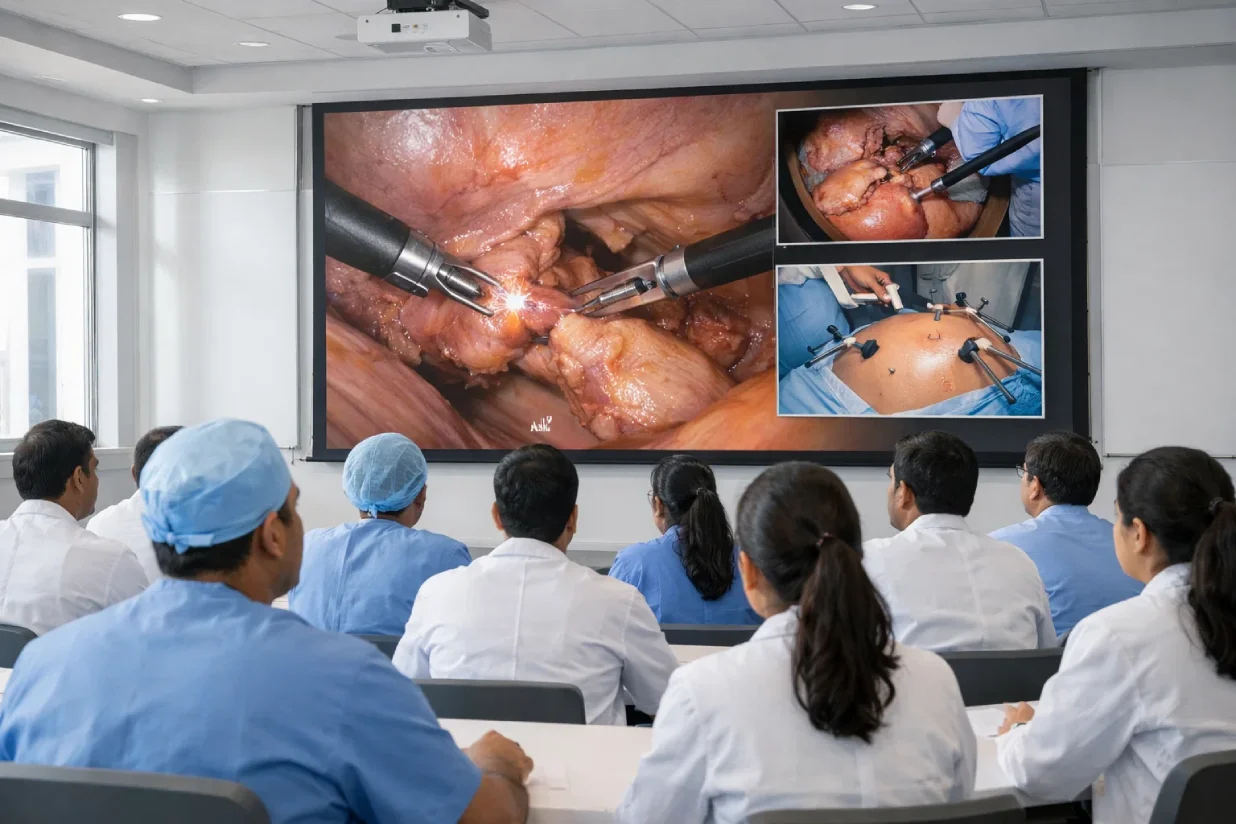



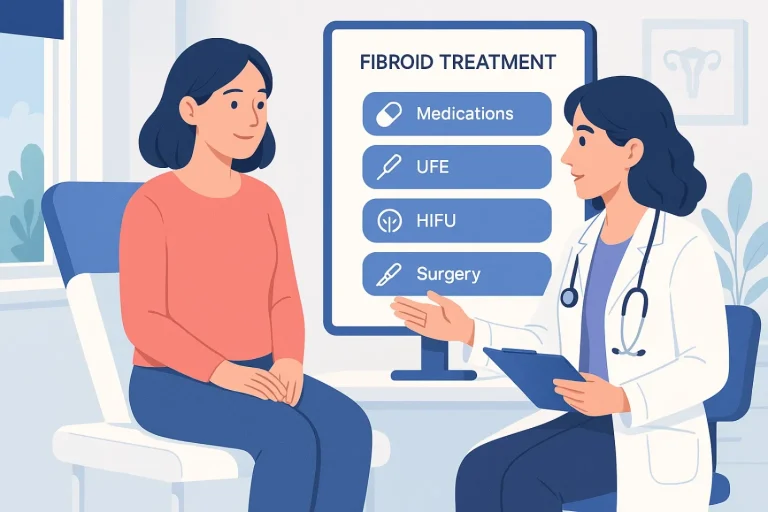
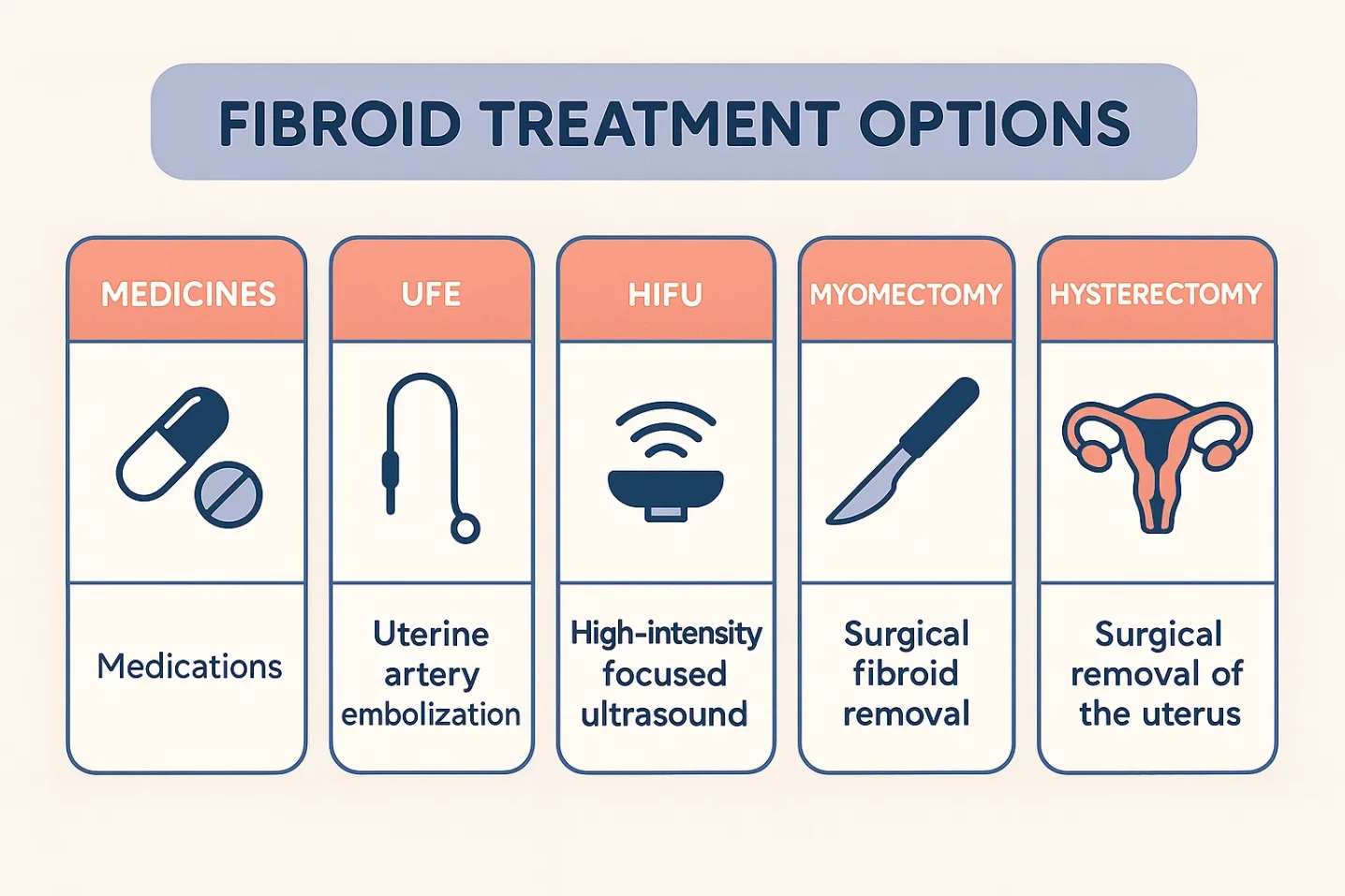
Fibroid treatment has advanced greatly in recent years, giving women multiple safe and effective choices. From medications and non-surgical therapies to minimally invasive options like uterine fibroid embolization (UFE) and HIFU, patients today have more control over their health decisions. The right treatment depends on symptoms, the size and location of fibroids, and personal health goals such as fertility planning.
This article explains why fibroid treatment is often necessary, what influences the choice of therapy, and how different treatment methods compare in terms of benefits, risks, and recovery. By understanding these options, women can work with their doctors to make informed decisions and choose the best treatment for fibroids at the right time.
Why Fibroid Treatment is Necessary
Understanding Uterine Fibroids
Uterine fibroids are noncancerous growths that develop in or around the uterus. They are composed of muscle and fibrous tissue and can vary in size from small nodules to large masses that distort the uterus. While some women never notice them, others experience severe symptoms that interfere with daily life. Fibroids are most common during the reproductive years, often between ages 30 and 50.
Medical studies show that up to 70–80% of women may develop fibroids at some point in their lifetime. Many of these cases do not require immediate treatment, but when fibroids begin to grow rapidly or cause persistent discomfort, medical care becomes important.
Common Symptoms That Lead to Treatment
The severity of fibroid symptoms varies, but they often influence both physical health and emotional wellbeing. Some of the most common issues include:
- Heavy or prolonged menstrual bleeding
- Severe menstrual cramps or pelvic pain
- Pressure or bloating in the abdomen
- Frequent urination due to bladder pressure
- Pain during sexual intercourse
- Difficulty conceiving or maintaining pregnancy
When such symptoms start to disrupt daily activities, fibroid treatment becomes not just an option but a necessity.
Risks of Ignoring Fibroids
Some fibroids may remain stable for years without causing complications, but untreated symptomatic fibroids can lead to:
- Chronic anemia from heavy blood loss, leading to fatigue and weakness
- Infertility or recurrent miscarriages if fibroids distort the uterus or block fallopian tubes
- Pelvic organ pressure symptoms, including constipation or urinary retention
- Rapid growth or degeneration, which can mimic or mask more serious conditions
Addressing fibroids early prevents long-term health problems and improves quality of life. Choosing the best treatment for fibroids also depends on whether a woman wishes to preserve fertility, avoid invasive surgery, or seek a permanent solution.
Factors That Influence Fibroid Treatment Choice
Age and Fertility Goals
One of the most important factors in fibroid treatment planning is whether a woman wishes to preserve her fertility. Younger women who want to conceive are often guided toward options such as myomectomy (fibroid surgery), which removes fibroids while preserving the uterus. On the other hand, women who have completed childbearing may choose more definitive treatments like hysterectomy for fibroids, which eliminates the possibility of recurrence.
Size, Number, and Location of Fibroids
The characteristics of fibroids also determine which treatment is appropriate. Small fibroids causing mild symptoms may be managed with medication or other non-surgical fibroid treatment options. Larger or multiple fibroids that distort the uterus often require more advanced approaches such as laparoscopic surgery or uterine fibroid embolization (UFE). Submucosal fibroids (growing inside the uterine cavity) may cause infertility or heavy bleeding, while subserosal fibroids (growing outward) often lead to pelvic pressure.
Severity of Symptoms
Treatment decisions are also guided by how disruptive fibroid symptoms are to daily life. Women with mild pain or slightly heavier periods may benefit from fibroid medication or lifestyle-based approaches. Those experiencing severe anemia, persistent pelvic pain, or fertility challenges are usually recommended more advanced treatments such as HIFU fibroid treatment or fibroid removal surgery.
Overall Health and Medical History
Doctors also consider a woman’s general health before recommending a treatment plan. Conditions like diabetes, high blood pressure, or other gynecological issues can affect both the choice of procedure and the speed of recovery. A personalized approach ensures that the treatment is both safe and effective.
Non-Surgical Fibroid Treatment Options
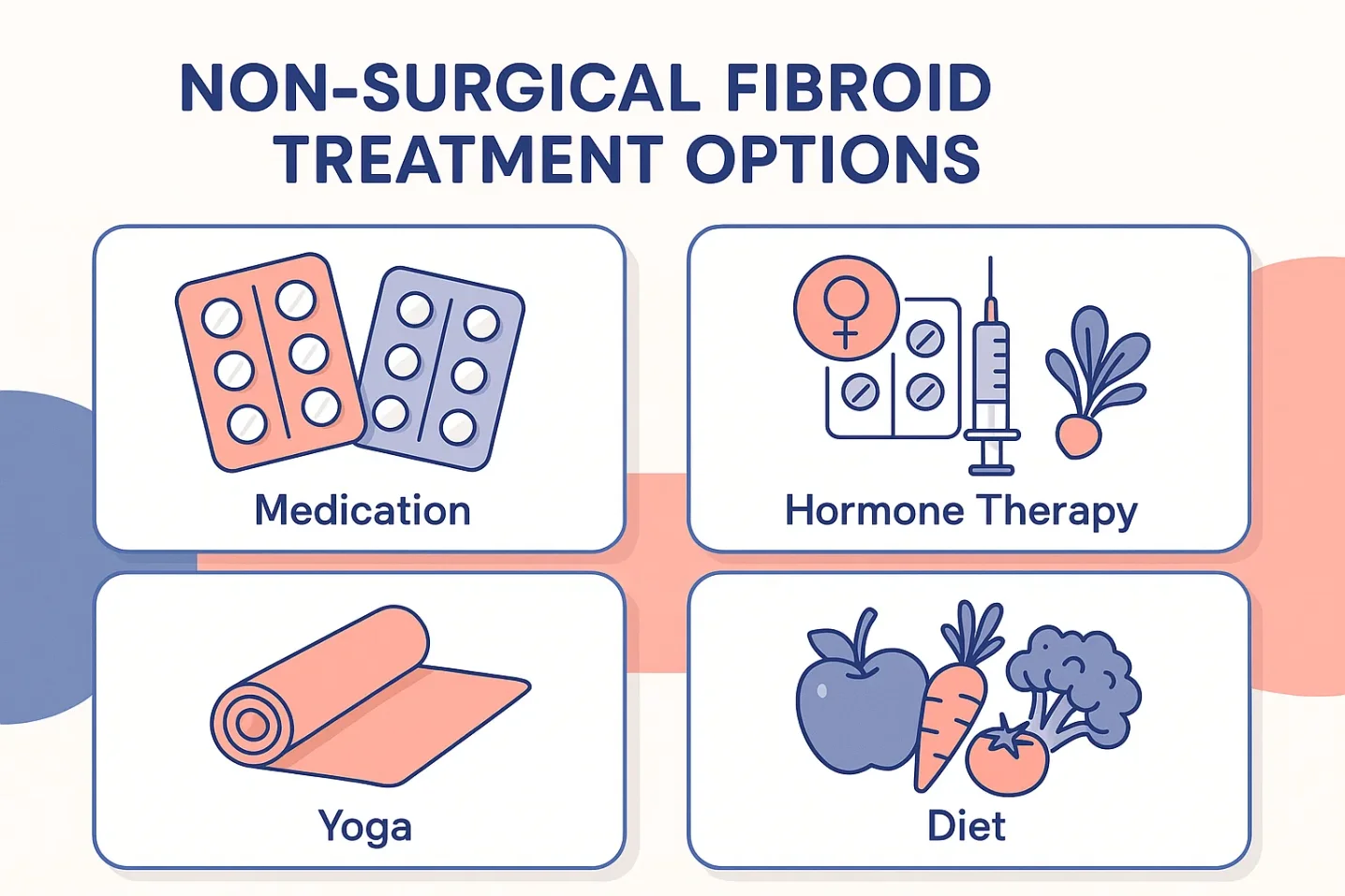
Fibroid Medication (Medicines)
Medications are often the first step in fibroid management, especially for women with mild to moderate symptoms. They do not cure fibroids but can help control bleeding, pain, and hormone levels. Common options include:
- Hormonal therapy: Gonadotropin-releasing hormone (GnRH) agonists shrink fibroids temporarily by reducing estrogen and progesterone. They are often used before surgery to reduce fibroid size.
- Oral contraceptives and progestins: Help regulate menstrual cycles and decrease heavy bleeding.
- Nonsteroidal anti-inflammatory drugs (NSAIDs): Such as ibuprofen, which relieve pain but do not affect fibroid size.
- Tranexamic acid: Reduces menstrual blood loss during periods.
Medication is usually suitable for women who are approaching menopause, since fibroids naturally shrink after hormonal changes. However, long-term use of some drugs may cause side effects like bone thinning, so these options are often used as short-term solutions.
Lifestyle Adjustments and Supportive Care
While not a replacement for medical treatment, lifestyle changes can reduce discomfort and improve overall wellbeing. A balanced diet rich in iron helps counteract anemia caused by heavy bleeding. Regular exercise improves blood circulation, reduces stress, and supports hormonal balance. Stress management techniques like yoga or meditation may also help women cope with chronic pain.
Home Remedies for Fibroids
Home remedies are often explored by women looking for natural relief. Some evidence suggests that:
- Dietary changes: Increasing intake of leafy greens, fruits, and whole grains while reducing red meat and processed foods may help manage symptoms.
- Herbal supplements: Such as green tea extract, may support hormonal balance, though research is still limited.
- Heat therapy: A heating pad placed on the lower abdomen can ease pelvic pain and cramps.
While these remedies may provide comfort, they cannot replace medical treatments for large or symptomatic fibroids. It is important to consult a doctor before relying solely on natural remedies, especially if fertility is a concern.
When Non-Surgical Treatment Works Best
Non-surgical fibroid treatment is most effective when:
- Fibroids are small or moderate in size.
- Symptoms are mild and manageable.
- The patient is not planning immediate pregnancy but wants to preserve fertility.
- The woman is nearing menopause, where fibroids may naturally shrink.
Minimally Invasive Advanced Options
Uterine Fibroid Embolization (UFE)
Uterine Fibroid Embolization is a highly effective, minimally invasive procedure performed by an interventional radiologist. During the procedure, a tiny catheter is inserted into an artery in the groin or wrist and guided to the uterine arteries. Small particles are then injected to block blood flow to the fibroids, causing them to shrink over time.
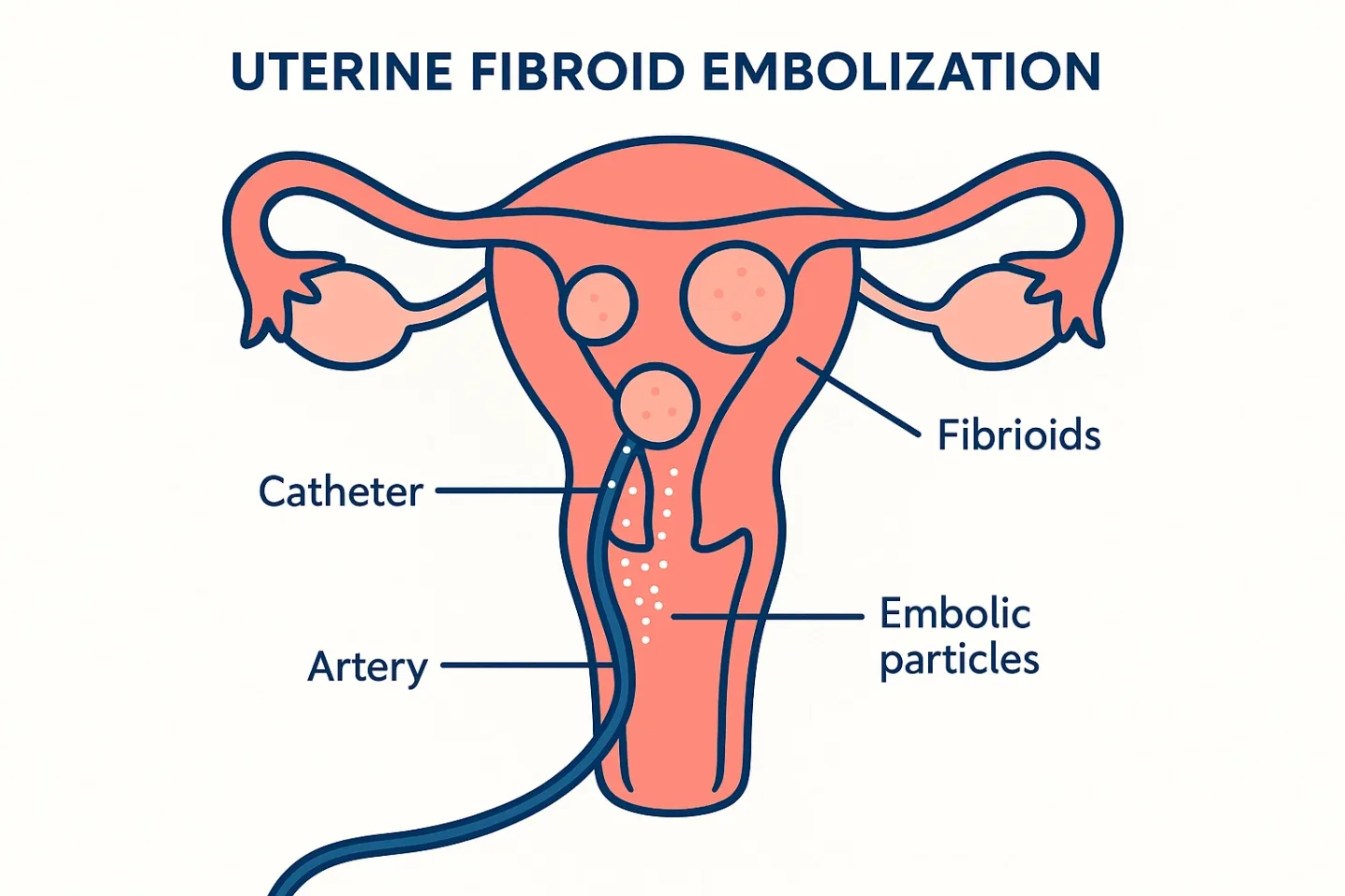
Benefits of UFE include:
- Relief from heavy bleeding and pelvic pain
- Preservation of the uterus
- Shorter hospital stay and faster recovery compared to surgery
- Minimal scarring
Limitations:
- Some women may experience post-procedure pain or cramping for a few days
- Rare risk of infection or complications with blood supply
- May not be recommended for women planning pregnancy, as its effect on fertility is still being studied
Recovery from UFE usually takes about one to two weeks, which is much shorter than traditional surgical recovery.
HIFU Fibroid Treatment
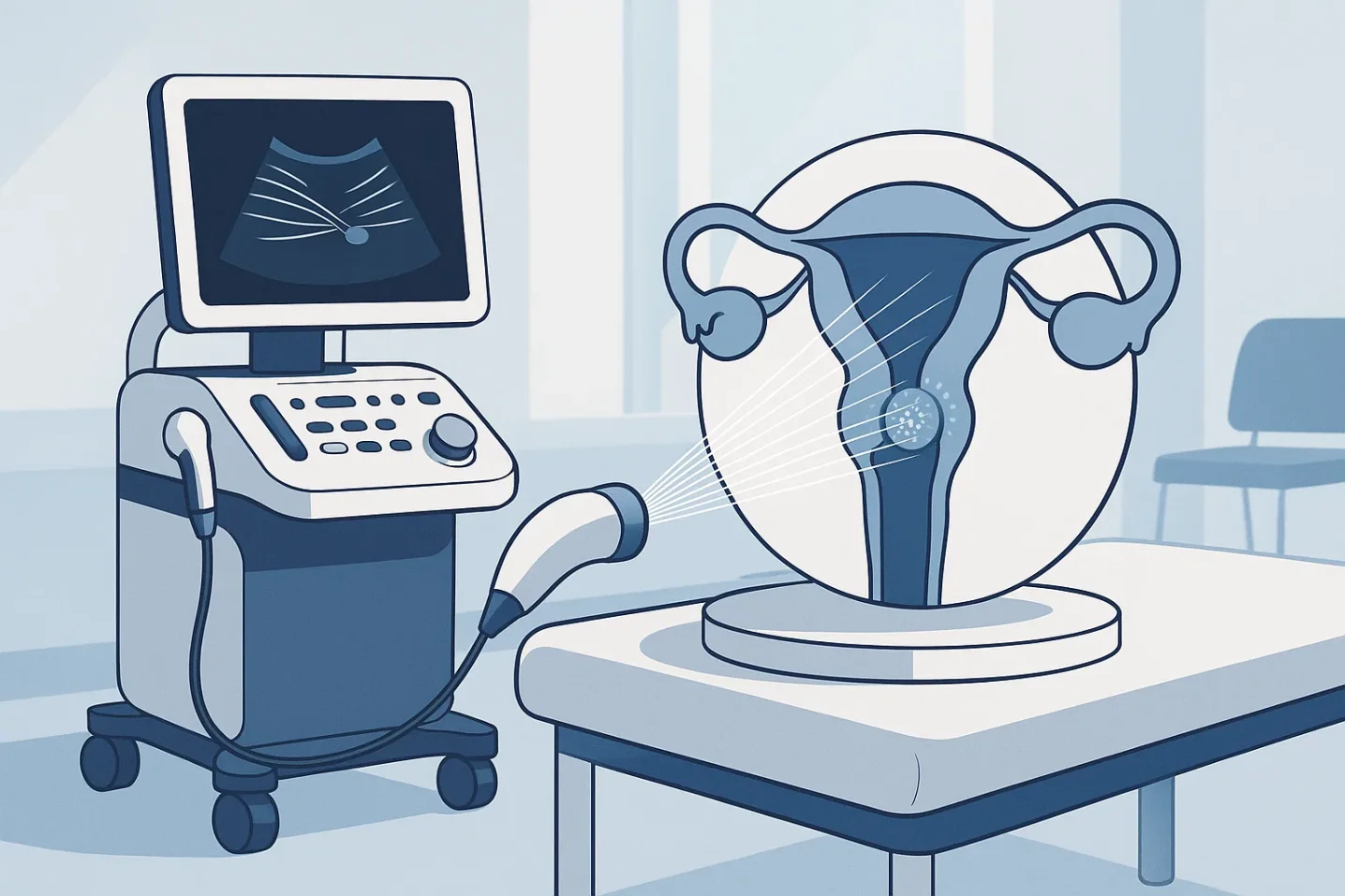
High-Intensity Focused Ultrasound (HIFU) is one of the newest non-invasive technologies for treating fibroids. Using MRI or ultrasound guidance, focused sound waves target and heat fibroid tissue, leading to its destruction while leaving surrounding tissues unharmed.
Benefits of HIFU include:
- Completely non-invasive, no incisions or scars
- Outpatient procedure with minimal recovery time
- Uterus is preserved, making it a potential option for women who want fertility
Limitations:
- Not suitable for all fibroid types, especially if fibroids are very large or deep inside the uterus
- Availability is limited, as specialized machines and expertise are required
- Long-term effectiveness data is still being collected
Women undergoing HIFU usually return to daily activities within a few days, making it one of the fastest recovery options.
UFE vs HIFU: A Quick Comparison
| Feature | Uterine Fibroid Embolization (UFE) | HIFU Fibroid Treatment |
|---|---|---|
| Type of procedure | Minimally invasive (catheter-based) | Non-invasive (focused ultrasound) |
| Hospital stay | 1–2 days | Outpatient (few hours) |
| Recovery time | 1–2 weeks | 1–3 days |
| Fertility preservation | Possible, but uncertain | Uterus preserved; more fertility-friendly |
| Fibroid size suitability | Small to large fibroids | Small to medium fibroids |
| Availability | Widely available | Limited, only in advanced centers |
When Minimally Invasive Options Work Best
Minimally invasive treatments like UFE and HIFU are suitable for women who:
- Want to avoid major surgery
- Need faster recovery for work or personal commitments
- Wish to preserve their uterus
- Experience heavy bleeding, pelvic pain, or pressure from fibroids
Both options have transformed fibroid care, offering a balance between effectiveness and recovery convenience.
Surgical Options for Fibroid Removal
Myomectomy (Fibroid Surgery)
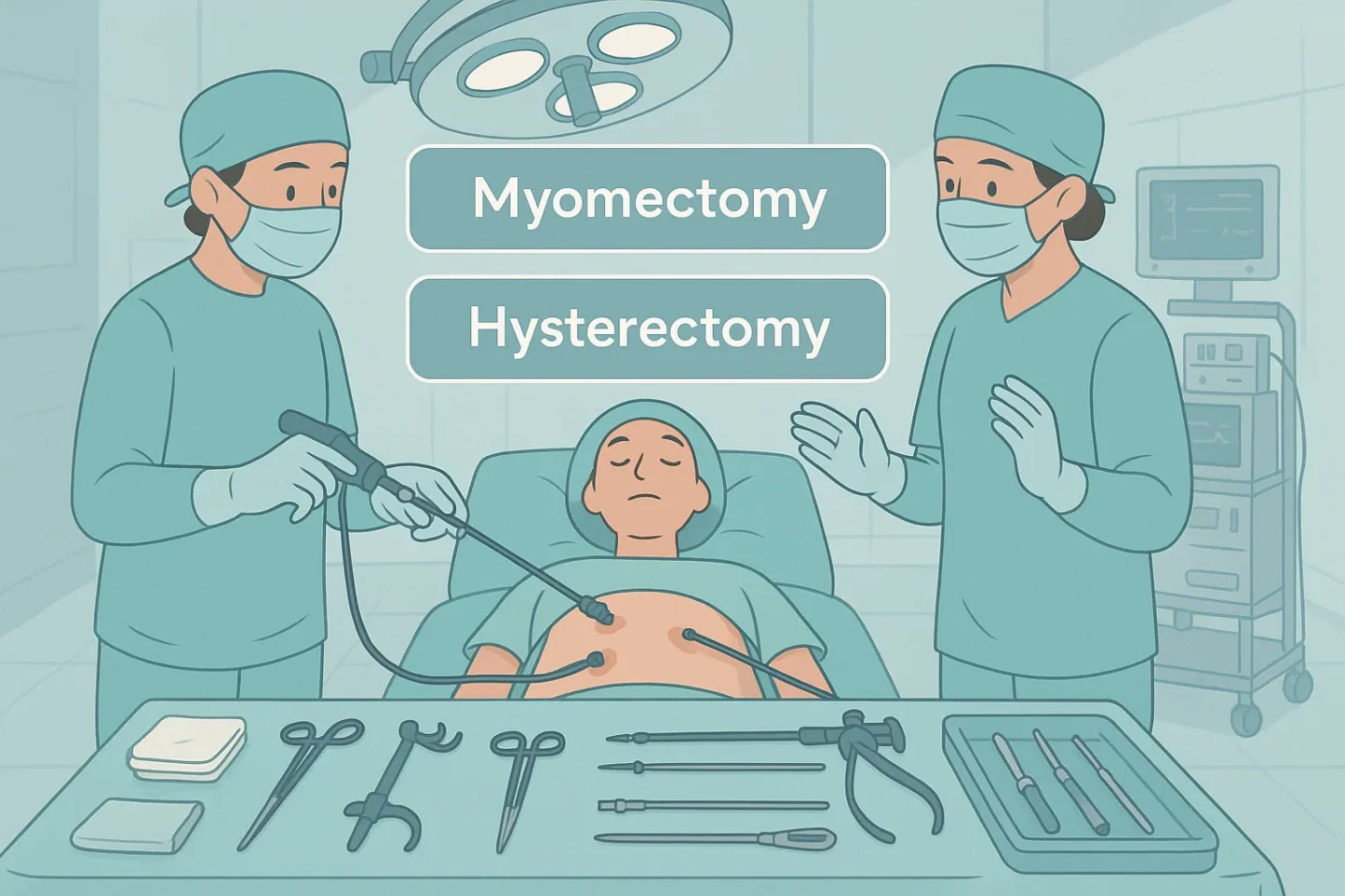
A myomectomy is the surgical removal of fibroids while preserving the uterus. It is often recommended for women who wish to maintain fertility or keep their uterus intact.
Types of Myomectomy:
- Hysteroscopic myomectomy: For fibroids located inside the uterine cavity; performed using a scope inserted through the vagina and cervix.
- Laparoscopic or robotic myomectomy: Uses small incisions and advanced instruments to remove fibroids with minimal scarring.
- Open (abdominal) myomectomy: Recommended for very large or multiple fibroids; requires a larger incision.
Benefits of Myomectomy:
- Preserves the uterus
- Relieves symptoms like heavy bleeding and pelvic pressure
- Improves chances of pregnancy in some women
Limitations:
- Fibroids can grow back, especially in younger women
- Recovery time is longer for open surgery compared to minimally invasive options
Fibroid Removal Surgery Overview
The term “fibroid removal surgery” can apply to any operation aimed at taking out fibroids. For some women, myomectomy is ideal, while others may require hysterectomy for fibroids if the condition is severe or if they no longer wish to conceive. Doctors assess fibroid size, location, and patient health before recommending the appropriate surgical route.
Hysterectomy for Fibroids
A hysterectomy involves the complete removal of the uterus, making it a permanent solution for fibroids.
Types of Hysterectomy:
- Total hysterectomy: Removes the uterus and cervix.
- Subtotal (partial) hysterectomy: Removes the uterus but leaves the cervix intact.
- Laparoscopic or robotic hysterectomy: Minimally invasive versions with smaller incisions and faster recovery.
Benefits of Hysterectomy:
- Complete cure—fibroids cannot recur
- Eliminates heavy bleeding and pain permanently
- May be suitable for women with very large fibroids or other uterine conditions
Limitations:
- Ends fertility permanently
- Longer recovery period compared to minimally invasive treatments
- Emotional impact for some women due to loss of the uterus
| Feature | Myomectomy | Hysterectomy |
|---|---|---|
| Fertility | Preserves fertility | Ends fertility permanently |
| Uterus | Preserved | Removed |
| Recurrence | Fibroids can return | No recurrence possible |
| Recovery time | 2–6 weeks depending on method | 4–8 weeks |
| Suitability | Best for women who want pregnancy or uterine preservation | Best for women with severe symptoms or no fertility goals |
Myomectomy vs Hysterectomy: Key Differences
When Surgery Is the Best Choice
Surgery is generally recommended when:
- Fibroids are very large or numerous
- Symptoms such as bleeding and pain are severe
- Other treatments like medication, UFE, or HIFU have failed
- Fertility goals guide the choice of myomectomy
- Women want a permanent solution through hysterectomy
With modern surgical techniques such as laparoscopy and robotics, recovery is faster, scarring is reduced, and outcomes are significantly better than in the past.
Comparing the Best Treatment for Fibroids
When choosing the best treatment for fibroids, there is no single “one-size-fits-all” option. The right approach depends on age, severity of symptoms, fertility goals, and overall health. Below is a comparison of all major treatments.
Fibroid Treatment Options at a Glance
| Treatment | Type | Uterus Preserved? | Recovery Time | Recurrence Risk | Best For |
|---|---|---|---|---|---|
| Medication (Medicines) | Non-surgical | Yes | Minimal (days) | High – fibroids may return once treatment stops | Women with mild symptoms or nearing menopause |
| Home Remedies & Lifestyle | Supportive | Yes | None | High – only symptom relief, not curative | Women with very small fibroids or mild discomfort |
| Uterine Fibroid Embolization (UFE) | Minimally invasive | Yes | 1–2 weeks | Moderate – fibroids shrink but can recur | Women seeking uterus preservation and faster recovery |
| HIFU Fibroid Treatment | Non-invasive | Yes | 1–3 days | Moderate – not all fibroids can be treated | Women wanting a scar-free, fertility-preserving option |
| Myomectomy (Fibroid Surgery) | Surgical | Yes | 2–6 weeks (depending on approach) | Possible recurrence | Women wishing to preserve fertility |
| Hysterectomy for Fibroids | Surgical | No | 4–8 weeks | None – permanent cure | Women with severe symptoms and no future fertility plans |
Which Treatment Is Best for You?
Best for Preserving Fertility
- Myomectomy is the gold standard for women who wish to conceive in the future.
- HIFU may also be considered for fertility preservation, though its availability is limited.
Best for Quick Recovery
- HIFU fibroid treatment offers the shortest downtime, with women resuming normal life within days.
- UFE is another minimally invasive option with relatively fast recovery compared to surgery.
Best for Permanent Relief
- Hysterectomy for fibroids is the only definitive cure, ensuring fibroids do not return. Suitable for women who no longer plan pregnancies.
Best for Mild or Early-Stage Symptoms
- Fibroid medication (medicines) or non-surgical fibroid treatment can control bleeding and pain.
- Home remedies for fibroids may help manage discomfort alongside medical care.
Making an Informed Decision
Ultimately, the best treatment for fibroids depends on personal health goals. Younger women often lean towards myomectomy or HIFU, while older women nearing menopause may manage symptoms with medicines. Women seeking a permanent solution often choose hysterectomy. Consulting with an experienced gynecologist helps align treatment with lifestyle and reproductive goals.
Fibroid Treatment Cost and Accessibility
The cost of fibroid treatment can vary widely depending on the type of procedure, hospital facilities, technology used, and whether insurance covers part of the expenses. Understanding these factors helps patients plan better and avoid unexpected financial burdens.
Factors That Affect Fibroid Treatment Cost
- Type of Treatment – Non-surgical treatments like medicines are more affordable, while advanced surgical or high-tech procedures can be more costly.
- Technology and Equipment – Options such as HIFU fibroid treatment and laparoscopic surgery may require specialized machines, raising costs.
- Hospital Expertise – Multi-specialty hospitals with advanced infrastructure may charge more but provide higher precision and safety.
- Duration of Hospital Stay – Shorter stays (as in UFE or HIFU) often reduce expenses compared to open surgeries requiring longer recovery.
- Insurance Coverage – Many insurance providers cover fibroid removal surgery or hysterectomy, while newer procedures like HIFU may have limited coverage.
Approximate Cost Ranges for Fibroid Treatments in India
| Treatment Option | Recovery Time | Typical Cost Range (₹) | Notes |
|---|---|---|---|
| Fibroid Medication (Medicines) | Few days | Low to moderate | Ongoing expense; does not cure fibroids |
| Home Remedies & Lifestyle | None | Minimal | Supportive only; not a medical cure |
| Uterine Fibroid Embolization (UFE) | 1–2 weeks | Moderate to high | Short hospital stay; uterus preserved |
| HIFU Fibroid Treatment | 1–3 days | Moderate to high | Newer technology; limited centers |
| Myomectomy (Fibroid Surgery) | 2–6 weeks | Moderate to high | Fertility-preserving but fibroids may recur |
| Hysterectomy for Fibroids | 4–8 weeks | High | Permanent solution; longer hospital stay |
(Note: These are broad estimates meant for educational purposes. Actual fibroid treatment cost varies by hospital, city, and patient condition.)
Accessibility of Advanced Treatments
While traditional options like myomectomy and hysterectomy are widely available in India, newer treatments such as UFE and HIFU are offered only at select advanced hospitals. Patients should consider both the financial aspect and accessibility when making a choice. Traveling to a specialized hospital with expertise in fibroid treatment ensures better outcomes.
Recovery and Post-Treatment Care
Every fibroid treatment requires some level of recovery, even if it’s as simple as taking a few days off after a minimally invasive procedure. Understanding what to expect helps women prepare mentally and physically, ensuring smoother healing and better long-term outcomes.
Recovery After Non-Surgical Fibroid Treatment
- Fibroid Medication (Medicines): Recovery is almost immediate. Most women can continue daily routines while taking prescribed medicines. However, side effects like hot flashes, mood changes, or bone thinning may require medical monitoring.
- Home Remedies and Lifestyle Adjustments: Since these approaches do not involve medical intervention, no recovery period is needed. However, benefits are gradual and symptom relief may vary.
Recovery After Minimally Invasive Procedures
Uterine Fibroid Embolization (UFE)
- First Week: Cramping, pelvic discomfort, and mild fever are common. Pain medication usually helps.
- 2 Weeks: Most women return to work or regular activities.
- 1–3 Months: Fibroids shrink gradually, with noticeable improvement in symptoms like heavy bleeding.
HIFU Fibroid Treatment
- First 1–3 Days: Women typically resume normal activities almost immediately, with only mild abdominal soreness.
- 1–2 Weeks: Energy levels normalize, and pelvic symptoms start improving.
- 1–3 Months: Fibroid shrinkage continues, offering lasting relief.
Recovery After Fibroid Surgery
Myomectomy (Fibroid Surgery)
- Laparoscopic/Robotic: Recovery is faster (2–4 weeks). Women may return to work within 2–3 weeks, depending on pain levels.
- Open Myomectomy: Requires a longer recovery of 4–6 weeks due to larger incisions.
- Long-Term: Fibroids can recur, so ongoing monitoring may be needed.
Hysterectomy for Fibroids
- First 1–2 Weeks: Rest and limited activity. Discomfort and fatigue are common.
- 4–6 Weeks: Gradual return to normal activities. Heavy lifting and intense exercise should be avoided until cleared by a doctor.
- Long-Term: No recurrence of fibroids, but emotional adjustment may be needed since fertility ends permanently.
Tips for Faster and Safer Recovery
- Follow prescribed medications for pain and infection prevention.
- Eat an iron-rich diet to rebuild blood lost during heavy bleeding or surgery.
- Stay hydrated and include fiber to avoid constipation.
- Avoid strenuous exercise until cleared by your doctor.
- Attend all follow-up appointments for monitoring healing and preventing complications.
Advanced Fibroid Treatment at Mayflower Hospital
Choosing the right hospital is as important as choosing the right treatment. At Mayflower Hospital, women receive access to a full spectrum of fibroid treatment options, ranging from non-surgical therapies to the most advanced surgical and minimally invasive procedures.
Expertise in Gynecology and Fibroid Care
Our team of experienced gynecologists and surgeons specialize in treating fibroids with personalized care plans. Every woman’s case is unique, and we prioritize treatment strategies that balance symptom relief, fertility goals, and long-term health outcomes.
State-of-the-Art Technology
Mayflower Hospital is equipped with advanced facilities for:
- Laparoscopic and robotic myomectomy for fertility preservation with faster recovery
- Uterine fibroid embolization (UFE) performed by skilled interventional radiologists
- HIFU fibroid treatment, one of the newest non-invasive technologies
- Hysterectomy options, including minimally invasive approaches for a permanent solution
This ensures patients have access to the latest global standards of fibroid treatment, right here in India.
Patient-Centered Approach
We focus on comfort, safety, and informed decision-making. Women are guided through every stage from diagnosis and treatment selection to recovery and long-term monitoring. Our care extends beyond treatment, ensuring holistic support for physical and emotional wellbeing.
Why Choose Mayflower Hospital?
- Comprehensive range of fibroid treatments under one roof
- Advanced infrastructure with modern operating theaters and imaging support
- Focus on fertility-preserving treatments for younger women
- Transparent guidance on fibroid treatment cost and recovery timelines
- Dedicated gynecology team that blends expertise with compassion
Women seeking the best treatment for fibroids can consult with Mayflower specialists to explore the safest, most effective options tailored to their needs.
Conclusion
Fibroid treatment today is more advanced and personalized than ever before. Women no longer have to live with heavy bleeding, pelvic pain, or fertility challenges without hope. From fibroid medication and non-surgical approaches to UFE, HIFU, myomectomy, and hysterectomy, there is a treatment option that matches every stage of life and every health goal.
What matters most is choosing a treatment that aligns with your needs whether it’s preserving fertility, minimizing downtime, or seeking a permanent solution. At Mayflower Hospital, our specialists take time to understand each woman’s journey, offering evidence-based guidance and access to the latest technologies.
Fibroids may be common, but they don’t have to control your life. With the right medical support, recovery is possible, and long-term relief is within reach. If you’re exploring the best treatment for fibroids, we invite you to consult our expert gynecologists and discover a care plan tailored just for you.
FAQs on Fibroid Treatment
The best treatment depends on your symptoms, age, and fertility goals. Myomectomy is ideal for women who want to preserve fertility, while hysterectomy for fibroids is a permanent cure. Minimally invasive options like UFE and HIFU fibroid treatment are excellent choices for quicker recovery with uterus preservation.
Yes, fibroids may return after treatments such as medication, UFE, or myomectomy. The likelihood depends on age and hormonal factors. A hysterectomy is the only treatment that ensures fibroids will not recur.
UFE preserves the uterus, but its effect on fertility is still under research. Women planning pregnancy are usually advised to consider myomectomy instead, as it directly removes fibroids and improves chances of conception.
Recovery depends on the type of procedure. Laparoscopic myomectomy usually takes 2–4 weeks, while open surgery or hysterectomy may require 4–8 weeks. Minimally invasive options like HIFU allow most women to return to normal life within just a few days.
Home remedies for fibroids such as dietary changes, heat therapy, or herbal supplements may ease symptoms but cannot shrink or eliminate fibroids. They work best as supportive care alongside medical guidance.