



Gestational Hypertension: Risks and Management is an important topic for every expecting mother and her healthcare team. Gestational hypertension refers to high blood pressure during pregnancy that develops after the 20th week in women who previously had normal blood pressure. While it often resolves after delivery, timely diagnosis and management are critical to avoid complications for both the mother and the baby.
Pregnancy naturally places added stress on the cardiovascular system. For some women, this leads to pregnancy-induced hypertension, a condition that needs close monitoring and lifestyle care. Left untreated, it can progress to preeclampsia, a serious disorder affecting organ function and fetal growth. Understanding its causes, risks, and management helps ensure a safe, healthy pregnancy journey.
In this article, we’ll explore what causes gestational hypertension, how it differs from preeclampsia, the potential risks, and the latest gestational hypertension treatment and management approaches recommended by specialists at Mayflower Hospital, Ahmedabad.
What Is Gestational Hypertension?
Definition and Diagnosis
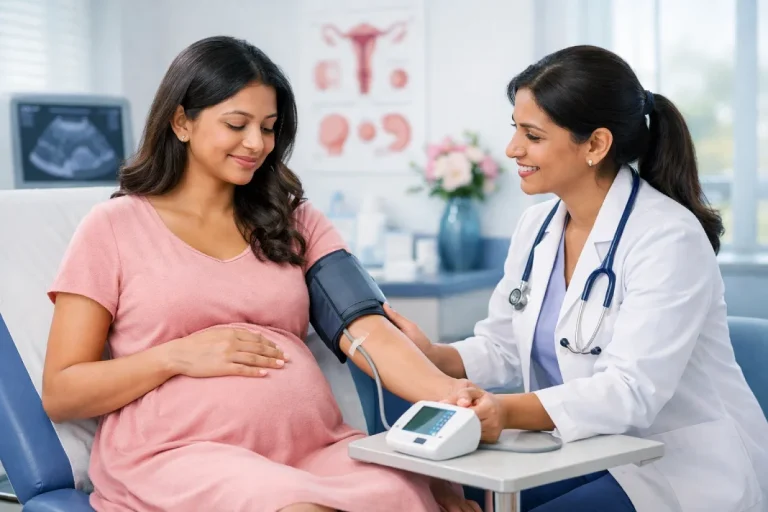
Gestational hypertension is defined as high blood pressure that develops after 20 weeks of pregnancy in women who previously had normal readings. It is diagnosed when the systolic blood pressure is ≥140 mm Hg and diastolic is ≥90 mm Hg on two separate occasions at least four hours apart.
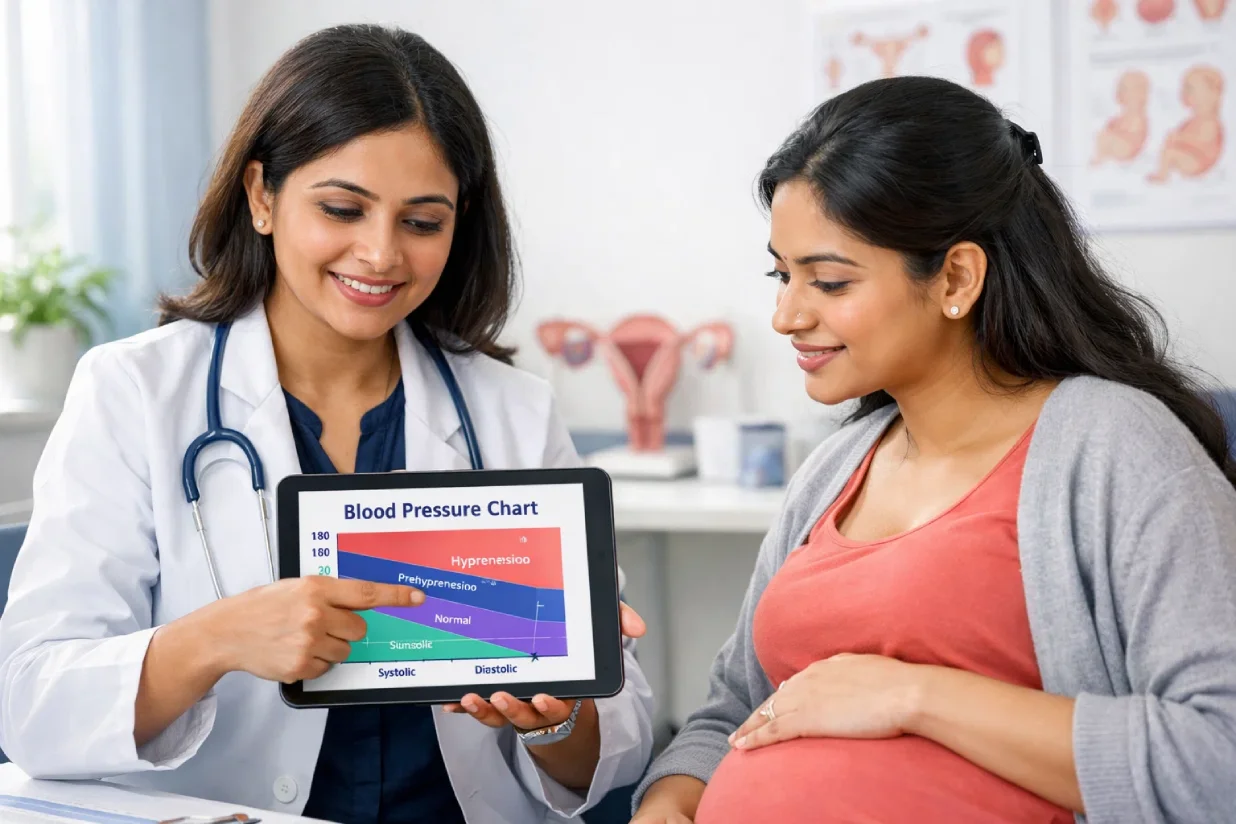
Unlike chronic hypertension, which exists before pregnancy or appears before 20 weeks, gestational hypertension usually resolves after childbirth. However, it can evolve into preeclampsia, a more serious condition affecting the liver, kidneys, and placenta. That’s why close monitoring, lifestyle changes, and medical guidance are crucial once high blood pressure is detected.
As per gestational hypertension guidelines recommended by leading health organizations like ACOG, early detection through routine antenatal checkups and blood pressure screening plays a vital role in reducing maternal and fetal complications.
Causes and Risk Factors
While the exact cause of gestational hypertension remains unclear, several biological and lifestyle factors can increase a woman’s risk. The condition often results from a combination of vascular changes, immune responses, and hormonal fluctuations that affect the body’s ability to regulate blood pressure during pregnancy.
Common risk factors for gestational hypertension include:
- First-time pregnancy or multiple gestations (twins or triplets)
- Family history of preeclampsia or hypertension
- Obesity or excessive weight gain during pregnancy
- Advanced maternal age (above 35 years)
- Existing conditions like diabetes, kidney disease, or autoimmune disorders
- Lifestyle factors such as high-sodium diet, low physical activity, or chronic stress
Understanding these underlying causes empowers expecting mothers to take preventive measures early. Doctors often provide personalized guidance to help lower risks through nutrition, stress management, and routine blood pressure tracking throughout the pregnancy.
Recognizing Symptoms and Getting Diagnosed
Common Gestational Hypertension Symptoms
In its early stages, gestational hypertension can be silent, showing no noticeable symptoms. That’s why routine prenatal checkups are vital. However, some women experience subtle or progressive signs that should never be ignored.
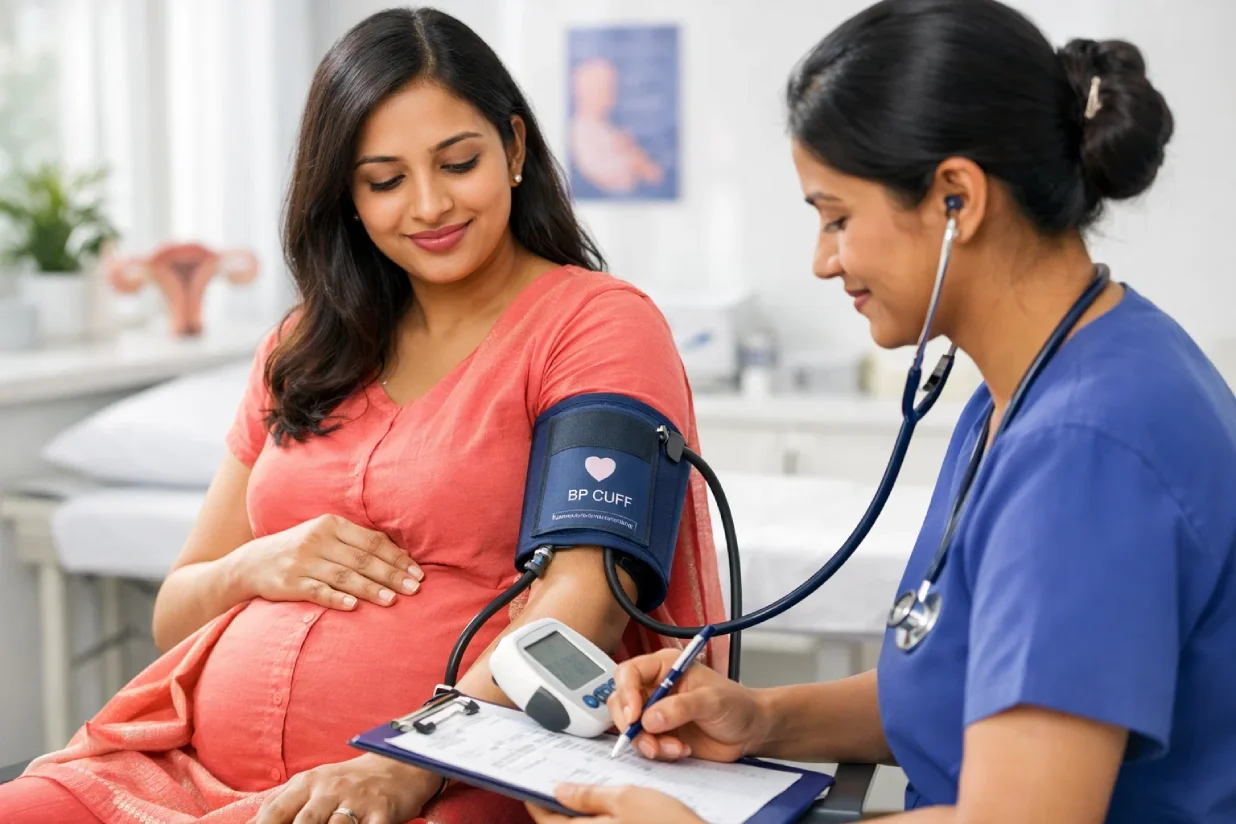
The most common symptoms of gestational hypertension include:
- Persistent headaches or migraine-like pain
- Swelling (edema) in hands, feet, or face
- Blurred vision or light sensitivity
- Nausea, vomiting, or general malaise
- Pain in the upper abdomen or shoulder area
- Sudden weight gain due to fluid retention
These signs often overlap with normal pregnancy changes, making clinical evaluation essential. If blood pressure readings remain elevated after 20 weeks, your obstetrician may recommend additional tests to ensure both maternal and fetal well-being.
Diagnostic Evaluation
Diagnosis of high blood pressure during pregnancy follows a systematic approach. It begins with regular BP measurements taken during prenatal visits. If elevated readings are noted, further investigations help confirm gestational hypertension and rule out preeclampsia.
Typical diagnostic assessments include:
- Blood pressure monitoring: Multiple readings over days to confirm sustained hypertension.
- Urine protein analysis: Checks for proteinuria, which signals preeclampsia risk.
- Blood tests: Evaluate liver enzymes, kidney function, and platelet count.
- Ultrasound scans: Assess fetal growth, amniotic fluid levels, and placental function.
- Non-stress tests: Monitor baby’s heart rate and movement patterns.
Regular monitoring helps doctors identify any worsening of the condition early. At Mayflower Hospital, every expectant mother with pregnancy-induced hypertension is closely monitored by a multidisciplinary team combining obstetricians, nutritionists, and fetal medicine specialists, to ensure a safe pregnancy outcome.
Understanding the Risks
Maternal Health Risks
Gestational hypertension may appear mild at first, but without careful management, it can lead to several complications for the mother. Elevated blood pressure places extra strain on vital organs, including the heart, kidneys, liver, and brain, affecting overall health and pregnancy safety.
The key maternal risks of gestational hypertension include:
- Preeclampsia development: When hypertension is accompanied by protein in the urine or organ dysfunction.
- Placental abruption: A serious complication where the placenta detaches from the uterine wall, causing pain and potential bleeding.
- Eclampsia: Severe form of preeclampsia that leads to seizures or coma if untreated.
- Organ damage: Particularly to kidneys and liver due to prolonged high blood pressure.
- Future cardiovascular risk: Women with pregnancy-induced hypertension have a higher likelihood of developing chronic hypertension or heart disease later in life.
With timely medical supervision and lifestyle care, most of these risks can be effectively managed or prevented. At Mayflower Women’s Hospital, specialized gestational hypertension management plans are designed for early detection and safe pregnancy outcomes.
Fetal and Neonatal Risks
High maternal blood pressure can also impact the baby’s health, as it may interfere with blood flow through the placenta. This restricts the supply of oxygen and nutrients necessary for fetal growth and development.
The primary fetal risks associated with gestational hypertension include:
- Intrauterine Growth Restriction (IUGR): Slower fetal growth due to reduced nutrient flow.
- Low birth weight: Caused by poor placental function.
- Preterm delivery: In cases where early delivery is needed to protect maternal or fetal health.
- Stillbirth or fetal distress: Rare but serious risk if hypertension progresses unchecked.
- Respiratory complications: Preterm infants may face underdeveloped lungs or breathing difficulties post-birth.
Through close fetal monitoring, Doppler studies, and advanced neonatal care, these risks can be minimized. Mayflower’s high-risk pregnancy unit ensures both mother and baby receive comprehensive monitoring from pregnancy to delivery.
Gestational Hypertension vs Preeclampsia
Many women with high blood pressure during pregnancy often wonder about the difference between gestational hypertension and preeclampsia. While both involve elevated blood pressure, preeclampsia is a more severe condition that includes organ involvement, particularly affecting the kidneys, liver, and nervous system. Understanding these differences helps expecting mothers and their families take the right preventive steps early.
Key Differences Between Gestational Hypertension and Preeclampsia
| Parameter | Gestational Hypertension | Preeclampsia |
|---|---|---|
| Onset | After 20 weeks of pregnancy | After 20 weeks, but includes organ damage |
| Protein in urine (Proteinuria) | Absent | Present |
| Symptoms | May be asymptomatic or show mild swelling and headaches | Severe headaches, vision issues, abdominal pain, nausea |
| Impact on organs | Minimal if controlled | Affects liver, kidneys, brain |
| Fetal effects | Mild to moderate, managed with care | High risk of growth restriction and preterm birth |
| Treatment | Monitoring, lifestyle changes, safe medications | Hospitalization, strict monitoring, early delivery if needed |
Why Accurate Diagnosis Matters
Early differentiation between the two conditions ensures prompt treatment and prevents severe complications like eclampsia or placental issues. If preeclampsia is suspected, doctors may recommend additional urine protein tests, liver function panels, and frequent ultrasounds to track fetal well-being.
At Mayflower Hospital, high-risk pregnancy specialists use advanced diagnostic tools and follow gestational hypertension guidelines to ensure timely detection and comprehensive care. Personalized treatment plans are developed based on blood pressure trends, medical history, and gestational age to optimize safety for both mother and baby.
Gestational Hypertension Management
Lifestyle and Home Care Management
Once gestational hypertension is diagnosed, early management is key to preventing complications. Doctors often begin with lifestyle modifications that can safely lower blood pressure and support a healthy pregnancy.
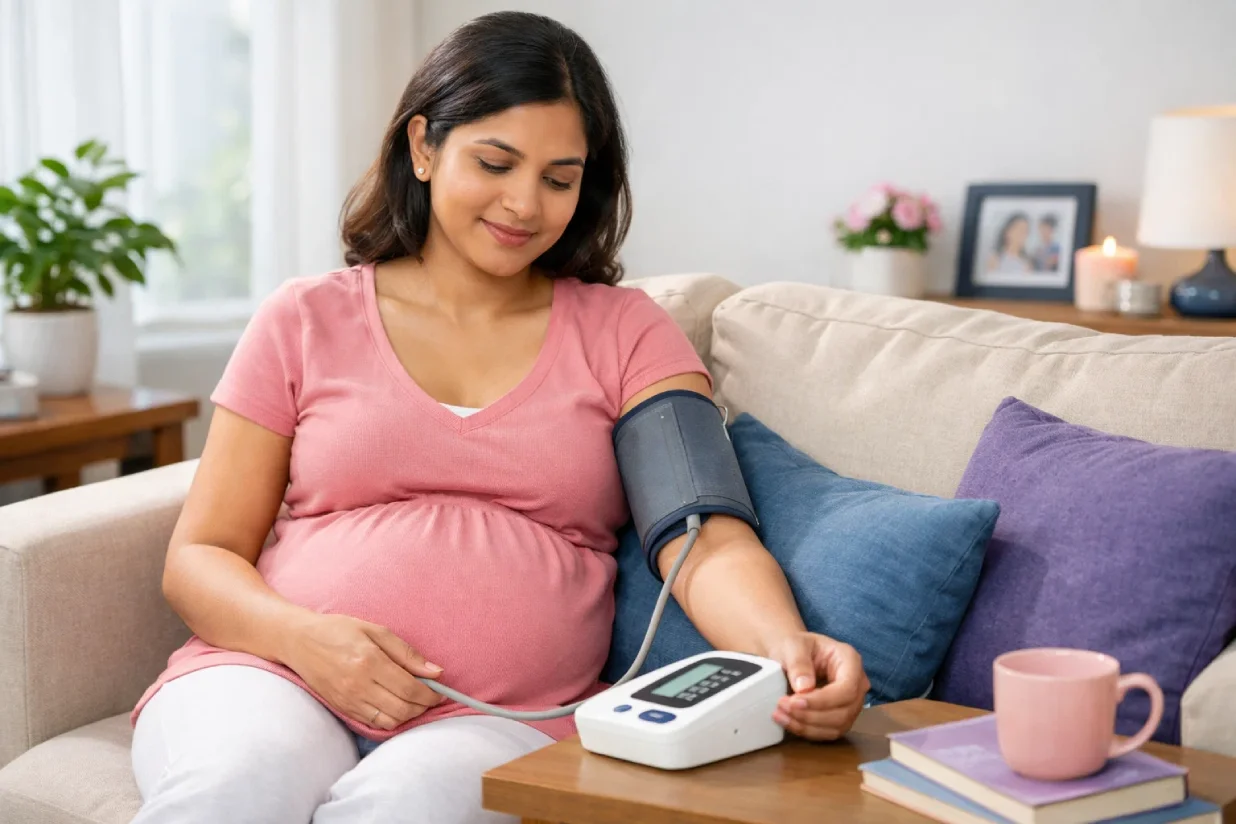
Recommended home care strategies include:
- Rest and relaxation: Taking frequent breaks, avoiding stress, and ensuring adequate sleep help regulate blood pressure.
- Low-sodium diet: Reducing salt intake prevents fluid retention and maintains cardiovascular balance.
- Hydration: Drinking sufficient water improves blood circulation and kidney function.
- Avoiding caffeine and processed foods: These can elevate blood pressure or cause unnecessary weight gain.
- Home monitoring: Regularly checking BP levels and recording them allows doctors to track progress.
Emotional well-being plays an equally vital role. Practicing breathing exercises, meditation, or prenatal yoga (as recommended by a physician) helps reduce stress and stabilizes blood pressure.
Medical Treatment Options
In some cases, lifestyle changes alone may not be enough, and doctors may prescribe medications that are safe for both mother and baby. The goal is to prevent complications without compromising fetal growth or placental health.
Commonly recommended gestational hypertension treatments include:
- Antihypertensive medications: Drugs such as labetalol or methyldopa are considered safe during pregnancy, prescribed under medical supervision.
- Frequent antenatal checkups: To monitor maternal BP, fetal movement, and placental function.
- Urine and blood tests: Conducted regularly to rule out preeclampsia or organ involvement.
- Hospitalization: In severe or rapidly progressing cases, inpatient monitoring helps stabilize blood pressure and prevent early delivery.
Doctors at Mayflower Hospital follow globally accepted gestational hypertension guidelines to ensure each patient’s management plan is personalized. The hospital’s multidisciplinary care model combines obstetricians, cardiologists, dietitians, and fetal medicine experts to ensure a safe pregnancy journey.
Monitoring and Delivery Planning
Ongoing monitoring continues until childbirth, as gestational hypertension may progress or resolve depending on the body’s response. If blood pressure remains stable, natural delivery can be planned at full term. However, if it rises or the fetus shows signs of distress, early induction or cesarean delivery may be considered for safety.
The care team monitors the mother’s health closely even after delivery, since postpartum hypertension can occasionally persist for a few weeks. Early postnatal checkups and follow-ups help ensure full recovery and blood pressure normalization.
Nutrition and Exercise During Gestational Hypertension
Post-Diagnosis Diet Recommendations
Nutrition plays a central role in managing high blood pressure during pregnancy. A balanced, nutrient-dense diet helps maintain blood volume, supports fetal growth, and keeps maternal health stable. Women diagnosed with gestational hypertension should follow a carefully designed meal plan supervised by a qualified nutritionist.

Key diet recommendations for gestational hypertension include:
- Reduce sodium intake: Avoid adding extra salt to meals and minimize consumption of packaged or processed foods.
- Eat plenty of fruits and vegetables: Leafy greens, bananas, oranges, and avocados are rich in potassium and magnesium, which help balance blood pressure.
- Choose whole grains and lean proteins: Brown rice, oats, lentils, fish, and eggs provide steady energy and essential nutrients.
- Stay hydrated: Drinking 8–10 glasses of water daily supports kidney function and prevents dehydration-induced BP spikes.
- Limit sugars and saturated fats: These increase inflammation and weight gain, indirectly affecting blood pressure levels.
At Mayflower Hospital, dietitians create customized gestational hypertension diet plans based on blood pressure trends, trimester stage, and nutritional needs to ensure both mother and baby remain healthy.
Safe Physical Activity and Prenatal Exercise
Gentle, regular exercise can significantly improve circulation, reduce stress, and maintain optimal weight during pregnancy. However, activity must be tailored to each woman’s condition and approved by her healthcare provider.
Recommended post-diagnosis exercises for gestational hypertension include:
- Prenatal yoga: Improves flexibility and reduces stress hormones.
- Walking: A light 20–30 minute walk daily helps stabilize blood pressure.
- Stretching and breathing exercises: Encourage oxygen flow and relaxation.
- Pelvic tilts and gentle floor workouts: Strengthen core muscles and enhance circulation.
Strenuous workouts, heavy lifting, or prolonged standing should be avoided. Women who have been advised bed rest must follow it strictly. The focus should always remain on low-impact, medically safe activities that promote wellness without elevating blood pressure.
At Mayflower’s Maternity & Wellness Centre, physiotherapists and prenatal fitness experts guide expecting mothers on safe exercise routines to help manage gestational hypertension naturally and comfortably.
Prevention and Early Intervention
Steps to Prevent Gestational Hypertension
While not every case of gestational hypertension can be prevented, adopting healthy habits before and during pregnancy can significantly reduce the likelihood of developing high blood pressure during pregnancy. Prevention focuses on maintaining cardiovascular balance, reducing stress, and ensuring optimal nutrition throughout the gestational period.
Evidence-based preventive strategies include:
- Regular prenatal visits: Early and consistent checkups allow timely detection of blood pressure changes.
- Healthy weight management: Achieving and maintaining a healthy body weight before pregnancy reduces stress on the heart and circulatory system.
- Balanced, low-sodium diet: Limiting salt and including potassium-rich foods helps regulate blood pressure naturally.
- Moderate physical activity: Gentle exercise, walking, or yoga enhance blood flow and reduce BP spikes.
- Adequate rest: Prioritizing 7–8 hours of sleep promotes hormonal balance and lowers hypertension risk.
- Stress control: Breathing exercises, meditation, or prenatal relaxation therapy help maintain emotional health.
These small changes, practiced consistently, can make a remarkable difference. Women who had pregnancy-induced hypertension in a previous pregnancy are advised to begin early preventive monitoring in their next one under specialist care.
Long-Term Health and Future Pregnancies
The importance of gestational hypertension prevention extends beyond a single pregnancy. Women who experience the condition once are at a higher risk of developing it in subsequent pregnancies and even chronic hypertension later in life.
Postpartum follow-up is crucial for early detection and intervention. Doctors typically recommend:
- Postnatal BP monitoring: Weekly or biweekly checks during the first six weeks after delivery.
- Lifestyle continuation: Following the same diet and exercise habits even after childbirth.
- Medical review before future pregnancies: Ensures cardiovascular health and identifies risk factors early.
- Heart health screening: Tracking cholesterol, blood sugar, and kidney function for long-term wellness.
At Mayflower Hospital, women receive comprehensive postpartum counseling as part of the hospital’s maternal health programs, helping them prepare for future pregnancies with reduced risk and greater confidence.
When to Consult a Doctor
Recognizing when to seek immediate medical help during pregnancy can make all the difference in preventing complications from gestational hypertension. If you experience any of the following symptoms, contact your obstetrician or visit a specialized maternity care center right away.
Seek urgent medical attention if you notice:
- Severe or persistent headaches that don’t respond to rest or medication
- Blurred vision, flashing lights, or sudden vision loss
- Pain in the upper abdomen, chest, or shoulder region
- Swelling in the hands, face, or feet that appears suddenly or worsens rapidly
- Shortness of breath or difficulty breathing
- Decreased fetal movement or unusual baby activity patterns
These warning signs could indicate a progression from gestational hypertension to preeclampsia or another high-risk condition. Prompt medical care ensures early intervention, protecting both mother and baby from serious outcomes.
At Mayflower Hospital, our High-Risk Pregnancy Unit and Obstetrics & Maternity Department specialize in managing such cases with round-the-clock monitoring, advanced diagnostic tools, and personalized treatment plans. Every patient is supported by a multidisciplinary team including obstetricians, cardiologists, dietitians, and fetal medicine specialists, ensuring both mother and baby receive the safest, most compassionate care.
Regular antenatal checkups, adherence to gestational hypertension management plans, and timely reporting of symptoms empower mothers to maintain control over their health and pregnancy outcomes.
Conclusion
Gestational Hypertension: Risks and Management is not just a medical topic, it’s a vital part of ensuring a safe and healthy pregnancy. Understanding its causes, symptoms, and treatment options empowers mothers to take proactive steps toward well-being. With timely diagnosis and proper care, high blood pressure during pregnancy can be managed effectively, reducing risks for both mother and baby.
The journey to motherhood is filled with emotions, expectations, and responsibilities. At this stage, regular monitoring, a nutritious diet, physical activity, and emotional support make a significant difference. Each step taken toward gestational hypertension prevention improves overall pregnancy outcomes and protects long-term heart health.
At Mayflower Hospital, our team of obstetricians, fetal medicine specialists, and dietitians work together to offer comprehensive care for mothers experiencing pregnancy-induced hypertension or related conditions. We combine advanced diagnostic tools, round-the-clock monitoring, and compassionate care to ensure every mother receives the attention she deserves.
If you experience persistent headaches, swelling, or high BP readings during pregnancy, don’t ignore the signs. Book a consultation with Mayflower Hospital’s maternity specialists today to receive safe, personalized care and protect your health and your baby’s future.
FAQs
Gestational hypertension occurs due to a combination of hormonal changes, vascular resistance, immune system response, and sometimes genetic predisposition during pregnancy. Risk factors like first-time pregnancy, obesity, stress, and multiple gestations can also contribute.
The risks of gestational hypertension for the baby include restricted growth, low birth weight, and preterm delivery. In severe cases, reduced blood flow to the placenta can limit oxygen and nutrient supply. Regular monitoring and timely medical care can prevent these complications.
Gestational hypertension treatment depends on its severity. Mild cases may only require lifestyle changes such as reduced salt intake, adequate hydration, and rest. Moderate to severe cases may need safe antihypertensive medication, close fetal monitoring, and sometimes early delivery if the condition worsens.
Gestational hypertension involves high blood pressure after 20 weeks of pregnancy without organ damage, while preeclampsia includes high BP plus protein in the urine or organ dysfunction. Accurate diagnosis ensures proper management and helps prevent complications like eclampsia.
To prevent high blood pressure during pregnancy, focus on a healthy lifestyle:
• Eat a balanced, low-sodium diet rich in fruits, vegetables, and whole grains.
• Engage in safe prenatal exercises such as yoga or walking.
• Manage stress through relaxation techniques.
• Get regular antenatal checkups for early detection and management.
Early lifestyle adjustments play a big role in reducing gestational hypertension risk.