



Hair loss in women is more common than many realize, affecting millions across age groups and life stages. From postpartum changes to hormonal imbalances and stress, several factors can disrupt the natural growth cycle of hair. Yet, these concerns are not just cosmetic — they often reflect underlying hormonal or nutritional imbalances that also influence skin health.
Modern dermatology offers targeted, evidence-based solutions that not only restore hair growth but also rejuvenate the skin, helping women regain confidence and comfort in their appearance. At Mayflower Hospital, our dermatology specialists work closely with gynecologists and endocrinologists to deliver a holistic approach – treating both the root cause and visible symptoms for lasting results.
This guide explores the causes of hair fall in women, the most effective dermatology-backed treatments, and complementary care for skin issues like hormonal acne, melasma, and dry skin during menopause, helping women make informed choices for healthier skin and hair.
Understanding Hair Loss in Women and Its Impact on Confidence
While occasional shedding is normal, persistent hair loss in women often signals deeper health changes. Unlike male baldness, which usually follows a clear receding pattern, women experience diffuse thinning — a gradual reduction in hair density across the scalp. This difference makes it harder to detect early but can have a significant emotional impact once visible.
Hair plays a key role in how women perceive their femininity and identity. Losing it can lead to stress, self-consciousness, and even anxiety, which in turn worsens hair loss — creating a frustrating cycle. Understanding the root cause is therefore essential, not only to restore hair but also to rebuild confidence.
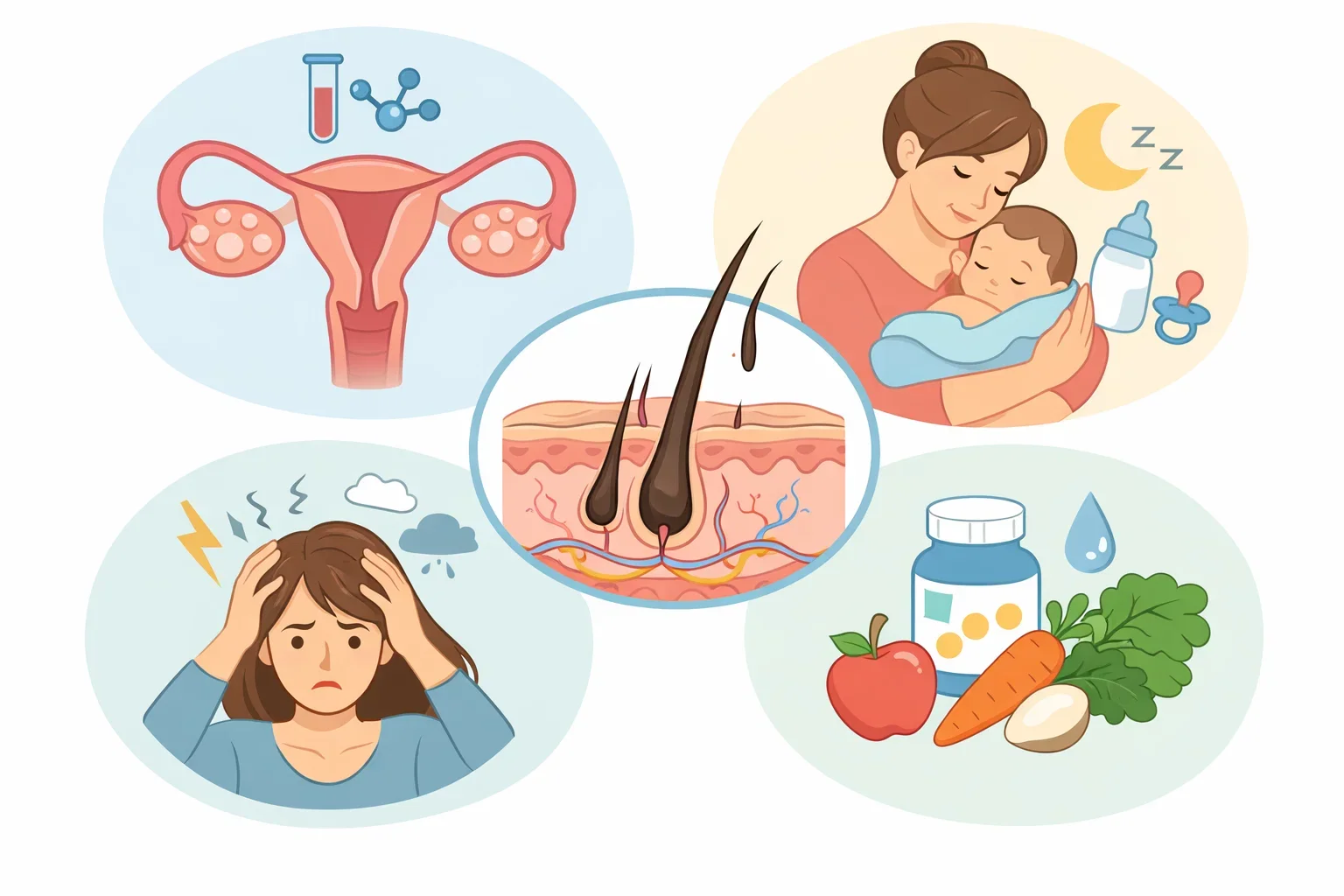
In women, hair loss is often linked to a combination of hormonal imbalance, genetics, or underlying medical issues. Conditions such as PCOS, thyroid disorders, or menopause can alter hormone levels, disrupting the natural growth cycle. Similarly, nutritional deficiencies, stress, and post-pregnancy changes can weaken hair follicles.
By identifying the cause early, dermatologists can create tailored treatment plans that include medical therapies like Minoxidil for women, PRP therapy, or lifestyle adjustments. The right intervention can stop excessive shedding and support regrowth over time.
Common Types of Hair Loss in Women
- Female Pattern Hair Loss (FPHL): A gradual thinning over the crown or midline caused by hormonal and genetic factors.
- Telogen Effluvium: Temporary shedding triggered by stress, postpartum changes, or illness.
- Alopecia Areata: An autoimmune condition that causes patchy hair loss.
- Traction Alopecia: Caused by tight hairstyles or chemical overuse.
Each type requires different evaluation methods and treatments — reinforcing why professional dermatology consultation is crucial before starting any self-medication or home remedies.
Major Causes of Hair Fall in Women
When it comes to hair fall in women, there’s rarely a single reason behind it. Female hair loss is often the result of multiple overlapping factors — from hormonal fluctuations to nutritional deficiencies and lifestyle stressors. Identifying the underlying cause is key to choosing the right treatment plan and preventing recurrence.
Dermatologists at Mayflower Hospital begin every assessment with a detailed scalp and hormonal evaluation to pinpoint the triggers. Below are the most common causes contributing to hair thinning and shedding among women.
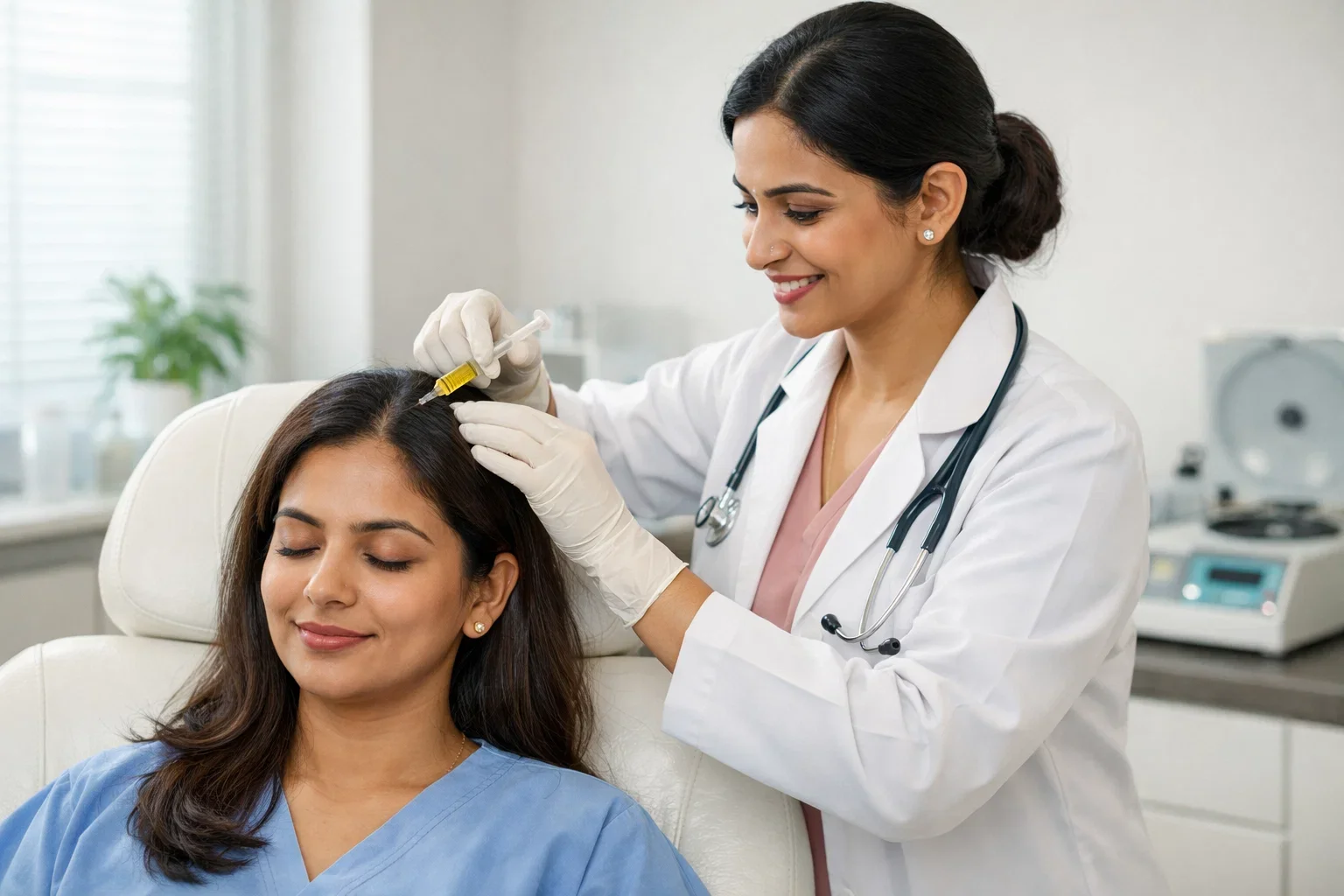
Hormonal Imbalance — PCOS and Menopause
Hormonal shifts are among the leading culprits of hair loss in women. In Polycystic Ovary Syndrome (PCOS), elevated androgen (male hormone) levels shrink hair follicles, leading to PCOS hair loss, especially along the hairline or crown. Similarly, during menopause, estrogen levels drop while androgens remain stable, resulting in thinner, weaker strands and slower regrowth.
Dermatologists often recommend a combination of Minoxidil for women, anti-androgen medications, and hormone-balancing lifestyle changes to counteract these effects.
Postpartum Hair Loss
After childbirth, many women experience postpartum hair loss, a temporary yet distressing phase caused by shifting estrogen levels. During pregnancy, high estrogen prolongs the growth phase of hair, but once hormone levels drop after delivery, large amounts of hair enter the shedding (telogen) phase simultaneously.
While the condition usually improves within 6–12 months, maintaining scalp hygiene, balanced nutrition, and using doctor-approved treatments can accelerate recovery. Mayflower’s dermatology team works with obstetric specialists to ensure hair care solutions that are safe during breastfeeding and postpartum recovery.
Nutritional Deficiencies and Stress
Low levels of iron, vitamin D, B-complex, and protein directly impact hair structure and growth. Stress, whether emotional or physical, further worsens the problem by causing vasoconstriction — reduced blood flow to hair follicles. This results in telogen effluvium, where more strands fall out than usual.
A diet rich in whole grains, leafy greens, and lean protein, along with guided supplementation, can support stronger regrowth when combined with dermatological care.
Lifestyle, Styling, and Environmental Damage
Excessive heat styling, frequent coloring, tight hairstyles, and chemical treatments weaken the hair shaft over time. Coupled with pollution and UV exposure, these habits accelerate breakage and dullness. Dermatologists recommend switching to sulfate-free products, minimizing heat, and protecting hair from sun damage to maintain scalp balance.
Routine scalp check-ups and trichoscopic evaluations at Mayflower help detect early signs of structural damage — allowing timely intervention before hair loss becomes severe.
Underlying Health Conditions
Certain systemic conditions like thyroid disorders, autoimmune diseases, or anemia can contribute to chronic shedding. These must be ruled out through clinical tests before beginning any cosmetic or medical treatment. Early identification ensures that therapy targets the cause, not just the symptom.
Dermatology-Backed Treatments for Hair Loss
Once the underlying cause of hair loss in women is identified, dermatologists can tailor a treatment plan that stimulates regrowth and strengthens hair follicles. Modern dermatology combines clinical precision with non-invasive procedures to restore hair density and scalp health safely.
At Mayflower Hospital, treatments are customized for each woman — whether she’s experiencing postpartum hair loss, PCOS-related thinning, or early signs of female pattern hair loss. Here’s an overview of leading medical and aesthetic solutions offered under professional guidance.
Minoxidil for Women — The Gold Standard
Minoxidil for women remains the most widely recommended topical solution for stimulating hair growth. It works by extending the anagen (growth) phase of the hair cycle, improving blood circulation to the follicles. When applied consistently, visible results typically appear within three to six months.
Mayflower dermatologists prescribe formulations based on scalp sensitivity and hormonal balance, ensuring safety and minimal irritation. For enhanced results, Minoxidil is often paired with oral supplements and PRP therapy.
Platelet-Rich Plasma (PRP) Therapy
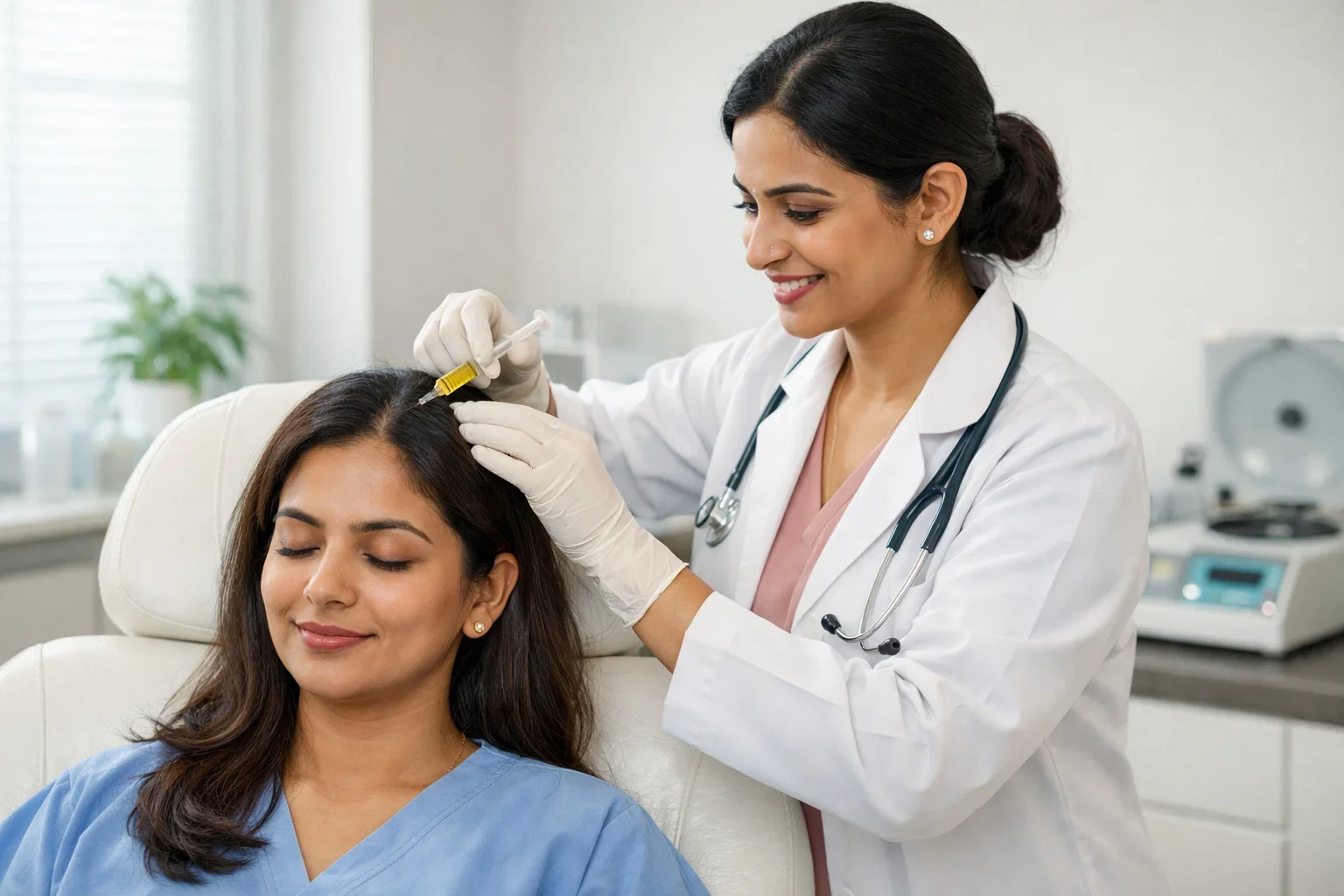
PRP therapy is an advanced, minimally invasive procedure that uses the patient’s own blood platelets to stimulate hair follicles. These growth factors improve cell regeneration and strengthen weakened roots. The treatment is especially effective for female pattern hair loss and PCOS hair loss.
Sessions are quick, require minimal downtime, and deliver visible improvements in texture, density, and scalp vitality after 3–4 sittings. It’s one of the most preferred non-surgical options for women looking for natural regrowth.
Mesotherapy for Nutrient Support
Mesotherapy involves injecting a blend of vitamins, amino acids, and peptides into the scalp to nourish hair follicles directly. It targets nutritional deficiencies that topical treatments alone cannot fix. This therapy is ideal for women with stress-induced hair fall or poor scalp circulation.
When combined with lifestyle changes and stress management, mesotherapy can significantly reduce shedding and improve shine and volume.
Low-Level Laser Therapy (LLLT)
Low-Level Laser Therapy uses red-light wavelengths to boost cellular energy and promote hair growth. It’s safe, painless, and often used alongside Minoxidil or PRP. Regular sessions enhance blood flow and rejuvenate dormant follicles.
Women with early-stage thinning or postpartum shedding benefit the most, as this method supports gradual but sustainable regrowth.
Homecare & Scalp Health Routine
A professional treatment plan must always be supported by an at-home regimen. Dermatologists recommend using mild, pH-balanced shampoos, scalp serums enriched with biotin, and avoiding excessive heat or chemical exposure. Balanced nutrition, hydration, and stress control complement medical treatments for better results.
At Mayflower Hospital, dermatologists design complete hair recovery plans that combine medical therapy, at-home care, and periodic scalp check-ups to ensure long-term results.
Skin Concerns Often Linked with Hair Loss
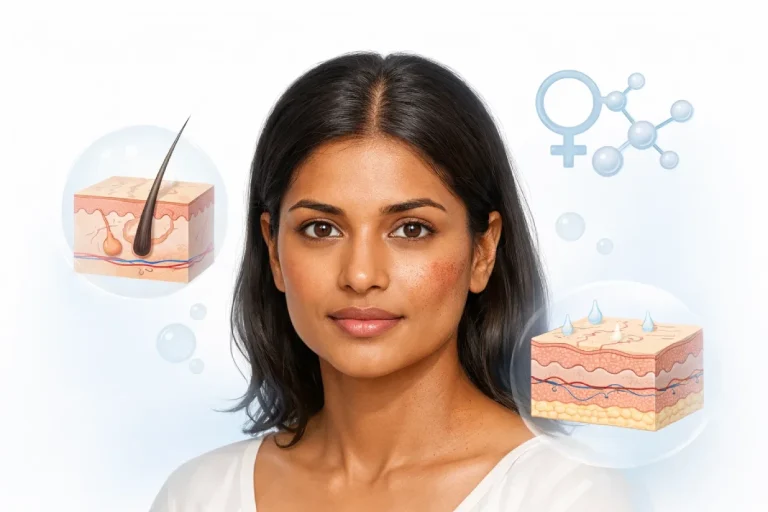
Many women who experience hair loss also notice changes in their skin — such as acne, pigmentation, or dryness. These aren’t separate issues but rather interconnected symptoms of hormonal imbalance, stress, or nutritional deficiency. Dermatologists call this the “skin-hair axis,” where internal factors affect both scalp and skin health simultaneously.
At Mayflower Hospital, our dermatology experts approach these concerns holistically, addressing not just surface symptoms but their root hormonal and metabolic causes. Below are some of the most common skin issues associated with female hair loss and their medical solutions.
Hormonal Acne Treatment
Hormonal fluctuations caused by conditions like PCOS, thyroid imbalance, or menopause can increase oil production, leading to persistent acne around the jawline, chin, and neck. These breakouts are often deeper, more painful, and resistant to typical over-the-counter products.
Hormonal acne treatment involves medical-grade skincare, oral medications, and sometimes low-dose hormonal therapy to balance sebum levels and inflammation. Procedures such as chemical peels, LED therapy, and microneedling also help refine skin texture and reduce acne scars.
At Mayflower, dermatologists design personalized acne protocols that align with a woman’s hormonal health and skin type, ensuring lasting results without harsh side effects.
Melasma Treatment
Melasma is a pigmentation disorder that causes brown or grayish patches, typically on the face. It’s common among women experiencing hormonal changes, such as pregnancy or birth control use. Sun exposure further intensifies the pigmentation.
A comprehensive melasma treatment plan may include prescription creams (hydroquinone, retinoids), gentle laser therapy, or chemical peels. Consistent sun protection with SPF 50+ is crucial for preventing recurrence.
Mayflower dermatologists use USFDA-approved laser and peel systems that lighten melasma safely, even for sensitive Indian skin tones — restoring a clear, even complexion.
Dry Skin During Menopause
As estrogen levels drop during menopause, the skin loses collagen, hydration, and elasticity, leading to dryness, dullness, and fine lines. This can make women’s skin more sensitive to products and environmental changes.
To manage dry skin during menopause, dermatologists recommend gentle cleansers, ceramide-based moisturizers, and regular use of antioxidant serums. Clinical treatments such as radiofrequency tightening or collagen-boosting facials can rejuvenate the skin from within.
By combining topical therapy with lifestyle changes and nutritional support, Mayflower’s dermatology team helps women maintain smooth, hydrated, and youthful-looking skin through hormonal transitions.
Postpartum Dermatology Care: Managing Hair & Skin Changes
The postpartum period is a time of immense physical and hormonal transition. Many women notice unexpected changes like postpartum hair loss, skin dullness, or the development of stretch marks. While these are natural effects of childbirth, they can take a toll on self-esteem and confidence. At Mayflower Hospital, dermatology and gynecology specialists collaborate to help women recover their skin and hair health safely and holistically during this delicate stage.
Postpartum Hair Loss – A Temporary but Common Concern
During pregnancy, high estrogen levels keep hair in its growth phase, resulting in thicker strands. After delivery, however, these hormone levels fall rapidly, pushing a large number of hairs into the shedding phase — a condition known as postpartum hair loss.
This shedding typically peaks between three to six months after childbirth and gradually improves within a year. Dermatologists recommend using mild, sulfate-free shampoos, scalp massages with nourishing oils, and vitamin supplements containing biotin, zinc, and iron. In certain cases, gentle Minoxidil for women may be prescribed under medical supervision to accelerate regrowth.
Mayflower’s postpartum dermatology programs also ensure treatments are breastfeeding-safe and adjusted to each woman’s hormonal profile.
Stretch Marks Removal and Skin Recovery
Stretch marks, or striae, occur due to rapid stretching of the skin during pregnancy and weight fluctuations. They initially appear reddish or purple and gradually turn silvery white. While harmless, many women seek professional help to reduce their appearance.
Stretch marks removal treatments include microneedling, fractional laser therapy, chemical peels, and radiofrequency tightening — all designed to boost collagen and skin elasticity.
At Mayflower Hospital, dermatologists use advanced USFDA-approved laser systems that are safe for postnatal skin, ensuring gentle yet effective results. Early treatment within the first year postpartum provides the best outcomes.

Emotional and Physical Healing Postpartum
Beyond visible changes, the postpartum period can also trigger emotional distress due to fatigue, body image issues, or anxiety. Mayflower’s integrated approach combines medical care with emotional support — helping new mothers embrace recovery with confidence.
Regular dermatology consultations, nutritional counseling, and wellness therapies create a nurturing environment where women can restore their physical and emotional well-being simultaneously.
Comparing Common Hair Loss Treatments for Women
Choosing the right treatment for hair loss in women depends on the cause, severity, and overall health condition. While some treatments stimulate growth directly, others improve scalp circulation, balance hormones, or strengthen existing strands. Dermatologists at Mayflower Hospital evaluate each case comprehensively — ensuring that every therapy is medically suitable, safe, and aligned with a woman’s unique hormonal profile.
The following table compares leading dermatology-backed options based on effectiveness, invasiveness, and recovery timelines.
Treatment Comparison Table
| Treatment | Ideal For | Results Timeline | Invasiveness | Medical Supervision |
|---|---|---|---|---|
| Minoxidil for Women | Early-stage or hereditary thinning | 3–6 months | Non-invasive | Yes |
| PRP Therapy | PCOS or hormone-related hair loss | 2–3 sessions (visible results in 3 months) | Mildly invasive | Yes |
| Mesotherapy | Nutritional deficiency or stress-related shedding | 4–6 weeks | Minimal | Yes |
| Low-Level Laser Therapy (LLLT) | Early or postpartum thinning | Gradual over 8–12 weeks | Non-invasive | Optional |
| Hair Transplant (for advanced loss) | Severe or scarring alopecia | 6–12 months | Surgical | Yes |
Each treatment works best when combined with medical evaluation, blood tests, and consistent aftercare. For example, PRP and Minoxidil together can accelerate follicle recovery, while mesotherapy supports nutrition-related regrowth.
At Mayflower Hospital, the dermatology team ensures a stepwise approach — starting with non-invasive methods before moving toward advanced procedures, ensuring patient comfort and long-term success.
Complementary Lifestyle Support
No treatment plan is complete without lifestyle management. Dermatologists recommend maintaining a nutrient-rich diet, managing stress through yoga or meditation, and using dermatologist-approved hair care products. Avoiding chemical overuse and tight hairstyles also helps prevent recurrence.
Patients who follow medical guidance and support their treatment with healthy routines often notice visible improvement in both scalp and skin condition within months.
Everyday Hair and Skin Care Tips from Dermatologists
Medical treatments form just one part of managing hair loss in women — the rest depends on how well you care for your scalp and skin daily. Dermatologists at Mayflower Hospital emphasize prevention and maintenance through consistent habits that protect the hair follicles, balance hormones, and nourish the skin from within. Small lifestyle changes can make a significant difference in reducing shedding, restoring shine, and improving overall skin texture.
Maintain a Nutrient-Rich Diet
Hair and skin thrive on nutrition. A diet rich in iron, biotin, zinc, vitamin D, and omega-3 fatty acids strengthens roots and improves cell turnover. Include leafy greens, eggs, lentils, berries, and nuts in your meals. For vegetarians, supplementation may be needed to maintain healthy iron and protein levels.
Dermatologists recommend pairing these with adequate hydration — at least 2–3 liters of water daily — to support collagen formation and scalp moisture balance.
Manage Stress and Sleep Patterns
Chronic stress increases cortisol, which disrupts the natural hair growth cycle and accelerates hair fall in women. Incorporating practices such as yoga, deep breathing, or mindfulness meditation helps regulate hormones and promote circulation.
Quality sleep (7–8 hours per night) is equally important for skin regeneration and hormonal repair. Patients under Mayflower’s dermatology care often see visible improvement in skin glow and hair density after correcting sleep irregularities.
Adopt a Gentle Hair Care Routine
Avoid excessive shampooing, harsh detergents, or tight hairstyles that strain the scalp. Choose sulfate-free, pH-balanced shampoos and conditioners designed for sensitive hair. Limit heat styling tools and always use a heat-protectant serum.
Weekly oil massages with ingredients like argan, almond, or coconut oil can improve scalp blood flow and strengthen follicles — especially for women facing postpartum or PCOS-related hair loss.
Protect Skin from Environmental Damage
Sun exposure and pollution accelerate both hair and skin aging. Use a broad-spectrum sunscreen (SPF 30 or higher) daily and cover your hair when outdoors. Regular exfoliation and antioxidant-rich skincare prevent clogged pores and maintain clear, radiant skin.
Dermatologists also recommend gentle cleansing at night to remove dirt, makeup, and pollutants that could cause inflammation or dullness.
Schedule Regular Dermatology Check-Ups
Even after symptoms improve, periodic follow-ups help maintain progress and detect early warning signs. Mayflower’s dermatology specialists customize follow-up intervals for each patient — monitoring hair regrowth, scalp health, and skin hydration levels for lasting results.
Preventive care ensures that issues like female pattern hair loss, melasma, or hormonal acne don’t reappear once treatment concludes.
Why Choose Mayflower Hospital for Skin & Hair Health
When it comes to treating hair loss in women and related skin issues, finding a center that combines dermatology, gynecology, and hormonal expertise under one roof makes all the difference. Mayflower Hospital offers a multidisciplinary, evidence-based approach — helping women address both the visible concerns and the internal causes that affect their skin and hair.
Our treatments go beyond aesthetics; they are designed to restore overall well-being, confidence, and long-term health.
Integrated Care Across Specialties
Unlike standalone skin clinics, Mayflower integrates the expertise of dermatologists, gynecologists, endocrinologists, and nutritionists to deliver holistic treatment. This ensures every woman receives a personalized plan tailored to her hormonal status, medical history, and lifestyle.
Whether it’s postpartum hair loss, PCOS hair loss, or dry skin during menopause, our collaborative care model ensures complete support from diagnosis to recovery.
Advanced, USFDA-Approved Technologies
Mayflower Hospital is equipped with advanced dermatology infrastructure, including USFDA-approved laser systems, PRP technology, and RF microneedling devices. Each treatment adheres to global safety standards and is performed by qualified medical professionals.
For hormonal and skin rejuvenation, we also offer Monopolar radiofrequency treatments, advanced chemical peels, and collagen induction therapies, ensuring results that are both safe and effective for Indian skin types.
Personalized Treatment Protocols
Every woman’s skin and hair respond differently to treatment. That’s why Mayflower dermatologists conduct detailed diagnostic tests before suggesting any therapy. This includes hormonal analysis, trichoscopy, and skin imaging, allowing for a data-driven approach that maximizes results and minimizes side effects.
Customized follow-up programs ensure sustained improvements and prevention of future relapses.
Patient-Centric Experience
At Mayflower, we believe in compassionate care that prioritizes comfort, privacy, and emotional well-being. Our women-focused setup provides a calm, reassuring environment where patients can openly discuss sensitive issues like hair thinning, acne, or stretch marks.
From consultation to aftercare, every step is guided by transparency, medical ethics, and long-term patient trust.
Book Your Consultation
If you’re struggling with hair fall, hormonal acne, or skin pigmentation, professional help is just a call away. Book your dermatology consultation at Mayflower Hospital today and begin your journey toward healthy, glowing skin and stronger, fuller hair.
Schedule your personalized consultation with our dermatology experts — because every woman deserves to feel confident in her skin.
Conclusion
Hair loss in women is more than a cosmetic issue — it’s often a reflection of deeper hormonal, nutritional, or lifestyle changes. The good news is that with early diagnosis and modern dermatological science, women no longer have to live with thinning hair or persistent skin issues. From PRP therapy and Minoxidil for women to melasma and stretch marks removal, today’s treatments are safer, faster, and more effective than ever.
At Mayflower Hospital, our dermatology experts take a personalized, evidence-based approach — combining medical insight with aesthetic precision. Whether you’re navigating postpartum recovery, dealing with PCOS hair loss, or managing dry skin during menopause, our team ensures compassionate, holistic care that restores both confidence and balance.
Healthy skin and hair are integral to a woman’s sense of self. Taking the first step toward professional treatment can help you regain that feeling of vitality and control.
Book your dermatology consultation at Mayflower Hospital today and discover tailored, safe, and lasting solutions for your skin and hair health.
FAQs on Hair Loss and Skin Concerns in Women
Sudden hair loss in women can result from hormonal fluctuations, nutritional deficiencies, thyroid disorders, or stress. Events such as childbirth, illness, or extreme dieting can also trigger a temporary condition called telogen effluvium, where large numbers of hair follicles enter the resting phase. A dermatologist can determine whether the cause is temporary or chronic through clinical evaluation and blood tests.
Yes. PCOS (Polycystic Ovary Syndrome) causes elevated levels of androgens — male hormones that lead to PCOS hair loss and hormonal acne. This hormonal imbalance shrinks hair follicles and increases oil production in the skin. Mayflower’s integrated dermatology and gynecology care addresses these hormonal imbalances while providing targeted treatments for both acne and hair regrowth.
Minoxidil for women is clinically approved for long-term use under dermatological supervision. It’s safe when applied correctly and monitored for side effects like scalp irritation or dryness. Continuous use maintains follicle stimulation and prevents relapse once hair regrowth begins. Always consult a dermatologist before adjusting dosage or frequency.
Postpartum hair loss typically resolves on its own within six to twelve months. However, natural management can include balanced nutrition, gentle scalp massages, and use of mild shampoos. Dermatologists may recommend biotin or iron supplements to strengthen follicles. Medical interventions like low-dose Minoxidil may be added if shedding persists beyond a year.
Melasma treatment often combines prescription creams, sunscreen, and laser therapy for pigment reduction. Stretch marks removal involves collagen-boosting methods such as microneedling, RF therapy, or fractional laser resurfacing. Mayflower Hospital’s USFDA-approved technologies offer visible results with minimal downtime and high safety for all skin types.