




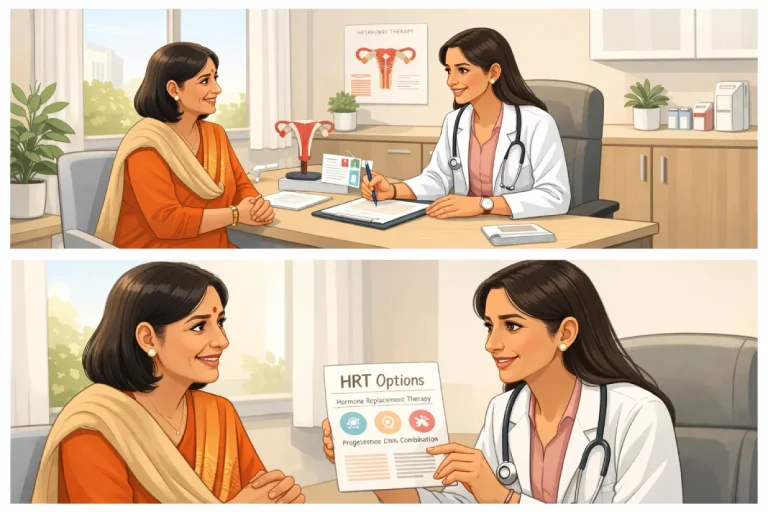
Hormone replacement therapy (HRT) is one of the most widely discussed treatments for managing menopause and its many challenges. As women approach menopause, the body gradually reduces the production of estrogen and progesterone – two hormones that regulate reproductive and overall health. This natural transition often brings uncomfortable symptoms such as hot flashes, night sweats, mood swings, weight changes, and sleep disturbances, which can impact quality of life.
HRT works by supplementing the body with these hormones to restore balance and ease the intensity of symptoms. For many women, it provides significant relief and helps maintain bone health, energy levels, and emotional well – being. However, like any medical treatment, it is not without its complexities. Along with well – established benefits, hormone replacement therapy also carries risks and side effects, which need to be carefully weighed before starting.
Over the past few decades, research and medical guidelines around HRT have evolved, leading to improved safety protocols, individualized treatment plans, and newer delivery options such as transdermal patches and bioidentical hormones. Despite these advances, one common concern still lingers: is HRT safe?
This blog explores the benefits and risks of hormone replacement therapy, types of treatment available, possible side effects, and safe alternatives. By the end, you will have a clear, evidence – based understanding of whether HRT might be right for your needs – and how expert care at a trusted women’s hospital can support that decision.
Understanding Hormone Replacement Therapy (HRT)
Hormone replacement therapy is more than just a treatment for menopause symptoms – it’s a medical approach designed to restore hormonal balance when the body naturally reduces estrogen and progesterone. To understand whether HRT is right for you, it’s important to know what it is, why it is prescribed, and the different types available.
What is Hormone Replacement Therapy?
Hormone replacement therapy involves taking estrogen alone or in combination with progesterone to manage the symptoms of menopause. In women who have undergone a hysterectomy, estrogen alone may be recommended, while those with an intact uterus often need a combination of both hormones to protect the lining of the womb.
By addressing hormonal decline, HRT helps reduce menopause age symptoms such as hot flashes, night sweats, and mood swings, while also supporting long – term health.
Why Women Consider HRT?
Doctors may recommend HRT for women who:
- Experience early signs of menopause or perimenopause symptoms that disrupt daily life.
- Have entered early menopause or undergone surgical removal of ovaries.
- Are at risk of osteoporosis or bone loss.
- Struggle with severe sleep disturbances, vaginal dryness, or low energy.
For many, the therapy is not just about comfort – it is about preserving long – term health and quality of life.
Types of HRT for Menopause
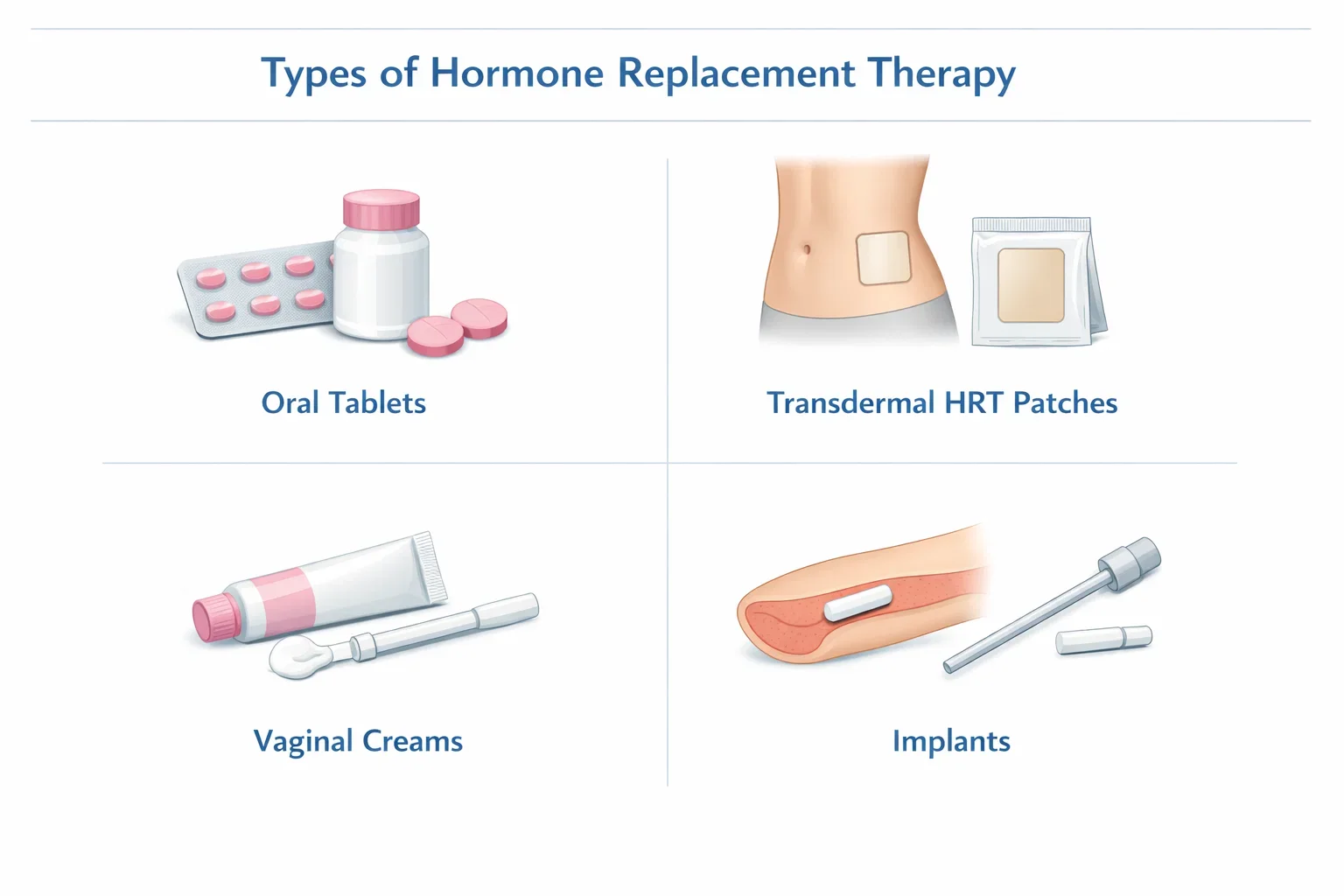
There are several ways to administer hormone replacement therapy, and the choice depends on age, medical history, and personal preference. Common options include:
- Oral tablets – convenient but linked with higher risks of blood clots in some women.
- Transdermal HRT patches – absorbed through the skin, with lower risk of clotting.
- Vaginal creams, gels, and rings – best for local symptoms like dryness and discomfort.
- Implants and injections – provide longer – term hormone release.
Your gynecologist will decide the safest and most effective type based on your health profile.
Estrogen vs Progesterone Therapy
- Estrogen therapy: Primarily prescribed for symptom relief in women without a uterus.
- Progesterone therapy: Added for women with a uterus to prevent endometrial overgrowth, which can increase cancer risk.
- Combined HRT: A balance of both hormones, widely used for most women in menopause.
This personalized approach ensures both symptom relief and safety.
Benefits of Hormone Replacement Therapy
Hormone replacement therapy offers relief from menopause – related symptoms and helps women maintain long – term health. While the decision to begin HRT must be personalized, the benefits for many women are significant and life – changing.
Relief from Menopause Symptoms
One of the most recognized advantages of HRT is its ability to reduce hot flashes, night sweats, and mood swings. These are among the most common and distressing complaints during menopause. Women on HRT often experience:
- Better sleep and fewer night disturbances
- Reduction in irritability, anxiety, and emotional ups and downs
- Improved energy levels and ability to focus
By addressing these issues, HRT improves both day – to – day comfort and overall quality of life.
Bone Health & Osteoporosis Prevention
Estrogen plays a vital role in bone density. With declining hormone levels, postmenopausal women face an increased risk of osteoporosis and fractures. HRT can:
- Slow bone thinning
- Improve bone strength
- Reduce the risk of hip and spine fractures
For women with a family history of osteoporosis or fragile bones, this benefit can be especially valuable.
Heart and Cognitive Health – What Research Says
Studies suggest that starting HRT at the right time (around early menopause) may offer some cardiovascular protection and support cognitive function. Research continues to evaluate these outcomes, but early data shows potential benefits such as:
- Better cholesterol balance (higher HDL, lower LDL)
- Improved blood vessel flexibility
- Possible reduction in memory decline in some women
It is important to note that these benefits vary depending on age and timing of therapy.
Emotional & Quality of Life Improvements
Menopause is not just a physical transition – it also affects mental and emotional well – being. Women often report:
- Feeling calmer and more emotionally stable
- Renewed self – confidence
- Increased comfort in relationships and daily activities
By restoring hormonal balance, HRT can help women feel like themselves again, making this phase of life more manageable and positive.
Risks and Side Effects of HRT in Women
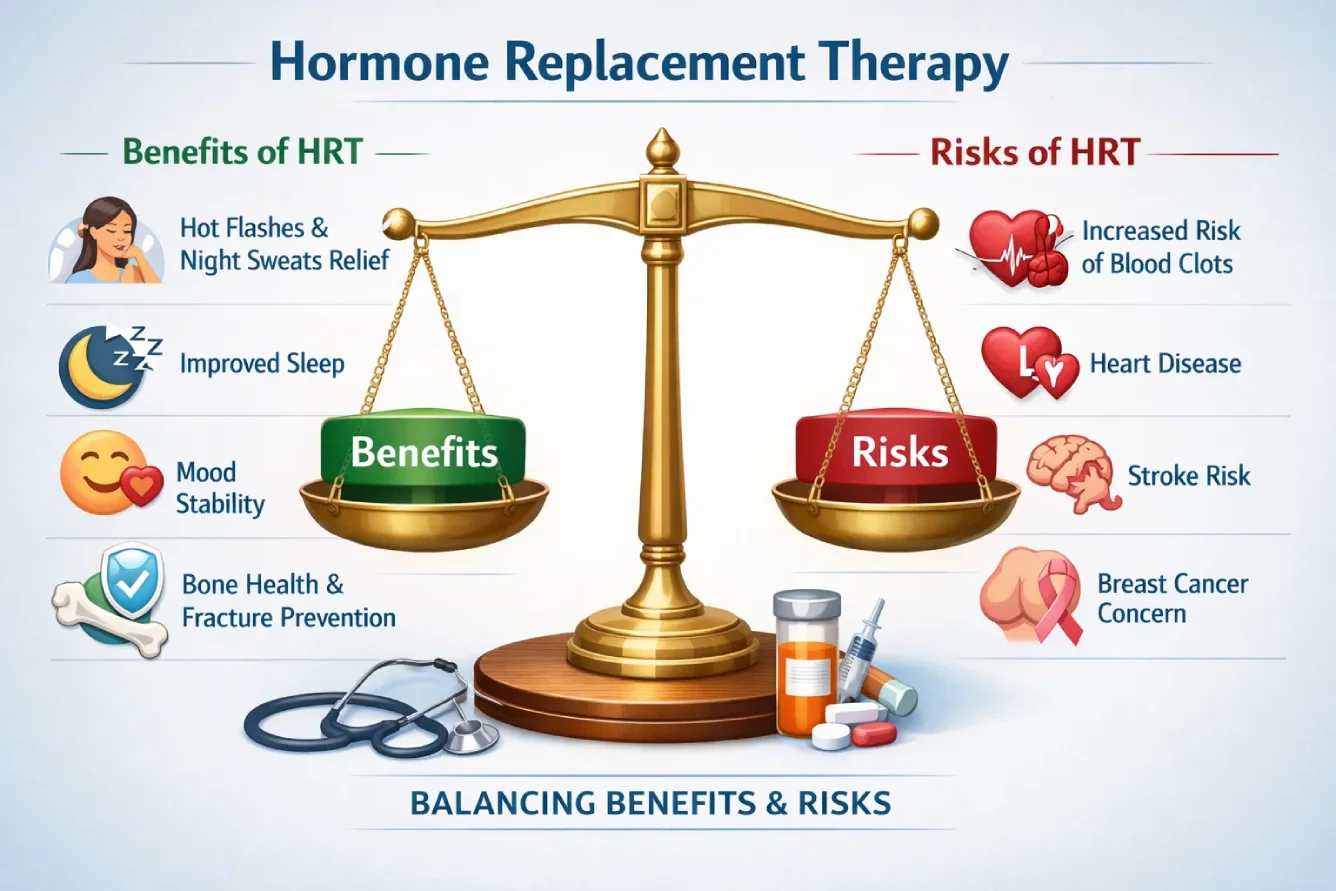
Like any medical treatment, hormone replacement therapy has both benefits and risks. Understanding these potential side effects is essential to making an informed decision with your doctor. While many women tolerate HRT well, some may experience mild symptoms, and in certain cases, the therapy may increase long – term health risks.
Common HRT Side Effects in Women
Mild side effects often occur when starting treatment but may subside over time. These can include:
- Weight gain or bloating
- Breast tenderness or swelling
- Headaches and nausea
- Mood fluctuations or irritability
- Skin irritation (with transdermal HRT patches)
These symptoms usually improve as the body adjusts to treatment or when the dosage/form is modified.
HRT and Breast Cancer Risk
The relationship between HRT and breast cancer risk has been widely studied. Evidence shows that:
- Estrogen – only therapy carries little to no increased risk when used for a limited period.
- Combined estrogen – progesterone therapy may slightly increase the risk if used for more than 5 years.
- Risk decreases once therapy is stopped.
It is important to weigh these risks against the benefits and undergo regular breast screenings.
Cardiovascular & Blood Clot Concerns
Some forms of HRT – particularly oral tablets – can raise the risk of:
- Blood clots (deep vein thrombosis, pulmonary embolism)
- Stroke
- Heart disease, especially in women who start HRT later in life (after age 60)
This is why delivery methods like transdermal patches are often considered safer, as they bypass the liver and reduce clotting risk.
Who Should Avoid HRT?
HRT is not recommended for women who:
- Have a history of breast, ovarian, or endometrial cancer
- Have previously had blood clots or stroke
- Have uncontrolled high blood pressure
- Suffer from severe liver disease
- Are pregnant or breastfeeding
In such cases, doctors may recommend menopause treatment without hormones or alternative therapies.
Is HRT Safe? A Balanced View
Safety is one of the most common concerns women have when considering hormone replacement therapy. The truth is that HRT can be both highly effective and safe when prescribed correctly – but it is not a one – size – fits – all solution. Doctors carefully evaluate medical history, age, and risk factors before recommending treatment.
Balancing HRT Benefits and Risks
When used under proper medical supervision, HRT provides effective relief from menopause symptoms, improves bone density, and may protect against certain long – term conditions. However, safety depends on:
- Timing – Starting HRT during early menopause generally carries lower risks.
- Type and dose – Using the lowest effective dose reduces side effects.
- Duration – Long – term use beyond 5 years may increase some risks.
- Monitoring – Regular screenings (breast exams, blood pressure, cholesterol) ensure continued safety.
Short – Term vs Long – Term Use
- Short – term use (a few years) is usually considered safe for healthy women with severe symptoms.
- Long – term use requires a personalized risk – benefit discussion with a gynecologist. Some women may continue on low – dose HRT for extended periods with close monitoring.
Bioidentical Hormones vs HRT
Many women hear about “bioidentical hormones” as a safer alternative to traditional HRT. Here’s what you should know:
- Traditional HRT: Uses standardized, scientifically tested doses of estrogen and progesterone.
- Bioidentical hormones: Marketed as “natural” and chemically identical to human hormones, but many are compounded in pharmacies and not always regulated by strict safety standards.
- Medical guidance: Current evidence suggests both can be effective, but traditional HRT has stronger safety data.
The choice should always be made with medical advice, not marketing claims.
Alternatives to Hormone Replacement Therapy
While hormone replacement therapy is effective for many women, it isn’t suitable for everyone. Some women may prefer natural or non – hormonal methods due to personal choice, medical conditions, or concerns about long – term safety. Fortunately, there are proven alternatives to manage menopause symptoms without hormones.

Menopause Treatment Without Hormones
Lifestyle modifications can significantly improve symptoms for women who cannot or do not want to take HRT. Common approaches include:
- Balanced diet rich in calcium, vitamin D, and phytoestrogens (found in soy, flaxseeds, legumes).
- Regular exercise to maintain weight, improve mood, and strengthen bones.
- Stress management through yoga, meditation, or mindfulness practices.
- Limiting alcohol, caffeine, and spicy foods that may trigger hot flashes.
These adjustments can reduce symptom intensity and support overall well – being.
Non – Hormonal Medications for Menopause
Doctors may recommend medications that target specific symptoms:
- SSRIs and SNRIs (antidepressants) can reduce hot flashes and mood swings.
- Gabapentin may help with night sweats and sleep quality.
- Clonidine (blood pressure medication) has shown some benefit for hot flashes.
These are especially useful for women who cannot take estrogen due to medical risks.
Complementary and Natural Approaches
Some women turn to alternative therapies for added relief:
- Herbal supplements such as black cohosh or evening primrose oil (though research is mixed).
- Acupuncture may help regulate hot flashes and improve mood.
- Ayurvedic and holistic medicine approaches focus on balancing hormones naturally.
While some women find these helpful, it’s important to consult a doctor before starting supplements or therapies to avoid interactions with existing medications.
Personalized Approach to Menopause Treatment
Menopause affects every woman differently, which means that hormone replacement therapy must always be tailored to individual needs. Factors such as age, overall health, severity of symptoms, and personal preferences all influence whether HRT – or an alternative approach – is the right choice.
HRT for Early Menopause
Women who experience early menopause – whether naturally, due to medical conditions, or after surgical removal of the ovaries – often face more severe symptoms and an increased risk of osteoporosis and heart disease. In these cases:
- HRT may be recommended at younger ages to protect long – term health.
- Extended therapy may be needed until the natural age of menopause.
- Close monitoring is essential to balance safety and benefits.
Choosing the Best HRT for Menopause
There is no “best” form of HRT that suits everyone. The choice depends on:
- Type of symptoms (systemic vs local)
- Medical history (family history of breast cancer, cardiovascular disease)
- Preferred mode of administration (tablets, gels, transdermal HRT patches)
- Tolerance to side effects
A gynecologist may adjust therapy over time, switching forms or doses to optimize outcomes.
Importance of Regular Checkups and Monitoring
Safety and effectiveness of HRT depend heavily on follow – up care. Women on therapy should:
- Undergo regular mammograms, pelvic exams, and blood pressure checks
- Have cholesterol and bone density monitored
- Reassess treatment annually with their doctor to decide whether to continue, adjust, or stop HRT
This proactive approach ensures the therapy continues to provide benefits while minimizing risks.
Cost and Accessibility of HRT
Alongside questions about safety and effectiveness, many women also wonder about the affordability and accessibility of hormone replacement therapy. The cost of treatment can vary widely depending on the type of HRT prescribed, brand, dosage, and duration of therapy.
HRT Cost in India
In India, the cost of hormone replacement therapy is generally more affordable compared to Western countries. Typical expenses include:
- Oral HRT tablets: ₹300–₹800 per month depending on brand
- Transdermal HRT patches: ₹1,000–₹2,500 per month
- Vaginal creams, gels, or rings: ₹500–₹1,500 per cycle
- Implants or injections: Higher upfront cost, but longer – lasting
While costs may add up over time, many women find the improvement in quality of life well worth the investment. In some cases, generic medications help reduce expenses without compromising effectiveness.
Accessibility of Specialists and Monitoring
Successful HRT treatment depends on regular follow – ups with qualified gynecologists or endocrinologists. At trusted women’s hospitals, patients have access to:
- Specialist consultations to decide the right therapy
- Regular screenings and monitoring for safety
- Counseling on lifestyle and non – hormonal support options
This ensures that HRT is not just about prescribing hormones, but about comprehensive menopause care.
Lifestyle Tips for Women on HRT
Hormone replacement therapy can significantly ease menopause symptoms, but its effectiveness is even greater when combined with healthy lifestyle habits. These simple, evidence – based tips can help women maximize the benefits of HRT and reduce potential side effects.
Nutrition and Diet Recommendations
Diet plays a vital role in supporting hormonal balance and bone strength. Women on HRT should:
- Include calcium – rich foods like dairy, leafy greens, and fortified cereals.
- Add vitamin D sources such as fish, eggs, or supplements if needed.
- Incorporate phytoestrogens (natural plant – based estrogens) from soy, flaxseeds, and legumes.
- Limit processed foods, sugar, and excessive salt to avoid bloating and weight gain.
Exercise and Bone Strength
Physical activity is crucial in menopause care. Regular exercise helps:
- Maintain healthy body weight
- Strengthen bones and muscles, reducing fracture risk
- Improve heart health and circulation
- Boost mood and energy
A mix of weight – bearing exercises (walking, jogging), resistance training, and yoga is most effective.
Sleep, Stress & Emotional Well – Being
Hormonal changes can impact mood and sleep quality, but healthy routines make a big difference:
- Maintain a consistent sleep schedule and avoid screen time before bed.
- Practice relaxation techniques like meditation, deep breathing, or mindfulness.
- Seek emotional support through counseling or menopause support groups.
- Reduce stimulants like caffeine and alcohol, especially at night.
These changes complement the effects of HRT, helping women feel healthier, calmer, and more in control.
Mayflower Hospital’s Expertise in Menopause & HRT Care
At Mayflower Women’s Hospital, we understand that menopause is not just a biological transition – it’s a deeply personal journey that affects every aspect of a woman’s health and well – being. That’s why our approach to hormone replacement therapy goes beyond simply prescribing medication. We offer a comprehensive, personalized care model designed around each woman’s unique needs.

Expert Gynecologists and Specialists
Our team of experienced gynecologists and endocrinologists specializes in menopause management. They evaluate your symptoms, medical history, and lifestyle factors before recommending a treatment plan that balances HRT benefits and risks for your safety.
Personalized Treatment Plans
At Mayflower, no two patients are treated the same. Whether you require estrogen vs progesterone therapy, transdermal HRT patches, or menopause treatment without hormones, our specialists create tailored plans that ensure optimal results.
Continuous Monitoring and Support
We provide structured follow – up care, including:
- Regular screenings (mammograms, bone density scans, blood pressure checks)
- Side – effect monitoring and dosage adjustments
- Counseling on lifestyle changes, diet, and non – hormonal alternatives
This ensures long – term safety while maximizing symptom relief.
A Patient – Centered Environment
From the first consultation to ongoing care, Mayflower Hospital is committed to compassionate, evidence – based treatment. Our patient – first approach makes women feel supported and confident in their choices.
Soft CTA:
If you are experiencing menopause symptoms or considering hormone replacement therapy, consult our specialists at Mayflower Women’s Hospital for trusted, expert guidance.
Conclusion
Hormone replacement therapy (HRT) continues to be one of the most effective treatments for managing menopause symptoms and improving quality of life. From easing hot flashes, night sweats, and mood swings to protecting bone health, the therapy offers real benefits for many women. At the same time, it is important to recognize that HRT is not suitable for everyone and carries potential risks and side effects, particularly if used long – term or without proper monitoring.
The question “Is HRT safe?” does not have a single answer – it depends on each woman’s health profile, age, family history, and individual needs. With the right evaluation and ongoing care, the benefits can outweigh the risks for many women. For those who cannot take hormones, there are effective alternatives such as menopause treatment without hormones, lifestyle changes, and non – hormonal medications that can also provide relief.
At Mayflower Women’s Hospital, our specialists help women navigate this decision with confidence. By offering personalized treatment plans, expert gynecological care, and ongoing monitoring, we ensure that every woman receives safe and compassionate menopause support.
If you are considering hormone replacement therapy or struggling with menopause symptoms, book a consultation with our gynecology experts at Mayflower Hospital today. Together, we can find the safest and most effective path for your well – being.
FAQs on Hormone Replacement Therapy
HRT can be safe for women over 50 if prescribed correctly, but risks may increase with age. Doctors often recommend starting hormone replacement therapy closer to the time of menopause rather than many years later. Regular checkups are essential for safety.
Some women report bloating or mild weight gain when starting HRT, but research shows that menopause itself – rather than HRT – is more often responsible for changes in body fat distribution. Maintaining a healthy diet and regular exercise can help manage this.
• Traditional HRT: Standardized, clinically tested estrogen and progesterone.
• Bioidentical hormones: Chemically similar to natural hormones, sometimes compounded in pharmacies but not always regulated.
Both can be effective, but traditional HRT has stronger long – term safety evidence.
The duration depends on individual needs. Many women take HRT for 3–5 years, while some continue longer at the lowest effective dose under medical supervision. Annual reviews with a gynecologist are essential.
For women who cannot or choose not to take hormones, menopause treatment without hormones includes lifestyle changes, non – hormonal medications (like SSRIs or Gabapentin), and complementary therapies such as yoga, acupuncture, or herbal remedies.