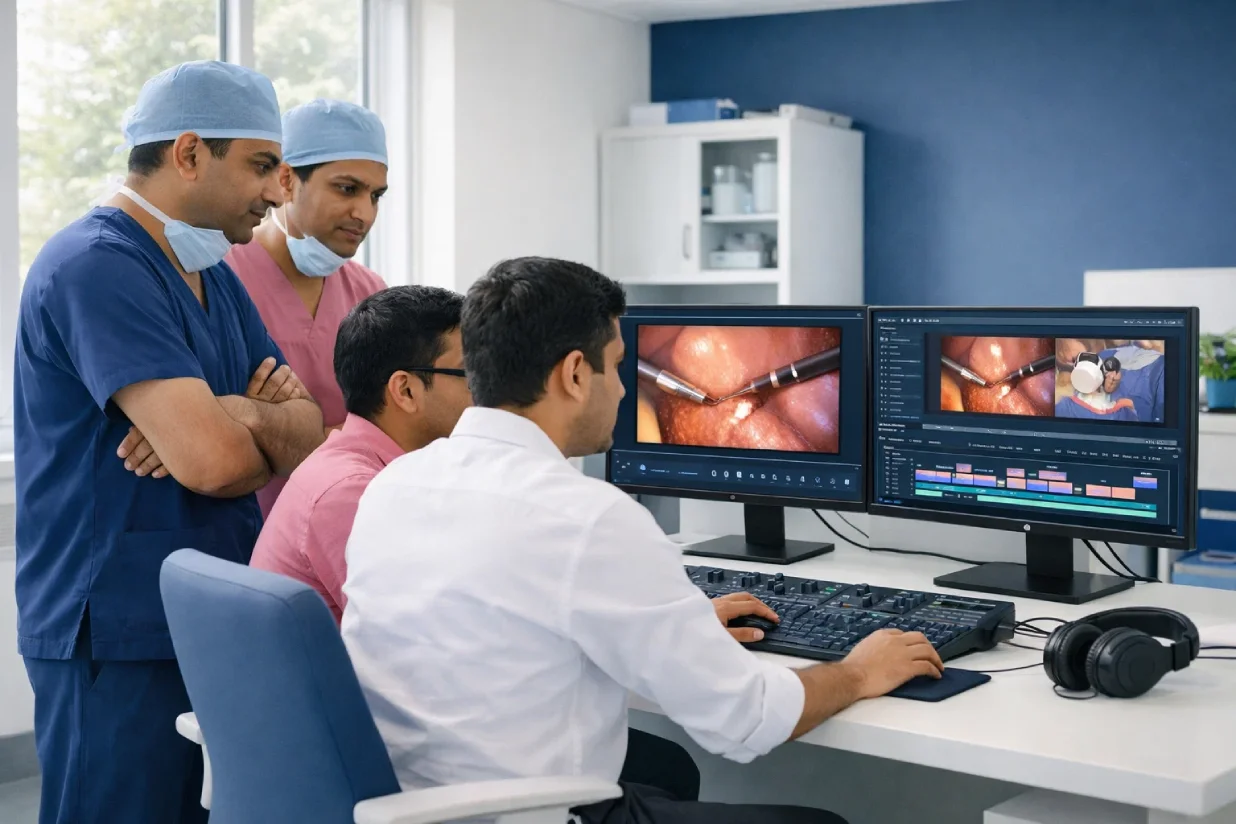




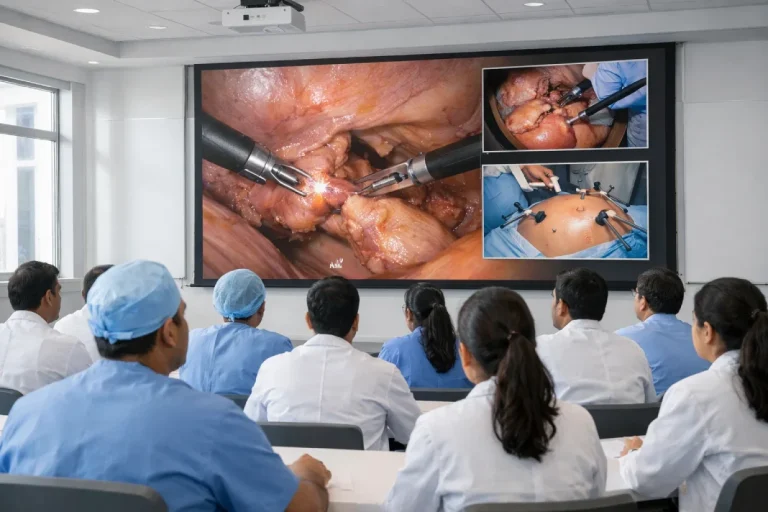
Surgical training videos are revolutionizing how doctors, surgeons, and medical students learn complex procedures. In today’s fast-paced healthcare environment, video-based education provides clarity, precision, and repeatability – all critical for mastering surgical techniques. Whether it’s a laparoscopic demonstration or a robotic-assisted surgery, edited videos simplify intricate steps, helping learners grasp core concepts more efficiently.
At Mayflower’s MStudios, our goal is to transform raw surgical footage into structured, educationally optimized content that supports both teaching and skill advancement. By using high-quality editing tools and medical compliance standards, we ensure that every clip delivers focused learning without unnecessary visual clutter.
Unlike traditional observation-based training, digital videos allow doctors to revisit every detail – from instrument handling to suturing methods – at their own pace. This accessibility makes surgical video-based learning a cornerstone of modern medical education worldwide.
As we explore the evolution of surgical education, it becomes clear why video-based learning has become indispensable for today’s healthcare professionals.
The Evolution of Surgical Education
Over the past few decades, surgical training has evolved from hands-on observation to immersive digital learning. Traditionally, aspiring surgeons relied on cadaver dissections, textbook diagrams, and limited operating-room exposure to build their foundation. While these methods offered valuable experience, they often lacked the depth and precision needed for mastering rapidly advancing surgical techniques.
From Textbooks to Real-Time Surgery Videos
Earlier, static images could only capture a moment in time – not the dynamic flow of an actual procedure. With the emergence of surgery videos for education, students can now observe real operations in full sequence, learning how experts handle instruments, control bleeding, and adapt during complications. This visual continuity helps strengthen procedural memory and improves long-term retention far better than reading alone.
Technology’s Role in Modern Medical Training
Today, digital tools like high-definition cameras, AR/VR simulators, and cloud-based platforms have revolutionized learning. Surgical education videos give students the ability to pause, zoom, annotate, and review surgeries from anywhere. Medical schools and teaching hospitals are also building virtual classrooms and interactive learning modules that replicate real-life surgical experiences. This integration of technology has created a new global standard for continuous surgical learning.
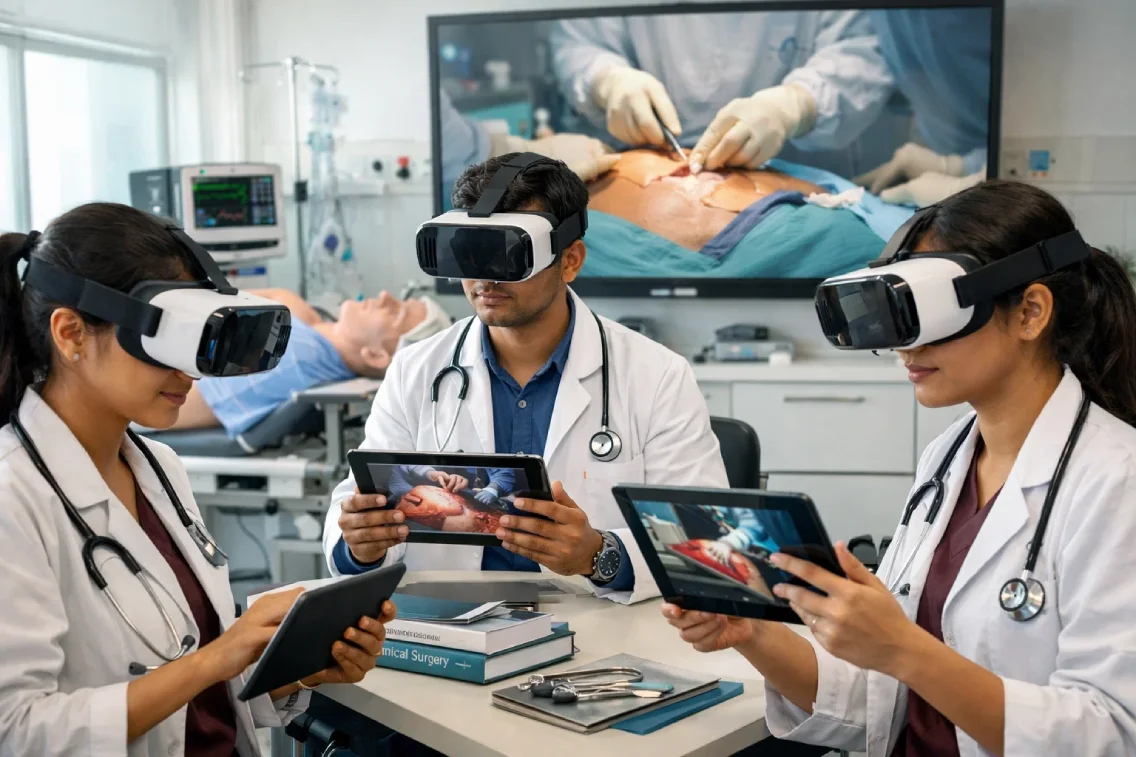
With such powerful innovations shaping how medical professionals learn, the next question is: why are edited surgery videos more effective than unfiltered recordings? The answer lies in clarity, focus, and educational precision.
Why Edited Surgery Videos Are a Game Changer
Not all surgical recordings serve the same educational purpose. While unedited footage provides raw, real-time context, it can often overwhelm learners with long durations, repetitive steps, or unrelated visuals. This is where edited surgery videos redefine surgical training – by combining precision, pacing, and clarity.
Professionally edited footage highlights critical steps, surgical planes, and instrument handling sequences that matter most for education. Unnecessary pauses, irrelevant conversations, and unclear angles are removed, making the video more focused and engaging. The result is a structured and didactic learning experience tailored to the student’s attention span and comprehension level.
Simplifying Complex Procedures
Surgeries like laparoscopy, arthroscopy, or robotic procedures involve layers of tissue planes and intricate maneuvers. Through expert editing, these details are simplified into step-by-step visual flows. Annotated highlights and voiceover explanations allow learners to connect theoretical knowledge with visual action – a combination proven to enhance understanding.
At MStudios, our editors collaborate with surgeons to mark crucial timestamps, add educational graphics, and organize surgical steps sequentially for maximum clarity.
Real-Life Case Learning Without OR Pressure
Surgical students often struggle to get hands-on exposure due to limited operating room capacity. Surgical skills training videos bridge this gap by bringing real surgeries into the classroom. Learners can replay complicated sections, analyze surgeon techniques, and study rare case types without patient risk or time constraints. Edited videos thus offer a safe, repeatable, and ethical mode of continuous learning.
With clarity and structure built into every frame, it’s easy to see why edited surgery videos outperform traditional methods. Next, let’s explore the key benefits of surgical video training for doctors and students around the world.
Benefits of Surgical Video Training for Doctors and Students
The use of surgical training videos has changed the way surgeons, residents, and medical students refine their skills. Unlike traditional classroom demonstrations, video-based education provides accessibility, repetition, and accuracy – three pillars essential for clinical mastery. Edited videos not only document surgical expertise but also turn each operation into a reusable learning module for current and future practitioners.
1. Repetitive Learning Anytime, Anywhere
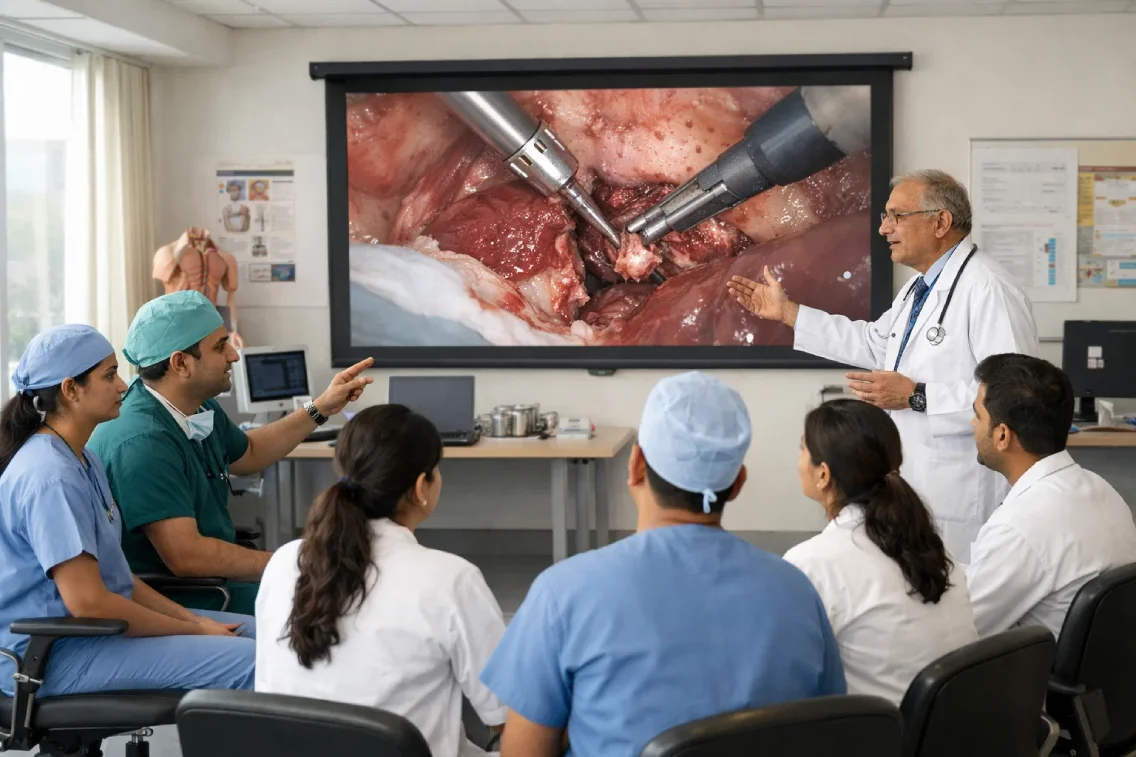
A key advantage of surgery videos for medical students is flexibility. Trainees can replay complex steps, pause during crucial moments, and focus on areas they find challenging. Whether it’s suturing, dissection, or instrument handling, repetitive viewing builds muscle memory and boosts procedural confidence.
2. Objective Self-Assessment and Improvement
Watching surgical education videos allows surgeons to review their own performance objectively. By observing their technique in slow motion or from multiple angles, they can identify subtle errors, improve ergonomics, and enhance patient safety. Peer review becomes more data-driven, fostering a culture of transparency and accountability.
3. Global Access to Surgical Expertise
Through online repositories and streaming platforms, learners gain exposure to global surgical standards. Surgical training online enables collaboration among professionals from different countries, bringing a broader perspective to case-based discussions and procedural methods.
4. Better Retention Through Visual Learning
Visual content stimulates long-term memory. Studies have shown that video-based learners retain up to 60% more procedural knowledge than those relying solely on text. Annotated and narrated surgical videos further reinforce key points, bridging the gap between theoretical and practical understanding.
5. Improved Collaboration and Peer Review
When hospitals and institutions maintain a shared surgery video library, doctors can collectively analyze, annotate, and discuss critical steps. This collaborative learning accelerates skill development and ensures consistent surgical standards across departments.
From accessibility to accuracy, these advantages demonstrate why visual education has become indispensable in modern medicine. Let’s see how MStudios is helping global institutions elevate their training quality through expert video editing.
MStudios: Elevating Surgical Education Through Expert Video Editing
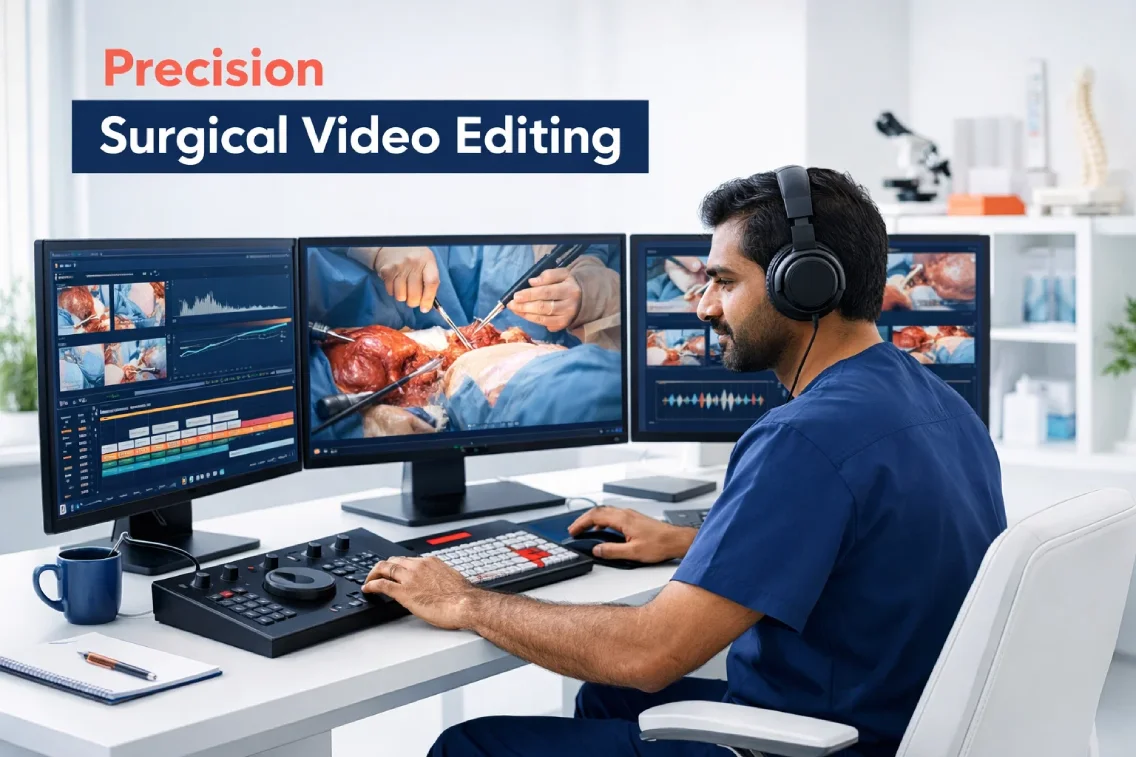
At Mayflower’s MStudios, surgical video editing isn’t just about visuals – it’s about creating a powerful learning experience for doctors and students worldwide. As one of India’s few specialized medical editing teams, MStudios bridges the gap between surgical expertise and educational storytelling. By transforming complex raw footage into structured surgical training videos, MStudios empowers medical professionals to teach, learn, and share knowledge with precision.
Professional Editing for Medical Learning
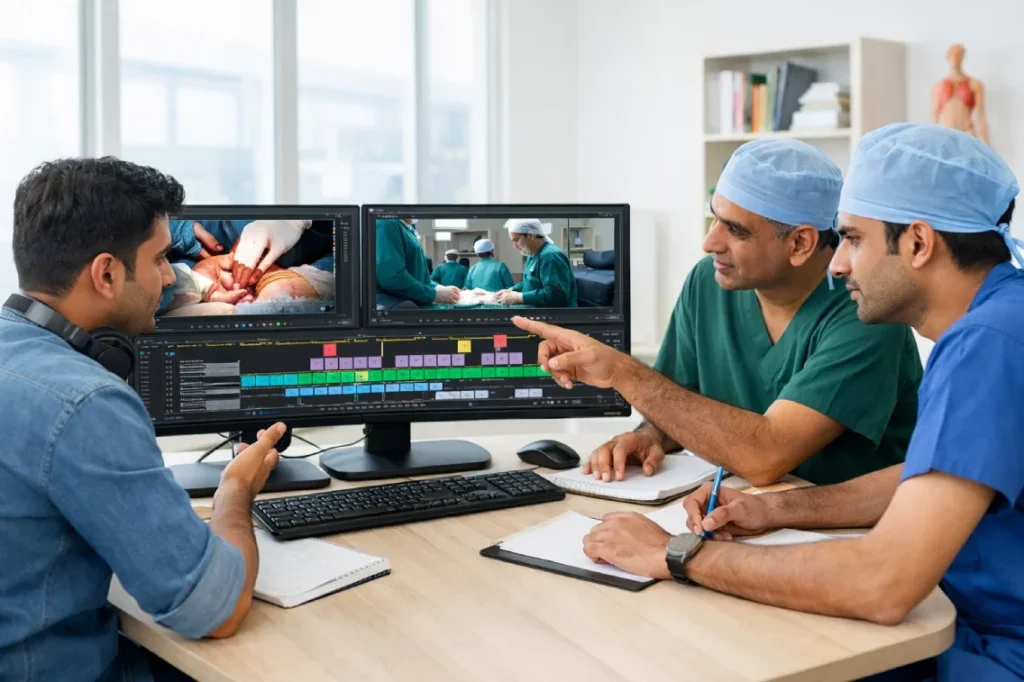
Every surgical procedure contains hundreds of moments – but only a few are truly instructive. MStudios focuses on those key learning points. Editors collaborate directly with surgeons to identify essential timestamps, ensuring the final cut includes only clinically relevant details. This process enhances comprehension while maintaining authenticity. The result: concise, impactful MStudios surgical education videos trusted by institutions and training centers worldwide.
Compliance and Patient Privacy
All videos are processed under strict ethical and medical compliance standards. Patient identities are masked, sensitive information is removed, and every frame adheres to confidentiality norms. This ensures that medical content is safe for training distribution without compromising trust or integrity.
Supporting Colleges and Hospitals Worldwide
From medical universities to super-specialty hospitals, MStudios assists organizations in creating, editing, and hosting surgical education videos for internal learning and academic programs. These partnerships allow institutions to build centralized repositories of knowledge that remain accessible to future generations of doctors.
Now that you understand how MStudios enhances education through editing expertise, let’s explore how you can create your own effective surgical training videos – from capture to final delivery.
How to Create Effective Surgical Training Videos
Creating impactful surgical training videos requires more than just recording an operation. It demands technical precision, educational focus, and editorial storytelling. Whether you’re a teaching hospital, a surgical educator, or a practicing doctor, the process below outlines how to transform routine procedures into meaningful learning resources.
Step 1 – Capture High-Quality Footage
Start with professional-grade equipment and proper lighting. High-resolution visuals are essential for demonstrating fine surgical techniques like tissue dissection, suturing, or cauterization. Position multiple cameras if possible – one for the operative field, another for the surgeon’s hand movements, and a third for instrument setup. This ensures comprehensive documentation from multiple angles.
Step 2 – Choose the Right Platform
Once recorded, the footage must be stored and managed securely. A reliable surgery video platform ensures confidentiality while providing structured access to authorized viewers. Hospitals often use encrypted cloud platforms or learning management systems (LMS) for hosting surgical videos safely.
Step 3 – Edit for Educational Flow
Editing is where the raw content becomes a structured learning asset. Trim redundant portions, zoom in on crucial moments, and add annotations or captions to highlight technique steps. Expert editing – like that provided by MStudios – converts complex sequences into concise, educationally sound videos that retain clinical accuracy.
Step 4 – Add Commentary and Subtitles
Narration helps contextualize each surgical move. Surgeons can add voiceovers or guided commentary to explain why specific steps are taken. Subtitles are also valuable for international learners or those with hearing impairments, expanding the video’s accessibility and inclusivity.
Step 5 – Build Secure Access Systems
Once finalized, distribute your surgical education videos through controlled channels. Maintain login-based access, watermark sensitive clips, and follow institutional review policies before publication. Security and ethical compliance build trust and longevity for educational repositories.
With these steps, institutions can build rich collections of reliable, high-quality educational content. Let’s now look at how hospitals can take it one step further – by developing an organized surgery video library for ongoing learning and collaboration.
Building a Surgery Video Library for Continuous Learning
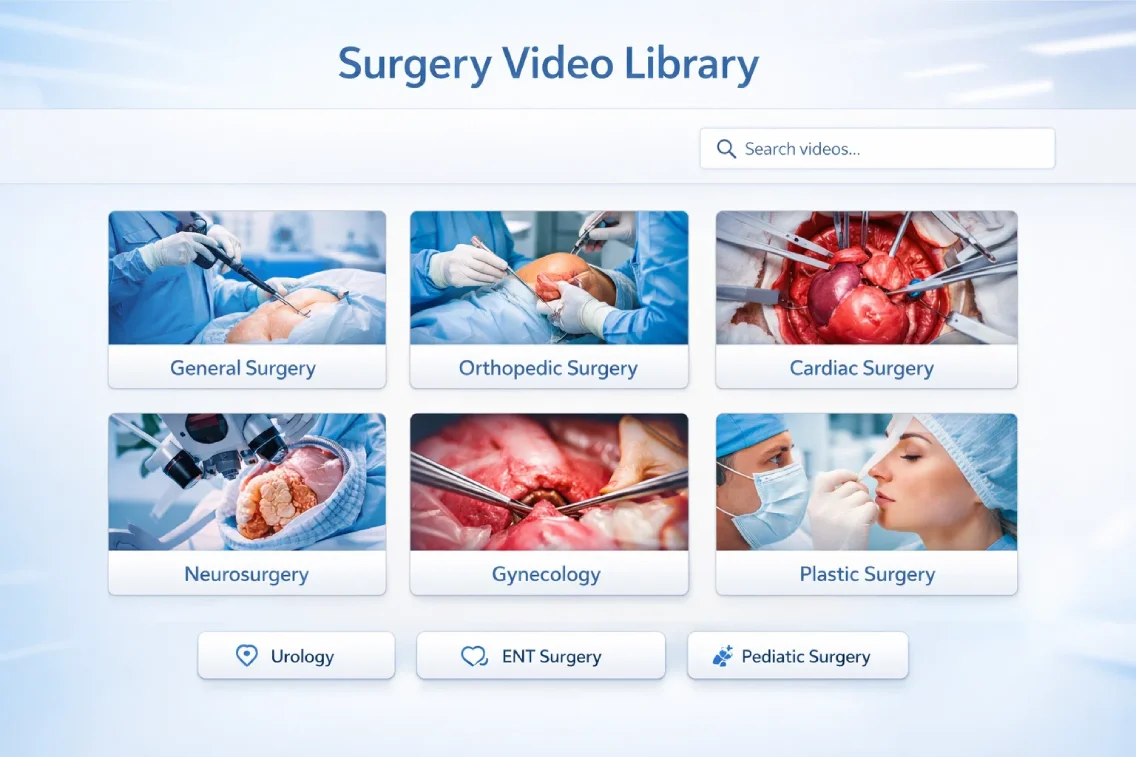
A well-organized surgery video library acts as a living archive of surgical expertise. For hospitals, universities, and teaching centers, it provides structured access to curated learning materials – each clip serving as a ready reference for revision, training, or academic collaboration. By consolidating edited surgical footage into categorized collections, institutions ensure that valuable procedural knowledge remains available for generations of learners.
Centralizing Knowledge for Long-Term Impact
Instead of storing surgical videos across multiple drives or systems, creating a unified surgical education video repository enables seamless access and version control. Libraries can be categorized by specialty – such as laparoscopic, gynecologic, orthopedic, or cardiac surgeries – making it easy for learners to find relevant content within seconds.
Institutional Collaboration and Peer Learning
When multiple departments contribute to the same database, it nurtures a culture of continuous learning. Doctors can review colleagues’ techniques, discuss alternate approaches, and annotate important moments directly within the platform. Shared learning accelerates professional growth and maintains uniform surgical standards across departments.
MStudios’ Role in Library Development
At MStudios, our team assists hospitals in building secure, cloud-based video libraries. We standardize formats, apply metadata tagging for searchability, and ensure videos comply with privacy regulations. The result is an efficient, searchable resource that helps institutions scale their educational infrastructure effectively.
As digital learning becomes the backbone of medical education, the future of surgical training online lies in intelligent, interactive systems – bringing surgeons and students together from across the world.
Future of Surgical Training – Online, Interactive, and Global
The future of surgical training online is fast evolving toward interactive, data-driven, and globally connected learning ecosystems. As medical education continues to embrace digital transformation, traditional learning boundaries are disappearing – enabling surgeons from different continents to collaborate in real time.
Virtual Classrooms and Live Streaming
High-definition streaming and interactive platforms now allow surgical residents to attend live operations remotely. They can ask questions, discuss procedural decisions, and analyze techniques alongside senior surgeons. These platforms create a global classroom where geographical limitations no longer restrict surgical exposure.
Artificial Intelligence and Analytics in Learning
AI-powered surgical training videos are becoming intelligent tutors. With machine learning algorithms, these systems can identify key steps, evaluate performance accuracy, and provide real-time feedback. Analytical dashboards also track viewing patterns, helping institutions assess how learners engage with content and where improvement is needed.
Collaborative Global Learning Communities
From North America to Asia, digital collaboration among medical institutions is creating an open exchange of knowledge. Global repositories of surgery videos for education now feature multilingual subtitles, peer-reviewed annotations, and region-specific best practices – turning surgical video learning into a truly international movement.
This global evolution proves that video-based education isn’t a passing trend – it’s the foundation of the next generation of surgical teaching. To understand its real impact, let’s look at how MStudios helped doctors enhance their training outcomes through professional video editing.
Case Example: How MStudios Helped Surgeons Enhance Training Outcomes
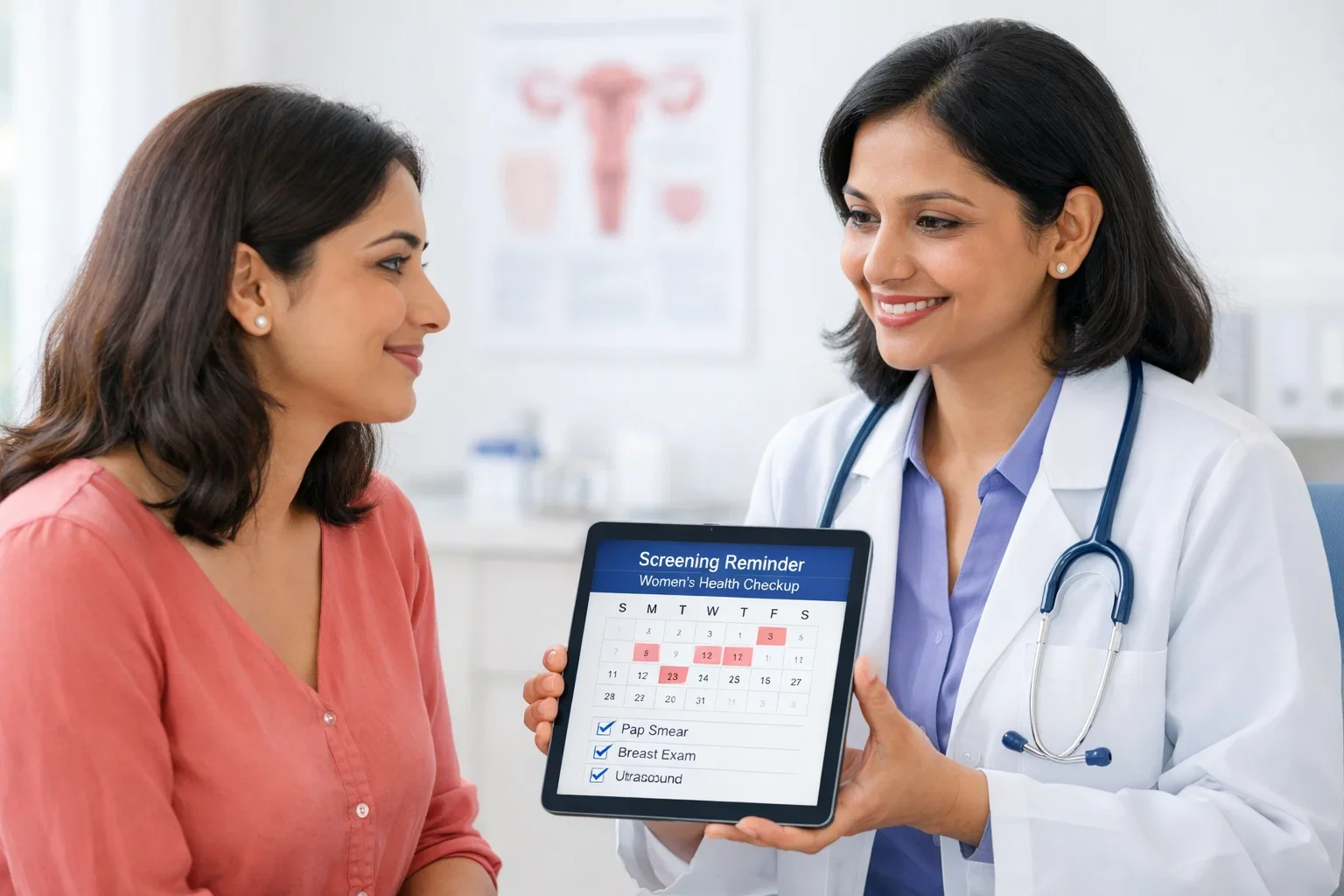
To understand the real impact of edited surgical videos, consider a recent collaboration between MStudios and a leading gynecologic surgery department in India. The team wanted to enhance their postgraduate training modules by creating clear, concise surgical education videos for complex laparoscopic procedures.
The Challenge
Before working with MStudios, the institution relied on unedited operation room footage that averaged 90–120 minutes per case. Students struggled to focus on the key surgical steps amid prolonged sequences and unclear visuals. The absence of structured commentary made it difficult to translate observation into actionable learning.
The MStudios Solution
MStudios’ editors worked closely with the hospital’s surgical faculty to segment raw footage into focused modules, each under 20 minutes. Non-essential frames were trimmed, while important steps were annotated and voiceovers were added for clinical explanation. Confidentiality measures ensured no patient-identifying details were visible. The outcome – a collection of expertly curated MStudios surgical education videos ready for internal LMS upload.
The Results
After implementation, the department reported:
- 2.8× increase in student engagement rates on their e-learning portal
- 40% improvement in comprehension scores in practical assessments
- Reduced average viewing time by 60% without loss of content quality
These measurable gains underscore how professional editing transforms surgical recordings into dynamic educational tools – delivering precision, compliance, and improved learning outcomes.
This success story exemplifies the educational potential of professional video editing in healthcare. Let’s now see how institutions can take similar advantage through MStudios’ collaboration and support.
Partner with MStudios for Global Surgical Learning
If you’re a medical educator, hospital, or surgeon looking to modernize your teaching methods, now is the time to harness the power of visual learning. MStudios specializes in crafting precise, compliant, and engaging surgical training videos that elevate your academic impact and enhance surgical education standards worldwide.
Every project is handled by a team that understands both the science of surgery and the art of storytelling. From raw footage to ready-to-publish educational modules, MStudios delivers clarity, quality, and professionalism that your institution can trust.
Partner with MStudios today to build a world-class repository of surgical education videos for your students and residents.
Contact MStudios Surgical Video Editing
FAQ
Surgical training videos are used to teach doctors and students about specific surgical techniques, instrument handling, and procedural steps in a clear, repeatable visual format.
Edited videos focus on the most critical surgical moments, remove distractions, and add educational annotations – making complex procedures easier to understand and remember.
Yes. When handled by professional editors like MStudios, all patient identifiers are removed, and compliance with privacy regulations ensures ethical sharing.
Medical colleges, hospitals, and verified platforms such as NEJM or MedEdPortal host peer-reviewed surgery videos for education accessible to registered users.
MStudios applies strict security protocols – including identity masking, data encryption, and institutional review – to ensure patient confidentiality across every project.