




What is vaginal rejuvenation? It is a broad term for medical and cosmetic treatments designed to enhance the function, comfort, and appearance of the female genital area. Among these treatments, labiaplasty has become one of the most sought-after procedures worldwide. Women may choose labiaplasty for different reasons; some seek relief from physical discomfort, while others want improved aesthetics or confidence in intimate settings.
Over the past decade, awareness around cosmetic gynecology has grown significantly in India and globally. Once considered a taboo subject, women are now openly discussing concerns related to intimate health and appearance. With advanced surgical techniques, labiaplasty today offers safe, effective, and lasting results when performed by experienced specialists.
This guide explains the labiaplasty procedure, its benefits, risks, recovery process, cost in India, and how it differs from vaginoplasty. By the end, you’ll have a clear understanding of whether this treatment may be right for you and how expert care at a trusted hospital can ensure safety and satisfaction.
What is Vaginal Rejuvenation?
Vaginal rejuvenation refers to a range of surgical and non-surgical treatments aimed at improving the health, function, and appearance of the vaginal area. These treatments are designed to address concerns that may arise after childbirth, aging, hormonal changes, or simply personal preference.
Some women experience looseness of the vaginal canal, dryness, or discomfort that affects daily activities and intimacy. Others may be more concerned about the external appearance of the vulva or labia. Vaginal rejuvenation procedures offer solutions for both functional and cosmetic concerns, helping women regain confidence and comfort.
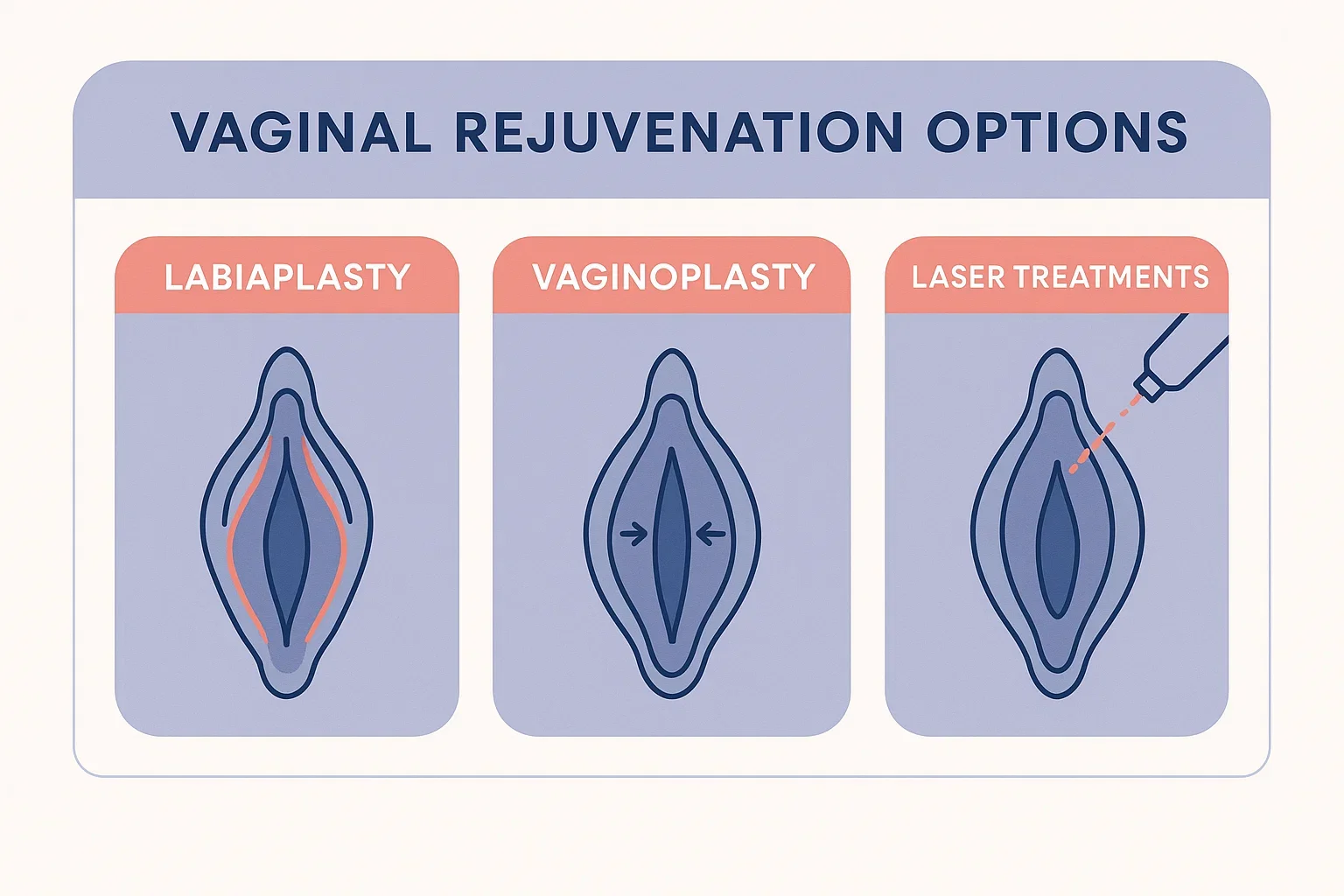
Common Types of Vaginal Rejuvenation
- Labiaplasty – reshaping or reducing the labia minora or majora for improved comfort and aesthetics.
- Vaginoplasty – tightening of the vaginal canal, often performed after childbirth or due to aging.
- Laser vaginal rejuvenation – non-surgical option using laser or radiofrequency energy to improve tightness and lubrication.
- Other non-surgical treatments – such as fillers, PRP therapy, or radiofrequency tightening.
Labiaplasty vs Vaginoplasty – Key Difference
While both fall under the umbrella of vaginal rejuvenation, they serve different purposes. Labiaplasty focuses on the labia (external folds), while vaginoplasty is performed internally to tighten the vaginal canal. In many cases, women may undergo one or a combination of these treatments, depending on their needs.
By understanding vaginal rejuvenation as a whole, it becomes easier to see how labiaplasty fits into this broader category of treatments.
What is Labiaplasty?
Labiaplasty is a surgical procedure that reshapes or reduces the size of the labia minora or labia majora, the folds of skin surrounding the vaginal opening. Many women consider this treatment part of vaginal rejuvenation when they seek improvement in comfort, function, or aesthetics.
While sometimes thought of as purely cosmetic, labiaplasty often has a strong functional purpose. For many women, enlarged or uneven labia can cause irritation during exercise, discomfort while wearing certain clothing, or pain during intimacy. A well-performed labiaplasty helps restore balance, comfort, and self-confidence.
Common Reasons Women Choose Labiaplasty
- Post-childbirth changes – after vaginal delivery, some women notice stretching or elongation of the labia.
- Genetic or natural variations – the labia naturally vary in size, shape, and symmetry; some women simply want refinement.
- Physical discomfort – rubbing, chafing, or pain during exercise, cycling, or intercourse.
- Aesthetic concerns – desire for a smoother or more balanced appearance.
Labiaplasty vs the “Designer Vagina” Myth
The term “designer vagina” is often used in the media but can be misleading. Labiaplasty is not about creating unrealistic standards; it is a medical procedure tailored to individual needs. Its focus is on relieving discomfort, improving symmetry, and helping women feel more confident, not on following a “one-size-fits-all” look.
When guided by an experienced gynecologist, labiaplasty prioritizes function, safety, and natural results.
The Labiaplasty Procedure Explained
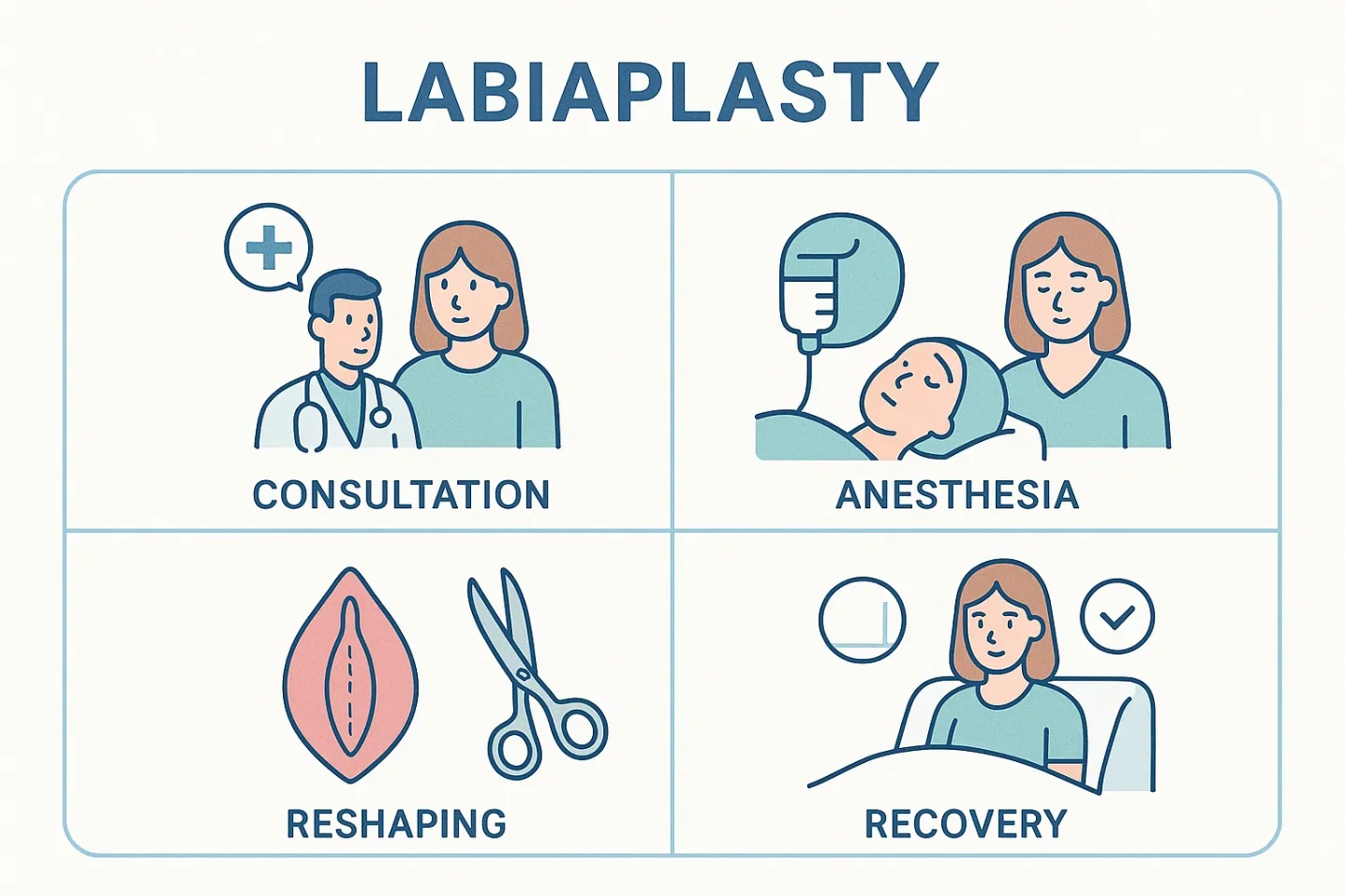
Before deciding on surgery, every woman undergoes a detailed consultation with a qualified gynecologist or cosmetic surgeon. This step ensures the treatment plan is safe, realistic, and personalized.
Pre-Surgery Consultation
- Medical evaluation – doctors assess overall health, discuss medical history, and review any ongoing medications.
- Understanding expectations – patients are encouraged to share their concerns and desired outcomes.
- Informed consent – doctors explain possible outcomes, risks, and recovery, ensuring the patient feels fully prepared.
Types of Labiaplasty Techniques
Different surgical approaches may be used depending on anatomy and goals:
- Trim method – excess tissue is trimmed along the edge of the labia for a neat contour.
- Wedge method – a small V-shaped wedge of tissue is removed from the central labia, preserving natural edges.
- Laser-assisted labiaplasty – uses laser for precise cutting, minimal bleeding, and faster healing.
Each technique has its pros and cons, and the choice depends on the surgeon’s recommendation and patient’s anatomy.
Step-by-Step Procedure (Simplified)
- Anesthesia – usually local anesthesia with sedation; sometimes general anesthesia if needed.
- Incision and reshaping – surgeon removes or reshapes excess tissue based on chosen technique.
- Suturing – dissolvable stitches are used for closure to promote healing.
- Post-surgical dressing – area is carefully dressed, and the patient is monitored before discharge.
The procedure typically takes 1 to 2 hours and is performed as a day-care surgery, meaning most patients can go home the same day.
Benefits of Labiaplasty
Labiaplasty offers more than just cosmetic enhancement. For many women, the procedure brings relief from physical discomfort while also improving emotional well-being. When performed by an experienced surgeon, the results can be both functional and aesthetic.

Physical Comfort Benefits
One of the most common reasons women seek labiaplasty is relief from discomfort. Enlarged or asymmetrical labia can cause:
- Irritation during exercise (running, cycling, yoga).
- Pain while wearing tight clothing such as leggings or swimwear.
- Friction and discomfort during sexual intercourse.
By reshaping the labia, labiaplasty helps restore comfort in daily life and physical activities.
Aesthetic and Psychological Benefits
Many women desire a more balanced or youthful appearance. Labiaplasty can:
- Create improved symmetry between the labia.
- Enhance self-confidence in intimate relationships.
- Reduce self-consciousness in clothing like swimsuits or gym wear.
The boost in self-esteem often extends beyond appearance, positively influencing quality of life.
Functional Improvements
For some, labiaplasty improves hygiene and genital health. Excess tissue can trap moisture and bacteria, leading to recurrent infections or irritation. By reducing redundant folds, the procedure may lower these risks.
Additionally, smoother contours make intimate hygiene easier, providing a long-term functional benefit.
Long-Term Satisfaction Rates
Clinical studies show that labiaplasty has a high patient satisfaction rate. Most women report improvements in both comfort and confidence, with results lasting for years. While expectations must remain realistic, proper counseling and skilled surgical care ensure durable outcomes.
Risks and Possible Side Effects of Labiaplasty
Like any surgical procedure, labiaplasty carries certain risks. Choosing a qualified gynecologist or cosmetic surgeon helps minimize complications and ensures safe recovery. Being informed about potential side effects allows patients to prepare and set realistic expectations.
Common Labiaplasty Risks
- Infection or bleeding – rare when proper sterilization and aftercare are followed.
- Asymmetry – while surgeons aim for balance, slight differences between the labia may remain.
- Changes in sensitivity – temporary numbness or heightened sensitivity may occur during recovery.
- Swelling and bruising – typically resolve within a few weeks.
Is Labiaplasty Painful?
Many women wonder if the procedure is painful. During surgery, anesthesia ensures no pain is felt. Afterward, mild to moderate discomfort is common for the first few days, but this is usually managed with prescribed medication and cold compresses. Most patients find the discomfort tolerable and short-lived.
Labiaplasty Scars – Myths vs Reality
Because surgeons use fine dissolvable stitches and natural skin folds for incisions, visible scars are minimal. With proper healing, most scars become nearly invisible over time. Following post-surgery care instructions is key to reducing scar visibility and ensuring smooth results.
How to Reduce Risks
- Choosing an experienced, board-certified surgeon.
- Following all pre-surgery guidelines (e.g., avoiding smoking, stopping certain medications).
- Practicing diligent post-operative care to prevent infection and swelling.
With these precautions, labiaplasty remains a safe and effective procedure for the majority of women.
Recovery and Healing After Labiaplasty

Recovery plays a crucial role in achieving the best results from labiaplasty. While the procedure is relatively short, healing takes time and requires proper aftercare. Most women can resume normal routines within a few weeks, but complete recovery may take longer.
Immediate Aftercare (First 24–48 Hours)
- Rest is essential to reduce swelling.
- Cold compresses or ice packs may be applied as directed.
- Mild discomfort or stinging is normal and managed with medication.
- Avoid tight clothing to prevent friction.
Labiaplasty Healing Timeline
- Week 1: Swelling and bruising are most noticeable but begin to improve. Walking is possible, but strenuous activity should be avoided.
- Week 2–3: Stitches start dissolving; most discomfort subsides. Light daily activities can be resumed.
- Week 4–6: Significant healing occurs. Many women return to exercise and normal routines.
- Week 6–8: Full healing is usually achieved. Sexual activity can typically be resumed after medical clearance.
Lifestyle Adjustments During Recovery
- Avoid swimming pools, hot tubs, and baths for the first few weeks.
- Wear loose, breathable clothing to minimize irritation.
- Keep the area clean and dry as per medical instructions.
- Delay activities such as cycling, running, or intimacy until cleared by the surgeon.
Labiaplasty Before and After – Realistic Expectations
While swelling may make results less visible in the early weeks, gradual healing reveals smoother contours and improved symmetry. Patients often notice enhanced comfort during physical activity and greater confidence in appearance once healing is complete.
Photographs are sometimes taken during consultations to compare before and after results, but outcomes vary based on anatomy and healing. Setting realistic expectations and maintaining patience are key to satisfaction.
Labiaplasty vs Vaginoplasty: Key Differences
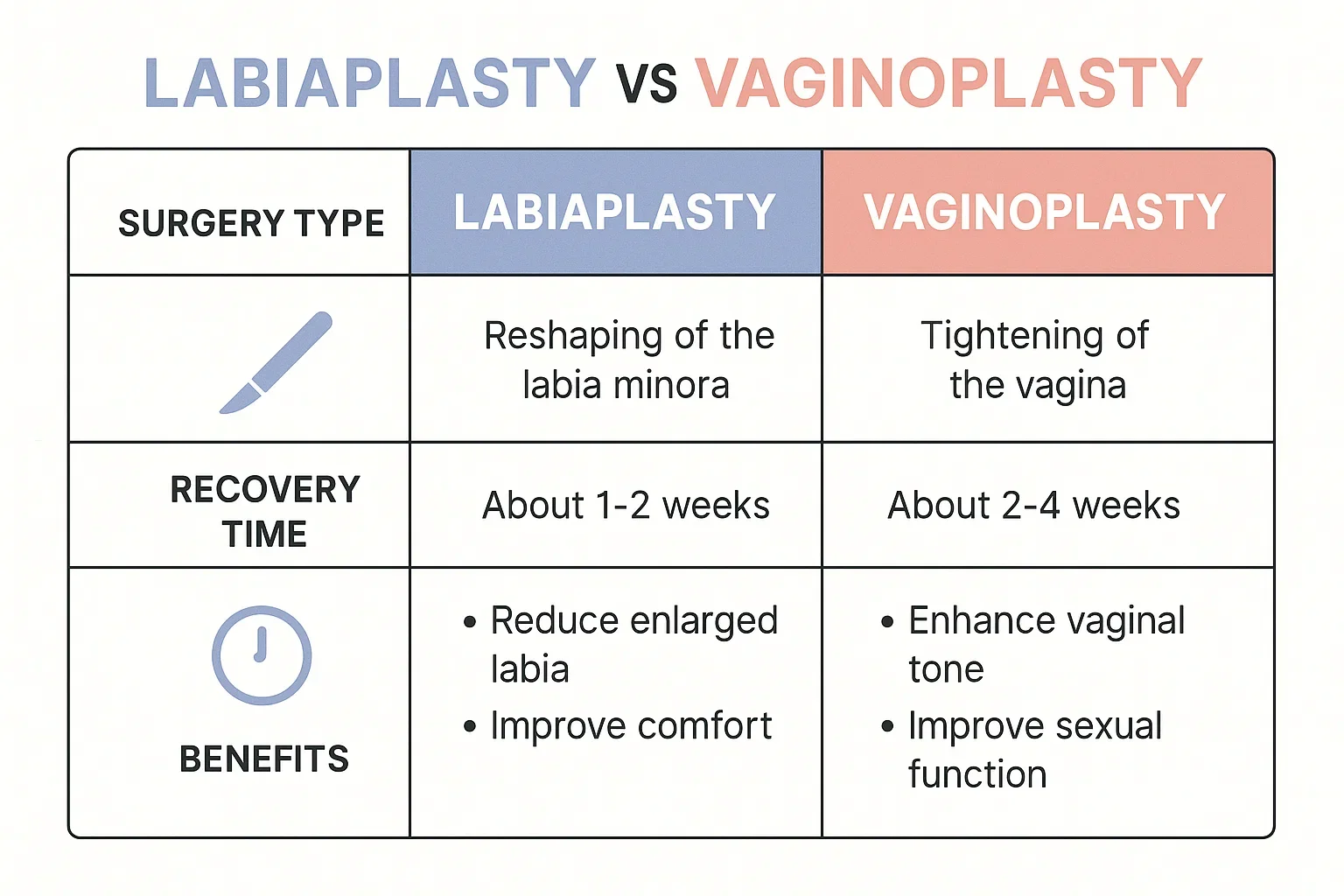
Although often grouped together under vaginal rejuvenation,labiaplasty and vaginoplasty are two distinct procedures. Understanding their differences helps women make informed decisions based on personal needs.
Purpose and Target Area
- Labiaplasty – focuses on reshaping the external labia (minora or majora). Its goal is to reduce discomfort, improve aesthetics, and enhance confidence.
- Vaginoplasty – tightens the vaginal canal internally, often recommended for women experiencing looseness after childbirth or aging.
Procedure Details
- Labiaplasty: Outpatient surgery, usually 1–2 hours, performed under local or general anesthesia.
- Vaginoplasty: More extensive surgery, typically requiring general anesthesia and a longer recovery period.
Recovery and Healing
- Labiaplasty: Healing within 6–8 weeks; most women resume daily activities sooner.
- Vaginoplasty: Recovery may take 8–12 weeks; restrictions on lifting and intercourse are longer.
Benefits in Comparison
- Labiaplasty: Improves comfort in clothing, exercise, and aesthetics.
- Vaginoplasty: Enhances tightness, sexual function, and pelvic support.
Comparison Table
| Feature | Labiaplasty | Vaginoplasty |
|---|---|---|
| Target area | Labia (external) | Vaginal canal (internal) |
| Duration | 1–2 hours | 2–3 hours |
| Anesthesia | Local/General | General |
| Recovery time | 6–8 weeks | 8–12 weeks |
| Main purpose | Comfort, aesthetics | Tightening, function |
| Hospital stay | Day-care | May require overnight stay |
Both procedures can be done separately or combined if needed. A consultation with a skilled gynecologist is essential to decide which option is most suitable.
Labiaplasty Cost in India
For many women, the decision to undergo labiaplasty also involves understanding the financial aspects of the procedure. The labiaplasty cost in India is more affordable compared to many Western countries, which makes it a popular choice for both local patients and international medical tourists.
Average Cost Range
On average, labiaplasty in India costs between ₹40,000 and ₹130,000. The exact price depends on several factors, such as the city, hospital, and complexity of the procedure. Compared to countries like the USA or UK, where the same procedure may cost several lakhs, India offers a cost-effective alternative without compromising quality.
Factors Affecting Labiaplasty Cost
- Hospital facilities: Premium hospitals with advanced surgical setups may charge higher fees.
- Surgeon’s expertise: Board-certified and highly experienced surgeons may have higher consultation and surgical fees.
- Type of procedure: Laser-assisted or complex cases may cost more than standard techniques.
- Additional services: Pre-operative tests, medications, and post-operative care add to the overall package.
Why Cost Transparency Matters
Patients should avoid choosing a hospital or clinic based solely on price. Instead, they should consider:
- Quality of medical care.
- Availability of post-surgery follow-up.
- Safety protocols followed by the hospital.
Transparent discussions about costs during consultation help avoid hidden expenses and build trust.
Medical Tourism Angle
India is recognized globally for offering high-quality cosmetic gynecology procedures at affordable rates. With skilled surgeons, modern facilities, and competitive prices, women traveling for medical tourism often combine treatment with recovery in a supportive environment.
Choosing the Right Specialist for Labiaplasty
The success of a labiaplasty depends heavily on the expertise of the surgeon and the quality of the medical facility. Since the procedure involves intimate anatomy, it requires precision, sensitivity, and specialized training.
What to Look for in a Labiaplasty Surgeon
- Board certification: Ensure the doctor is a certified gynecologist or cosmetic surgeon with advanced training in vaginal rejuvenation.
- Experience: Ask about the number of labiaplasty procedures performed and their success rates.
- Patient reviews: Feedback from previous patients offers valuable insight into care and outcomes.
- Comfort level: The ability to openly discuss concerns with the surgeon is essential.
Importance of Hospital Facilities and Aftercare
A safe hospital environment ensures proper infection control, anesthesia support, and advanced surgical equipment. Post-surgery care, including follow-up visits and patient education, plays a vital role in achieving the best healing outcomes.
Why Mayflower Hospital is Trusted for Cosmetic Gynecology
At Mayflower Hospital, women receive comprehensive care in a compassionate, confidential setting. The hospital offers:
- Experienced gynecologists specializing in cosmetic procedures.
- State-of-the-art surgical facilities with strict safety standards.
- Individualized treatment plans focusing on both function and aesthetics.
- Post-operative support and guidance for smooth recovery.
By combining medical expertise with patient-centered care, Mayflower ensures women feel safe, supported, and confident in their decisions.
Labiaplasty Before and After: Realistic Expectations
One of the most important parts of planning for labiaplasty is setting realistic expectations. While the procedure can significantly improve comfort and appearance, outcomes vary depending on anatomy, healing ability, and surgical technique.
Psychological Readiness
Labiaplasty is not only a physical change but also an emotional journey. Patients should:
- Be clear about their goals.
- Avoid seeking “perfection” or comparison with unrealistic standards.
- Understand that results are intended to enhance natural appearance, not completely change it.
Role of Patient Counseling
Pre-surgical counseling helps patients understand both benefits and limitations. At this stage, the surgeon may:
- Share before-and-after images of previous patients (with consent).
- Explain the healing timeline and what temporary swelling may look like.
- Emphasize that final results are visible only after complete healing (6–8 weeks).
Visual Expectations vs Reality
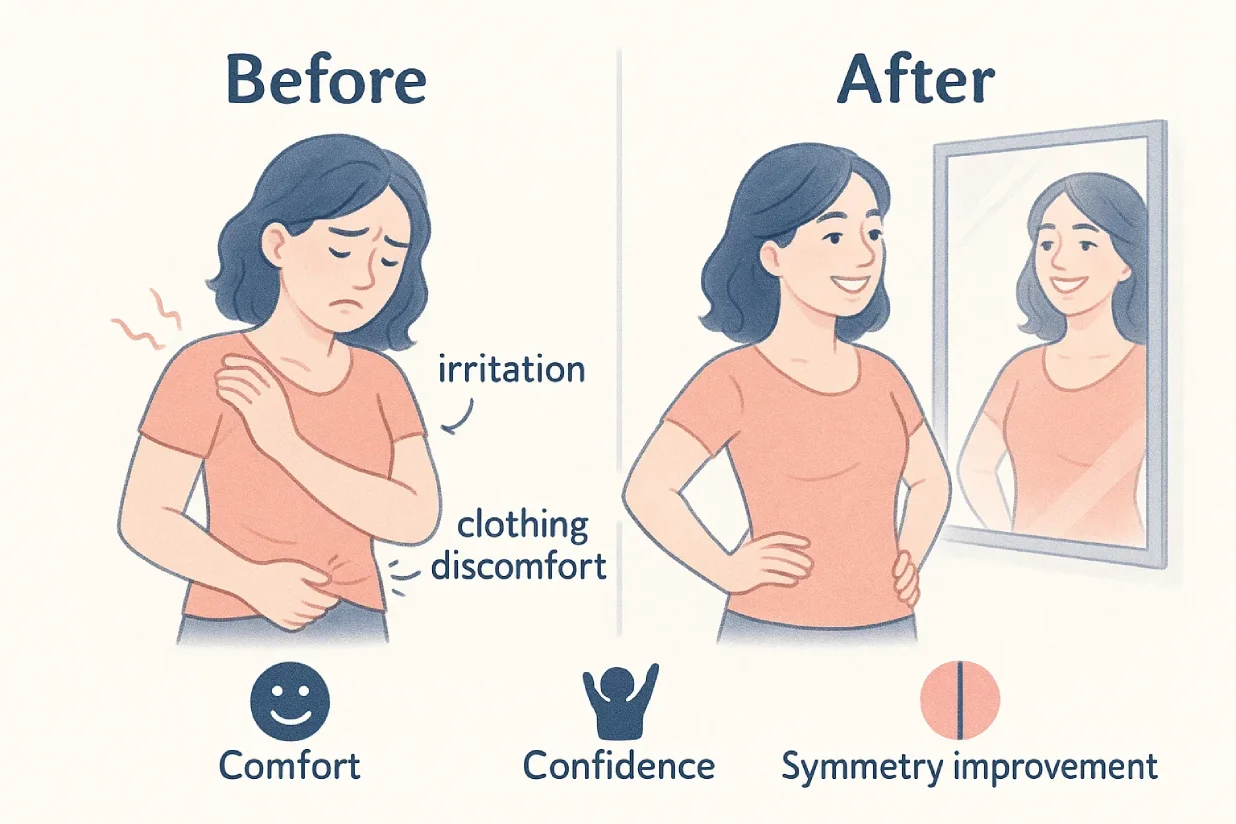
- Before surgery: Women may experience discomfort, asymmetry, or dissatisfaction with appearance.
- After surgery: Most report smoother contours, reduced discomfort, and greater self-confidence.
- Healing journey: Early swelling may temporarily mask results, but gradual improvement leads to long-term satisfaction.
Emotional Benefits After Surgery
Beyond the physical results, many women notice:
- Improved confidence in clothing choices.
- Greater comfort during exercise or intimacy.
- Reduced anxiety about appearance in personal relationships.
When expectations are realistic and guided by expert consultation, labiaplasty before and after results often bring meaningful improvement in both daily life and self-esteem.
Alternatives to Labiaplasty
While labiaplasty is a safe and effective surgical option, some women may prefer non-surgical treatments. These alternatives focus on improving vaginal comfort, appearance, or tightness without undergoing surgery. However, results are often temporary and may not be as dramatic as surgical procedures.
Non-Surgical Vaginal Rejuvenation Options
- Laser vaginal rejuvenation: Uses controlled laser energy to stimulate collagen, improve elasticity, and enhance lubrication.
- Radiofrequency therapy: Tightens tissues using radio waves, offering mild to moderate improvements.
- Platelet-rich plasma (PRP) therapy: Injections of growth factors from a woman’s own blood, aimed at enhancing sensitivity and rejuvenation.
- Dermal fillers: Occasionally used to restore volume in the labia majora.
When Non-Surgical Treatments May Help
- Women seeking minor tightening rather than significant reshaping.
- Those looking for a quick recovery option without surgery.
- Patients wanting to improve vaginal dryness or mild discomfort.
Limitations of Non-Surgical Options
- Results are usually temporary and may require multiple sessions.
- They cannot correct large asymmetry or excess tissue, which requires surgical intervention.
- Cost can add up with repeated treatments.
Choosing Between Surgical and Non-Surgical Options
The choice depends on the woman’s concerns, goals, and medical history. During consultation, a gynecologist helps determine whether non-surgical vaginal rejuvenation is sufficient or whether labiaplasty is the better solution.
Conclusion
Labiaplasty is more than a cosmetic choice; it is a treatment that can improve comfort, restore confidence, and enhance quality of life. For women experiencing discomfort during exercise, intimacy, or daily routines, or for those seeking a more balanced appearance, labiaplasty provides a safe and effective solution when performed by experienced specialists.
As part of broader vaginal rejuvenation, labiaplasty stands out for addressing both functional and aesthetic needs. While risks exist, careful selection of a skilled surgeon and adherence to post-operative care significantly reduce complications. With proper counseling, realistic expectations, and a supportive hospital environment, most women experience long-term satisfaction.
At Mayflower Hospital, labiaplasty and other cosmetic gynecology procedures are carried out with the highest standards of care, ensuring safety, privacy, and compassionate support. Whether exploring surgical or non-surgical options, women can trust that their intimate health and well-being are in expert hands.
FAQs on Labiaplasty
Yes. When performed by a qualified gynecologist or cosmetic surgeon in a hospital setting, labiaplasty is considered a safe procedure. Complications are rare and can be minimized with proper aftercare.
Most women can resume light daily activities within 1–2 weeks. Complete recovery, including a return to exercise and intimacy, usually takes 6-8 weeks.
Surgeons use fine, dissolvable stitches along natural skin folds, which makes scars barely visible. With proper healing, most women notice little to no scarring.
• Labiaplasty reshapes the labia (external folds).
• Vaginoplasty tightens the vaginal canal (internal).
Both may be done separately or combined, depending on patient needs.
The average cost ranges from ₹40,000 to ₹90,000, depending on the hospital, surgeon’s expertise, and procedure type. Always confirm with your hospital for an accurate estimate.
During surgery, anesthesia ensures there is no pain. Afterward, mild soreness or discomfort is common, but it usually subsides within a few days and is managed with prescribed medication.
No. Labiaplasty does not interfere with sexual function. In fact, many women report improved comfort and confidence during intimacy once healing is complete.
Doctors may advise stopping certain medications, avoiding smoking, and arranging for someone to accompany you home after surgery. Pre-operative tests may also be required.
Yes. Some women undergo combined vaginal rejuvenation procedures for both functional and cosmetic reasons. Your surgeon will advise if a single or staged approach is best.
Most women return to light desk work within a week. Jobs involving heavy lifting, physical activity, or long hours on the feet may require a longer break.