






Menstrual irregularities are among the most common yet often ignored signs of underlying hormonal imbalance in women. A normal menstrual cycle typically lasts between 21 to 35 days, but when your periods come too early, too late, or skip altogether, it may point to deeper concerns related to your reproductive, thyroid, or metabolic health. At Mayflower Hospital, our gynecology experts emphasize that even subtle changes in your cycle pattern deserve medical attention – because your period is more than just a monthly routine; it’s a mirror of your overall health.
While occasional fluctuations are normal, frequent or prolonged irregular periods can be caused by stress, hormonal disorders like PCOS, or thyroid conditions. Understanding these changes and knowing when to consult a gynecologist helps prevent long-term complications, especially for women in their reproductive and pre-menopausal years.
Understanding Menstrual Irregularities
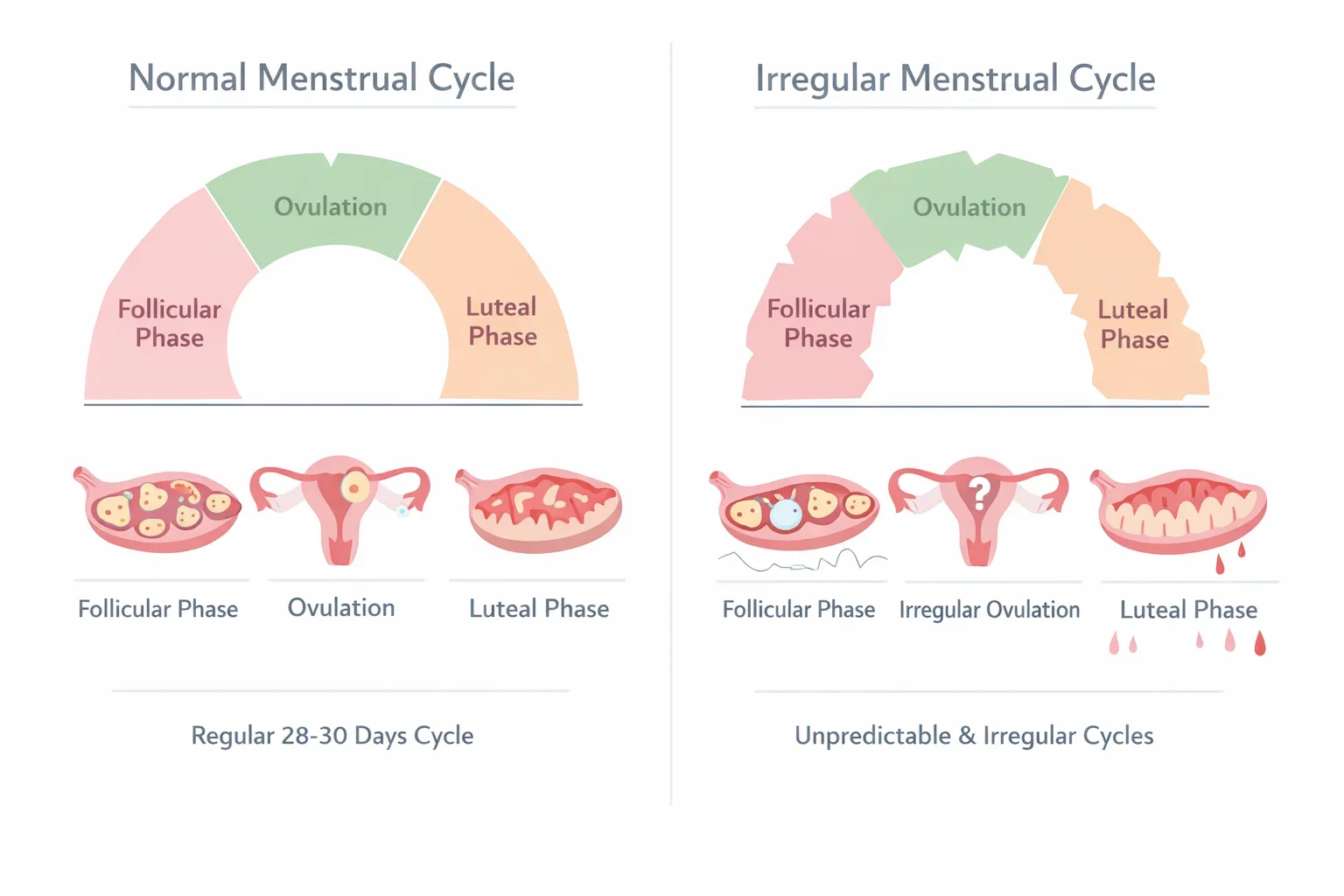
What Is a Normal Menstrual Cycle?
A normal menstrual cycle is typically 21 to 35 days long, counted from the first day of one period to the first day of the next. In a balanced cycle, hormones such as estrogen and progesterone work in harmony to prepare the uterus for a possible pregnancy and trigger the shedding of its lining when conception doesn’t occur. The duration and flow can vary slightly, but if your pattern remains generally predictable, your cycle is considered regular.
Minor variations of a few days are common and often influenced by changes in sleep, travel, or stress. However, cycles that are consistently shorter than 21 days or longer than 35 days, or if you frequently skip periods altogether, fall under the category of menstrual irregularities.
What Qualifies as Irregular Periods?
Irregular periods are defined as changes in the length, flow, or timing of your menstruation that deviate from your usual rhythm. These may include lighter or heavier bleeding than normal, spotting between periods, or complete absence of menstruation for several months (amenorrhea). In some women, the cycle becomes unpredictable – sometimes arriving twice a month or skipping for long intervals.
Irregularity becomes clinically significant when it persists for three or more cycles or is accompanied by symptoms like fatigue, hair loss, acne, pelvic pain, or unexplained weight fluctuations. Recognizing these early signals allows you to take preventive steps before hormonal imbalances impact fertility or overall health.
Once you understand what’s normal versus irregular, the next step is to explore why these changes happen – from hormonal disruptions to lifestyle influences.
Causes of Irregular Periods
Hormonal Imbalances
Hormones such as estrogen and progesterone control your menstrual rhythm. When these fluctuate due to puberty, perimenopause, or medical conditions, the balance is disrupted – resulting in menstrual irregularities. A drop or surge in hormones can delay ovulation or cause missed periods, heavy bleeding, or spotting between cycles. Managing these imbalances early helps restore a healthy menstrual cycle and prevent long-term reproductive issues.
Polycystic Ovary Syndrome (PCOS)
One of the leading causes of irregular periods is PCOS (Polycystic Ovary Syndrome), a hormonal condition where the ovaries produce excess androgens, disrupting normal ovulation. Women with irregular periods PCOS often notice weight gain, acne, and excessive hair growth. Over time, unregulated PCOS may also affect fertility and metabolic health. With timely diagnosis and treatment, regular cycles can be restored, significantly improving quality of life.

Stress and Lifestyle Triggers
Your mind and body are deeply connected. Emotional stress, anxiety, or sudden lifestyle changes can interfere with the brain’s regulation of reproductive hormones. This explains why stress can cause irregular periods or even lead to a temporary absence of menstruation. Chronic lack of sleep, over-exercise, or skipping meals further aggravate hormonal fluctuations. Regular relaxation, mindfulness, and balanced routines are key to restoring menstrual rhythm.
Weight Fluctuations and Nutrition
Significant weight gain or loss affects estrogen production. Very low body fat may suppress ovulation, while obesity can increase estrogen levels, causing unpredictable bleeding. Poor nutrition or eating disorders can further worsen irregular cycles. Maintaining a healthy BMI and balanced diet is crucial for hormone stability and predictable menstrual patterns.
Thyroid Disorders
The thyroid gland, though small, plays a major role in reproductive health. Both hypothyroidism (underactive) and hyperthyroidism (overactive) can lead to thyroid and irregular periods. Women may experience delayed menstruation, heavy flow, or shorter cycles. Early blood testing for thyroid hormones can help correct these imbalances through medication or diet adjustments.
Medical Conditions and Medications
Certain chronic conditions – such as diabetes, endometriosis, or pituitary disorders – can affect hormonal regulation. Additionally, some contraceptive pills, steroids, or antidepressants alter cycle patterns temporarily. Informing your gynecologist about all ongoing medications ensures accurate diagnosis and treatment planning.
Different age groups experience menstrual changes for unique reasons. Let’s see how irregular periods in your 20s and 30s differ from those in later stages of life.
Causes of Irregular Periods in Your 20s and 30s
Your 20s and 30s are decades of hormonal transitions, lifestyle pressures, and reproductive milestones. During this time, even minor stressors or health changes can influence your menstrual pattern. While one or two missed cycles are usually harmless, consistent irregular periods in your 20s could indicate hormonal imbalance or emerging reproductive disorders. Understanding these triggers helps women seek timely intervention and maintain long-term menstrual health.
Stress, Career Pressure, and Lifestyle Changes
Busy schedules, academic or work stress, and irregular sleep can disrupt hormone balance. Cortisol – the body’s stress hormone – can suppress ovulation, making periods delayed or unpredictable. Skipping meals or overexercising further intensifies the disruption. Managing stress through mindfulness, proper rest, and nutrition can restore menstrual stability.
Hormonal Contraceptives and Birth Control
Oral contraceptive pills, hormonal patches, and intrauterine devices (IUDs) may cause temporary irregularities as your body adjusts to synthetic hormones. In most cases, cycles normalize within a few months of consistent use or after discontinuation. Always consult a gynecologist before switching or stopping hormonal contraception to ensure safety and predictability.
Weight Fluctuations and Nutrition Deficiencies
Frequent dieting, excessive exercise, or sudden weight changes – common in younger women – can disturb estrogen production. Low iron, vitamin D, or B12 levels can also impact ovulation, leading to missed or late periods. Maintaining a healthy BMI and nutrient-rich diet helps support a regular cycle and balanced hormone function.
Thyroid and Early PCOS Detection
In your 20s and early 30s, underlying issues like thyroid disorders or early-stage PCOS often surface as irregular cycles. Women may also experience symptoms like acne, fatigue, or unexplained weight changes. A gynecologist can diagnose these through hormone panels and ultrasound imaging, ensuring early management before complications arise.
When to Take Irregularity Seriously
If your cycle remains unpredictable for more than three months, or if you experience severe cramps, clotting, or heavy bleeding, it’s time to consult a specialist. Ignoring repeated irregularities can increase the risk of infertility, anemia, and hormonal imbalance.
While occasional missed periods may seem harmless, persistent irregularity demands medical evaluation. Next, let’s look at when it’s necessary to consult a doctor and what symptoms should never be ignored.
When to See a Doctor for Irregular Periods
Many women ignore their irregular periods, assuming they’re just temporary fluctuations. However, if the changes persist or are accompanied by pain, fatigue, or abnormal bleeding, it could indicate an underlying hormonal or reproductive condition. Recognizing when to see a doctor for irregular periods ensures timely diagnosis and treatment before complications develop.
Warning Signs That Require Medical Attention
You should schedule a consultation with a gynecologist if you experience:
- Absence of menstruation for more than three months (unless pregnant)
- Extremely heavy or prolonged bleeding (lasting over 7 days)
- Severe menstrual cramps or pelvic pain
- Bleeding or spotting between periods
- Sudden cycle changes after years of regularity
- Symptoms of hormonal imbalance such as acne, hair fall, or weight fluctuations
These signs may point to PCOS, thyroid dysfunction, uterine fibroids, or endometrial disorders – all of which benefit from early diagnosis and management.
Why Timely Consultation Matters
Delaying medical evaluation can lead to several health risks such as infertility, anemia from excessive bleeding, or hormonal complications that worsen over time. At Mayflower Hospital, our team of gynecology specialists uses advanced diagnostic methods – such as ultrasound, hormonal profiling, and thyroid assessments – to uncover the root cause of menstrual changes. Personalized treatment helps restore your cycle while improving overall reproductive wellness.
When Irregular Periods May Be Urgent
Certain symptoms require immediate medical attention. Seek emergency help if you experience:
- Heavy bleeding soaking through multiple pads in an hour
- Dizziness, fainting, or fatigue linked to blood loss
- Persistent abdominal pain with fever or nausea
These could indicate infection, anemia, or uterine complications needing prompt intervention.
While irregular periods may seem concerning, they don’t always mean infertility. Let’s explore how menstrual irregularities influence conception and what you can do if you’re trying to get pregnant.
Can Irregular Periods Affect Fertility?
One of the most common questions women ask their gynecologist is – “Can I get pregnant with irregular periods?” The short answer is yes, but conception can take longer or require medical support. Regular menstrual cycles indicate consistent ovulation, which is essential for pregnancy. When cycles are irregular, ovulation may be unpredictable or absent altogether, making it harder to identify fertile days.
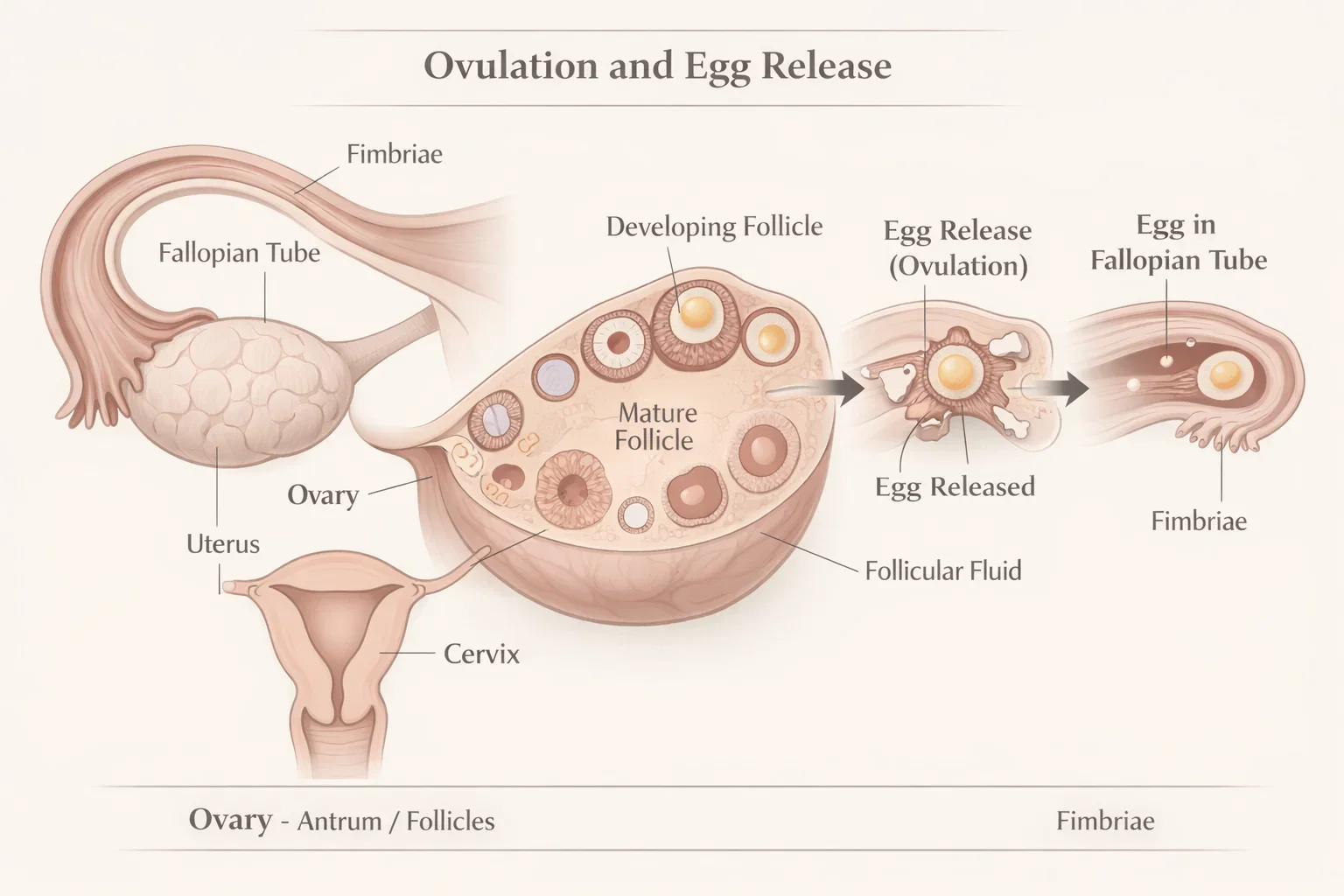
The Connection Between Ovulation and Menstrual Regularity
A woman’s fertility depends on timely ovulation – the release of an egg each month. If ovulation doesn’t occur due to hormonal imbalance, PCOS, thyroid issues, or stress, the uterus doesn’t prepare for pregnancy properly. Women with irregular periods PCOS often face ovulatory delays or anovulation (no egg release). This not only affects fertility but can also cause long-term metabolic concerns if left untreated.
How PCOS and Hormonal Imbalance Influence Fertility
In PCOS, higher levels of androgens interfere with the normal release of eggs from the ovaries. Similarly, thyroid disorders can affect ovulation and luteal phase stability. The good news? With proper diagnosis, medication, and lifestyle modifications, these issues are reversible. Treatments such as ovulation induction, hormonal therapy, and weight management can restore normal cycles and improve conception chances.
When to Seek Fertility Evaluation
If you’ve been trying to conceive for six months to a year without success and your cycles remain unpredictable, it’s best to seek fertility evaluation. At Mayflower Hospital, our reproductive specialists assess ovulation patterns, hormonal balance, and uterine health through advanced diagnostics. Early intervention often results in successful conception with minimal treatment.
Emotional Impact and Holistic Support
Irregular cycles and fertility challenges can be emotionally exhausting. Mayflower Hospital integrates counseling and stress-management programs to help women cope mentally while undergoing treatment. This holistic approach ensures both physical and emotional readiness for conception.
Now that we understand the fertility link, let’s explore how Mayflower Hospital’s expert gynecology team diagnoses and manages menstrual irregularities to help women regain their rhythm and confidence.
Diagnosis and Treatment at Mayflower Hospital
At Mayflower Hospital, menstrual irregularities are approached with compassion, precision, and evidence-based care. Every woman’s body and cycle are unique, so our gynecologists begin with a detailed evaluation to identify the root cause – whether hormonal, lifestyle-related, or structural. Once the cause is clear, personalized treatment helps restore balance and regularity naturally.
Step-by-Step Diagnostic Process
Diagnosis begins with a detailed medical history, followed by a physical and pelvic examination. Advanced tools like ultrasound imaging, hormone profiling, and thyroid function tests are used to uncover conditions such as PCOS, thyroid disorders, or endometrial abnormalities. In certain cases, a diagnostic laparoscopy may be recommended to evaluate reproductive organs more closely.
Diagnostic Procedures:
- Blood tests for estrogen, progesterone, LH, FSH, and thyroid hormones
- Ultrasound scan to detect cysts, fibroids, or uterine lining thickness
- PCOS and insulin resistance testing
- Anemia and vitamin deficiency screening
Personalized Treatment Plans
After diagnosis, treatment is tailored to each woman’s needs. For hormonal irregularities, doctors may prescribe mild contraceptive pills or hormone-regulating medication. Lifestyle modification plays a crucial role – a balanced diet, stress control, and moderate exercise can significantly improve menstrual patterns. For PCOS, insulin-sensitizing drugs and ovulation support are introduced alongside lifestyle therapy.
Stress & Lifestyle Management
Since mental and physical stress are major contributors, Mayflower integrates wellness programs like yoga therapy, nutritional counseling, and stress management. By addressing both emotional and physical factors, our multidisciplinary approach ensures lasting recovery and better hormonal harmony.
Ongoing Support and Monitoring
Menstrual regulation is not a one-time treatment – it’s a continuous journey. Our gynecology team at Mayflower Hospital conducts periodic follow-ups, monitors hormone levels, and adjusts treatments as required. This proactive care ensures that patients not only regain regular cycles but also maintain overall reproductive health for years to come.
Once your cycle returns to balance, maintaining it naturally becomes the next step. Here’s how small, consistent lifestyle changes can help keep your periods regular in the long term.
Managing Irregular Periods Naturally
While medical care is essential for diagnosing underlying conditions, lifestyle and daily habits play an equally vital role in maintaining hormonal balance. Simple, consistent adjustments can prevent menstrual irregularities from recurring and support overall reproductive health.

Maintain a Balanced Diet
Nutrients such as iron, vitamin D, magnesium, and omega-3 fatty acids are critical for hormone regulation. Include fresh fruits, leafy greens, whole grains, and healthy fats in your diet. Avoid processed foods, excessive caffeine, and refined sugars that may worsen inflammation or disrupt hormonal function.
Exercise in Moderation
Regular exercise enhances blood circulation and reduces insulin resistance, especially for women with irregular periods PCOS. However, over-exercising or extreme dieting can have the opposite effect. Opt for moderate activities like brisk walking, yoga, swimming, or Pilates five times a week for best results.
Manage Stress Effectively
Chronic stress is a well-known disruptor of the menstrual cycle. Practicing mindfulness, meditation, and deep-breathing exercises lowers cortisol levels and restores hormonal rhythm. Techniques such as journaling or spending time outdoors can also help balance emotional well-being.
Prioritize Rest and Sleep
Your body repairs and regulates hormone production during sleep. Aim for seven to eight hours of quality rest every night. Maintaining a consistent bedtime routine helps stabilize cortisol and melatonin – both closely linked to menstrual timing.
Monitor Your Cycle
Track your periods using apps or a menstrual calendar to identify irregular patterns early. Record flow, duration, and symptoms to share accurate data with your gynecologist during consultations at Mayflower Hospital. Early detection ensures faster intervention and fewer complications.
Combining medical treatment with lifestyle discipline offers the best chance for long-term stability. Still, women often have common questions about what’s normal and when to worry. Let’s answer some of the most frequently asked ones next.
FAQs on Menstrual Irregularities
Late periods can result from stress, hormonal changes, thyroid imbalance, or travel. However, if your cycle is delayed for more than two months, consult a gynecologist to rule out conditions like PCOS or thyroid disorders.
Yes. High cortisol levels from stress can suppress reproductive hormones, delaying ovulation and causing missed or early periods. Managing stress with sleep, exercise, or mindfulness helps maintain a regular menstrual cycle.
If you experience prolonged cycles, acne, unwanted hair growth, or weight gain, irregular periods PCOS could be the reason. A doctor can confirm this through blood tests and ultrasound imaging.
Seek medical advice if you’ve missed periods for over three months, have severe cramps, heavy bleeding, or hormonal symptoms. Timely consultation ensures early diagnosis and treatment.
Absolutely. Both hyperthyroidism and hypothyroidism affect estrogen and progesterone levels, leading to missed or unpredictable cycles. Simple thyroid function tests can detect and treat the issue.
Now that your questions are answered, let’s wrap up with a summary of why paying attention to your menstrual patterns can safeguard your long-term health.
Conclusion
Menstrual irregularities are more than just a scheduling concern – they are your body’s way of signaling imbalance. From stress and lifestyle habits to conditions like PCOS or thyroid dysfunction, several factors can alter your menstrual cycle. Ignoring irregular periods for too long can affect fertility, hormonal health, and even emotional well-being.
The good news is that most causes of irregular periods can be accurately diagnosed and effectively treated with timely medical support. At Mayflower Hospital, our experienced gynecologists provide holistic care – combining advanced diagnostics, lifestyle guidance, and ongoing support to restore your body’s natural rhythm.
Don’t wait for your symptoms to become severe. If you’ve noticed cycle changes or recurring irregularities, take the first step toward better reproductive health today.
Book your appointment with Mayflower Hospital’s gynecology specialists for personalized menstrual health evaluation and care.