





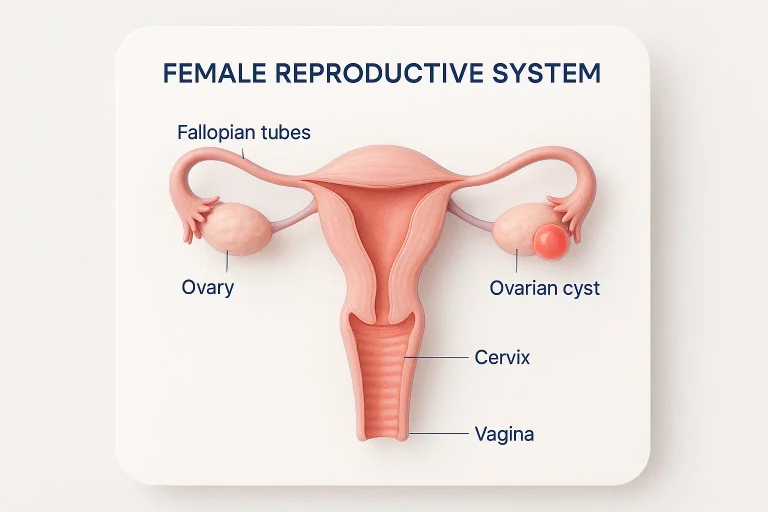
Ovarian cyst is a common condition many women experience at some stage in their lives. These fluid-filled sacs develop within or on the surface of the ovary, and while most ovarian cysts are harmless and go away on their own, some may cause discomfort or lead to complications.
For many women, the presence of an ovarian cyst does not cause noticeable symptoms. In fact, they are often discovered during routine pelvic examinations or ultrasound scans. However, certain types of ovarian cysts may grow larger, rupture, or create problems such as severe pelvic pain, irregular bleeding, or even risks during pregnancy. Knowing when to monitor a cyst and when to seek medical attention is crucial for long-term reproductive health.
This blog explores everything you need to know about ovarian cysts from causes and symptoms to types, risks, diagnosis, and treatment. We will also highlight the situations where cysts can be left under observation versus when they require medical intervention. By the end, you will have a clear understanding of how to approach ovarian cysts with awareness and confidence, and when to consult a gynecology specialist for expert care.
What Are Ovarian Cysts? (Basics & Awareness)
Ovarian Cyst Meaning & General Facts
An ovarian cyst is a sac filled with fluid, semi-solid material, or blood that forms on or inside an ovary. They are extremely common in women of reproductive age and are often a natural part of the menstrual cycle. Many ovarian cysts are functional, meaning they develop as the ovary releases eggs during ovulation. These usually resolve without treatment within a few weeks.
Ovarian Cyst Causes
The formation of ovarian cysts can be linked to several factors:
- Hormonal fluctuations – Changes in estrogen and progesterone can trigger cyst development.
- Ovulation problems – If a follicle fails to release an egg, it may continue to grow into a follicular cyst.
- Endometriosis – Endometrial tissue can attach to the ovary, forming painful cysts known as endometriomas.
- Pregnancy – Sometimes, a corpus luteum cyst develops in early pregnancy and usually resolves on its own.
- Polycystic Ovary Syndrome (PCOS) – A condition where multiple small cysts form, often linked to irregular cycles and infertility.
Ovarian Cyst Symptoms
Most ovarian cysts are silent and produce no symptoms. However, some women may notice:
- Pelvic pain or pressure
- Bloating or abdominal fullness
- Irregular menstrual cycles
- Pain during intercourse
- Frequent need to urinate if the cyst presses on the bladder
Do Ovarian Cysts Always Cause Pain?
Not all ovarian cysts are painful. Small, functional cysts often go unnoticed. Pain typically occurs when a cyst becomes large, ruptures, or twists the ovary (ovarian torsion). Persistent or severe pelvic pain should always be evaluated by a gynecologist.
Types of Ovarian Cysts You Should Know
Functional Cysts (Follicular & Corpus Luteum)
The most common types of ovarian cysts are functional cysts, which develop as part of the menstrual cycle.
- Follicular cysts occur when a follicle does not release an egg and continues to grow.
- Corpus luteum cysts form when the sac that releases an egg does not shrink properly and instead fills with fluid.
These cysts are usually harmless, cause minimal symptoms, and resolve naturally within weeks.

Dermoid Ovarian Cyst
A dermoid ovarian cyst, also called a mature cystic teratoma, develops from embryonic cells and can contain tissues such as hair, skin, or teeth. While usually benign, these cysts can grow large and may require surgical removal if they cause pain or complications like torsion.
Endometriomas (Endometriosis-Linked Cysts)
In women with endometriosis, tissue similar to the uterine lining attaches to the ovaries, forming endometriomas or “chocolate cysts.” These cysts are filled with old blood and may lead to chronic pelvic pain, painful periods, or infertility. They often require medical attention, especially if symptoms worsen.
Cystadenomas
Cystadenomas are noncancerous cysts that develop on the surface of an ovary. Filled with watery or mucous material, they can become quite large, leading to abdominal discomfort or bloating. Though benign, they may need removal if their size causes problems.
PCOS vs Ovarian Cyst
A common question is the difference between polycystic ovary syndrome (PCOS) and a single ovarian cyst.
- Ovarian cyst: Refers to a single sac that can form due to multiple causes.
- PCOS: A hormonal disorder where many small cysts develop along the ovary’s surface, often associated with irregular cycles, excess hair growth, acne, and infertility.
Understanding this distinction is essential, as PCOS requires long-term management while most cysts are short-term.
Complex Cysts That Need Extra Attention
While most cysts are benign, complex ovarian cysts contain both fluid and solid components. These require careful monitoring, as some may be linked to a higher risk of complications or rarely, ovarian cancer.
When Is an Ovarian Cyst Dangerous?
Most ovarian cysts are harmless and resolve naturally, but certain situations call for immediate medical evaluation. Knowing the red flags can help women avoid complications and protect long-term reproductive health.
What Size of Ovarian Cyst Is Dangerous?
Size is one of the key factors in determining whether an ovarian cyst needs attention.
- Small cysts (under 5 cm) are usually harmless and often disappear within a few menstrual cycles.
- Medium cysts (5–7 cm) may require closer monitoring with ultrasound scans.
- Large cysts (over 7–10 cm) carry higher risks, such as pressing on surrounding organs, twisting (torsion), or even rupture. These often need surgical evaluation.
If your doctor finds a large or persistent cyst, they may recommend removal to prevent complications.
Signs of Ovarian Cyst Rupture
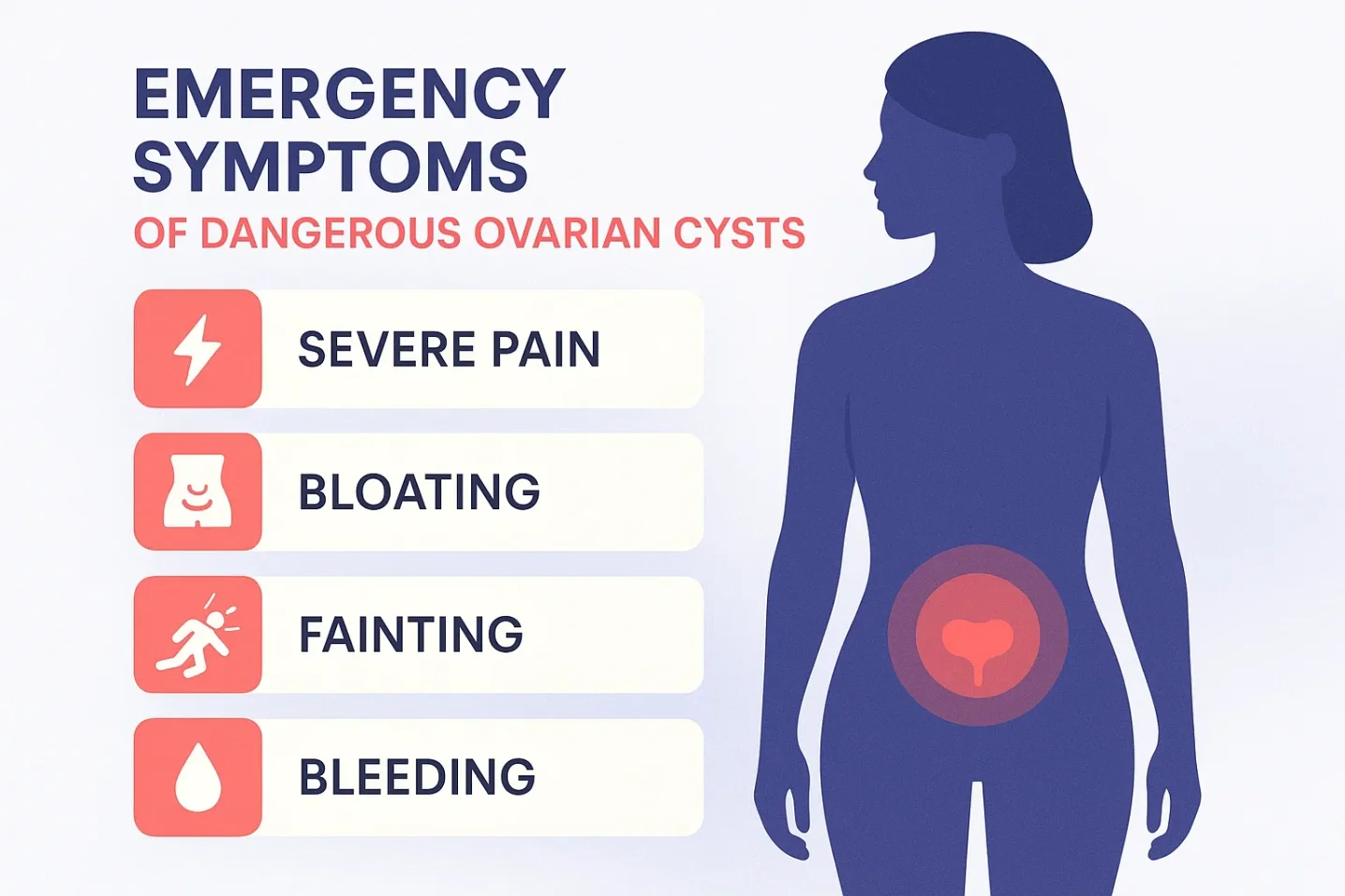
An ovarian cyst rupture can happen suddenly and may feel like sharp, severe pain on one side of the lower abdomen. Symptoms may include:
- Intense pelvic or abdominal pain
- Bloating and swelling
- Dizziness, nausea, or fainting
- Unexplained vaginal bleeding
- Rapid breathing or weakness (if internal bleeding occurs)
A ruptured cyst is a medical emergency, and women experiencing these symptoms should seek immediate care.
Ovarian Cyst During Pregnancy – Special Risks
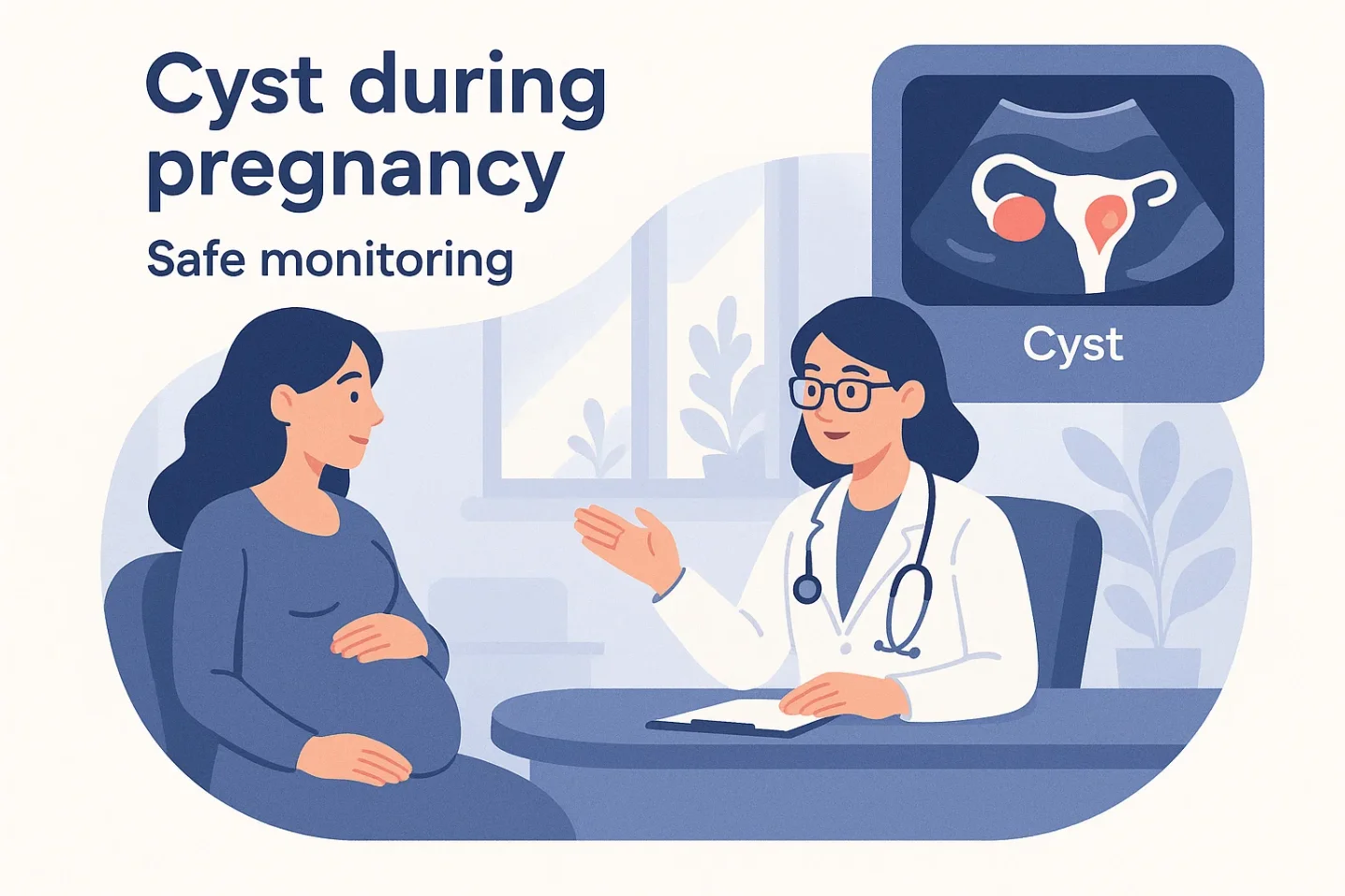
Cysts can sometimes form during pregnancy, usually as functional cysts that disappear in the second trimester. However, in rare cases, a large cyst may cause:
- Pain due to torsion or rupture
- Pressure on the uterus
- Complications during labor if the cyst persists
Pregnant women with ovarian cysts should be monitored closely with regular ultrasound scans. Most cysts do not harm the baby but may require surgical removal if they pose risks to the mother.
Ovarian Cyst Cancer – Red Flags to Watch
While the majority of ovarian cysts are benign, a small percentage may be cancerous, especially in women after menopause. Warning signs include:
- Persistent bloating or abdominal swelling
- Unexplained weight loss
- Chronic pelvic pain
- Changes in bowel or bladder habits
- Family history of ovarian or breast cancer
Doctors may order CA-125 blood tests and imaging scans to check for malignancy if a cyst looks suspicious.
Emergency Symptoms You Should Not Ignore
Seek urgent care if you experience:
- Sudden, sharp pelvic pain
- Fever or chills
- Fainting or lightheadedness
- Severe nausea or vomiting
- Rapid breathing or abdominal distension
These signs may indicate a rupture, torsion, or another serious complication that requires immediate medical attention.
Diagnosis of Ovarian Cysts
Early and accurate diagnosis is key to deciding whether an ovarian cyst needs monitoring or treatment. Many cysts are found incidentally during routine exams, but specific tests help confirm the size, type, and risk level.
Physical Exam & Ultrasound Scan
A pelvic exam is often the first step in detecting an ovarian cyst. If your gynecologist feels an enlargement, they may recommend an ultrasound scan. Ultrasound uses sound waves to create an image of the ovaries, showing whether the cyst is fluid-filled, solid, or a mix of both. This helps differentiate functional cysts from more complex growths.
Advanced Imaging – MRI & CT Scans
When ultrasound results are unclear, doctors may order an MRI or CT scan for a detailed look at the cyst’s structure. These scans help assess whether the cyst is benign or suspicious, guiding treatment decisions.
Blood Tests and Cancer Screening
In some cases, a CA-125 blood test is recommended. Elevated CA-125 levels may indicate ovarian cancer, but they can also rise in noncancerous conditions like endometriosis. Therefore, this test is typically combined with imaging results for better accuracy.
Differentiating Cysts from Tumors
Not all growths on the ovary are cysts. Solid tumors may appear similar on scans but behave differently. Regular follow-ups and a combination of tests help distinguish between benign cysts, borderline growths, and ovarian cancer.

Ovarian Cyst Treatment Options
Not all ovarian cysts require immediate treatment. The right approach depends on the cyst’s size, type, symptoms, and the patient’s age or fertility goals. Treatment can range from simple monitoring to advanced surgery.
Watchful Waiting (When Monitoring Is Enough)
For small, symptom-free cysts, doctors may recommend watchful waiting. This involves:
- Regular pelvic exams
- Follow-up ultrasound scans every few months
- Monitoring symptoms such as pain or irregular bleeding
Many functional cysts resolve within two to three menstrual cycles, requiring no intervention.
Medications (Hormonal & Symptom Relief)
While medicines cannot “dissolve” a cyst, hormonal therapy may prevent new ones from forming. Common approaches include:
- Birth control pills – regulate ovulation, lowering the chance of new cysts.
- Pain relievers – nonsteroidal anti-inflammatory drugs (NSAIDs) for mild to moderate pain.
Medication is generally a short-term solution and may not work for large or complex cysts.
Surgery for Ovarian Cysts
When cysts are large, painful, or show suspicious features, ovarian cyst surgery may be required. Two main surgical options are:
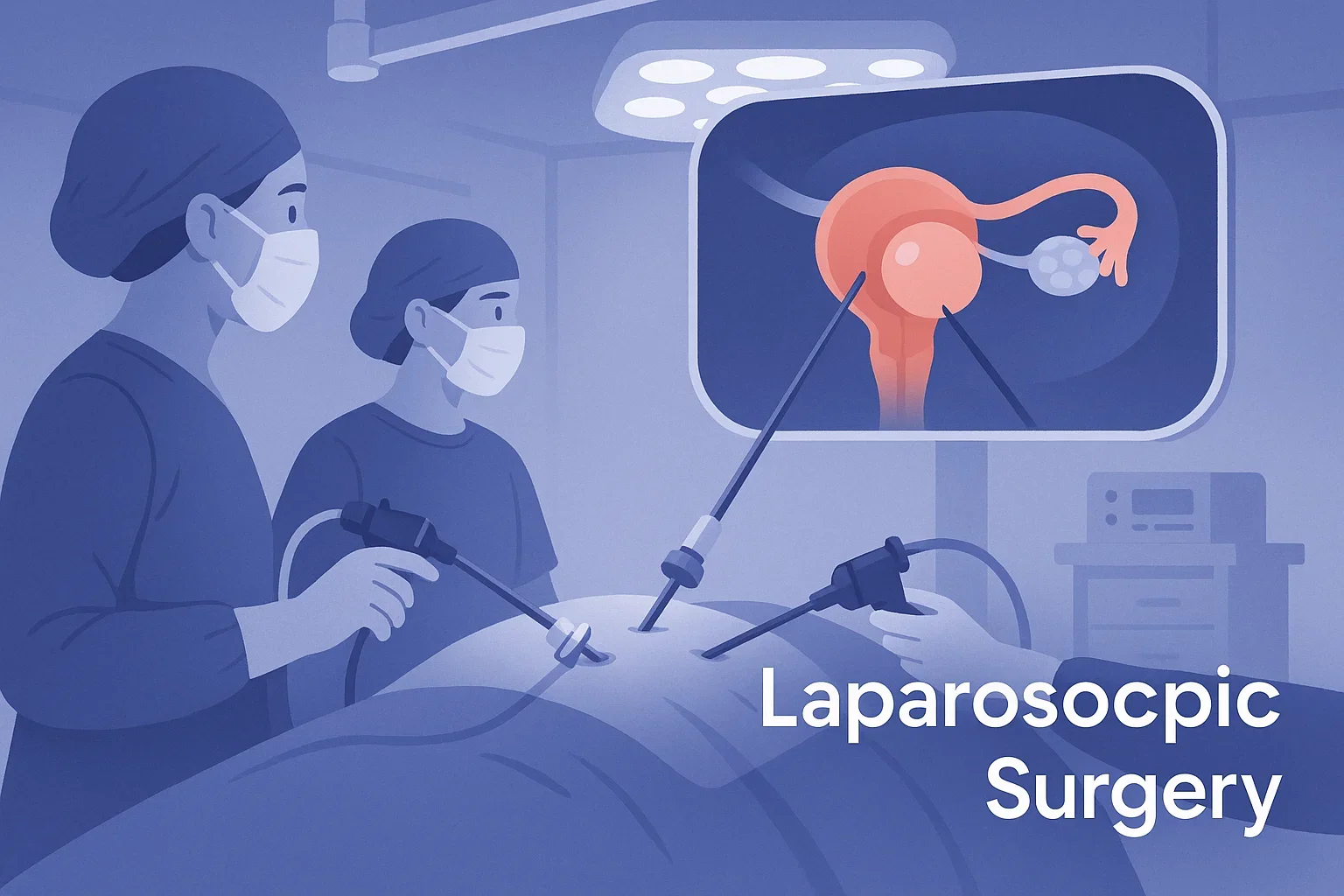
- Laparoscopy: A minimally invasive procedure using small incisions and a camera. Best for smaller or benign cysts, with quicker recovery and minimal scarring.
- Laparotomy: Required for very large, complex, or potentially cancerous cysts. This involves a larger incision and closer examination of the ovaries and surrounding tissues.
Ovarian Cyst Surgery Recovery
Recovery depends on the type of surgery:
- Laparoscopy: Most patients return to daily activities within 1–2 weeks.
- Laparotomy: Recovery may take 4–6 weeks, with closer post-surgical monitoring.
Doctors also check whether fertility can be preserved, especially for women planning pregnancies.
Ovarian Cysts and Fertility Preservation
A key concern for many women is whether surgery will affect fertility. In most cases, surgeons remove the cyst while preserving the ovary. If both ovaries are affected or cancer is suspected, more extensive surgery may be needed. Gynecology specialists prioritize fertility-preserving techniques whenever possible.
Why Choose Expert Care
Ovarian cyst treatment requires careful evaluation to balance safety, fertility, and long-term health. Hospitals with advanced laparoscopic facilities and experienced gynecologists offer the best outcomes.
Lifestyle & Self-Care with Ovarian Cysts
While medical treatment is sometimes necessary, certain lifestyle choices can help women manage symptoms and reduce the chances of complications from ovarian cysts. These habits are not a replacement for medical care, but they can complement treatment and support overall reproductive health.
Healthy Diet & Weight Management
Maintaining a balanced diet rich in fruits, vegetables, whole grains, and lean proteins can help regulate hormones. Reducing processed foods and excess sugar is especially beneficial for women with polycystic ovary syndrome (PCOS), which is often linked to ovarian cysts.
Exercise & Stress Reduction
Regular physical activity helps maintain a healthy weight and reduces insulin resistance, which may lower the risk of cyst formation in PCOS patients. Yoga, meditation, and breathing exercises also relieve pelvic tension and reduce stress, which is known to affect hormone balance.
Routine Gynecological Check-Ups
Even if cysts are symptom-free, regular check-ups ensure early detection and management. An annual pelvic exam combined with ultrasound scans when needed provides peace of mind and prevents complications.
Alternative & Home Remedies – What to Know
Some women explore herbal remedies, heat therapy, or dietary supplements for pain relief. While these may offer comfort, scientific evidence is limited. It’s important to consult your gynecologist before trying any alternative therapies to avoid interactions with prescribed treatments.

Ovarian Cysts vs Other Conditions
Because symptoms often overlap, ovarian cysts are sometimes mistaken for other gynecological conditions. Understanding these differences helps women seek the right treatment and avoid unnecessary anxiety.
Ovarian Cyst vs PCOS
While often mentioned together, ovarian cysts and polycystic ovary syndrome (PCOS) are distinct conditions.
- Ovarian cyst: A single sac, usually temporary, caused by hormonal or ovulatory changes.
- PCOS: A hormonal disorder with multiple small cysts and additional symptoms such as irregular cycles, excess hair growth, acne, and difficulty conceiving.
PCOS requires long-term lifestyle and medical management, while most cysts resolve naturally or with treatment.
Ovarian Cyst vs Uterine Fibroids
Another common confusion is between cysts and fibroids.
- Ovarian cysts: Fluid-filled sacs that form on the ovaries.
- Uterine fibroids: Noncancerous muscle growths inside or on the uterus.
Fibroids may cause heavy bleeding, prolonged periods, or pelvic pressure, while cysts are more likely to trigger pain, bloating, or sudden rupture.
Ovarian Cyst vs Ovarian Cancer
Although rare, some cysts may raise concern for ovarian cyst cancer. The difference lies in structure:
- Benign cysts: usually thin-walled, fluid-filled, and resolve over time.
- Cancerous growths: often solid, irregular, and persistent.
Postmenopausal women are at greater risk, and suspicious cysts are evaluated with ultrasound, MRI, and CA-125 blood tests.
Conclusion: Take Control of Your Health
Ovarian cysts are extremely common, and in most cases, they do not pose a serious threat to a woman’s health. Many resolve naturally without any intervention, while others may require careful monitoring or treatment. The key lies in understanding the difference between harmless cysts and those that carry risks such as rupture, torsion, or even ovarian cancer.
By learning about the symptoms, causes, types, and treatments of ovarian cysts, women can make informed decisions about their reproductive health. Regular gynecological check-ups, timely imaging tests, and expert guidance ensure that any cyst is detected early and managed effectively.
If you have symptoms such as pelvic pain, bloating, or irregular cycles, it’s important not to ignore them. Consultation with a qualified gynecologist can provide clarity and peace of mind.
At Mayflower Hospital, our specialists use advanced diagnostic tools and minimally invasive surgical techniques to provide safe, personalized care. Whether your cyst requires monitoring, medication, or surgery, our team ensures that your treatment prioritizes both your health and your future fertility.
FAQs on Ovarian Cysts
Yes, many functional ovarian cysts disappear within a few weeks or months without treatment. Regular follow-up scans are usually recommended to confirm that the cyst has resolved. If a cyst persists or grows, your doctor may suggest additional tests or treatment.
Most cysts do not affect fertility. However, certain types, such as endometriomas (linked with endometriosis) or cysts caused by PCOS, may contribute to difficulty conceiving. Early diagnosis and appropriate treatment can improve fertility outcomes.
While many cysts are symptom-free, you should consult a gynecologist if you experience:
Sudden or severe pelvic pain
• Abdominal bloating or pressure
• Irregular or heavy periods
• Pain during intercourse
• Unexplained nausea or dizziness
These could indicate complications like rupture, torsion, or in rare cases, ovarian cyst cancer.
No. Most cysts can be managed with observation and medications. Surgery is recommended only if:
• The cyst is large or growing
• It causes significant pain or irregular bleeding
• It looks suspicious for cancer
• It persists beyond several cycles
Surgical options include laparoscopy (minimally invasive) or laparotomy for complex cases.
An ovarian cyst is a single sac that forms on or inside an ovary. In contrast, PCOS (polycystic ovary syndrome) is a hormonal condition where multiple small cysts develop on the ovaries and are linked to irregular cycles, acne, excess hair growth, and infertility. PCOS requires long-term management, while a cyst may resolve on its own.
Most cysts are benign, but a small percentage, especially in postmenopausal women, may be cancerous. Doctors use imaging tests and CA-125 blood tests to check for malignancy. Regular monitoring ensures early detection and timely treatment.