


Postpartum body changes are a natural part of the recovery journey after childbirth. While pregnancy is a transformative experience, many women notice visible differences in their body after delivery. From weight fluctuations and abdominal changes to skin elasticity and breast shape, these shifts can affect both physical comfort and emotional well-being.
Understanding that these changes are normal is the first step toward making informed decisions about recovery. Some women prefer natural healing through lifestyle adjustments, while others may consider medical or cosmetic options for improved results. This blog explores the most common postpartum concerns, treatment choices, and how to safely regain confidence in your body.
What Are Postpartum Body Changes?
Medical Definition and Timeline
Postpartum body changes refer to the physical, hormonal, and structural adjustments that occur in a woman’s body after childbirth. These can begin immediately after delivery and may last weeks, months, or even years. While some changes – such as uterine shrinking – are part of natural recovery, others, like loose skin or persistent weight gain, may linger.
Statistics on Postpartum Changes
Studies suggest that more than 70% of women report noticeable postpartum body changes such as abdominal laxity, stretch marks, or breast shape differences within six months of delivery. Around 40% face difficulty with postpartum weight loss, while nearly 50% notice long-term skin elasticity issues. These numbers highlight that such changes are common, not exceptional.
Physical, Hormonal, and Emotional Dimensions
- Physical: Includes changes in weight, abdominal contour, breast size, and skin texture.
- Hormonal: Estrogen and progesterone fluctuations can affect metabolism, hair, and skin.
- Emotional: Shifts in body image may contribute to stress, reduced confidence, or anxiety.
Recognizing the multidimensional nature of postpartum changes helps women prepare for both natural adjustments and the possibility of supportive treatments.
Factors That Influence Postpartum Recovery
Age and Body Type
A woman’s age and natural body type significantly affect how quickly she recovers after childbirth. Younger mothers often experience faster postpartum weight loss, while women in their 30s or 40s may notice slower metabolism and more persistent fat around the abdomen. Similarly, body composition – whether lean, curvy, or athletic – can determine the extent of loose skin after pregnancy.
Number of Pregnancies and Type of Delivery
The body undergoes different levels of stress depending on whether it is a first pregnancy or a subsequent one. Women who have had multiple pregnancies are more likely to experience diastasis recti after pregnancy or stretched abdominal muscles. The type of delivery also matters – cesarean sections often require longer healing, while vaginal deliveries may bring pelvic floor challenges.
Lifestyle, Diet, and Breastfeeding Impact
Nutrition, exercise, and lifestyle choices play a central role in postpartum recovery. A balanced diet and gentle exercises help speed up healing and improve skin elasticity. Breastfeeding also contributes – it burns extra calories, which can assist in postpartum weight loss, but at the same time, it may cause sagging breasts after breastfeeding due to repeated changes in breast size and fullness.
Genetic and Hormonal Factors
Genetics influence how the body responds to weight changes, fat distribution, and skin healing. Some women are genetically predisposed to develop more stretch marks after pregnancy or retain abdominal fat. Hormonal imbalances, especially thyroid-related changes, can also delay recovery.
Key Aesthetic Concerns Women Face After Pregnancy
Postpartum Weight Loss Struggles
Many new mothers expect quick weight loss after childbirth, but the reality is often different. While some weight is shed naturally during delivery and breastfeeding, stubborn fat around the abdomen, hips, and thighs can remain. Factors like hormonal shifts, lack of sleep, and reduced physical activity slow down postpartum weight loss. Setting realistic expectations and adopting gradual lifestyle changes are essential for sustainable results.
How to Reduce Tummy After Delivery
The abdominal area is one of the most noticeable regions affected after childbirth. The uterus takes several weeks to shrink back, and stretched abdominal muscles may take months to recover. To reduce tummy after delivery, women can start with gentle exercises such as walking and core-strengthening physiotherapy. In cases of severe abdominal laxity or diastasis recti after pregnancy, medical or surgical interventions like a tummy tuck after pregnancy may be recommended.
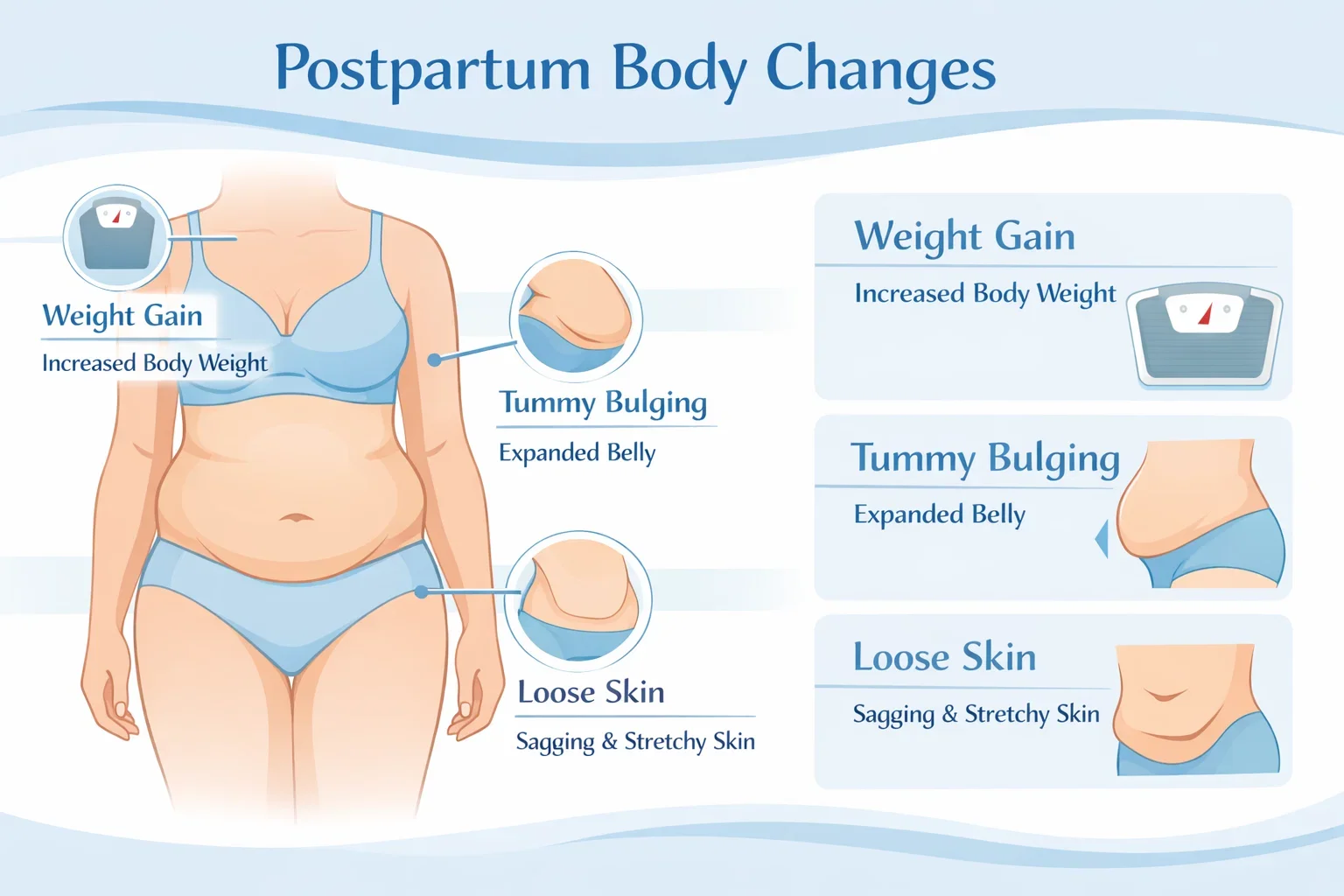
Loose Skin After Pregnancy
Loose or sagging skin is a common concern, especially around the belly, arms, and thighs. Pregnancy hormones soften skin fibers, and rapid stretching reduces elasticity. While some improvement occurs naturally, significant loose skin after pregnancy often requires targeted skin treatments like laser therapy, radiofrequency tightening, or surgery. Moisturization and a protein-rich diet can help improve skin firmness gradually.
Stretch Marks After Pregnancy
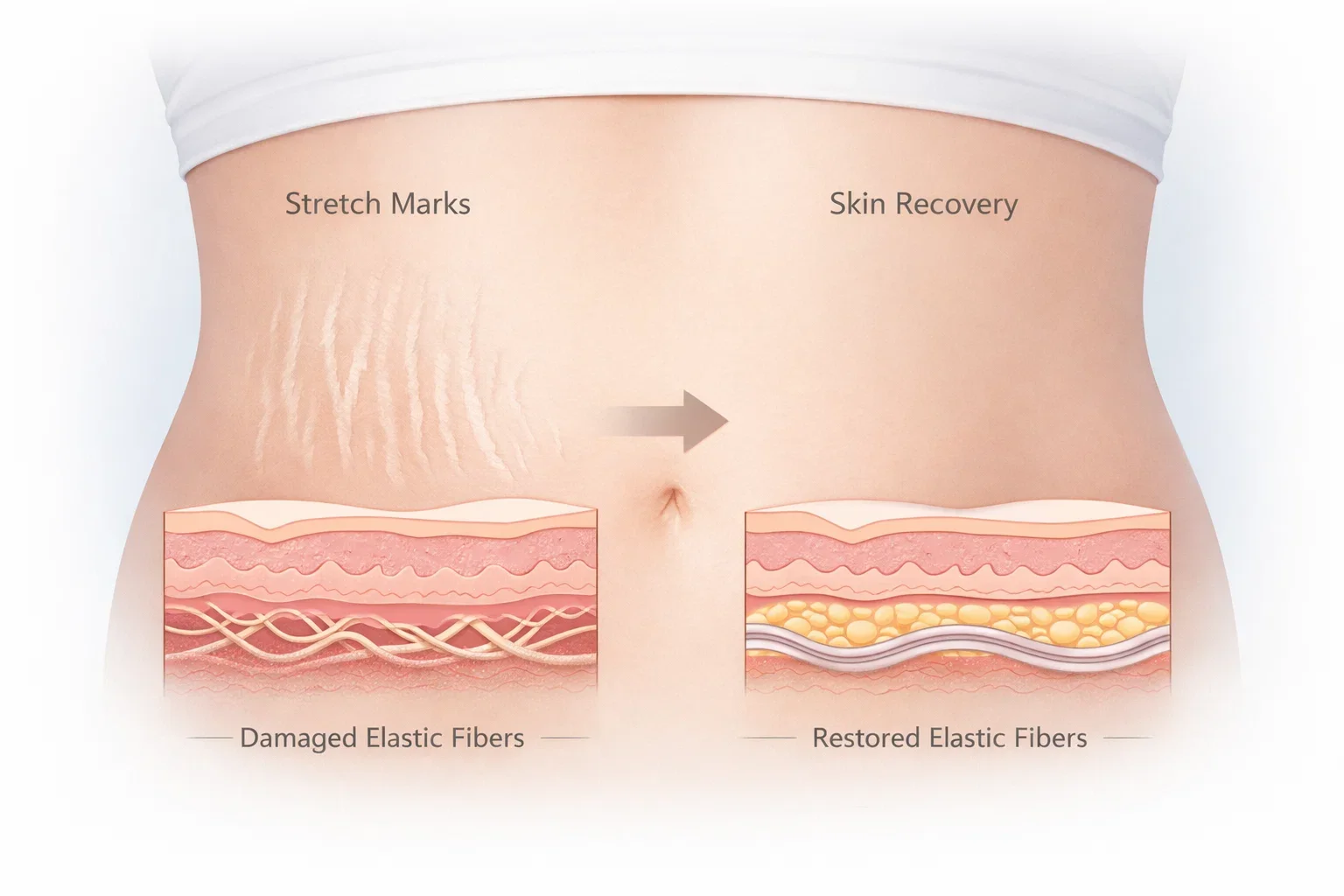
Almost every woman experiences some form of stretch marks after pregnancy. These marks occur due to rapid stretching of the skin combined with hormonal changes that affect collagen production. While harmless, they may impact self-confidence. Creams, micro-needling, and laser therapies are effective in reducing their appearance, although complete removal is rare. Early hydration and skincare during pregnancy can minimize severity.
Sagging Breasts After Breastfeeding
Breasts naturally enlarge during pregnancy and breastfeeding, but once milk production decreases, they often lose volume and firmness. Many women notice sagging breasts after breastfeeding, which can range from mild to severe depending on genetics, skin elasticity, and breastfeeding duration. Non-surgical solutions include supportive bras and exercises, while surgical options like breast lift or augmentation may be chosen for long-term correction.
Diastasis Recti After Pregnancy
Diastasis recti refers to the separation of the abdominal muscles due to the stretching of the linea alba during pregnancy. It causes a bulging belly, poor posture, and sometimes back pain. Mild cases can often be managed with physiotherapy and core-strengthening exercises. Severe cases may require corrective surgery, often performed as part of a mommy makeover or tummy tuck after pregnancy.
Non-Surgical Approaches to Postpartum Body Recovery
Healthy Diet and Postpartum Weight Loss Tips
Nutrition is the cornerstone of natural recovery. A balanced diet rich in protein, iron, calcium, and vitamins helps restore energy and supports gradual postpartum weight loss. Instead of crash diets, small frequent meals with plenty of hydration aid metabolism and promote healing. Superfoods like leafy greens, nuts, and whole grains also improve skin elasticity and support breast milk production.

Exercise Routines for Gentle Recovery
Gentle exercises are recommended once a doctor approves postpartum physical activity. Walking, yoga, and postnatal pilates can help women reduce tummy after delivery by engaging core muscles. For diastasis recti after pregnancy, physiotherapists often prescribe specific core-stabilizing workouts. Gradual strength training builds endurance without straining healing tissues.
Skin Treatments for Stretch Marks and Loose Skin
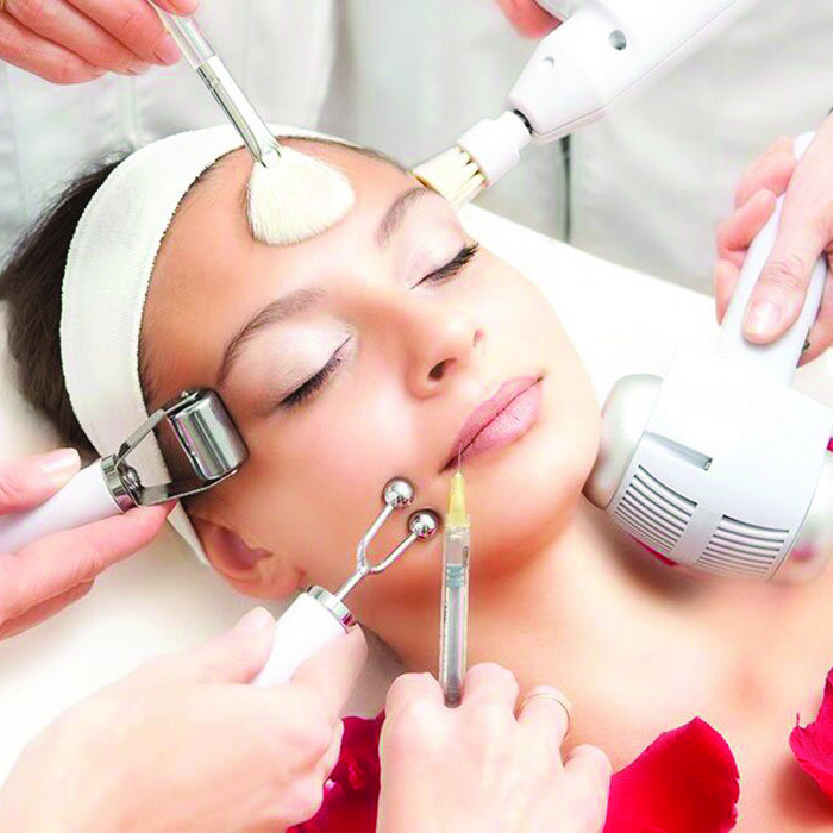
Non-invasive dermatological treatments can improve the appearance of stretch marks after pregnancy and tighten loose skin after pregnancy. Options include:
- Topical retinoid creams (post-breastfeeding)
- Microdermabrasion and chemical peels
- Laser and radiofrequency therapy
While none can erase marks completely, they make them less visible and improve overall skin tone.
Breast Care and Supportive Measures
Sagging breasts after breastfeeding can be minimized with supportive bras, posture correction, and targeted chest exercises. Some women also benefit from skin-firming therapies or non-surgical tightening methods like ultrasound. Regular hydration and massage improve circulation, helping skin retain elasticity.
Emotional Well-being and Body Image Support
Postpartum changes are not just physical – they impact emotional health as well. Many women feel self-conscious about their new body shape, which may lead to anxiety or reduced confidence. Counseling, support groups, and mindfulness practices like meditation can improve body acceptance. Building emotional resilience is as vital as physical recovery in this phase.
Cosmetic and Surgical Solutions for Postpartum Body Changes
Mommy Makeover Explained
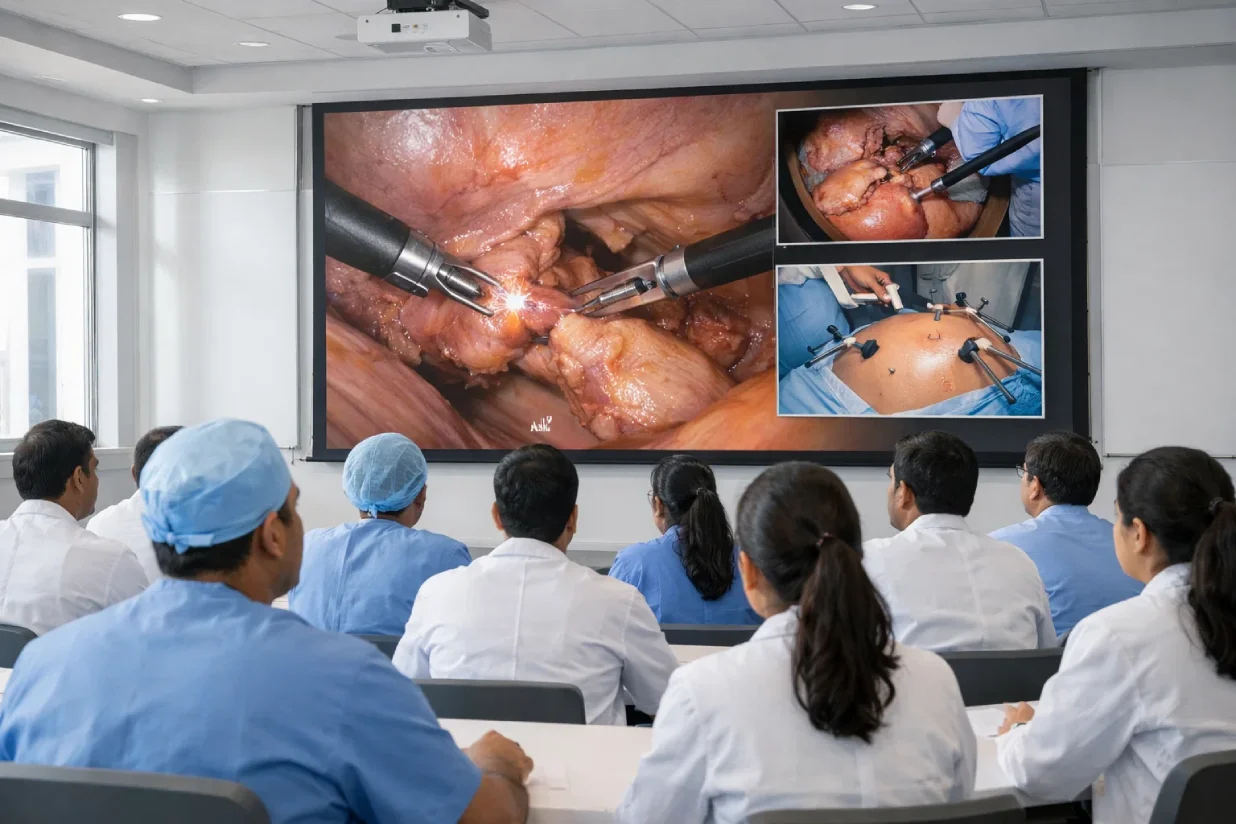
A mommy makeover is a customized set of cosmetic procedures designed to address multiple postpartum concerns in one treatment plan. It may include a tummy tuck after pregnancy, breast lift or augmentation, and liposuction. By combining procedures, recovery time is reduced, and women achieve more balanced, natural-looking results. Mommy makeovers are particularly beneficial for women experiencing a combination of loose skin, sagging breasts after breastfeeding, and stubborn fat deposits.

Tummy Tuck After Pregnancy
A tummy tuck, or abdominoplasty, is one of the most common surgeries chosen after childbirth. It removes excess skin, repairs diastasis recti after pregnancy, and tightens abdominal muscles. This procedure is often recommended for women whose abdominal shape does not improve with diet and exercise alone. While recovery takes several weeks, results are long-lasting and can dramatically improve body confidence.
Breast Lift and Augmentation for Sagging Breasts
For women who notice significant sagging breasts after breastfeeding, surgical correction may be an option. A breast lift repositions and firms the breasts, while augmentation can restore volume lost after pregnancy and nursing. Both procedures are safe when performed by experienced surgeons and can be tailored to meet personal goals while maintaining natural proportions.
Repairing Diastasis Recti After Pregnancy
In severe cases, diastasis recti after pregnancy may not respond to physiotherapy alone. Surgical repair involves stitching the separated abdominal muscles back together, often combined with a tummy tuck for optimal results. This not only improves the appearance of the abdomen but also strengthens the core and reduces back pain.
Postpartum Cosmetic Surgery Risks, Side Effects, and Safety
Like all surgeries, postpartum procedures come with certain risks. Possible cosmetic surgery side effects include temporary pain, swelling, scarring, and infection. It is crucial to consult with a qualified gynecologist or plastic surgeon who specializes in women’s health to minimize risks. Modern techniques, advanced anesthesia, and strict post-operative care protocols have made postpartum cosmetic surgery far safer than in the past.
Preventing or Minimizing Postpartum Body Changes
Prenatal Fitness and Safe Exercises During Pregnancy
Staying active during pregnancy helps prepare the body for smoother recovery after delivery. Low-impact workouts such as swimming, yoga, and prenatal pilates strengthen the core, maintain flexibility, and reduce excess fat accumulation. Women who maintain prenatal fitness often find postpartum weight loss easier and are less likely to develop severe diastasis recti after pregnancy.
Hydration, Nutrition, and Skincare Routines
Consistent hydration supports skin elasticity, reducing the severity of stretch marks after pregnancy. A balanced diet rich in omega-3 fatty acids, vitamins C and E, and collagen-boosting foods strengthens connective tissue. Using gentle moisturizers and oils during pregnancy also minimizes loose skin after pregnancy and supports better recovery of abdominal and breast skin.
Breast Care During Breastfeeding
Supportive bras and correct breastfeeding techniques can help prevent excessive sagging breasts after breastfeeding. Alternating feeding sides, ensuring good posture, and maintaining proper breast hygiene further reduce stress on breast tissue. Massage and moisturization keep the skin supple and improve circulation.
Medical Guidance for Long-Term Recovery
Regular checkups with a gynecologist or women’s health specialist provide guidance on what is normal versus what may require treatment. Early diagnosis of abdominal muscle separation, persistent weight issues, or hormonal imbalances allows women to choose timely interventions. Preventive medical advice ensures that women only consider postpartum cosmetic surgery when necessary.
Natural Recovery vs Cosmetic Interventions
Benefits of Waiting for Natural Healing
In the first 6–12 months postpartum, the body is still healing and adjusting. During this period, natural weight reduction, skin tightening, and improved hormonal balance are possible. Waiting allows women to see how much recovery happens naturally before opting for procedures. This also ensures that any future cosmetic treatments are more effective and longer lasting.
When Medical or Cosmetic Procedures Are Worth Considering
If after a year, significant concerns remain – such as persistent abdominal bulging due to diastasis recti after pregnancy, severe sagging breasts after breastfeeding, or excess abdominal skin – then cosmetic or surgical solutions may be appropriate. Many women also consider procedures before planning their next pregnancy, ensuring long-term results.
Balancing Safety, Expectations, and Cost
Choosing between natural recovery and cosmetic intervention depends on safety, budget, and personal expectations. Procedures like a tummy tuck after pregnancy or a mommy makeover are investments that require financial planning. Understanding potential risks, healing time, and realistic outcomes helps women make informed, confident decisions.
Social and Lifestyle Benefits of Postpartum Treatments
Improved Self-Confidence and Mental Health
Regaining a desired body shape has a profound effect on self-esteem. Women often feel more comfortable in their clothes and more confident socially, reducing anxiety about their appearance.
Stronger Relationships and Intimacy
Addressing concerns like abdominal changes or sagging breasts after breastfeeding can help women feel more attractive and comfortable in intimate relationships. Emotional connection often improves as self-confidence grows.
Better Quality of Life and Career Confidence
For many mothers returning to work, looking and feeling their best provides added confidence in professional environments. Enhanced self-image contributes to improved communication, leadership, and presence in the workplace.
Choosing the Right Hospital and Specialist
Why Women’s Health Expertise Matters
Postpartum care requires sensitivity and medical expertise. A hospital that specializes in women’s health ensures safe procedures and personalized treatment plans.
What to Ask Your Doctor Before Cosmetic Treatments
- Is this procedure safe while breastfeeding?
- What are the short- and long-term risks?
- How long is the recovery timeline?
- Will I be able to care for my baby during recovery?
Why Many Women Trust Mayflower Hospital
With a dedicated team of gynecologists and cosmetic specialists, Mayflower Hospital offers evidence-based, safe, and compassionate solutions for postpartum recovery. From counseling to advanced surgeries, women receive comprehensive care under one roof.
Recovery and Aftercare for Postpartum Treatments
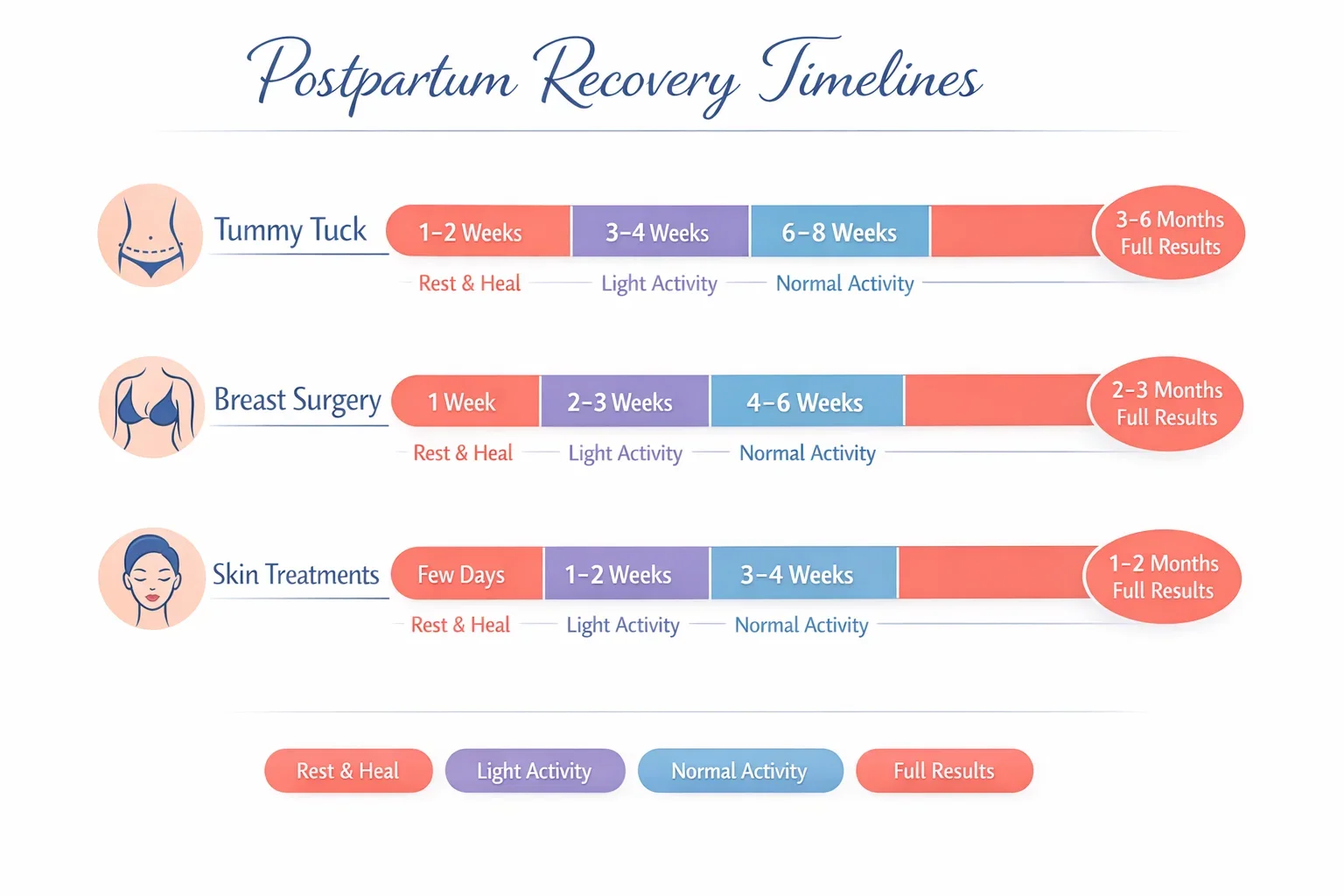
Healing Timelines for Surgeries and Procedures
- Tummy tuck after pregnancy: 4–6 weeks for basic recovery, 3–6 months for final results.
- Breast lift or augmentation: 2–3 weeks for daily activities, up to 3 months for full healing.
- Diastasis recti repair: 4–8 weeks, depending on complexity.
Managing Scars, Swelling, and Pain
Post-surgical care includes wearing compression garments, scar creams, and following physiotherapy recommendations. Swelling and discomfort gradually subside with proper medical supervision.
Long-Term Lifestyle and Maintenance
Balanced nutrition, hydration, exercise, and follow-up consultations help maintain results. While cosmetic procedures create lasting changes, healthy living ensures their benefits extend over time.
Conclusion
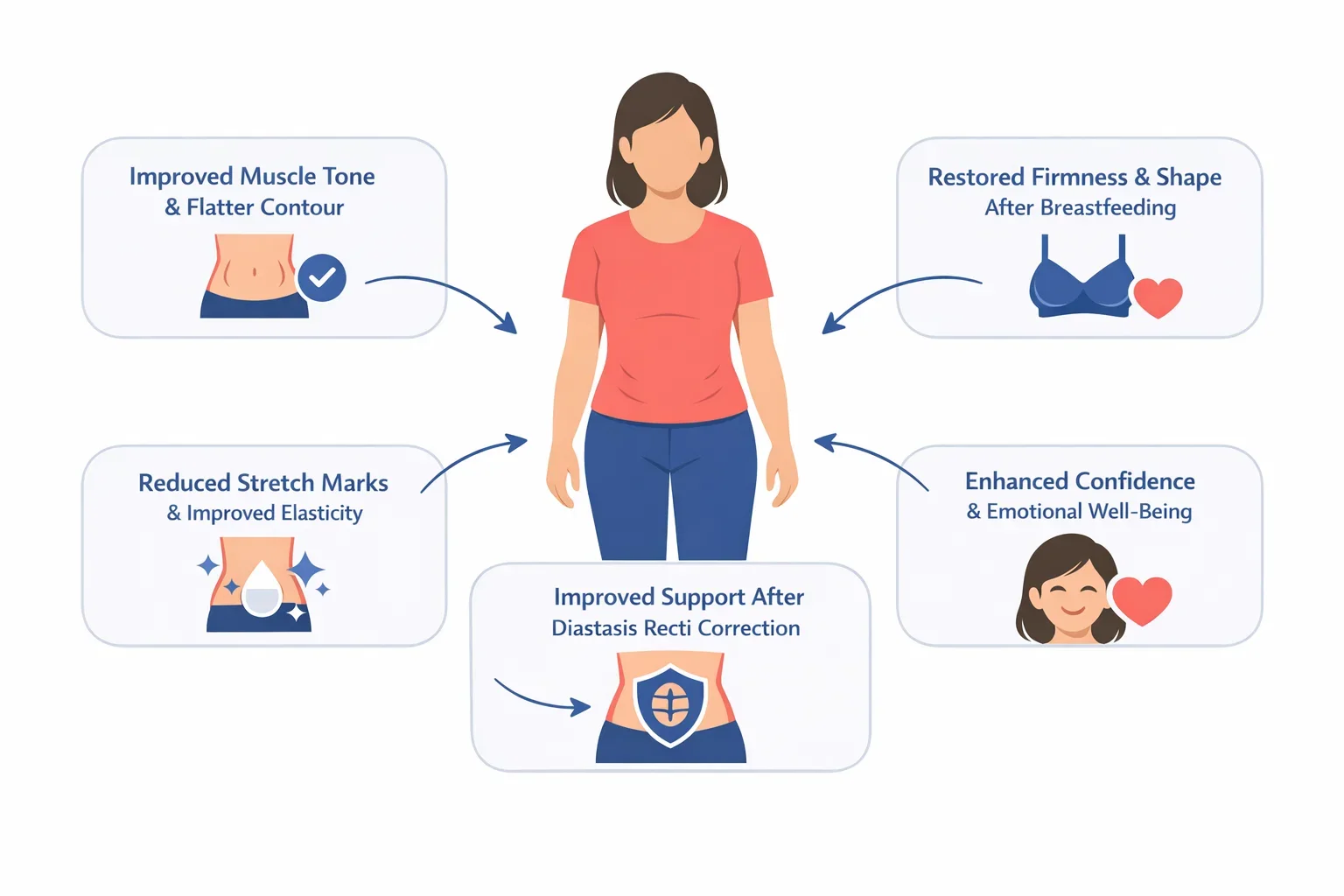
Postpartum body changes are a natural part of motherhood, but women today have safe and effective options to restore comfort and confidence. From lifestyle changes to advanced cosmetic procedures, every woman’s journey is unique. With the right medical guidance, it’s possible to embrace recovery with confidence and achieve a healthy balance between natural healing and modern treatments.
If you are considering treatment, consult the experts at Mayflower Hospital to receive personalized advice tailored to your needs.
FAQs
Most surgeons recommend waiting at least 6–12 months after childbirth before undergoing a tummy tuck to allow natural recovery and ensure safety.
No. Many women achieve healthy postpartum weight loss through diet, exercise, and lifestyle changes. Surgery is only considered if natural methods do not bring results.
Most elective cosmetic surgeries are delayed until breastfeeding is complete, ensuring safety for both mother and child.
A mommy makeover usually includes a tummy tuck, breast lift or augmentation, and liposuction. It is customized to address multiple concerns in a single treatment plan.
No. Treatments like laser therapy, microneedling, and creams can significantly reduce their appearance but rarely eliminate them completely.
If your belly bulges when you sit up or you feel a gap between abdominal muscles, you may have diastasis recti after pregnancy. A doctor or physiotherapist can confirm this with a simple exam.