


Postpartum recovery is a transformative period that marks the body’s healing journey after childbirth – physically, mentally, and emotionally. For many new mothers, this stage brings a blend of joy, exhaustion, and adjustment. Understanding how to support your body and mind during this time ensures a smoother transition into motherhood. Guided medical care and a balanced lifestyle can make all the difference between recovery and rejuvenation.
Recovering after childbirth is not just about physical healing; it’s also about rebuilding emotional stability, regaining strength, and nurturing confidence. Whether you’ve had a vaginal delivery or a C-section, every woman’s body has its unique timeline. With expert-backed postpartum recovery tips, the right nutrition, and gentle exercise, you can recover safely while caring for your newborn and yourself.
Understanding Postpartum Recovery
The period following childbirth – commonly known as the postpartum recovery phase – marks the body’s transition back to its pre-pregnancy state. This healing journey varies for every woman, depending on the mode of delivery, health status, and emotional well-being. On average, the postpartum recovery timeline extends from six weeks to several months, though complete restoration of strength, energy, and emotional balance can take longer.
During this time, the body undergoes major physiological changes: the uterus shrinks back to its normal size, hormone levels begin to stabilize, and the muscles and tissues heal. Mothers who have undergone a C-section experience a slightly different recovery path, as their bodies heal from both childbirth and abdominal surgery. Hence, postpartum recovery after C-section demands special attention to wound care, mobility, and nutrition.
In addition to physical recovery, the emotional aspect is equally vital. Hormonal shifts often influence mood, leading to experiences ranging from joy and fatigue to anxiety. Recognizing these feelings as a normal part of recovery helps new mothers embrace self-compassion and seek support when needed.
Physical Recovery After Childbirth
The body’s healing process after childbirth is intricate and deeply individual. Physical recovery after childbirth encompasses uterine healing, hormonal adjustments, and muscular repair. Mothers commonly experience soreness, bleeding, fatigue, and perineal discomfort in the first few weeks. Gentle care, rest, and medical supervision are crucial to ensure safe recovery during this phase.
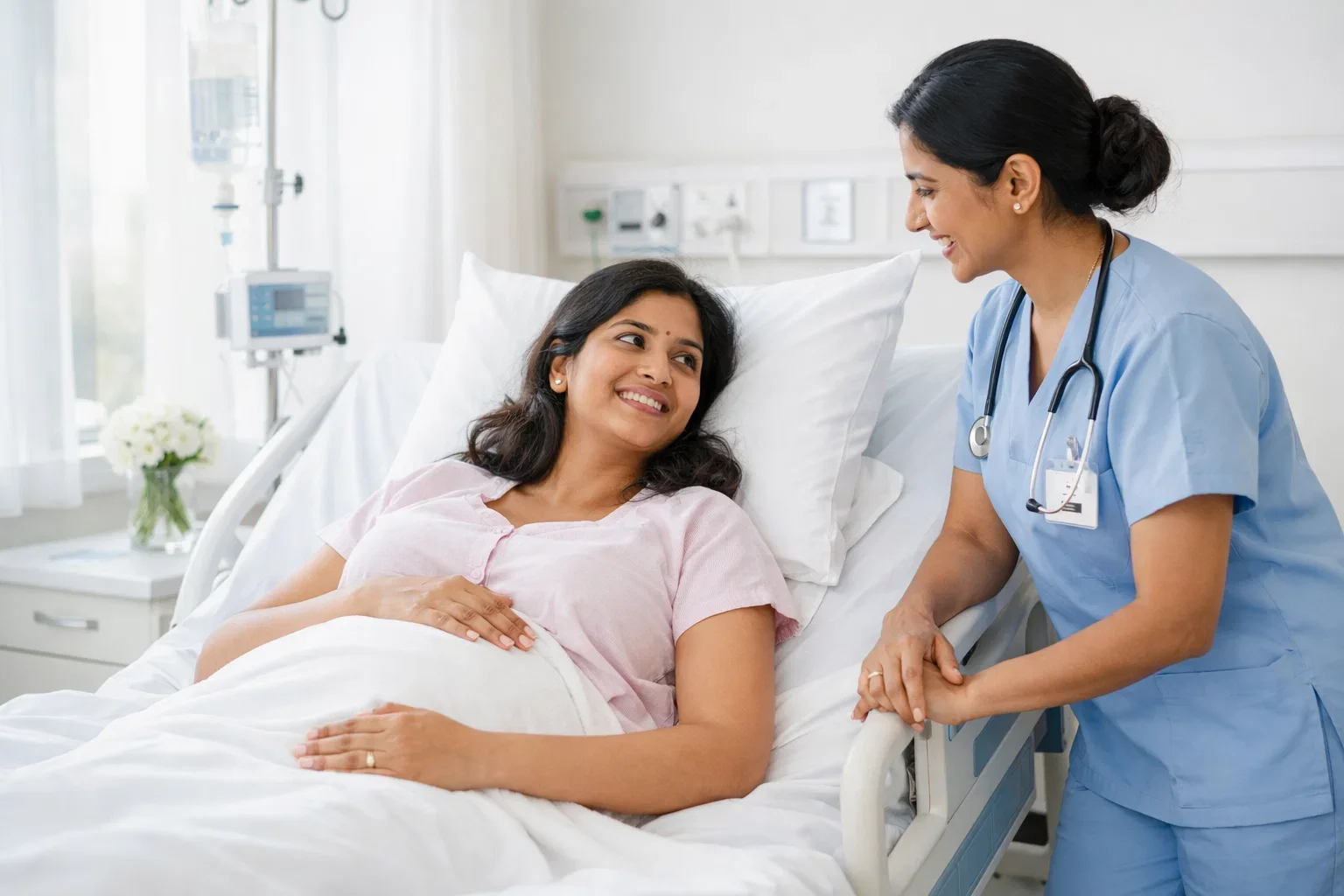
Proper hygiene and rest can significantly aid recovery, while hydration supports tissue repair and prevents fatigue. For mothers recovering from surgical births, postpartum recovery after C-section requires extra attention to incision care and mobility. Maintaining a clean wound, avoiding strain, and following your doctor’s activity guidelines help prevent complications and speed up recovery.
A balanced postpartum diet also plays a vital role. Iron-rich foods like spinach, lean meats, and lentils restore hemoglobin lost during delivery, while calcium and protein help rebuild muscle strength. Adequate fluids, especially water and warm soups, support lactation and hydration.
Postpartum Recovery After C-Section
C-section recovery often takes longer due to the dual healing process – internal and external. The abdominal muscles and incision site require around six to eight weeks of healing. Mothers are advised to start with light walking and avoid heavy lifting. Once cleared by a gynecologist, gentle postpartum exercises after C-section such as pelvic tilts and breathing stretches can help restore flexibility.
Monitoring signs of infection, like redness, discharge, or fever, is crucial. Timely medical consultations ensure safe progress and prevent post-surgical issues.
Emotional Health After Childbirth
While physical healing is visible, emotional recovery after childbirth often goes unnoticed – and yet it’s just as vital. Emotional health after childbirth encompasses the psychological adjustment a mother experiences as she navigates her new identity, responsibilities, and relationship dynamics. Hormonal fluctuations – particularly a sudden drop in estrogen and progesterone – can influence mood and trigger emotional changes, from brief sadness (“baby blues”) to prolonged postpartum depression.
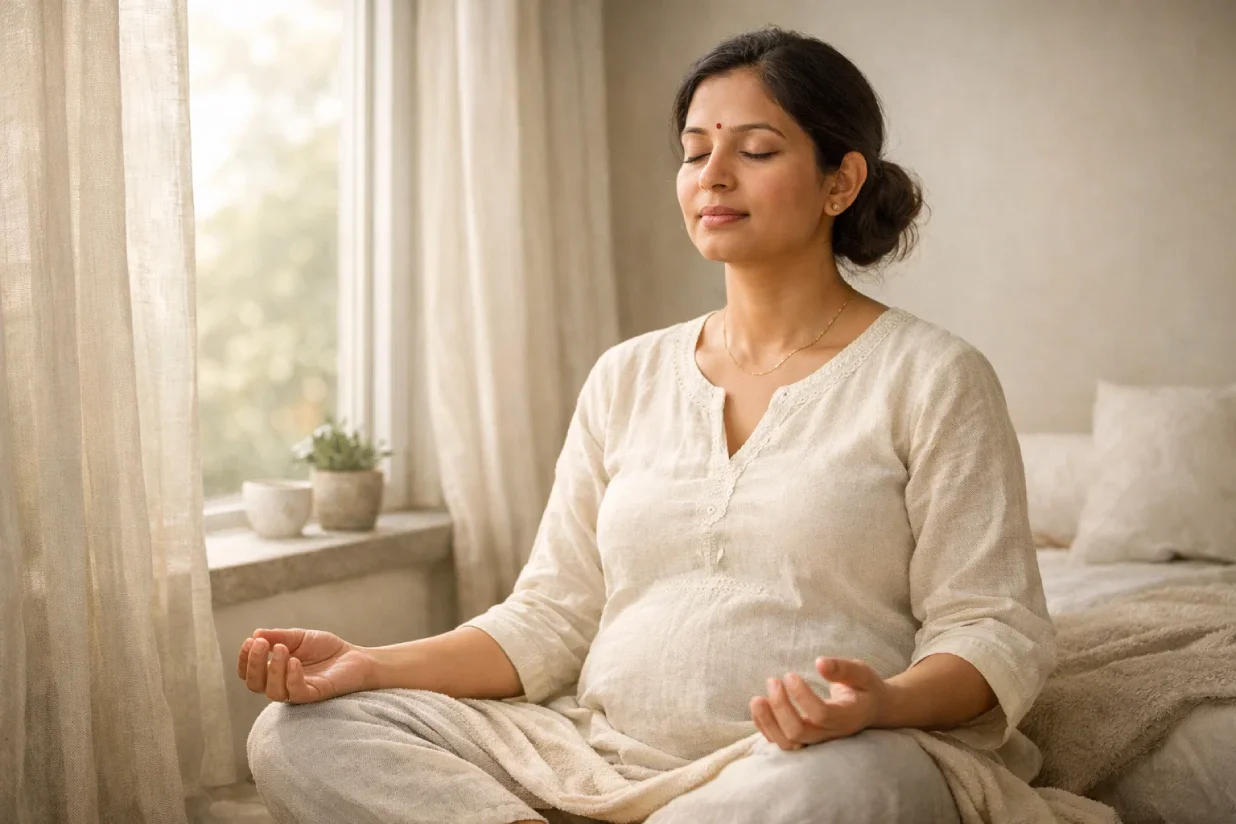
Many mothers experience heightened sensitivity, anxiety, or feelings of isolation during this phase. This is a natural response to both hormonal shifts and the challenges of adjusting to newborn care. Recognizing these emotions and discussing them openly with family members, friends, or healthcare providers can significantly ease the process.
Professional counseling, peer support groups, and open communication play a crucial role in promoting postpartum mental health. Building small daily rituals – like journaling, light walks, or listening to calming music – can help restore emotional balance.
Postpartum Depression Self Care Strategies
When sadness or anxiety becomes overwhelming and persistent, it may indicate postpartum depression. Self-care strategies are essential alongside medical treatment. Prioritizing rest, maintaining a nutritious diet, and staying socially connected help reduce stress. Practicing mindfulness, deep breathing, and seeking therapy from qualified professionals are also proven ways to improve mood and clarity.
Mayflower Hospital’s mental health team encourages early screening and proactive support to ensure mothers never feel alone during recovery. Personalized care plans help balance emotional and physical well-being throughout the postpartum journey.
Postpartum Self Care Essentials
True healing after childbirth goes beyond physical recovery – it’s about restoring energy, confidence, and emotional stability. Postpartum self care empowers new mothers to nurture their well-being while caring for their newborns. Simple, mindful habits can greatly enhance healing, reduce fatigue, and prevent emotional burnout.
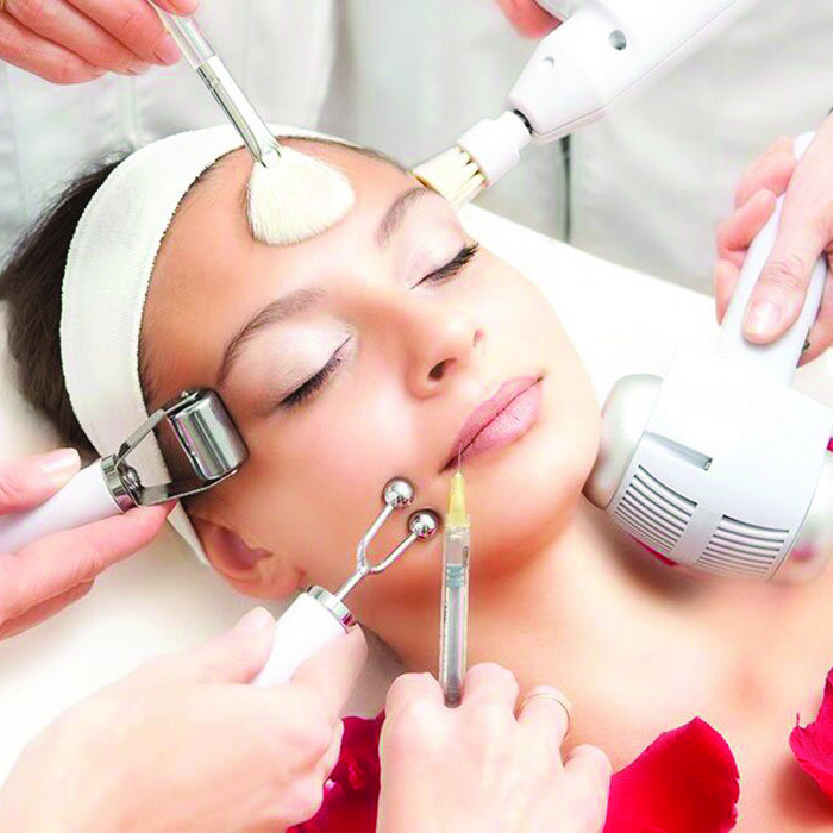
The first step to effective self-care is rest. Sleep deprivation is common for new mothers, yet even short naps can boost mood and immunity. Creating a calm environment – dim lighting, soft music, and comfortable surroundings – can improve rest quality. Skincare and personal hygiene routines also play a role in promoting mental refreshment and self-esteem.
Nutrition remains key during this period. A balanced postpartum diet rich in whole grains, fruits, vegetables, and proteins supports physical repair and hormonal stability. Gentle stretching and light walks improve blood circulation and energy levels without straining the body. Most importantly, mothers should prioritize regular follow-ups with their gynecologist for personalized postpartum care and to detect any early complications.
Emotional self-care is equally crucial. This includes mindfulness exercises, journaling gratitude, and connecting with supportive communities. Even brief moments of self-focus – reading, meditation, or a warm bath – can positively impact postpartum mental health.
Postpartum Exercise and Movement
Once the body begins to regain its strength, introducing gentle movement becomes an essential part of postpartum recovery. Exercise helps improve circulation, reduce stiffness, and boost mood by releasing endorphins. However, every woman’s healing timeline is different – so always consult your doctor before beginning any routine, especially if you’ve had a C-section or complex delivery.
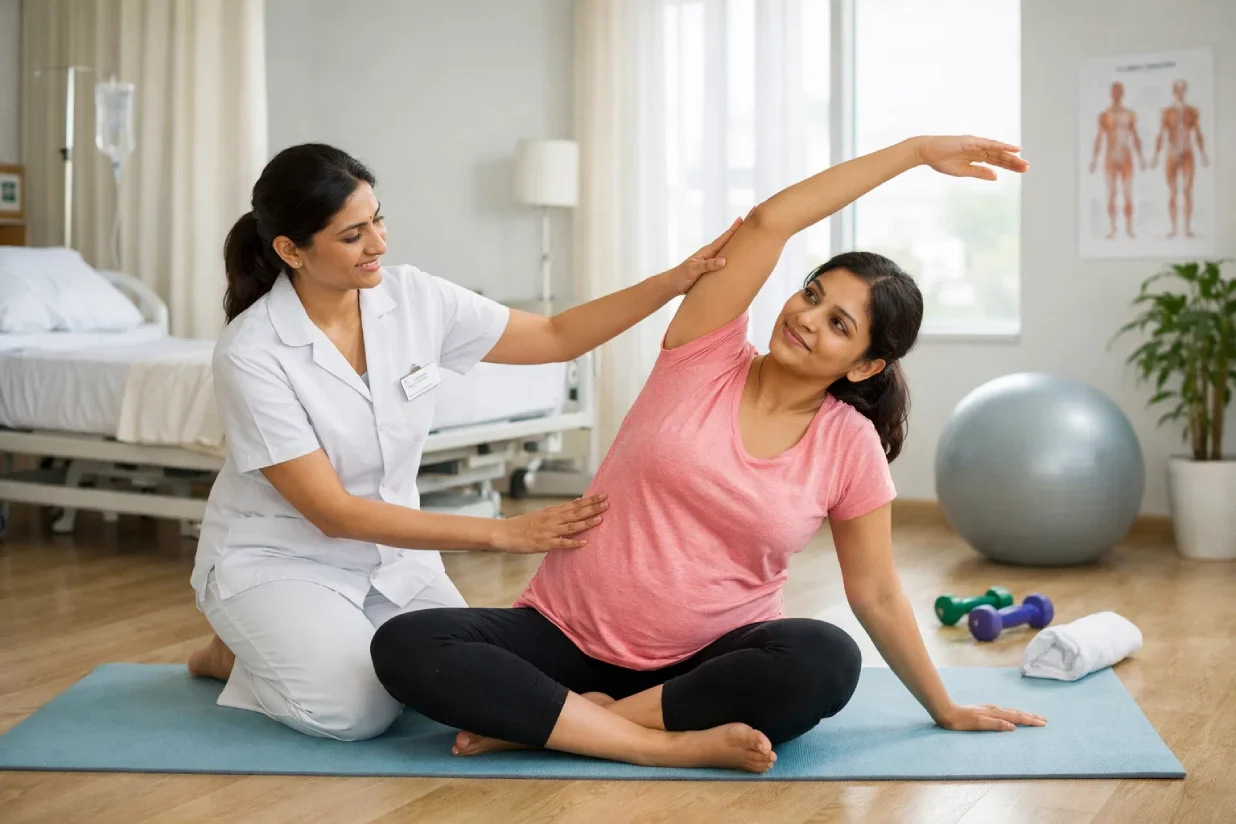
The initial phase should focus on light stretching and breathing exercises. Postpartum exercise doesn’t mean high intensity; it’s about regaining core stability and improving posture. Deep belly breathing, pelvic tilts, and short walks are excellent starting points. These movements enhance blood flow and reduce the risk of blood clots or muscle strain.
For those who have undergone surgery, postpartum exercises after C-section should be introduced gradually. Low-impact options like seated leg raises, ankle rotations, and gentle yoga stretches are recommended under medical guidance. Avoid abdominal crunches or heavy lifting until cleared by a healthcare professional.
As strength improves, progressing to low-impact aerobic activities like swimming or brisk walking helps rebuild endurance. Regular exercise also promotes better sleep and enhances emotional resilience, reducing the likelihood of postpartum depression. The key is consistency – small, regular efforts deliver long-term recovery benefits.
Nutrition and Postpartum Diet for Healing
Nutrition is the cornerstone of complete postpartum recovery. The right foods help replenish nutrient stores, support tissue healing, and maintain energy levels essential for caring for a newborn. A well-planned postpartum diet can also promote hormonal balance, aid lactation, and reduce fatigue.
Immediately after childbirth, the body requires extra calories to recover and produce breast milk. Focus on nutrient-dense meals that include lean proteins (fish, eggs, legumes), complex carbohydrates (brown rice, millets, oats), and healthy fats (nuts, avocados, olive oil). These foods not only rebuild strength but also stabilize mood and energy.
Iron, calcium, and vitamin C are particularly crucial. Iron restores red blood cells lost during delivery, while calcium supports bone and muscle recovery. Vitamin C aids tissue repair and boosts immune health. Hydration is equally important – drinking enough water and adding soups or herbal teas ensures optimal milk production and digestion.
Avoid processed foods, caffeine excess, and sugary snacks, as they may contribute to mood fluctuations and poor digestion. Instead, opt for small, frequent meals to maintain steady energy. For mothers healing from a C-section, foods high in protein and fiber promote wound healing and prevent constipation.
At Mayflower Hospital, nutrition specialists design individualized postnatal meal plans to ensure mothers meet their recovery goals safely and sustainably. This personalized guidance helps women rebuild strength while protecting their long-term well-being.
Building a Postpartum Support System
The postpartum journey can feel overwhelming, but no mother should navigate it alone. A strong postpartum support system – including family, healthcare providers, and peer communities – plays a crucial role in physical healing and emotional balance.
Partners and close family members often serve as the first line of support. Simple gestures like helping with household chores, baby care, or meal preparation can significantly reduce maternal fatigue. Emotional reassurance and shared responsibility create a more nurturing recovery environment.
Equally important is the role of healthcare professionals. Regular check-ups with gynecologists help track progress, while consultations with lactation experts, nutritionists, and physiotherapists ensure holistic care. For mothers experiencing signs of postpartum depression, early intervention through counseling or therapy is vital for regaining mental clarity and confidence.
Joining local or online postpartum communities offers another layer of support. Sharing experiences, challenges, and victories with fellow mothers helps combat isolation and promotes self-acceptance. Professional centers like Mayflower Hospital provide both clinical and emotional care through guided programs that include physical therapy, dietary planning, and emotional wellness counseling.
Having this network not only helps mothers recover faster but also fosters a sense of belonging and empowerment – reminding them that healing is not a solitary process.
How Mayflower Hospital Supports Postpartum Recovery
At Mayflower Hospital, postpartum care goes beyond medical treatment – it’s a compassionate journey toward restoring balance, strength, and confidence in new mothers. The hospital’s dedicated women’s health team combines modern medicine with personalized guidance to support every aspect of postpartum recovery – physical, nutritional, and emotional.
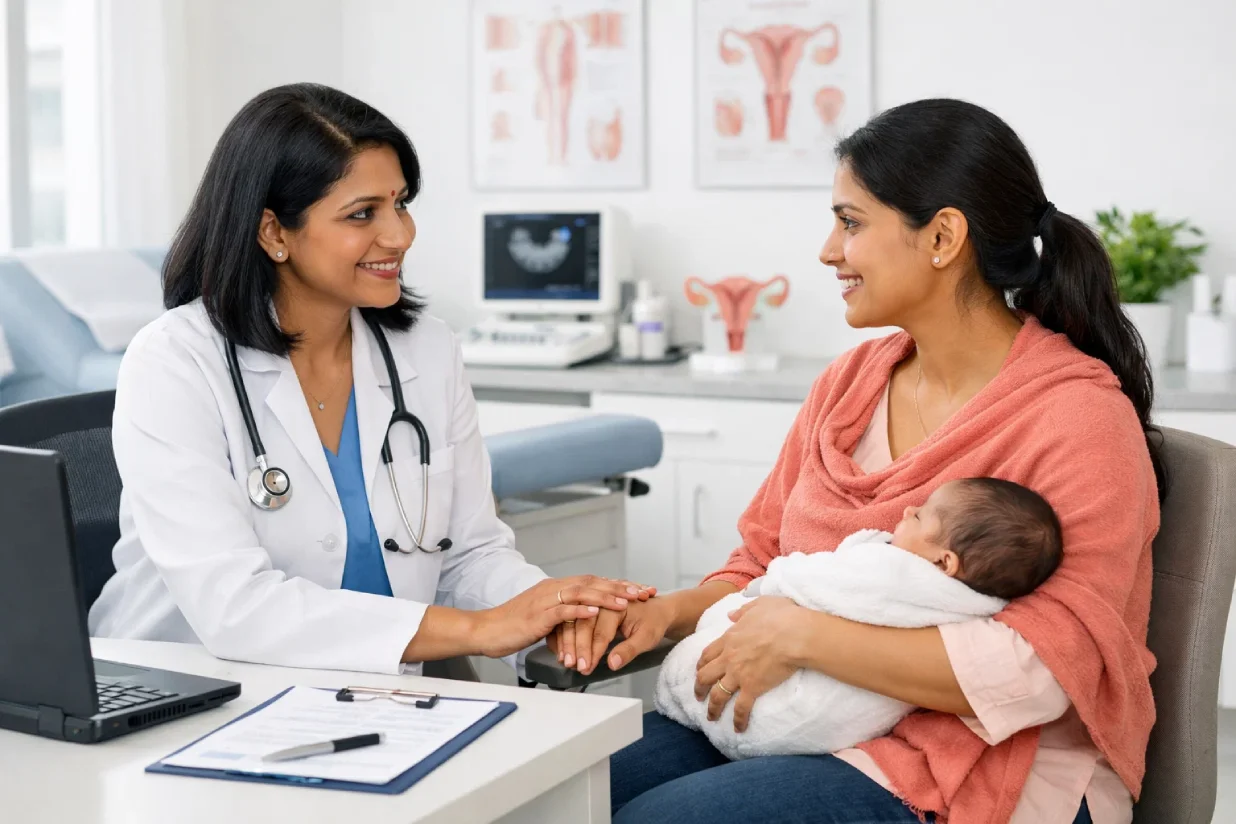
Each mother’s journey is unique, which is why Mayflower offers customized care plans. For physical healing, expert gynecologists and physiotherapists provide structured programs tailored to individual recovery timelines, including safe postpartum exercises after C-section and wound care support.
Nutritionists at Mayflower design meal plans that promote tissue repair and lactation, ensuring every mother receives the right blend of vitamins, minerals, and proteins essential for full recovery. Emotional wellness is equally prioritized through mental health counseling and stress-management sessions that address postpartum depression and emotional fatigue.
The hospital’s lactation consultants assist mothers with breastfeeding techniques, posture correction, and managing common postpartum challenges. Beyond medical care, Mayflower emphasizes community – creating a safe, encouraging space where mothers can share experiences and regain confidence.
Whether you’re seeking expert postpartum care, mental health support, or nutrition guidance, Mayflower Hospital offers end-to-end care under one roof – making recovery smooth, holistic, and empowering.
Book your postpartum consultation at Mayflower Hospital to receive expert-led recovery guidance and emotional wellness care tailored for new mothers.
Conclusion
The journey of postpartum recovery is one of renewal – an opportunity to heal, reflect, and rebuild strength. Both physical and emotional restoration take time, but with the right care and awareness, every mother can emerge stronger and more confident. Embracing rest, nutrition, and self-care creates a solid foundation for long-term well-being.
Whether it’s learning new postpartum recovery tips, maintaining emotional balance, or managing the challenges of motherhood, patience and support make all the difference. Prioritizing postpartum mental health and surrounding yourself with the right medical and emotional guidance ensures a smoother transition into this new chapter of life.
At Mayflower Hospital, our specialists understand that recovery is personal. With expert gynecologists, nutritionists, and counselors, we provide comprehensive support designed to nurture both the body and mind. From postpartum exercises after C-section to therapy for postpartum depression, every service is tailored to your healing needs.
Your recovery deserves expert care and compassion.
Book your postpartum consultation today and take your first step toward complete healing and emotional balance.
FAQs on Postpartum Recovery
The postpartum recovery timeline varies for each woman, typically lasting six to eight weeks after childbirth. However, complete physical and emotional healing may take several months. Factors such as the type of delivery, overall health, and sleep patterns influence recovery duration. Regular check-ups with your gynecologist ensure a safe and gradual return to normal activities.
Adequate rest, a nutrient-rich postpartum diet, hydration, and light movement are key to faster healing. Including iron, calcium, and protein in daily meals supports muscle repair and energy balance. Gentle postpartum exercise and self-care practices like warm baths and meditation also accelerate physical and mental recovery.
Emotional healing is just as important as physical recovery. Practicing mindfulness, journaling, or talking with loved ones can ease anxiety and mood changes. If feelings of sadness or overwhelm persist beyond two weeks, consult a healthcare professional to evaluate for postpartum depression and explore therapy or counseling options.
Yes, but only after your doctor’s approval. Begin with gentle postpartum exercises after C-section such as deep breathing, ankle rolls, and light stretching. Avoid lifting heavy weights or performing core exercises until cleared by a gynecologist. Slow, progressive movements help restore flexibility and prevent complications.
A balanced diet rich in protein, fiber, and vitamins supports incision healing and boosts immunity. Foods like eggs, lentils, green vegetables, and fruits promote recovery while preventing constipation. Hydration and smaller, frequent meals also enhance digestion and energy during postpartum recovery after C-section.