



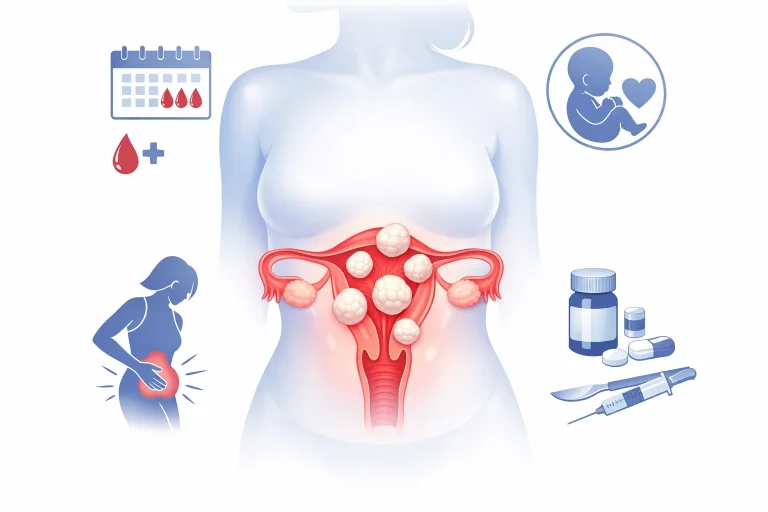
Uterine fibroids are one of the most common benign (noncancerous) growths found in women of reproductive age. Though not life-threatening, these muscular tumors can cause symptoms such as heavy menstrual bleeding, pelvic discomfort, and in some cases, fertility challenges. Understanding fibroids – what causes them, how they develop, and the best treatment options – helps women make informed choices about their reproductive health.
At Mayflower Hospital, we specialize in advanced diagnosis and treatment of uterine fibroids through both surgical and non-surgical approaches. This comprehensive guide explains the causes, symptoms, risk factors, and the latest treatment options available for managing fibroids effectively and safely.
Before exploring the treatment options, it’s essential to first understand what uterine fibroids are, how they form, and why early detection matters for long-term wellness.
Understanding Uterine Fibroids – What They Are and How They Form
Uterine fibroids, also called leiomyomas or myomas, are noncancerous growths that develop within or around the uterus. These muscular tumors originate from the smooth muscle tissue of the uterine wall and can vary greatly in size – from tiny, undetectable nodules to large masses that distort the uterus. Although fibroids are almost always benign, their presence can impact a woman’s menstrual cycle, comfort, and fertility.
So, what is a uterine fibroid exactly? It’s a cluster of abnormal muscle cells that multiply under the influence of hormones such as estrogen and progesterone. These hormones stimulate uterine lining growth during each menstrual cycle and may contribute to fibroid enlargement over time. The number, size, and location of fibroids differ from woman to woman – some may have a single small fibroid, while others may have multiple fibroids affecting the uterus externally or internally.
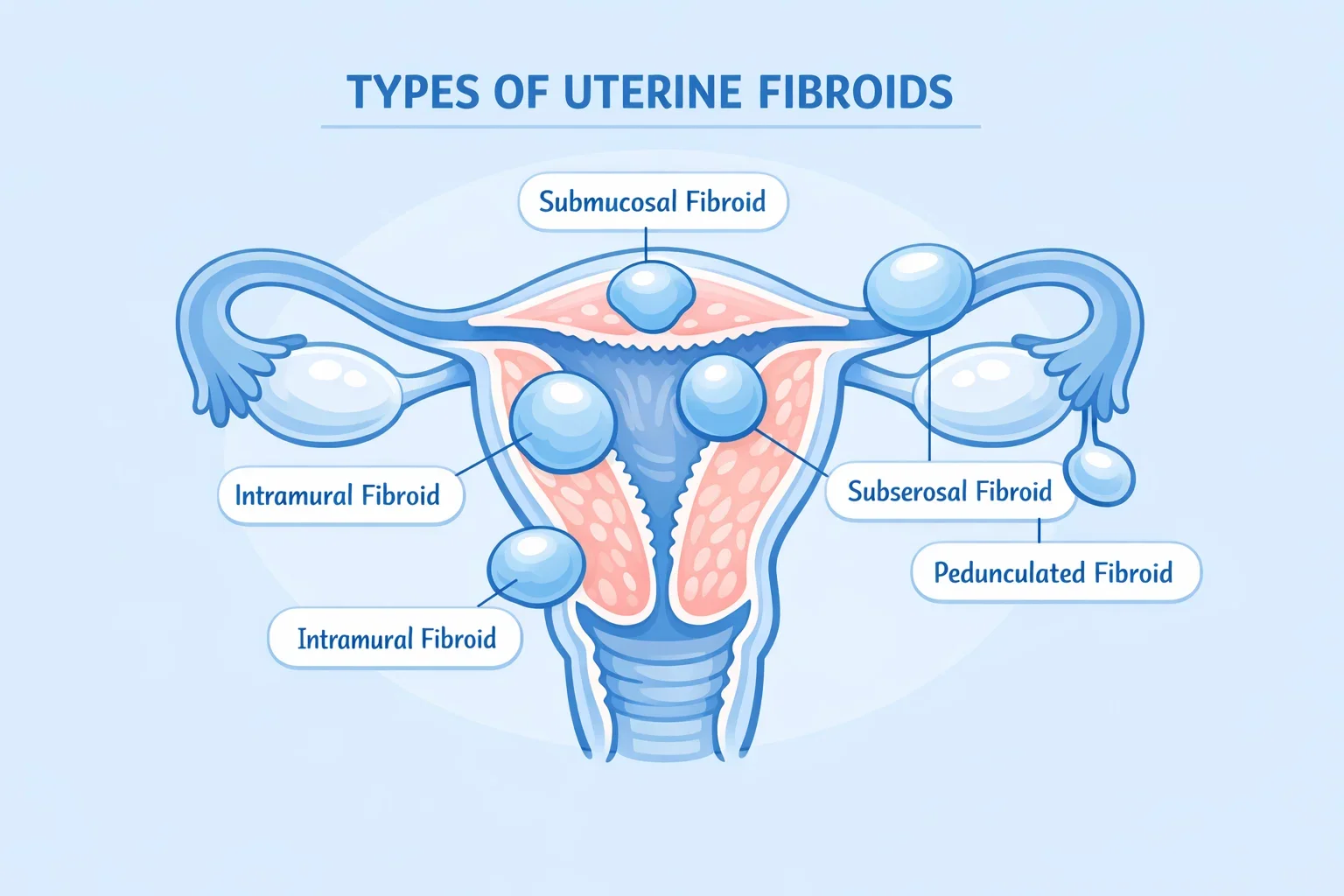
Types of Uterine Fibroids Different types of fibroids grow in distinct areas of the uterus, influencing the symptoms and treatment approach:
- Intramural Fibroids: The most common type, found within the muscular wall of the uterus.
- Submucosal Fibroids: Develop inside the uterine cavity and often cause heavy menstrual bleeding.
- Subserosal Fibroids: Form on the outer wall of the uterus, potentially pressing on nearby organs.
- Pedunculated Fibroids: Grow on stalk-like structures and may cause acute pain if twisted.
Understanding the types of fibroids helps doctors tailor treatment based on individual cases – some fibroids require only observation, while others may need surgical or non-surgical intervention.
Now that you know what fibroids are and how they form, the next step is identifying the symptoms that might signal their presence – especially since many women may not notice them until they grow large enough to cause discomfort.
Uterine Fibroid Symptoms Every Woman Should Know
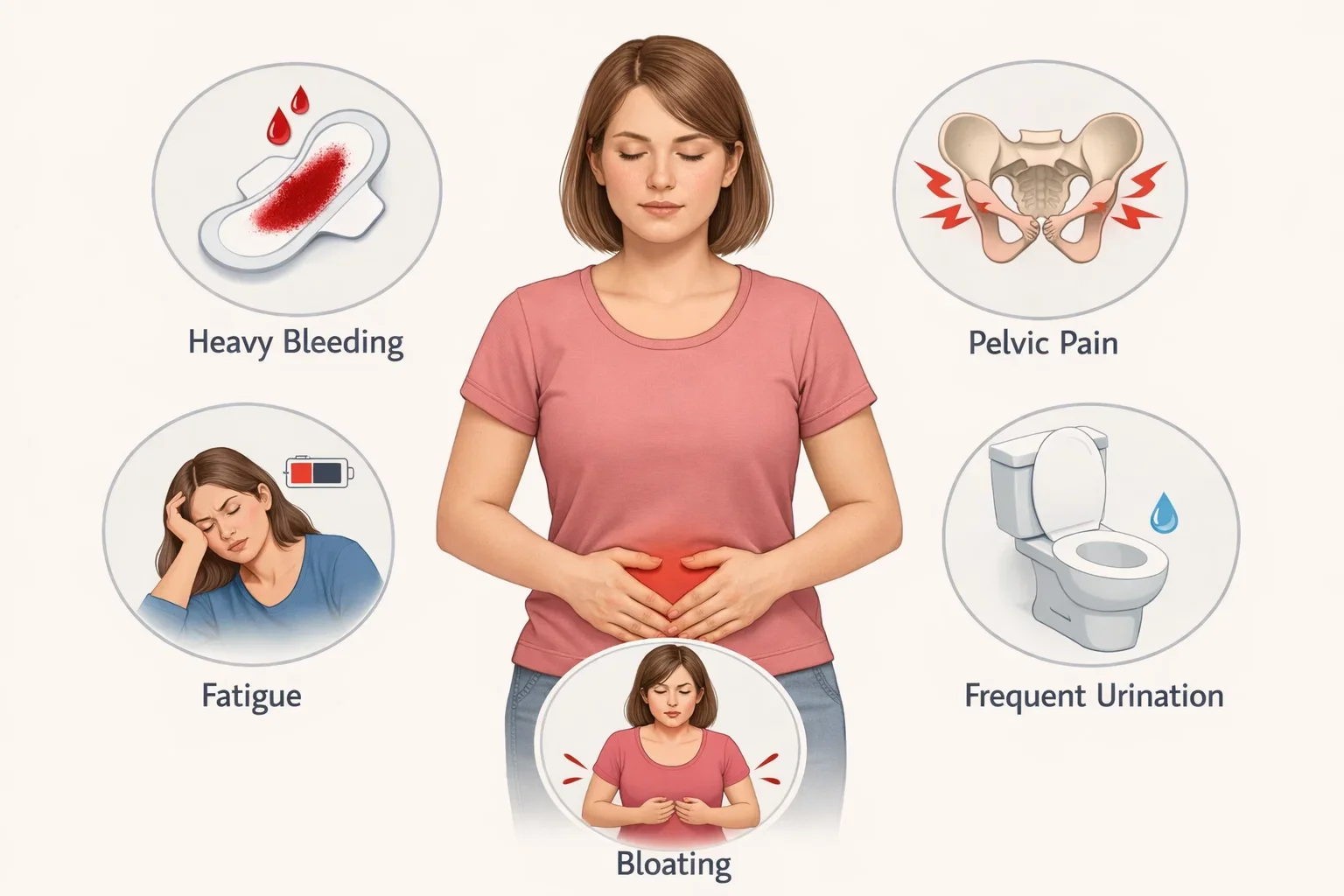
The symptoms of uterine fibroids can vary widely depending on their size, number, and location in the uterus. Some women may not experience any noticeable symptoms, while others may face heavy menstrual bleeding, pelvic pain, or reproductive difficulties. Recognizing these warning signs early helps in seeking timely medical intervention and avoiding long-term complications.
Heavy Menstrual Bleeding and Clots
One of the most common uterine fibroids symptoms is heavy or prolonged menstrual bleeding. Some women notice the passage of blood clots or experience bleeding that lasts more than seven days. Persistent heavy bleeding can lead to anemia, fatigue, and weakness, making early gynecological consultation essential.
Pelvic Pain and Pressure
Large fibroids can create a sensation of fullness, heaviness, or pressure in the lower abdomen. This discomfort may be continuous or occur during menstruation. In some cases, fibroids press against nerves, leading to lower back pain or discomfort during intercourse.
Frequent Urination or Constipation
Depending on their location, fibroids can compress the bladder or bowel, causing frequent urination, difficulty emptying the bladder fully, or constipation. Such symptoms often mimic other pelvic conditions, so accurate diagnosis through ultrasound or MRI is crucial.
Impact on Fertility and Pregnancy
For some women, uterine fibroids and fertility are closely linked. Fibroids located within the uterine cavity can interfere with embryo implantation or distort the uterus, increasing the risk of miscarriage or pregnancy complications. However, many women with fibroids conceive and deliver healthy babies with appropriate medical care.
If you notice any of these symptoms – especially heavy bleeding, prolonged cycles, or pelvic discomfort – it’s advisable to schedule a gynecological checkup. Early diagnosis helps identify the type and location of fibroids, allowing for more effective treatment planning.
Causes and Risk Factors of Uterine Fibroids
While the exact cause of uterine fibroids remains unclear, several factors are believed to contribute to their development. Research shows that hormonal imbalance, genetics, and certain lifestyle factors play significant roles. Understanding these fibroid tumor causes and risk factors for uterine fibroids can help women identify potential triggers early and take preventive steps.
Hormonal Imbalance
Estrogen and progesterone – the two key female reproductive hormones – stimulate the growth of the uterine lining during each menstrual cycle. Fibroids tend to grow when hormone levels are high, especially during the reproductive years, and may shrink after menopause when these hormones decline. This hormonal sensitivity is why many fibroid treatments focus on hormone regulation.
Genetic Predisposition
A family history of fibroids significantly increases the likelihood of developing them. If your mother or sister had fibroids, your risk can be up to three times higher. Genetic mutations in uterine muscle cells are also thought to contribute to fibroid formation, though more research is still ongoing in this area.
Age and Reproductive Factors
Fibroids are most common in women between 30 and 50 years old, particularly during peak reproductive years. Early menstruation, delayed pregnancy, or never having given birth may increase risk. These reproductive factors are often assessed during your gynecological checkup to plan appropriate monitoring or treatment.
Obesity and Lifestyle Factors
Being overweight or having a diet high in red meat and low in green vegetables may increase the risk of fibroids. Sedentary lifestyle and stress can also indirectly affect hormone balance. Maintaining a healthy diet and active routine can reduce fibroid growth and support overall reproductive health.
Other Contributing Conditions
Conditions such as insulin resistance, high blood pressure, and vitamin D deficiency have been linked to fibroid development in some studies. Although these do not directly cause fibroids, they can contribute to a hormonal and metabolic environment that favors their growth.
While these factors may increase susceptibility, not every woman exposed to them develops fibroids. Regular screening and early diagnosis remain the most effective ways to manage the condition proactively.
How Are Uterine Fibroids Diagnosed?
The first step in managing uterine fibroids is accurate diagnosis. Since symptoms can resemble other gynecological conditions, confirming the presence, size, and location of fibroids is essential for selecting the right treatment. At Mayflower Hospital, diagnosis involves a combination of clinical examination and advanced imaging technology for precision and comfort.
Pelvic Examination and Ultrasound
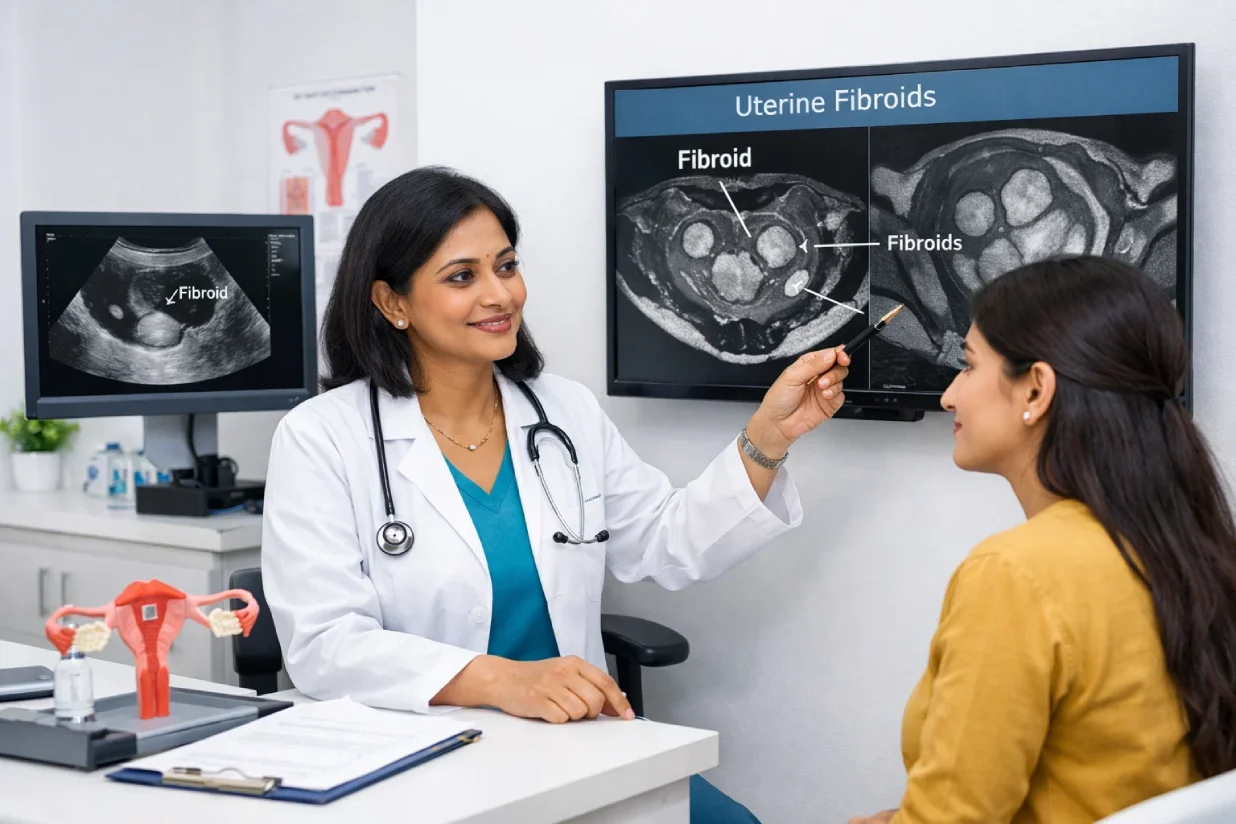
During a routine gynecological exam, your doctor may feel irregularities in the shape or size of the uterus, prompting further investigation. A pelvic ultrasound – either abdominal or transvaginal – is usually the first diagnostic step. It uses sound waves to create images of the uterus and helps identify the number and size of fibroids accurately.
MRI and Advanced Imaging
When ultrasound results are inconclusive or when detailed mapping is needed before surgery, an MRI scan offers deeper insight. MRI is particularly valuable for assessing fibroid location and composition, especially in cases of deep intramural fibroids or when differentiating fibroids from other uterine abnormalities.
At Mayflower Hospital, our radiology team uses advanced MRI protocols to assist gynecologists in designing targeted treatment plans for each patient.
Hysteroscopy and Diagnostic Laparoscopy
In certain cases, doctors may recommend hysteroscopy (inserting a thin camera through the cervix) or diagnostic laparoscopy (a minimally invasive camera-assisted abdominal procedure) to directly visualize the fibroids. These procedures help confirm their exact position and assess whether removal or minimally invasive treatment is required.
Blood Tests and Hormonal Evaluation
While imaging provides the structural view, blood tests can detect anemia from excessive bleeding or check hormone levels that may contribute to fibroid growth. This holistic diagnostic approach ensures that every aspect of the patient’s health is considered before deciding on treatment.
Once fibroids are identified, your gynecologist will discuss personalized treatment options – ranging from medication and lifestyle adjustments to minimally invasive or surgical procedures – depending on your symptoms, fertility goals, and overall health.
Uterine Fibroid Treatment Options
Uterine fibroids treatment depends on multiple factors, including size, location, symptoms, and your desire for future pregnancy. At Mayflower Hospital, our gynecology team offers a range of treatment options for uterine fibroids, from conservative management to advanced minimally invasive surgery – ensuring each woman receives care tailored to her unique needs.
Watchful Waiting and Lifestyle Management
When fibroids are small and not causing significant symptoms, a watchful waiting approach may be recommended. Regular follow-ups and imaging help track growth over time. Doctors may also suggest lifestyle changes such as balanced nutrition, exercise, stress control, and iron-rich diets to support hormonal balance and overall uterine health.
Medications and Hormonal Therapy
Medical management can help shrink fibroids or control related symptoms.
Common medications include:
- Gonadotropin-Releasing Hormone (GnRH) Agonists: Temporarily reduce estrogen levels and shrink fibroids.
- Oral Contraceptives or Progestins: Help regulate menstrual bleeding and pain.
- Tranexamic Acid & NSAIDs: Relieves heavy bleeding and cramps without affecting fibroid size.
These therapies are often used as part of non-surgical fibroid treatment for symptom control or pre-surgical preparation.
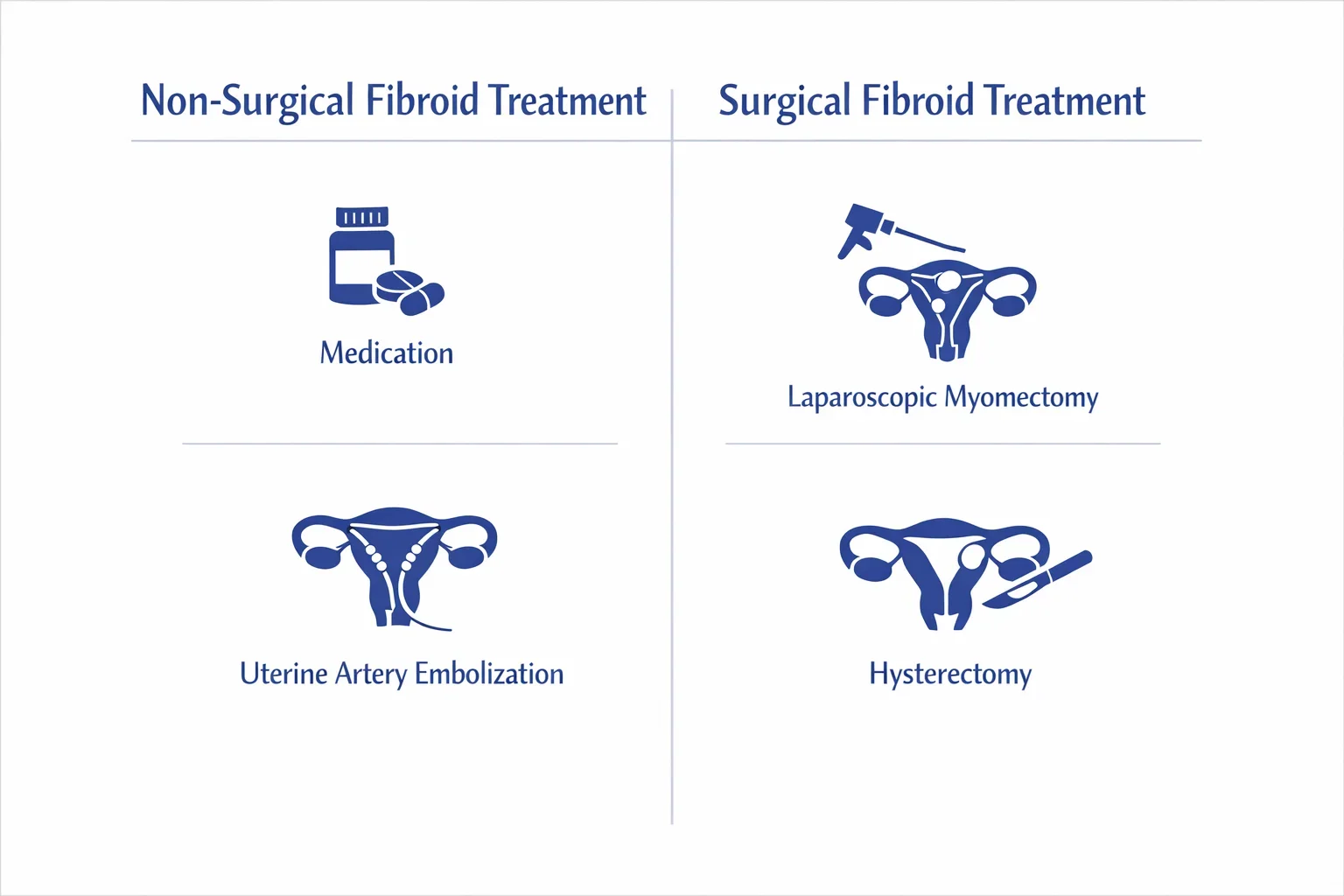
Non-Surgical Fibroid Treatment
For women seeking alternatives to surgery, non-invasive techniques are highly effective.
1. Uterine Artery Embolization (UAE): A minimally invasive procedure that blocks blood flow to fibroids, causing them to shrink over time.
2. MRI-Guided Focused Ultrasound (MRgFUS): Uses targeted ultrasound waves under MRI guidance to destroy fibroid tissue without incisions.
Both options are suitable for women who wish to avoid surgery while preserving the uterus.
Minimally Invasive Surgery
When fibroids cause severe pain, heavy bleeding, or fertility problems, fibroid removal surgery – known as myomectomy – may be necessary.
- Laparoscopic Myomectomy: Removes fibroids using small keyhole incisions, allowing faster recovery.
- Hysteroscopic Myomectomy: Removes submucosal fibroids inside the uterine cavity via the vagina without external cuts.
At Mayflower, our surgeons specialize in laparoscopic and hysteroscopic procedures, minimizing discomfort and downtime.
Traditional Surgery (Hysterectomy)
For women with multiple large fibroids, or when fertility is no longer a concern, a hysterectomy (complete removal of the uterus) may be advised. While it provides a permanent solution, it’s considered only after other treatments have been explored. The team at Mayflower ensures this decision is made with complete counseling and emotional support.
Home Remedies and Supportive Approaches
While home care cannot replace medical treatment, certain lifestyle changes can help ease mild symptoms.
These include:
- Eating a diet rich in fruits, vegetables, and whole grains
- Reducing caffeine and red meat consumption
- Practicing yoga and stress-reducing exercises
- Taking supplements like Vitamin D (under medical advice)
Such uterine fibroid home remedies complement professional care and support hormonal balance.
Whether you choose medication, non-surgical treatment, or surgery, the key to effective fibroid management lies in early diagnosis and an individualized approach. The next section explores how fibroids can affect fertility and pregnancy – and what you can do to improve outcomes.
Uterine Fibroids and Fertility – What You Should Know
One of the biggest concerns for women diagnosed with uterine fibroids is their potential impact on fertility and pregnancy. While most fibroids are benign and manageable, their size and position can sometimes interfere with conception, embryo implantation, or the ability to carry a pregnancy to term.
At Mayflower Hospital, our gynecologists work closely with fertility experts to evaluate how fibroids may affect your reproductive goals. Through advanced imaging, hormone profiling, and minimally invasive interventions, we help restore uterine function and improve the chances of a successful pregnancy.
How Fibroids Affect Conception
Fibroids that grow inside the uterine cavity (submucosal type) can distort the endometrial lining, making it harder for the embryo to implant. Others may block the fallopian tubes or alter uterine contractions, affecting sperm transport. These issues can sometimes lead to difficulty conceiving naturally.
Fibroids During Pregnancy
Many women with fibroids go on to have healthy pregnancies, but monitoring is important. Large fibroids can increase the risk of preterm labor, breech presentation, or placental complications. Regular ultrasounds and close medical supervision ensure that both the mother and baby remain safe throughout the pregnancy.
Treatment Options for Fertility Preservation
When fibroids interfere with fertility, myomectomy (fibroid removal surgery) is often recommended. Laparoscopic or hysteroscopic myomectomy removes fibroids while preserving the uterus, allowing future pregnancies.
In select cases, non-surgical fibroid treatment such as MRI-guided focused ultrasound may also improve fertility outcomes without invasive surgery.
Planning Pregnancy After Treatment
Doctors generally advise waiting three to six months after fibroid removal before attempting conception, depending on recovery and uterine healing. During this time, hormonal balance and overall reproductive health are closely monitored to support a safe pregnancy journey.
With proper diagnosis and care, fibroids rarely stand in the way of a woman’s dream of motherhood. The next section discusses recovery and long-term management strategies to ensure fibroids don’t return or disrupt your well-being again.
Recovery and Long-Term Management
Recovery after uterine fibroid treatment varies depending on the procedure performed and the individual’s overall health. Whether you’ve undergone medication-based therapy, a non-surgical fibroid treatment, or fibroid removal surgery, consistent follow-up care and lifestyle adjustments are essential for long-term success.
Post-Treatment Recovery
Most women recover quickly after minimally invasive or laparoscopic procedures, often returning to normal activities within one to two weeks. For open surgery (hysterectomy), recovery may take four to six weeks. Doctors at Mayflower Hospital provide personalized recovery plans focusing on pain control, nutrition, and wound care to ensure a smooth healing process.
Follow-Up Monitoring
Regular post-treatment checkups are crucial to track healing and prevent recurrence. Follow-ups typically include pelvic examinations and periodic ultrasounds to ensure the uterus has returned to its normal shape and that no new fibroids have formed. Consistent medical supervision also helps in early identification of hormonal imbalances that could trigger regrowth.
Hormonal Balance and Lifestyle Changes
A balanced lifestyle plays a major role in maintaining uterine health. Incorporating plant-based foods, maintaining a healthy body weight, staying active, and managing stress can help regulate hormones. Avoiding smoking, limiting caffeine, and consuming more fiber and antioxidants support overall reproductive wellness.
Preventing Fibroid Recurrence
While fibroids can recur in some women, regular gynecological screenings and hormonal evaluation can minimize the risk. Your doctor may recommend periodic imaging or short-term hormonal therapy to maintain hormonal stability. Early detection through annual exams remains the most effective prevention strategy.
With careful post-treatment care and lifestyle awareness, most women remain symptom-free and enjoy improved quality of life. In the next section, we’ll discuss simple preventive steps and health tips every woman can follow to keep fibroids in check.
Uterine Fibroid Prevention and Lifestyle Tips
While it isn’t always possible to prevent uterine fibroids completely, certain lifestyle habits can lower your risk and support overall hormonal health. Preventive care focuses on balancing hormones naturally, staying physically active, and maintaining a nutritious diet. Regular gynecological screening also plays a vital role in detecting fibroids early – before they cause symptoms or fertility challenges.
Eat a Hormone-Friendly Diet
Nutrition influences hormone balance and fibroid growth. Choose meals rich in green leafy vegetables, fruits, whole grains, and legumes. Reduce red meat, fried foods, and sugary drinks, which can trigger inflammation and estrogen dominance. Incorporate foods with Vitamin D, calcium, and fiber, all shown to reduce fibroid risk in women.
Maintain a Healthy Weight
Excess body fat raises estrogen levels, which can encourage fibroid development. Regular exercise – such as brisk walking, yoga, or swimming – helps manage weight and reduces stress hormones like cortisol. Aim for at least 30 minutes of moderate activity most days of the week.
Manage Stress and Sleep
Chronic stress disrupts hormonal rhythm and can worsen fibroid symptoms. Mindfulness, meditation, and adequate sleep (7–8 hours per night) help keep hormones in balance and support better reproductive health.
Schedule Regular Health Checkups
Annual visits to your gynecologist ensure early detection of fibroids and other uterine conditions. Mayflower Hospital offers comprehensive well-woman exams and preventive screening packages designed for women across age groups. Early evaluation helps your doctor monitor changes before they require intervention.
Prevention starts with awareness and consistent care. The next section discusses the cost and accessibility of uterine fibroid treatment in India, giving patients a transparent understanding of what to expect financially.
Cost and Treatment Options in India
The cost of uterine fibroid treatment in India can vary widely depending on factors like the size and number of fibroids, the treatment approach (medical, non-surgical, or surgical), and the hospital’s expertise. At Mayflower Hospital, we believe in transparent, patient-focused care – ensuring that every woman receives safe, effective, and affordable treatment without compromising quality.
Factors That Influence Treatment Cost
Several variables affect the total cost of fibroid management:
- Type of Treatment: Medication and hormone therapy are generally less expensive than surgical procedures.
- Technology Used: Advanced options such as laparoscopic surgery or MRI-guided focused ultrasound may cost more but offer quicker recovery and fewer complications.
- Hospital Facilities and Expertise: The experience of the surgical team and access to state-of-the-art technology can influence pricing.
- Post-Treatment Care: Recovery room stay, follow-up imaging, and medications are part of the complete care package.
Average Cost Range in India
On average, uterine fibroid treatment in India costs between ₹30,000 and ₹1,50,000, depending on the chosen method.
- Medication-based therapy: ₹10,000 – ₹25,000
- Uterine Artery Embolization: ₹60,000 – ₹1,00,000
- Laparoscopic Myomectomy: ₹90,000 – ₹1,50,000
At Mayflower Hospital Ahmedabad, we provide personalized treatment plans with clear cost estimates and detailed consultations to help patients choose what’s best for them.
Insurance and Payment Assistance
Most insurance providers in India cover fibroid surgeries, especially when medically necessary. Mayflower’s billing team assists patients in coordinating insurance approvals and offers flexible payment options where possible, ensuring a stress-free experience from consultation to recovery.
When it comes to women’s health, cost transparency and compassionate care go hand in hand. The next section explains why Mayflower Hospital is a trusted choice for advanced fibroid management in India.
Why Choose Mayflower Hospital for Fibroid Treatment
At Mayflower Hospital, we understand that every woman’s journey with uterine fibroids is unique. Our multidisciplinary approach – combining gynecology, radiology, and laparoscopic expertise – ensures that each patient receives personalized, evidence-based care focused on comfort, safety, and long-term well-being.
Advanced Diagnostic and Surgical Technology
Mayflower is equipped with state-of-the-art imaging systems, including high-resolution ultrasound and MRI scanners, for precise fibroid mapping and diagnosis. Our operation theatres feature laparoscopic and hysteroscopic systems that allow for minimally invasive fibroid removal surgery, ensuring faster recovery and reduced hospital stay.
Expert Gynecologists and Surgical Team
Our team includes highly experienced gynecologists and laparoscopic surgeons who specialize in treating both simple and complex fibroid cases. From non-surgical fibroid treatment to advanced minimally invasive surgery, patients receive guidance from specialists recognized for their precision and compassionate care.
Comprehensive Care Under One Roof
From diagnosis to post-surgery recovery, every stage of fibroid care is handled seamlessly at Mayflower. Our hospital offers in-house radiology, fertility counseling, nutrition guidance, and rehabilitation support, ensuring holistic recovery and improved quality of life.
Patient-Centric Environment
We believe that empathy is as vital as expertise. Our nursing and support teams ensure privacy, comfort, and continuous assistance at every step – from consultation to discharge – making each woman’s experience as stress-free as possible.
Proven Track Record
With years of success stories in fibroid management, Mayflower Hospital has earned the trust of thousands of women across Gujarat and India. Our consistently high patient satisfaction rates reflect our commitment to excellence in women’s health care.
From advanced technology to empathetic care, Mayflower Hospital blends modern medicine with patient trust. In the next section, we’ll share a real-world patient journey that highlights how timely fibroid treatment can transform lives.
Patient Journey – From Diagnosis to Recovery
Every woman’s experience with uterine fibroids is different, but early diagnosis and the right treatment plan can make recovery smooth and empowering. At Mayflower Hospital, we walk each patient through a structured, compassionate process designed for comfort, clarity, and confidence.
Step 1 – Accurate Diagnosis
The journey begins with a comprehensive evaluation that includes a detailed medical history, physical examination, and ultrasound or MRI imaging. These tests confirm the presence, type, and size of fibroids. Our gynecologists explain each finding clearly, ensuring the patient understands her condition and all available options.
Step 2 – Personalized Treatment Planning
Once the diagnosis is complete, the care team creates a customized plan based on the patient’s symptoms, fertility goals, and health background. For women with mild symptoms, non-surgical fibroid treatment and lifestyle management may be sufficient. Others may benefit from laparoscopic myomectomy or uterine artery embolization – all performed with precision and minimal discomfort.
Step 3 – Treatment and Supportive Care
During treatment, our multidisciplinary team – gynecologists, anesthetists, and nurses – ensure safety and comfort at every step. Patients receive detailed pre-procedure counseling and post-operative guidance, including pain control, nutrition, and wound care. Our focus is always on short hospital stays and rapid recovery.
Step 4 – Recovery and Follow-Up
After discharge, Mayflower’s follow-up program includes periodic check-ins, ultrasound monitoring, and hormonal evaluations to prevent recurrence. Patients are encouraged to adopt long-term wellness habits, such as balanced diet, regular exercise, and stress management. Most women return to normal life within days to weeks, feeling healthier and more confident.
A Real Example of Hope
One of our patients, a 34-year-old working professional, came to us with heavy bleeding and fatigue. After diagnosis, she underwent a laparoscopic myomectomy. Within two weeks, she resumed work and later conceived naturally. Her story is just one of many that reflect the life-changing results of timely fibroid care at Mayflower.
From diagnosis to complete recovery, Mayflower’s team ensures every woman receives trusted, empathetic, and technologically advanced care. The next section answers common questions about fibroids to help you make informed health decisions.
Conclusion
Uterine fibroids are common, treatable, and manageable with timely care. Though their symptoms can affect daily life, today’s advanced medical techniques – from non-surgical fibroid treatments to minimally invasive surgeries – offer safe and effective relief. The key lies in early diagnosis, expert guidance, and a holistic approach that addresses both physical and emotional well-being.
At Mayflower Hospital, we combine state-of-the-art technology with compassionate, patient-centered care. Our team of experienced gynecologists and surgeons ensure that every woman receives the right treatment – whether it’s conservative management, fibroid removal surgery, or fertility-preserving options.
Don’t let fibroid symptoms hold you back from living freely and confidently. Book an appointment with our specialists today and take your first step toward healthier uterine wellness.
FAQs About Uterine Fibroids
No. Uterine fibroids are almost always noncancerous (benign) growths made of muscle and fibrous tissue. They do not increase your risk of uterine cancer, though routine monitoring is important to track changes in size or symptoms.
Small fibroids sometimes shrink on their own, especially after menopause when hormone levels drop. However, most fibroids require medical supervision to ensure they don’t grow or cause complications.
The most effective non-surgical fibroid treatments include Uterine Artery Embolization (UAE) and MRI-Guided Focused Ultrasound (MRgFUS). Both options preserve the uterus, reduce symptoms, and promote faster recovery compared to traditional surgery.
In most cases, fibroid removal surgery (myomectomy) improves fertility outcomes by restoring the normal shape of the uterus. Your doctor will recommend the safest timeline for conception after recovery, usually within 3–6 months.
Recovery time depends on the type of procedure. Laparoscopic myomectomy typically requires 1–2 weeks, while an open hysterectomy may take 4–6 weeks. Mayflower’s minimally invasive methods significantly reduce recovery time and discomfort.